Nosy Be Whale Shark Grounds
Die Tiefe gibt den Bereich von der Oberkante des Tauchplatzes bis zur üblichen Maximaltiefe an; „empfohlene Zertifizierung" ist das von Anbietern üblicherweise geforderte Mainstream-Agenturniveau – keine gesetzliche Vorschrift. Strömungen und Sichtweite ändern sich täglich – behandle alle Angaben hier als Planungsbereiche.
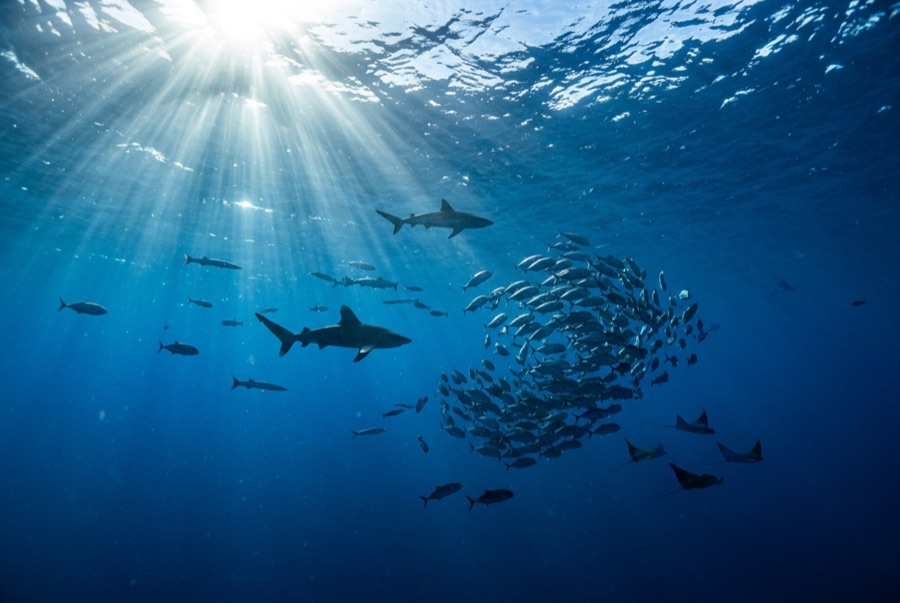
From roughly September to December, juvenile whale sharks gather around Nosy Be to feed, and the island has grown into Madagascar's whale shark hub, complete with a dedicated research project cataloguing individuals. Trips run as boat-based snorkel searches: spotters track feeding slicks and seabird activity, then swimmers enter ahead of a cruising shark and let it pass. Mobula rays often shadow the same plankton patches, Omura's whales surface in the wider channel, and dolphins salt the crossings. Operators signed up to the local code of conduct keep distances honest. Pick one, because crowding is the season's chronic temptation.
Der Moment, für den du kommst: Snorkel encounters with feeding juvenile whale sharks, mobulas alongside
Topografie: Plankton-rich channels and open water around Nosy Be; no fixed seabed reference
Strömung: Open but usually calm dry-season water around the island; encounters are surface events.
Was du wissen solltest, bevor du ins Wasser gehst
Gefahren: Boat congestion around sharks in peak weeks; open-water swims for mixed-ability groups.
Naturschutz: Follow the regional code of conduct: limited swimmers per shark, three-meter distance, no touching, boats out of gear near animals.
Wen du triffst
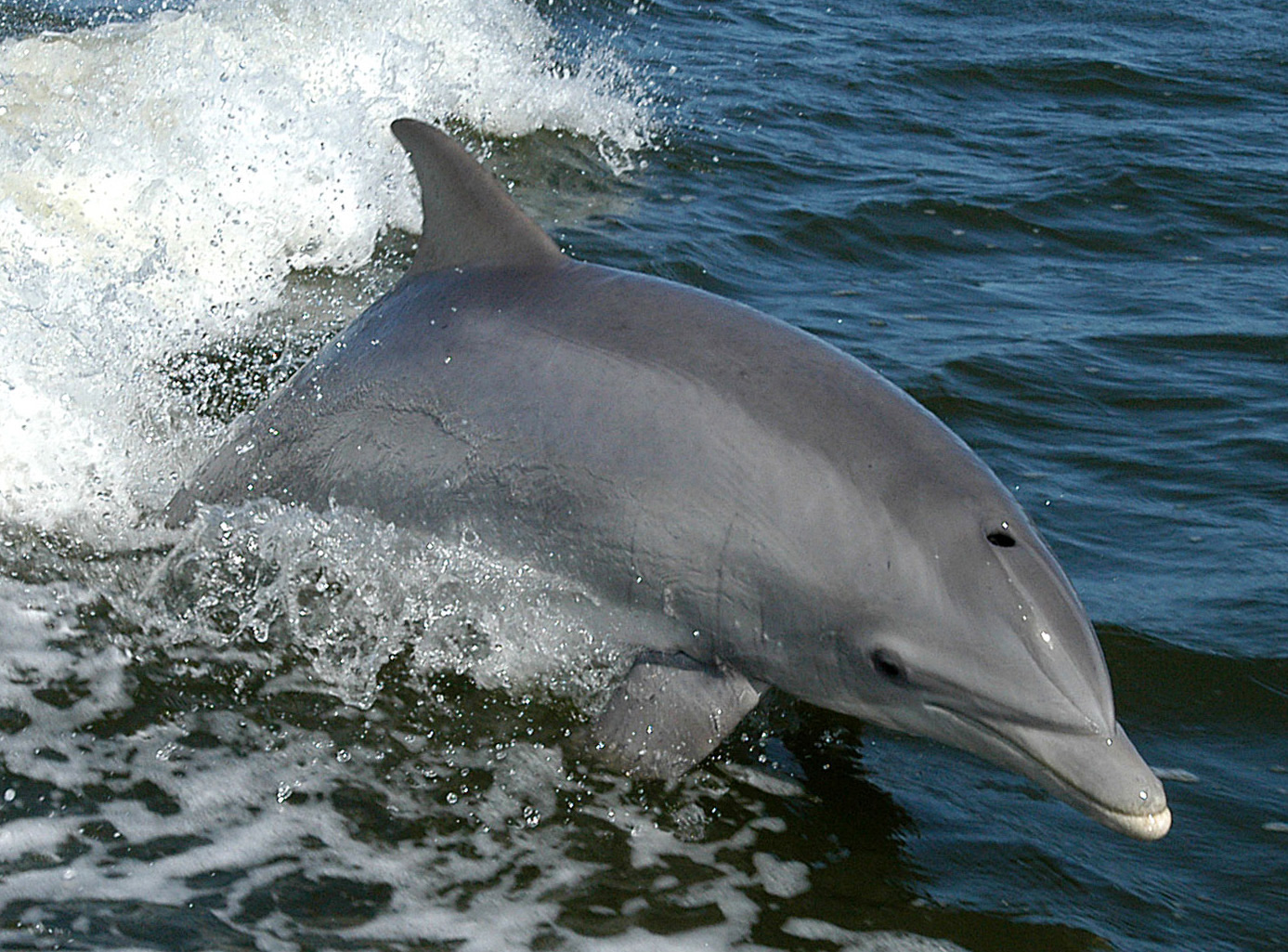
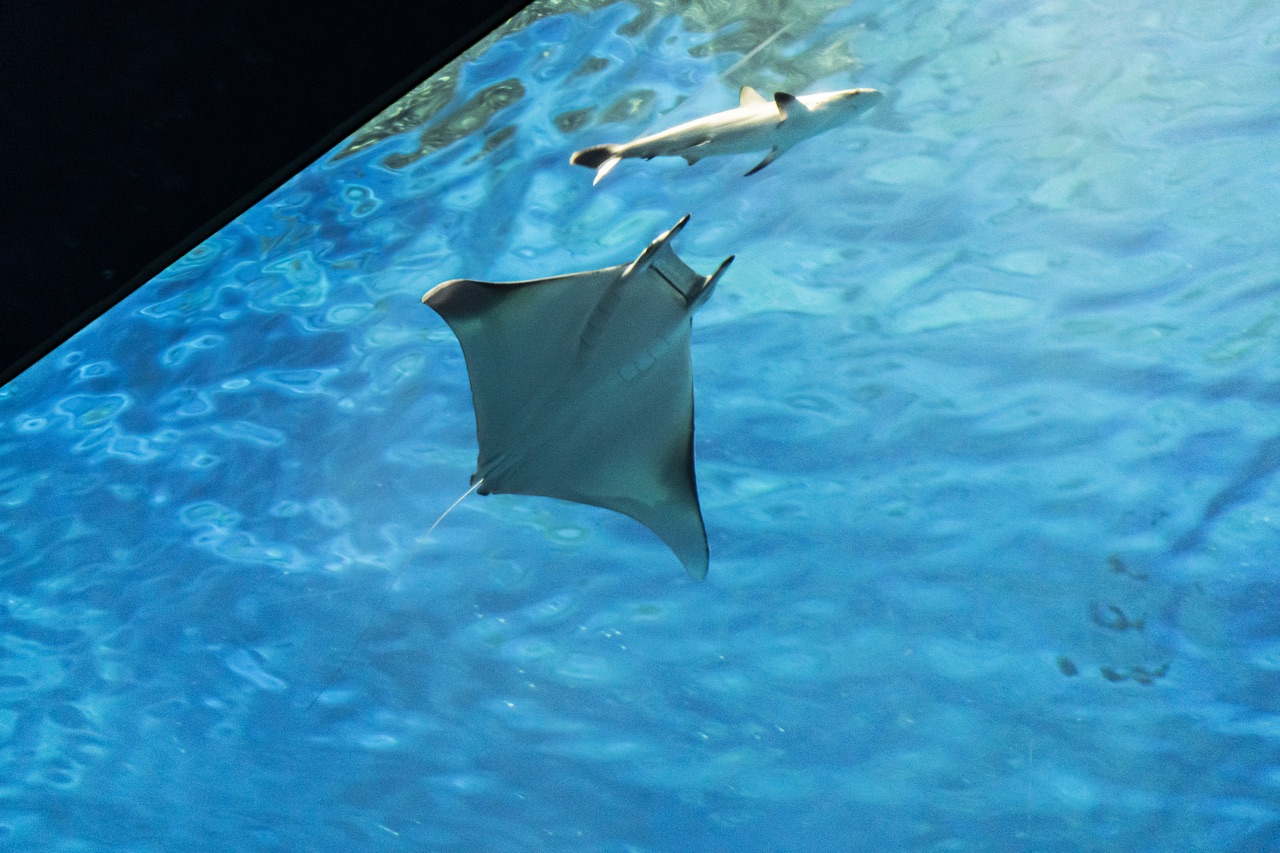
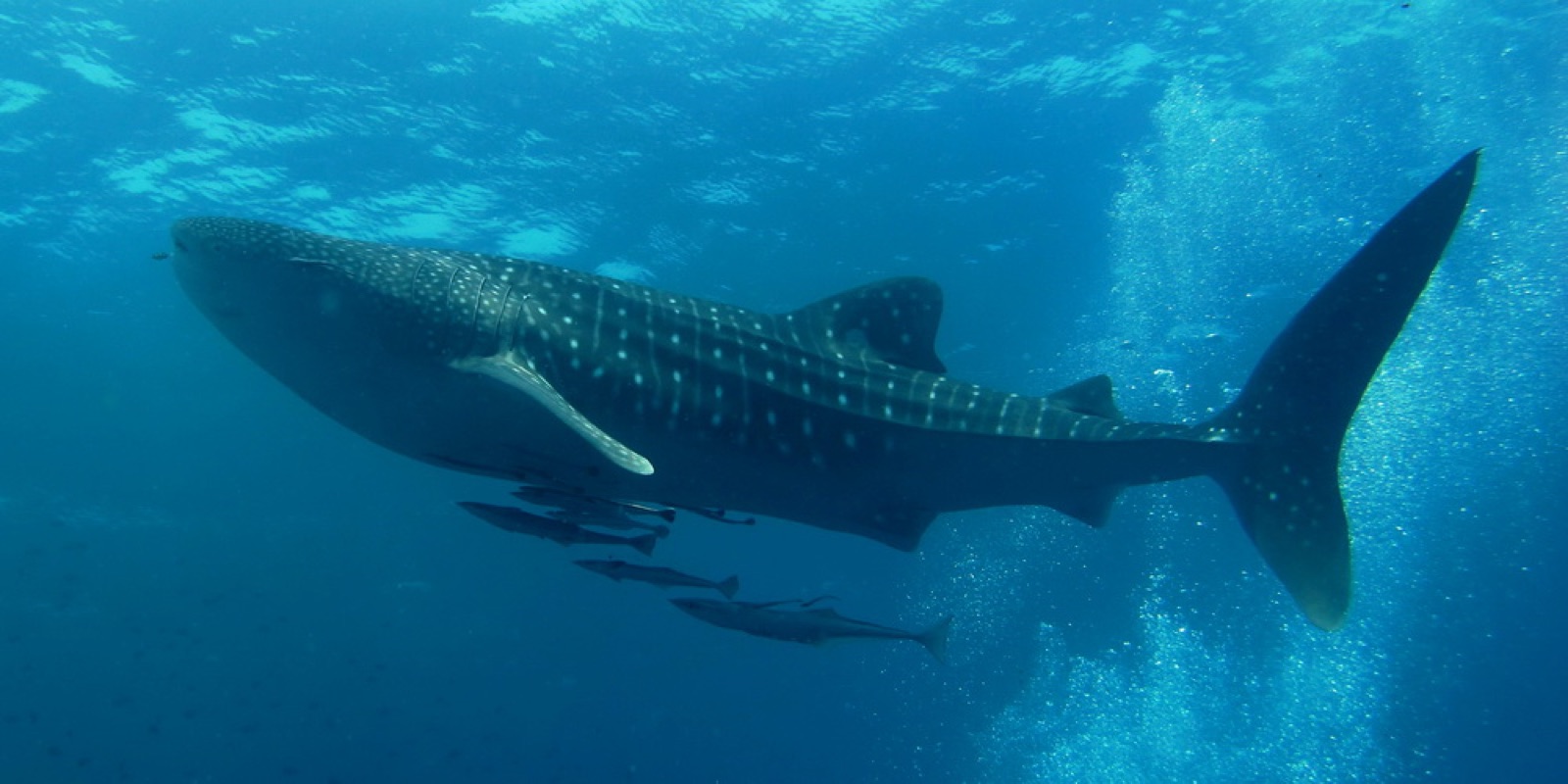
„Hier kartiert" – Arten wurden von unseren Redakteuren anhand der Quellen auf dieser Seite erfasst. Die Zahlen sind GBIF-Vorkommensdatensätze: Beobachtungen, die seit 1990 im Umkreis von etwa 5 km um die kartierte Position protokolliert wurden, ausschließlich abgeglichen mit den Arten in unserem Katalog. Sie zeigen, was dort gesichtet wurde – keine Garantie, was du sehen wirst.
Für Fotografen
Weitwinkel: ★★★★☆ · Makro: ★☆☆☆☆ (Redaktionelle 1–5-Bewertung, was dieser Platz für jeden Fotografie-Stil bietet)