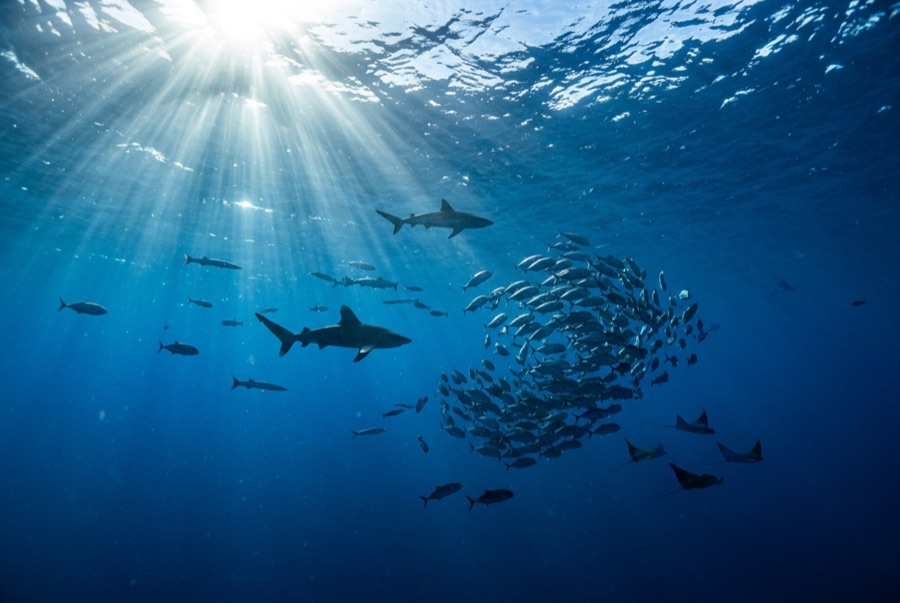
Nosy Be Whale Shark Grounds
Depth is the range from the top of the site to its usual maximum; "recommended cert" is the mainstream-agency level operators usually ask for, not a legal rule. Currents and visibility change daily, so treat everything here as planning ranges.
From roughly September to December, juvenile whale sharks gather around Nosy Be to feed, and the island has grown into Madagascar's whale shark hub, complete with a dedicated research project cataloguing individuals. Trips run as boat-based snorkel searches: spotters track feeding slicks and seabird activity, then swimmers enter ahead of a cruising shark and let it pass. Mobula rays often shadow the same plankton patches, Omura's whales surface in the wider channel, and dolphins salt the crossings. Operators signed up to the local code of conduct keep distances honest. Pick one, because crowding is the season's chronic temptation.
The moment you come for: Snorkel encounters with feeding juvenile whale sharks, mobulas alongside
Topography: Plankton-rich channels and open water around Nosy Be; no fixed seabed reference
Current: Open but usually calm dry-season water around the island; encounters are surface events.
Know before you splash
Hazards: Boat congestion around sharks in peak weeks; open-water swims for mixed-ability groups.
Conservation: Follow the regional code of conduct: limited swimmers per shark, three-meter distance, no touching, boats out of gear near animals.
Who you'll meet
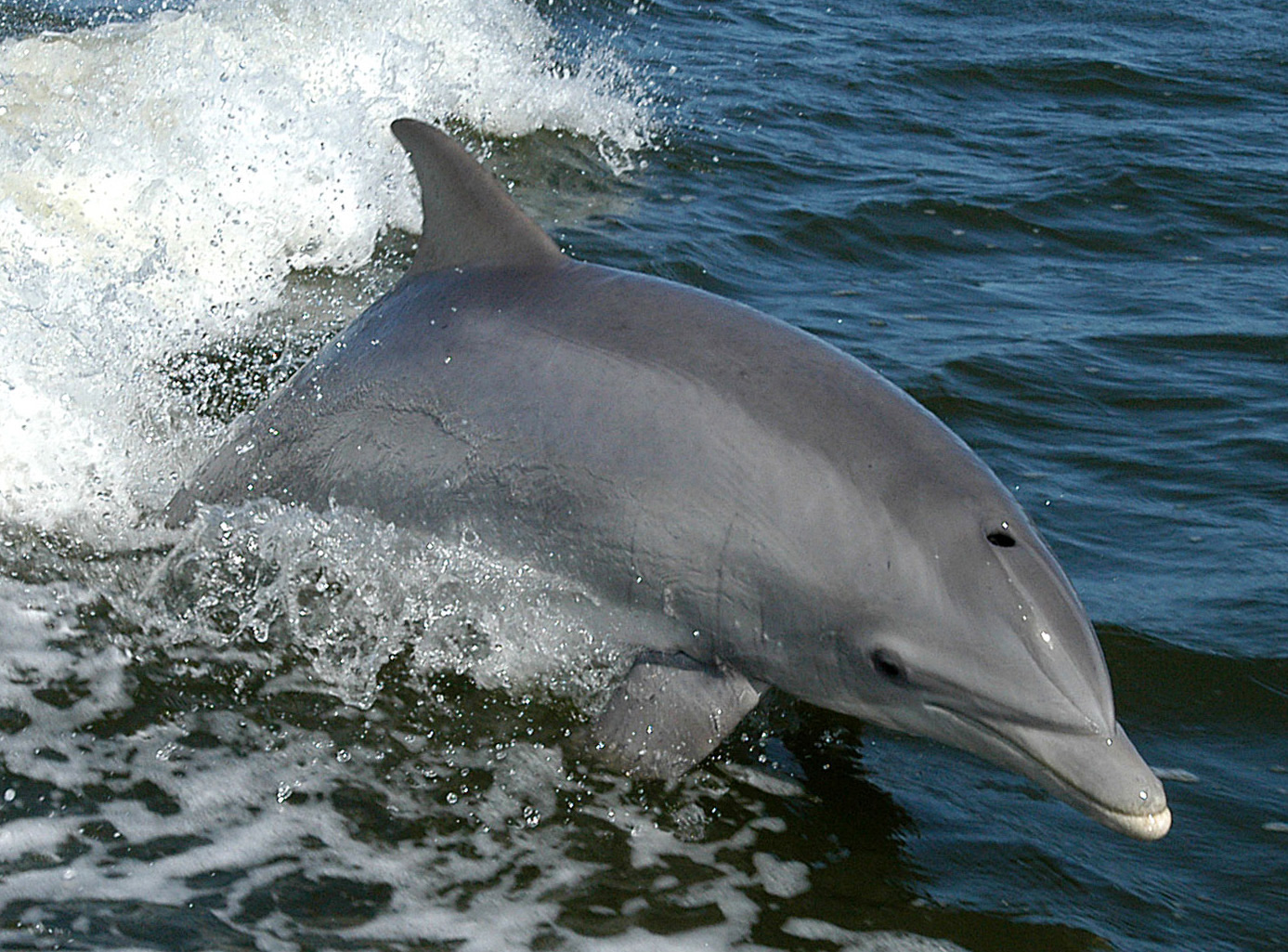
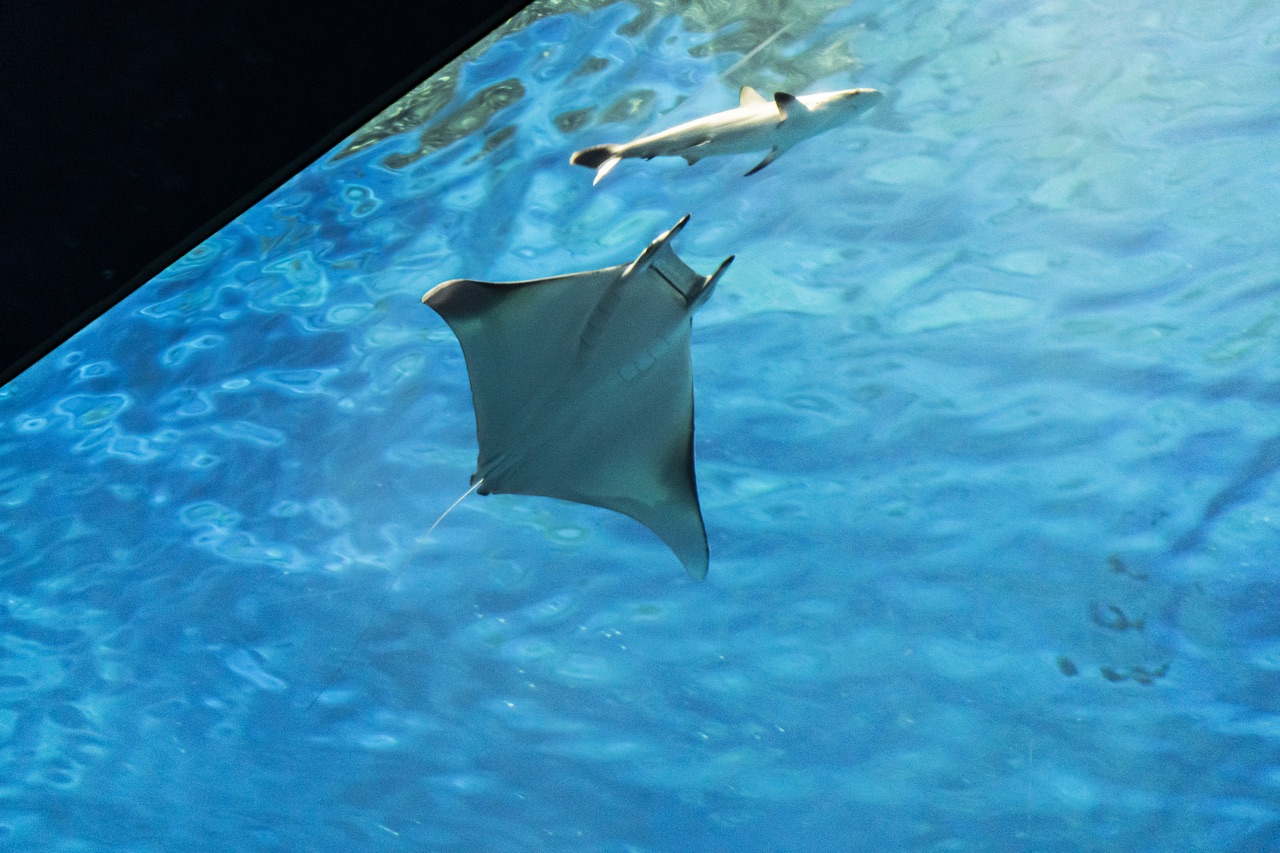
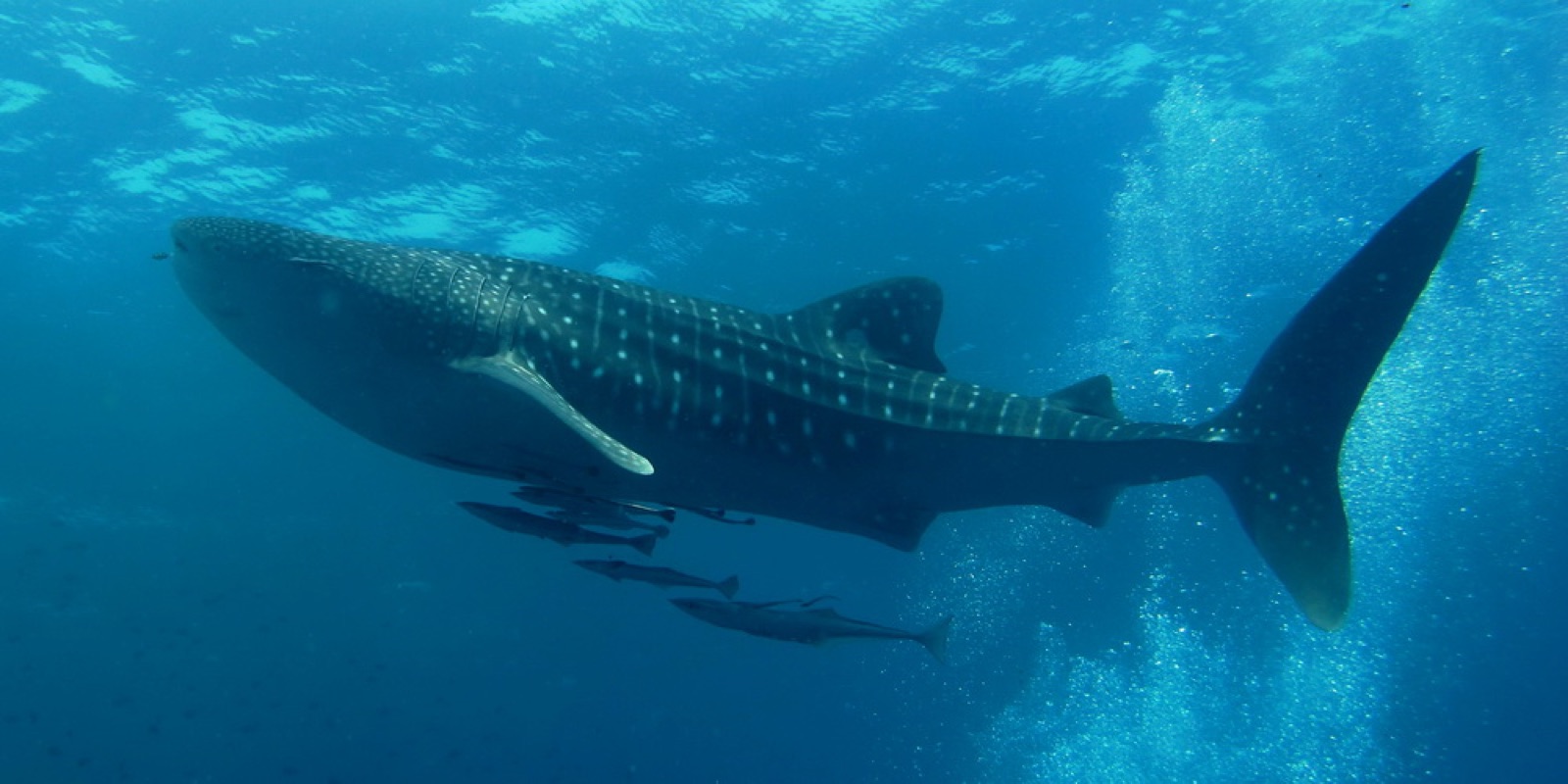
"Charted here" species were listed by our editors from the sources on this page. Counts are GBIF occurrence records: observations logged within about 5 km of the charted position since 1990, matched only against the species in our catalogue. They show what has been seen there, not a promise of what you will see.
For photographers
Wide angle: ★★★★☆ · Macro: ★☆☆☆☆ (editors' 1–5 rating of what this site gives each style of shooting)