Nosy Be Whale Shark Grounds
Kedalaman adalah rentang dari bagian teratas lokasi hingga maksimum biasanya; "sertifikasi yang disarankan" adalah level agen arus utama yang biasanya diminta operator, bukan aturan hukum. Arus dan visibilitas berubah setiap hari, jadi anggap semua ini sebagai rentang perencanaan.
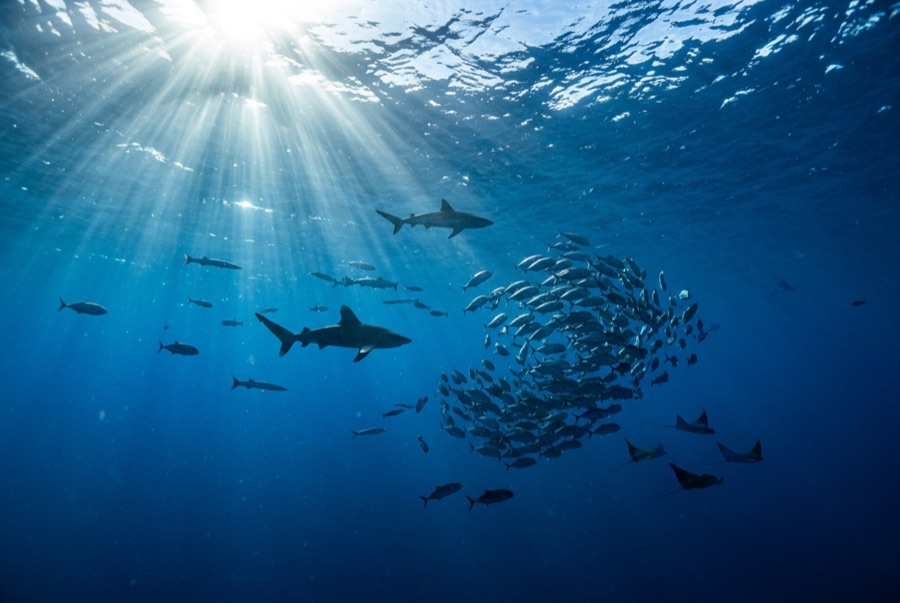
From roughly September to December, juvenile whale sharks gather around Nosy Be to feed, and the island has grown into Madagascar's whale shark hub, complete with a dedicated research project cataloguing individuals. Trips run as boat-based snorkel searches: spotters track feeding slicks and seabird activity, then swimmers enter ahead of a cruising shark and let it pass. Mobula rays often shadow the same plankton patches, Omura's whales surface in the wider channel, and dolphins salt the crossings. Operators signed up to the local code of conduct keep distances honest. Pick one, because crowding is the season's chronic temptation.
Momen yang Anda nantikan: Snorkel encounters with feeding juvenile whale sharks, mobulas alongside
Topografi: Plankton-rich channels and open water around Nosy Be; no fixed seabed reference
Arus: Open but usually calm dry-season water around the island; encounters are surface events.
Ketahui sebelum kamu nyebur
Bahaya: Boat congestion around sharks in peak weeks; open-water swims for mixed-ability groups.
Konservasi: Follow the regional code of conduct: limited swimmers per shark, three-meter distance, no touching, boats out of gear near animals.
Siapa yang akan kamu temui
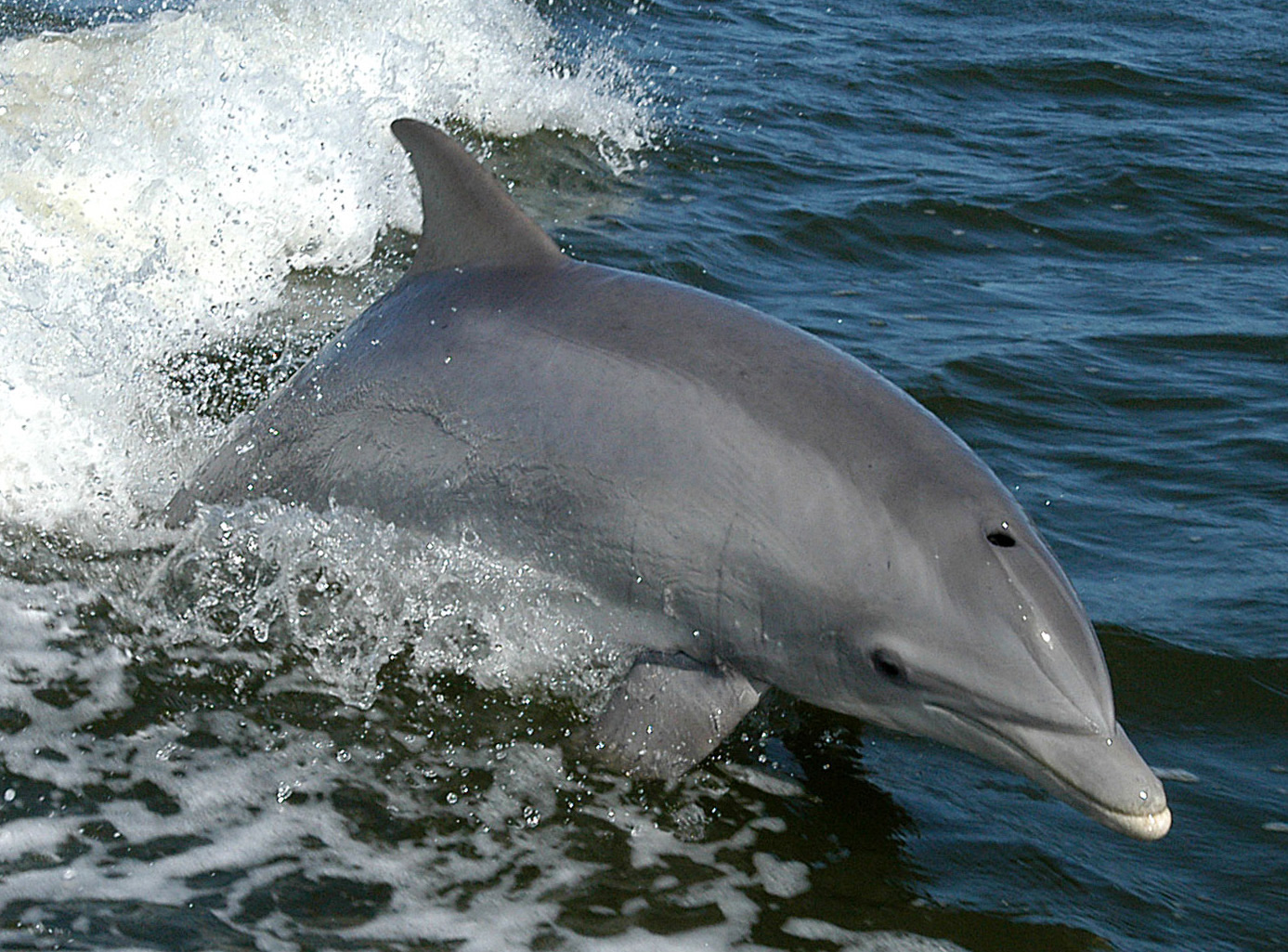
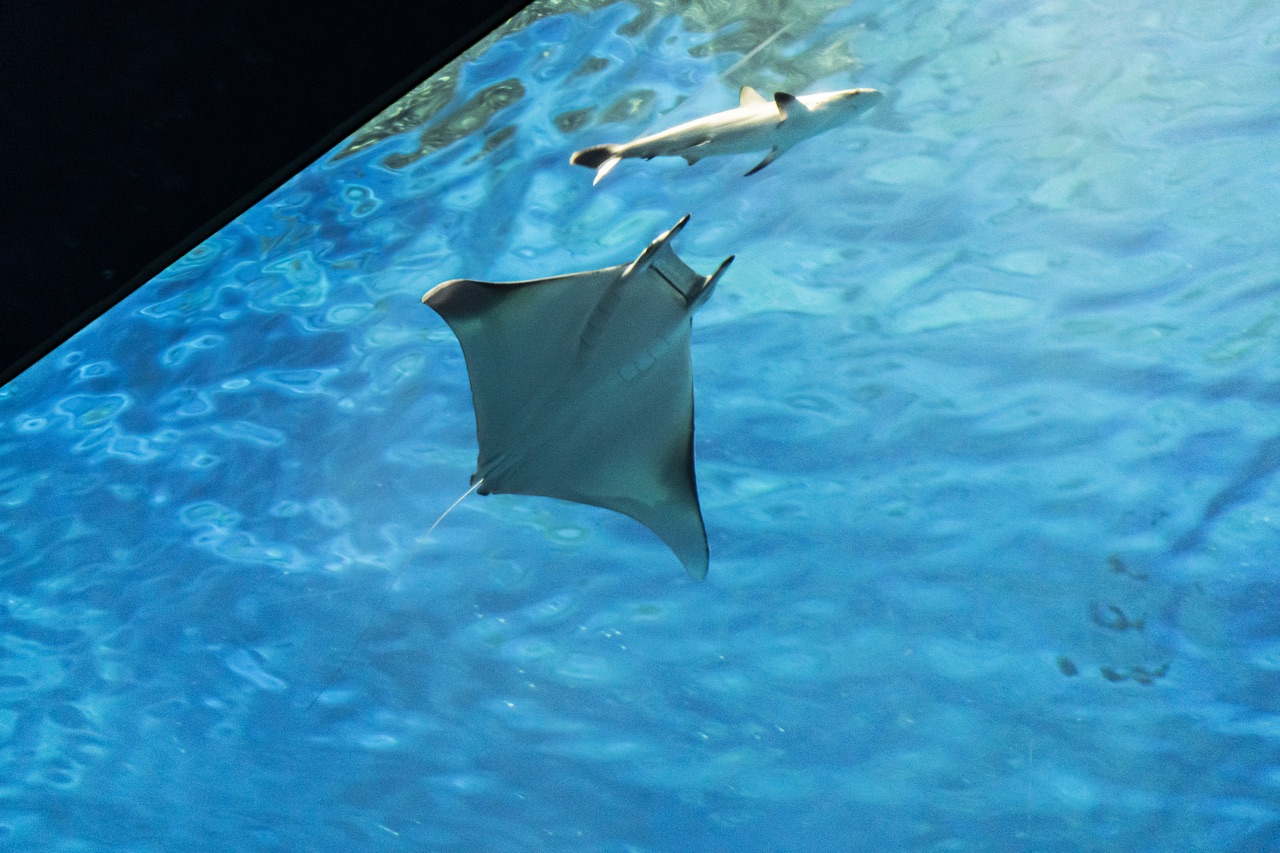
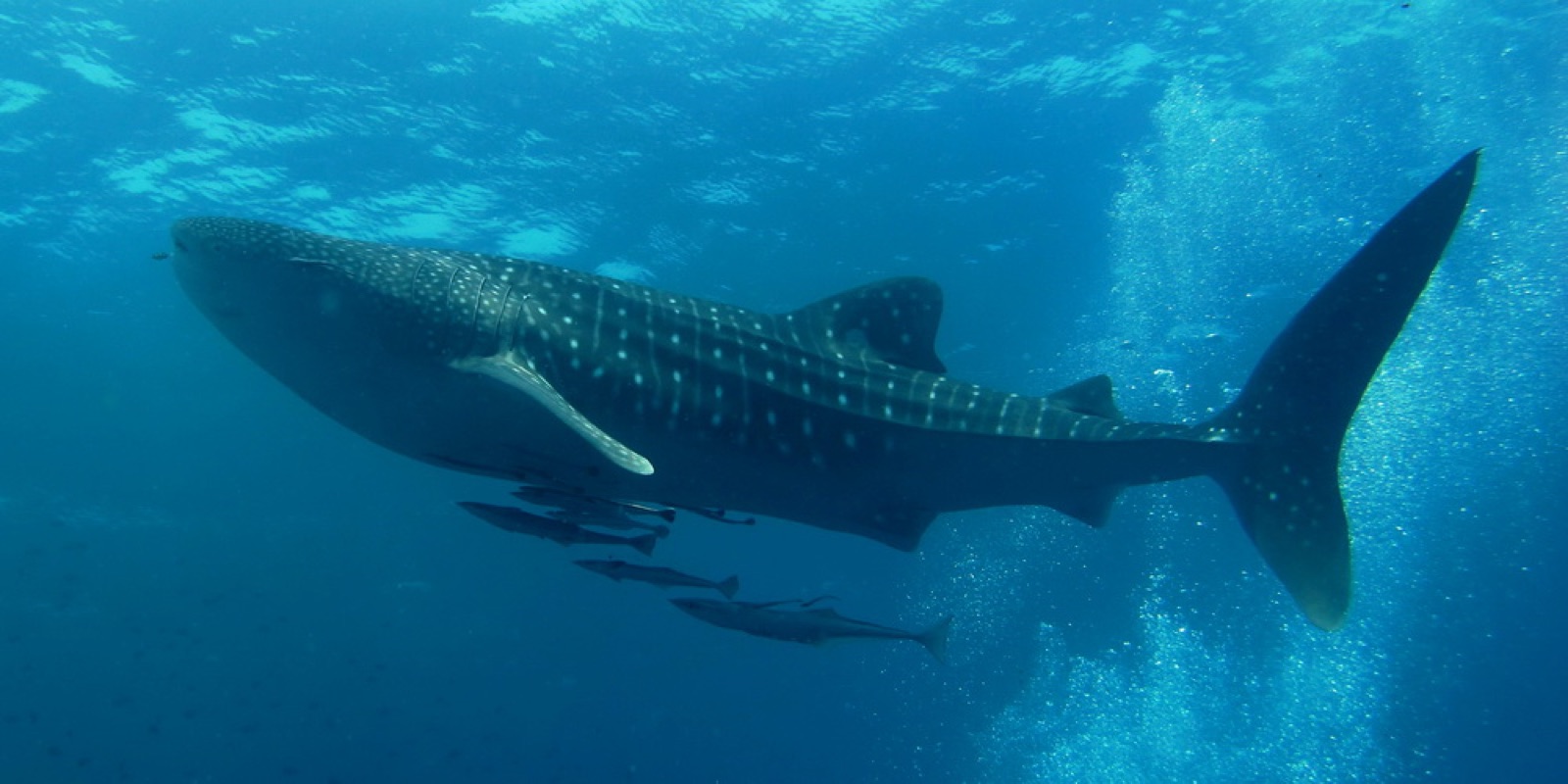
Spesies yang "Terpetakan di sini" dicantumkan oleh editor kami dari sumber-sumber di halaman ini. Jumlahnya merupakan catatan kemunculan GBIF: observasi yang dicatat dalam radius sekitar 5 km dari posisi yang terpetakan sejak 1990, dicocokkan hanya dengan spesies dalam katalog kami. Data ini menunjukkan apa yang pernah terlihat di sana, bukan jaminan apa yang akan Anda temukan.
Untuk fotografer
Wide angle: ★★★★☆ · Makro: ★☆☆☆☆ (penilaian 1–5 dari editor tentang apa yang ditawarkan lokasi ini untuk setiap gaya pemotretan)