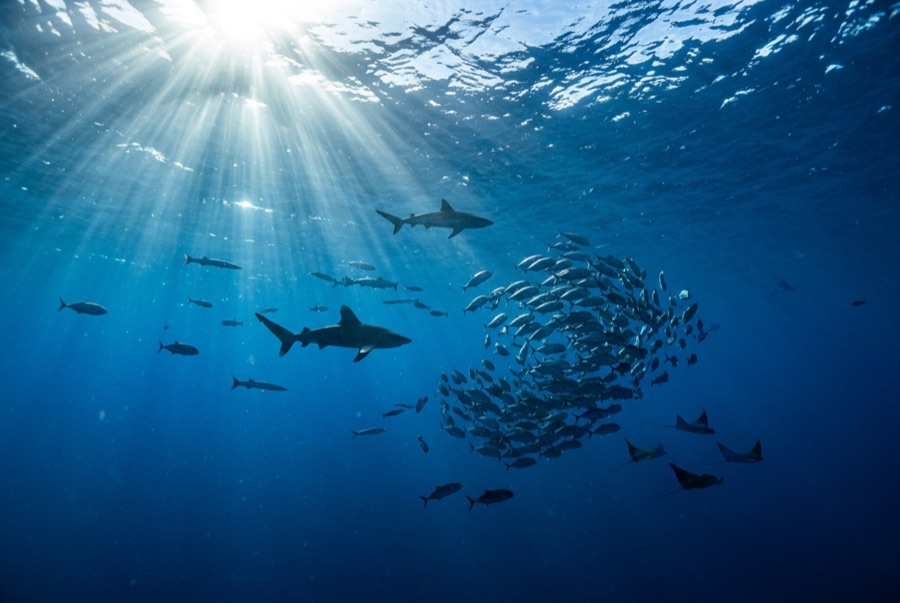
Nosy Be Whale Shark Grounds
水深はサイト上部から通常の最大深度までの範囲です。「推奨資格」は多くのオペレーターが求めるメインストリームエージェンシーのレベルであり、法的な義務ではありません。潮流と透明度は日々変わるため、ここに記載の数値はあくまで計画のための目安としてお使いください。
From roughly September to December, juvenile whale sharks gather around Nosy Be to feed, and the island has grown into Madagascar's whale shark hub, complete with a dedicated research project cataloguing individuals. Trips run as boat-based snorkel searches: spotters track feeding slicks and seabird activity, then swimmers enter ahead of a cruising shark and let it pass. Mobula rays often shadow the same plankton patches, Omura's whales surface in the wider channel, and dolphins salt the crossings. Operators signed up to the local code of conduct keep distances honest. Pick one, because crowding is the season's chronic temptation.
その瞬間のために: Snorkel encounters with feeding juvenile whale sharks, mobulas alongside
地形: Plankton-rich channels and open water around Nosy Be; no fixed seabed reference
流れ(カレント): Open but usually calm dry-season water around the island; encounters are surface events.
エントリー前に知っておこう
危険生物・リスク: Boat congestion around sharks in peak weeks; open-water swims for mixed-ability groups.
保全: Follow the regional code of conduct: limited swimmers per shark, three-meter distance, no touching, boats out of gear near animals.
出会える生物
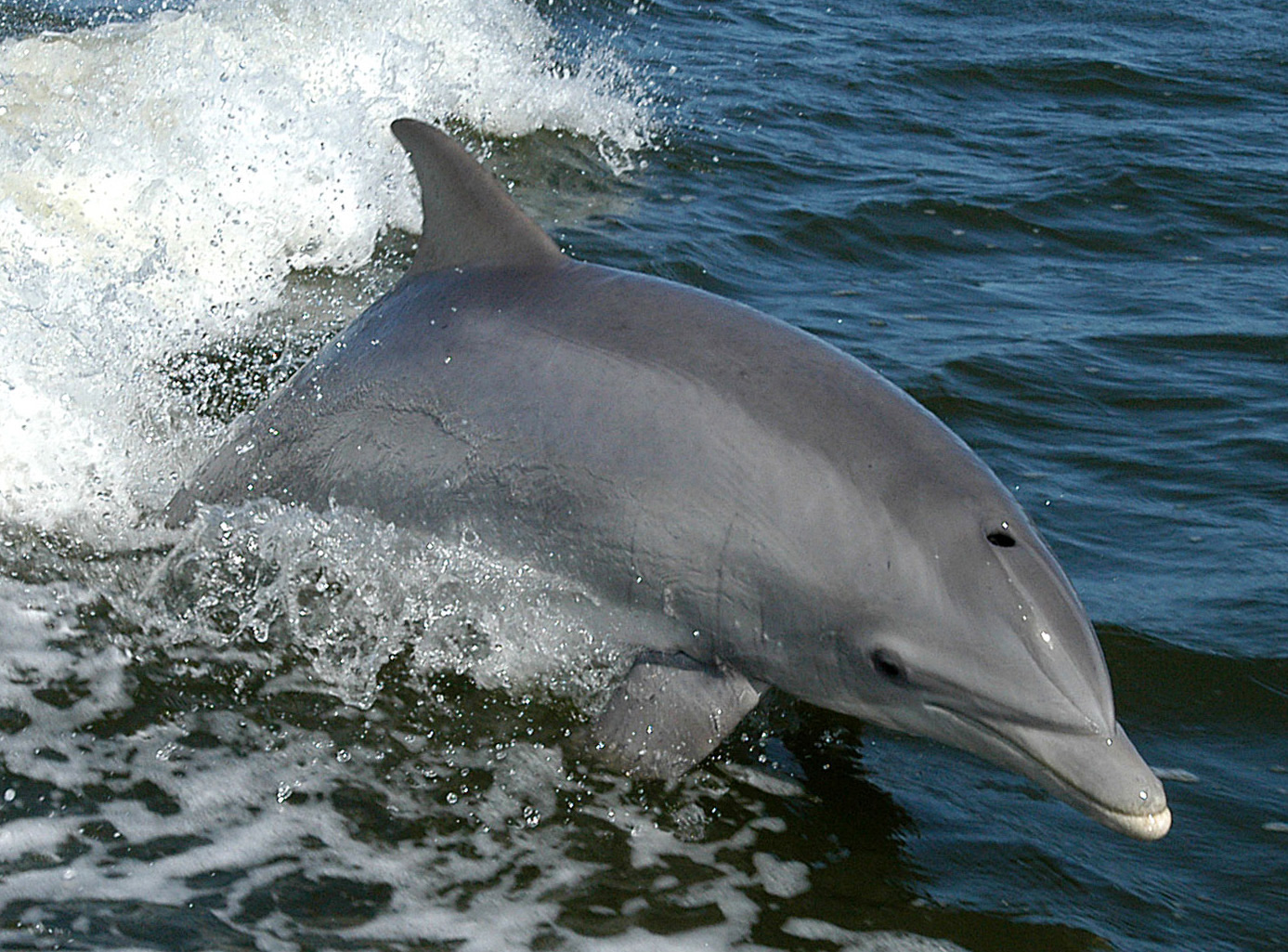
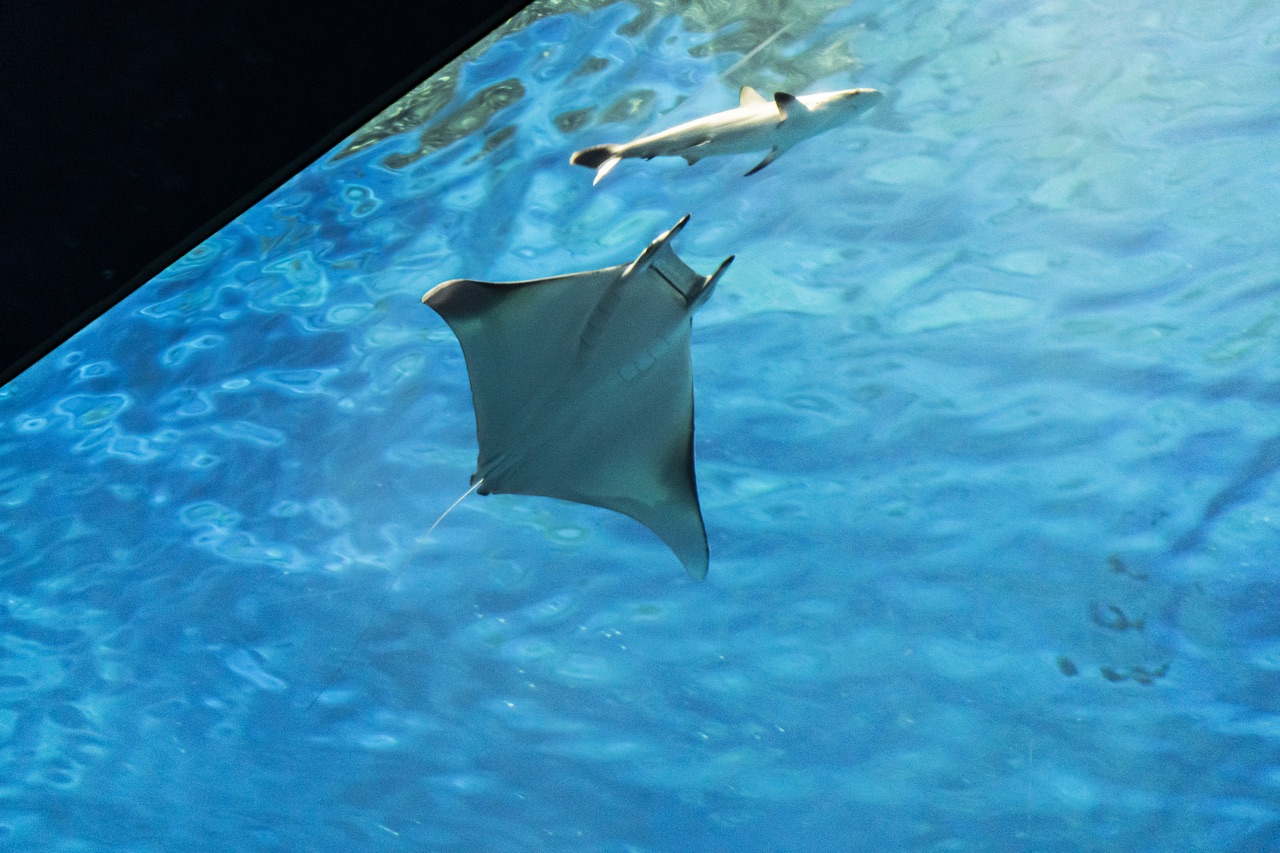
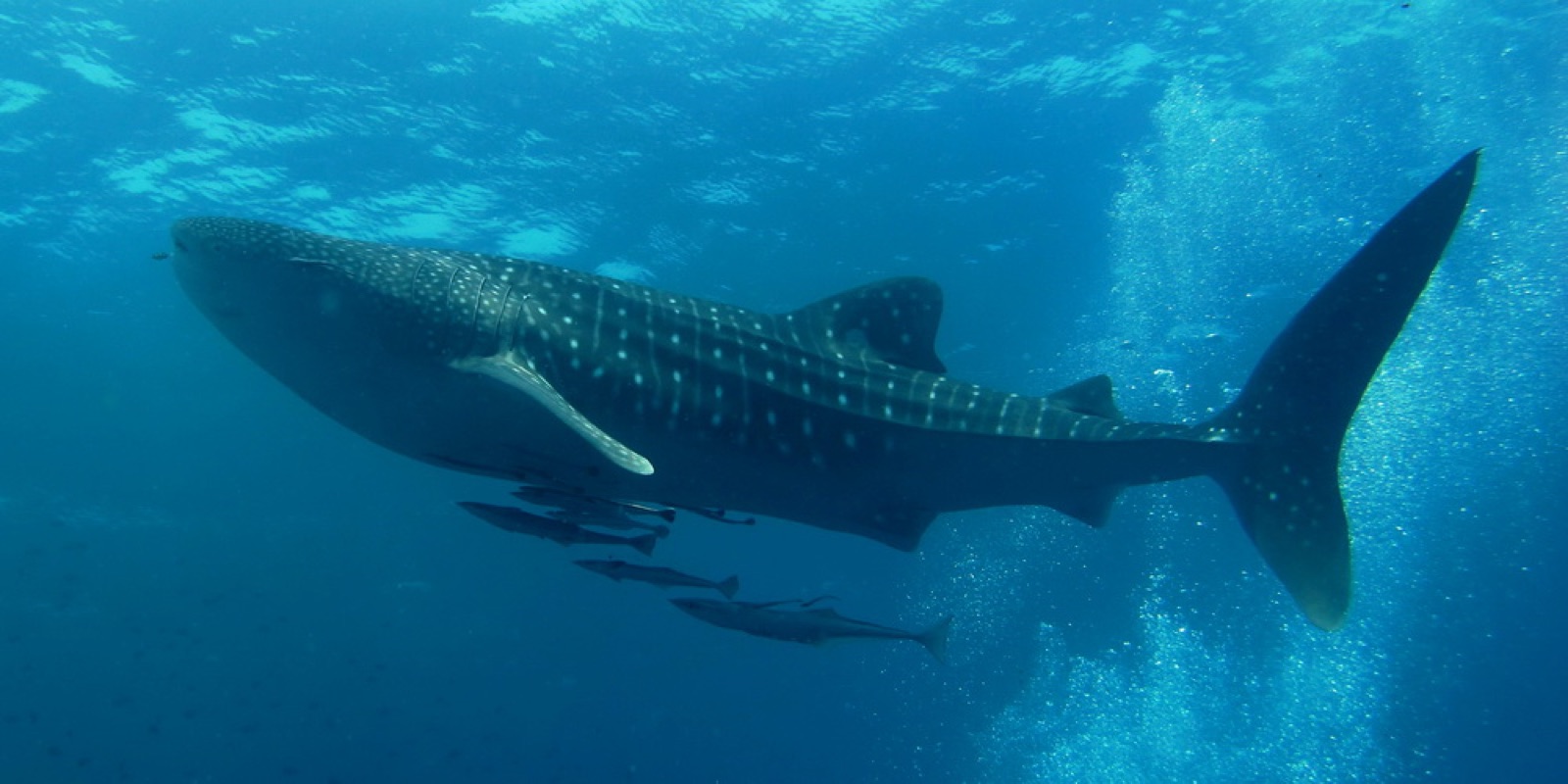
「ここに記載」の生物種は、このページの情報源をもとに編集部が登録したものです。件数はGBIFの出現記録数で、1990年以降に登録地点から約5km以内で記録された観察データのうち、当サイトのカタログ掲載種に一致したものです。そこで実際に目撃された記録であり、潜水時の遭遇を保証するものではありません。
水中フォトグラファー向け
ワイドアングル: ★★★★☆ · マクロ: ★☆☆☆☆ (各撮影スタイルに対するこのサイトの評価(編集部による1〜5点))