Nosy Be Whale Shark Grounds
De diepte is de range van de bovenkant van de site tot het gebruikelijke maximum; "aanbevolen brevet" is het niveau dat operators doorgaans vragen volgens de grote opleidingsorganisaties, geen wettelijke verplichting. Stromingen en zicht veranderen dagelijks, dus beschouw alles hier als planningsranges.
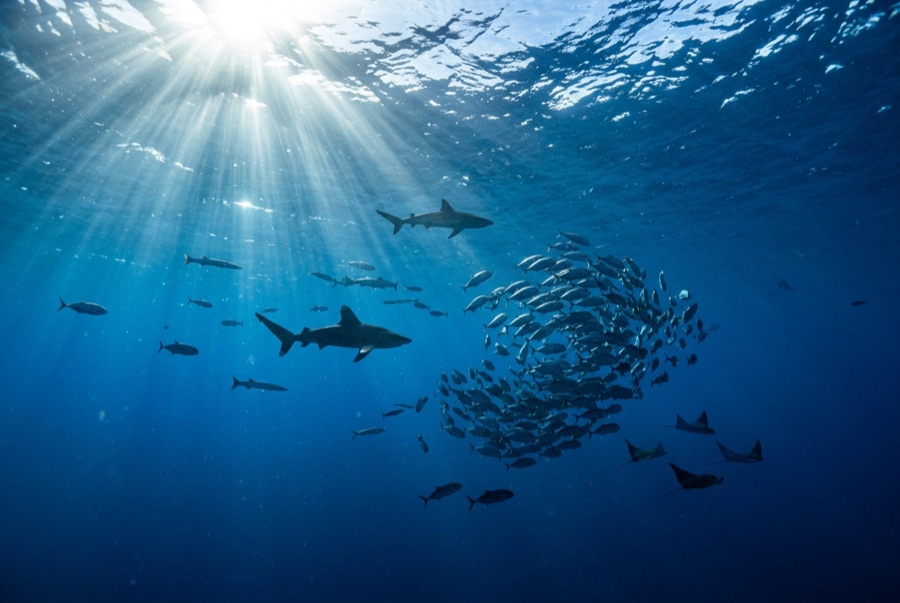
From roughly September to December, juvenile whale sharks gather around Nosy Be to feed, and the island has grown into Madagascar's whale shark hub, complete with a dedicated research project cataloguing individuals. Trips run as boat-based snorkel searches: spotters track feeding slicks and seabird activity, then swimmers enter ahead of a cruising shark and let it pass. Mobula rays often shadow the same plankton patches, Omura's whales surface in the wider channel, and dolphins salt the crossings. Operators signed up to the local code of conduct keep distances honest. Pick one, because crowding is the season's chronic temptation.
Het moment waar je voor komt: Snorkel encounters with feeding juvenile whale sharks, mobulas alongside
Topografie: Plankton-rich channels and open water around Nosy Be; no fixed seabed reference
Stroming: Open but usually calm dry-season water around the island; encounters are surface events.
Weet dit voordat je het water in gaat
Gevaren: Boat congestion around sharks in peak weeks; open-water swims for mixed-ability groups.
Behoud: Follow the regional code of conduct: limited swimmers per shark, three-meter distance, no touching, boats out of gear near animals.
Wie je tegenkomt
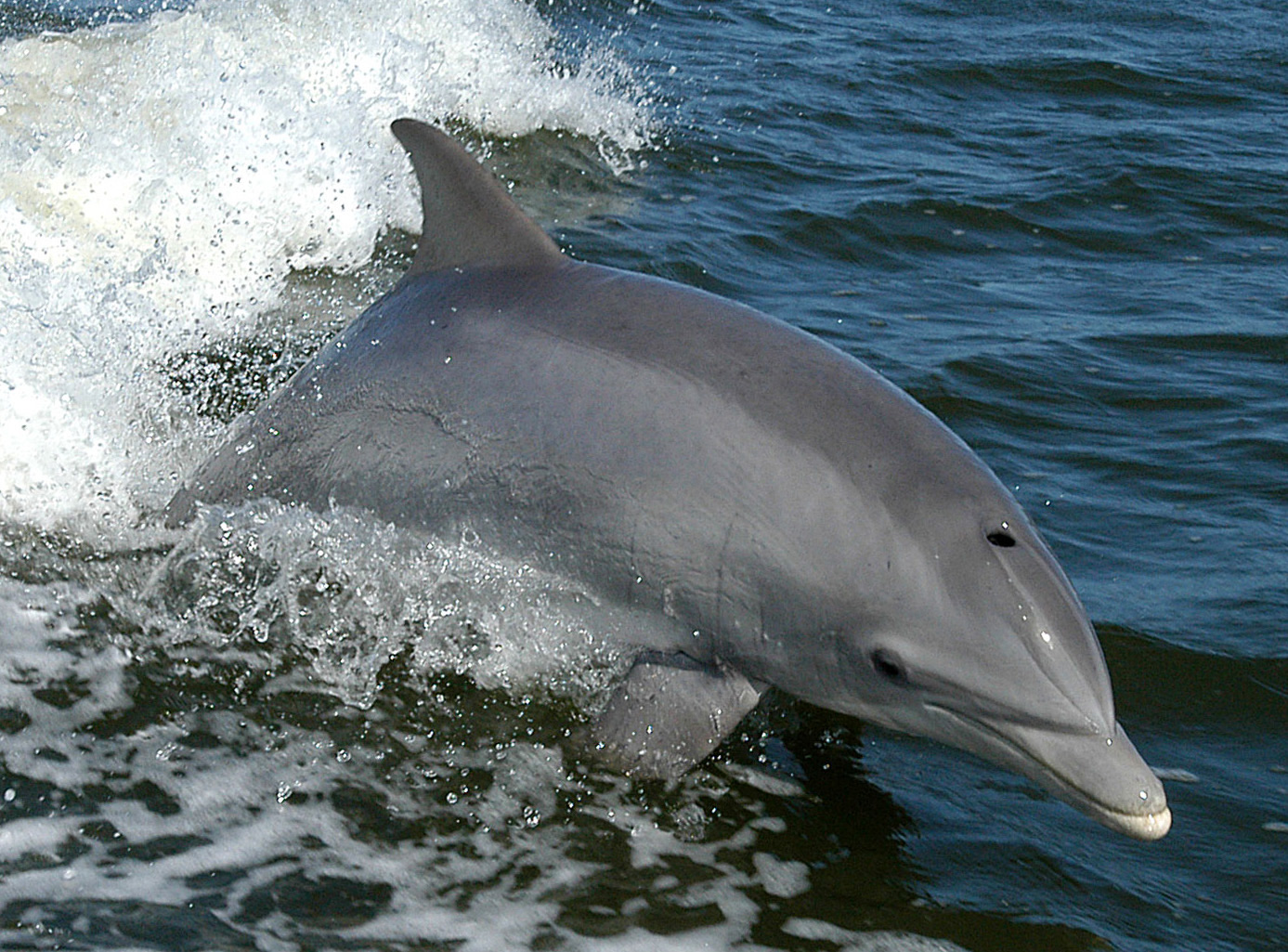
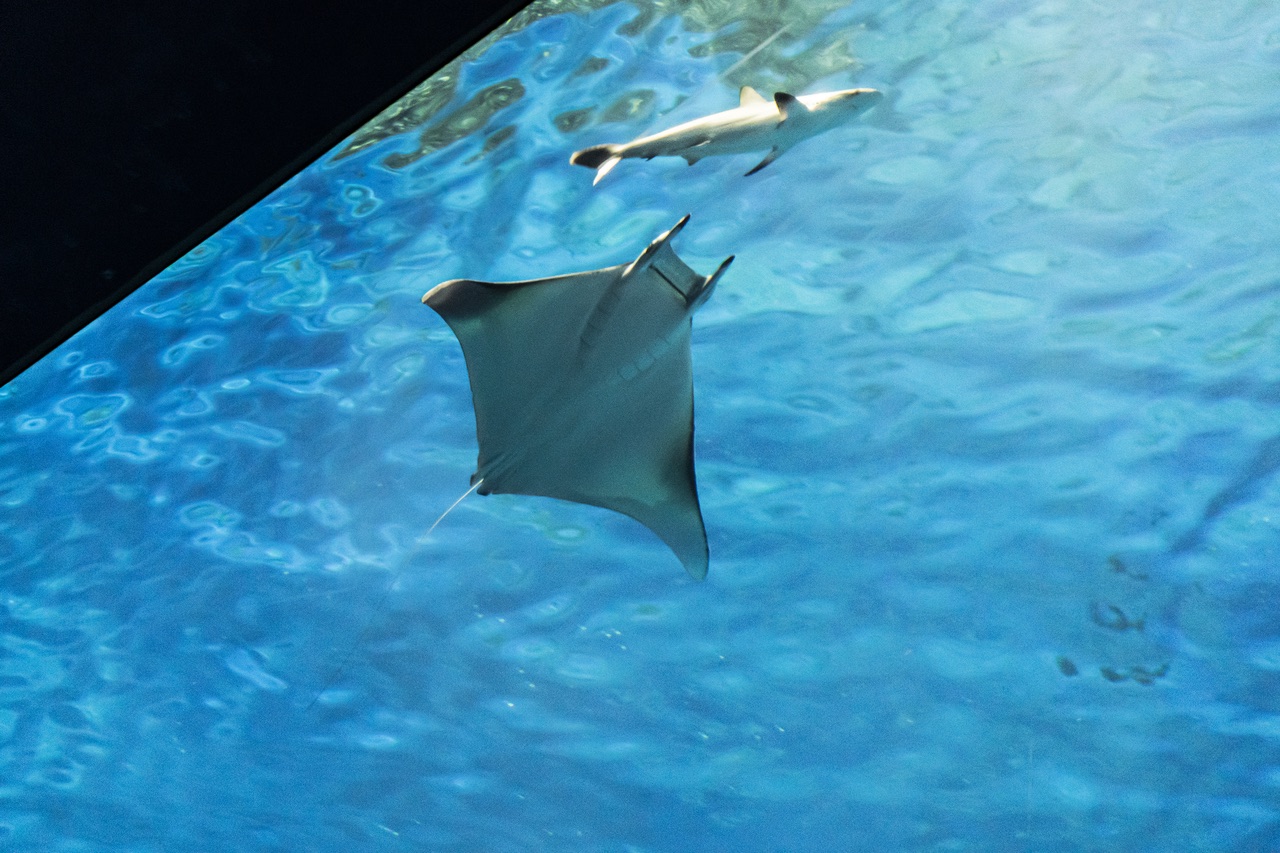
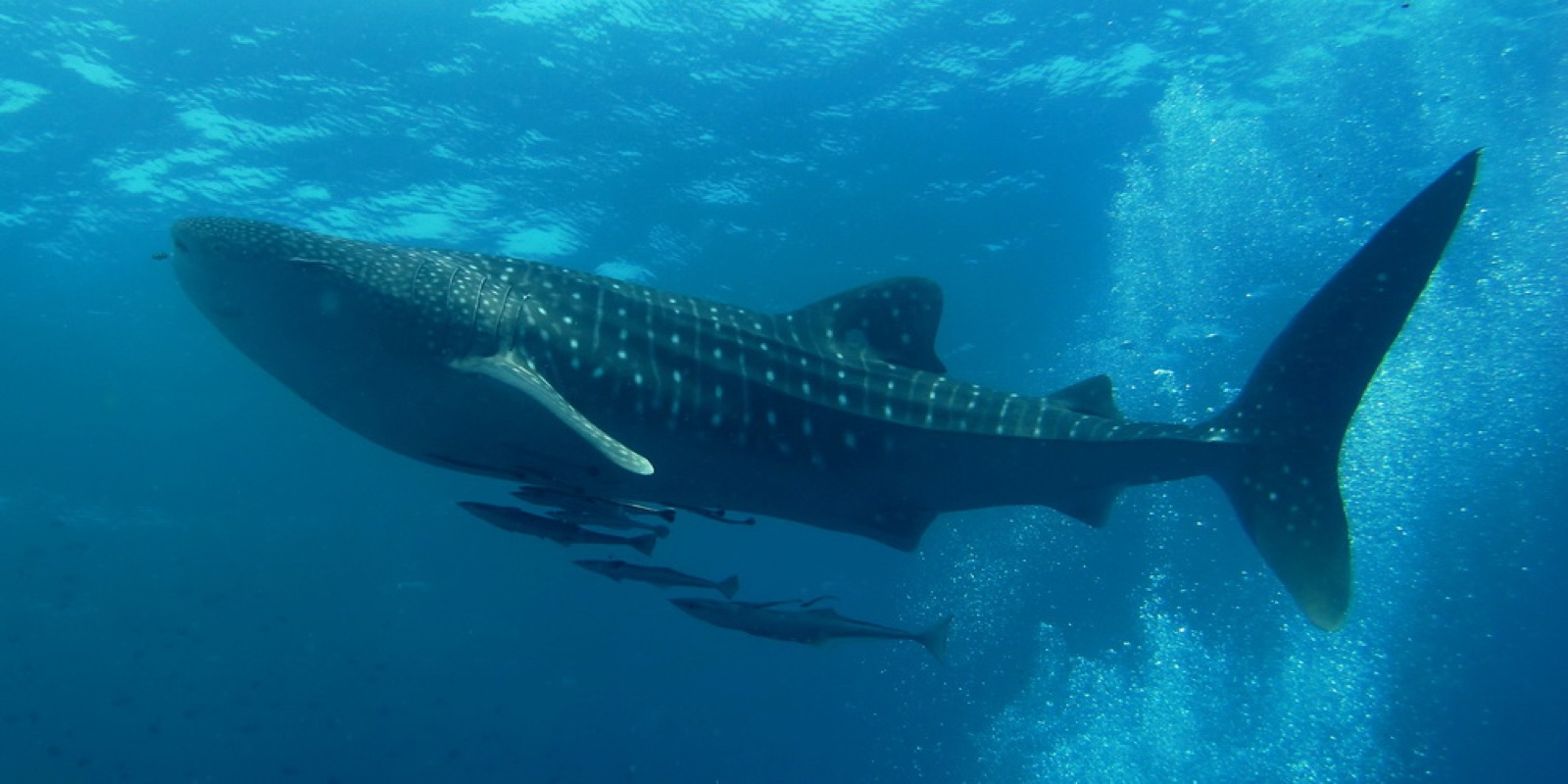
"Hier in kaart gebracht" soorten zijn door onze redacteurs toegevoegd op basis van de bronnen op deze pagina. Aantallen zijn GBIF-waarnemingsrecords: observaties vastgelegd binnen ongeveer 5 km van de aangegeven positie sinds 1990, uitsluitend vergeleken met de soorten in onze catalogus. Ze laten zien wat er is waargenomen, niet wat je zeker zult zien.
Voor fotografen
Groothoek: ★★★★☆ · Macro: ★☆☆☆☆ (redacteursbeoordeling 1–5 van wat deze locatie biedt voor elke fotostijl)