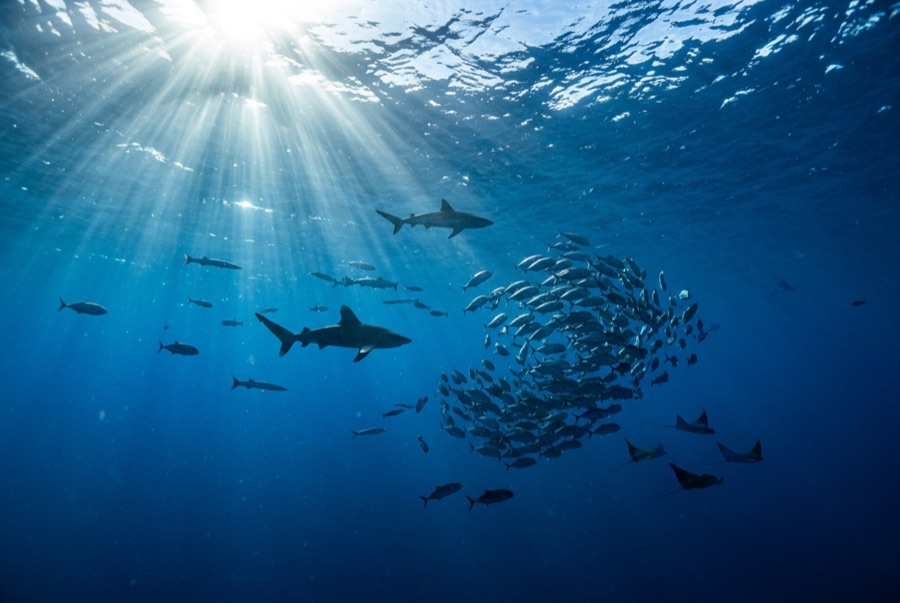
Nosy Be Whale Shark Grounds
Derinlik, dalış noktasının tepesinden olağan maksimumuna kadar olan aralıktır; "önerilen sertifika" ise operatörlerin genellikle talep ettiği ana akım ajans düzeyidir, yasal bir kural değildir. Akıntı ve görüş her gün değişir, bu nedenle buradaki her şeyi planlama aralığı olarak değerlendirin.
From roughly September to December, juvenile whale sharks gather around Nosy Be to feed, and the island has grown into Madagascar's whale shark hub, complete with a dedicated research project cataloguing individuals. Trips run as boat-based snorkel searches: spotters track feeding slicks and seabird activity, then swimmers enter ahead of a cruising shark and let it pass. Mobula rays often shadow the same plankton patches, Omura's whales surface in the wider channel, and dolphins salt the crossings. Operators signed up to the local code of conduct keep distances honest. Pick one, because crowding is the season's chronic temptation.
Tam da bunun için geldiğiniz an: Snorkel encounters with feeding juvenile whale sharks, mobulas alongside
Topografya: Plankton-rich channels and open water around Nosy Be; no fixed seabed reference
Akıntı: Open but usually calm dry-season water around the island; encounters are surface events.
Suya girmeden önce bilinmesi gerekenler
Tehlikeler: Boat congestion around sharks in peak weeks; open-water swims for mixed-ability groups.
Koruma: Follow the regional code of conduct: limited swimmers per shark, three-meter distance, no touching, boats out of gear near animals.
Kimlerle karşılaşacaksınız
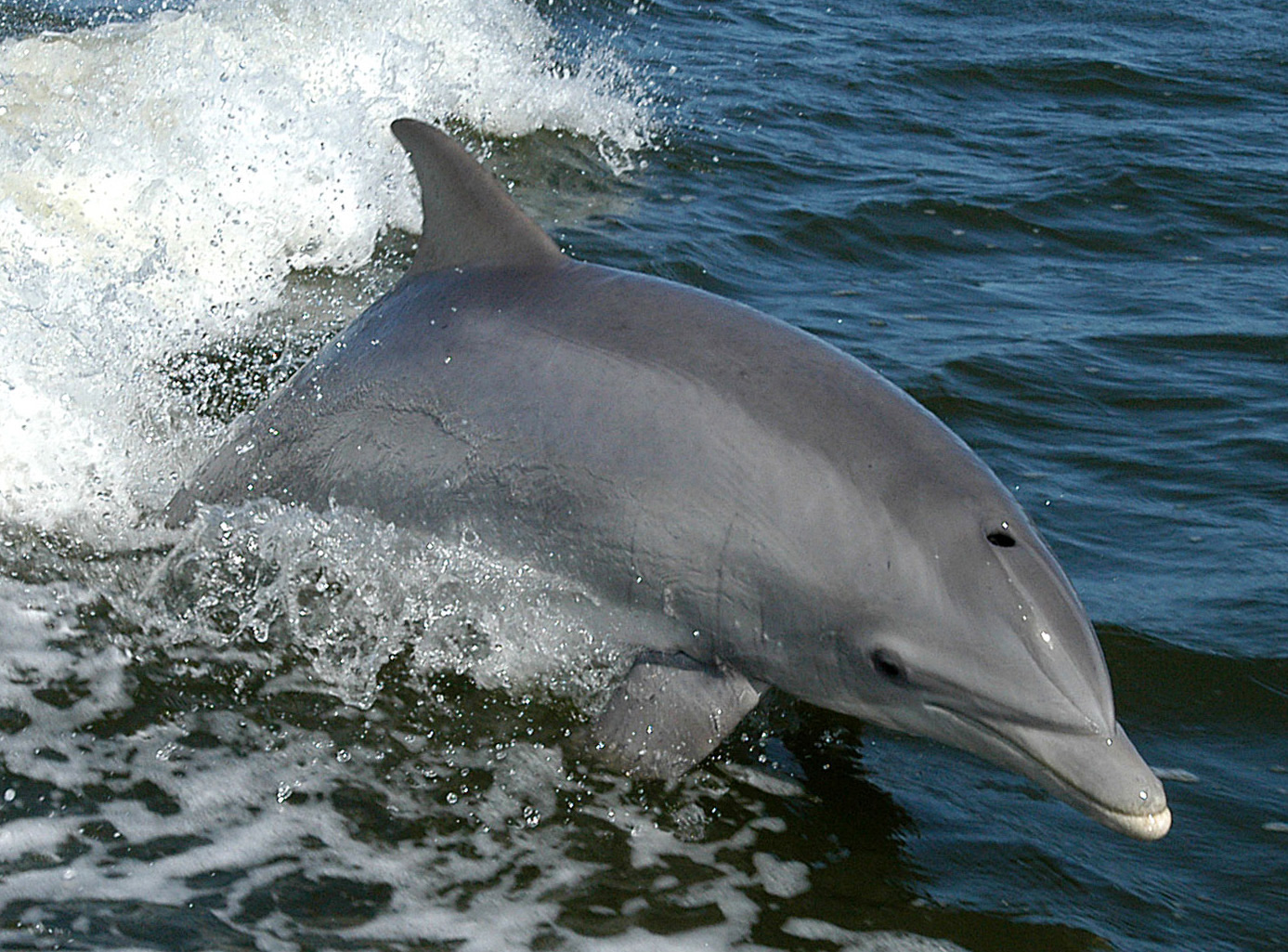
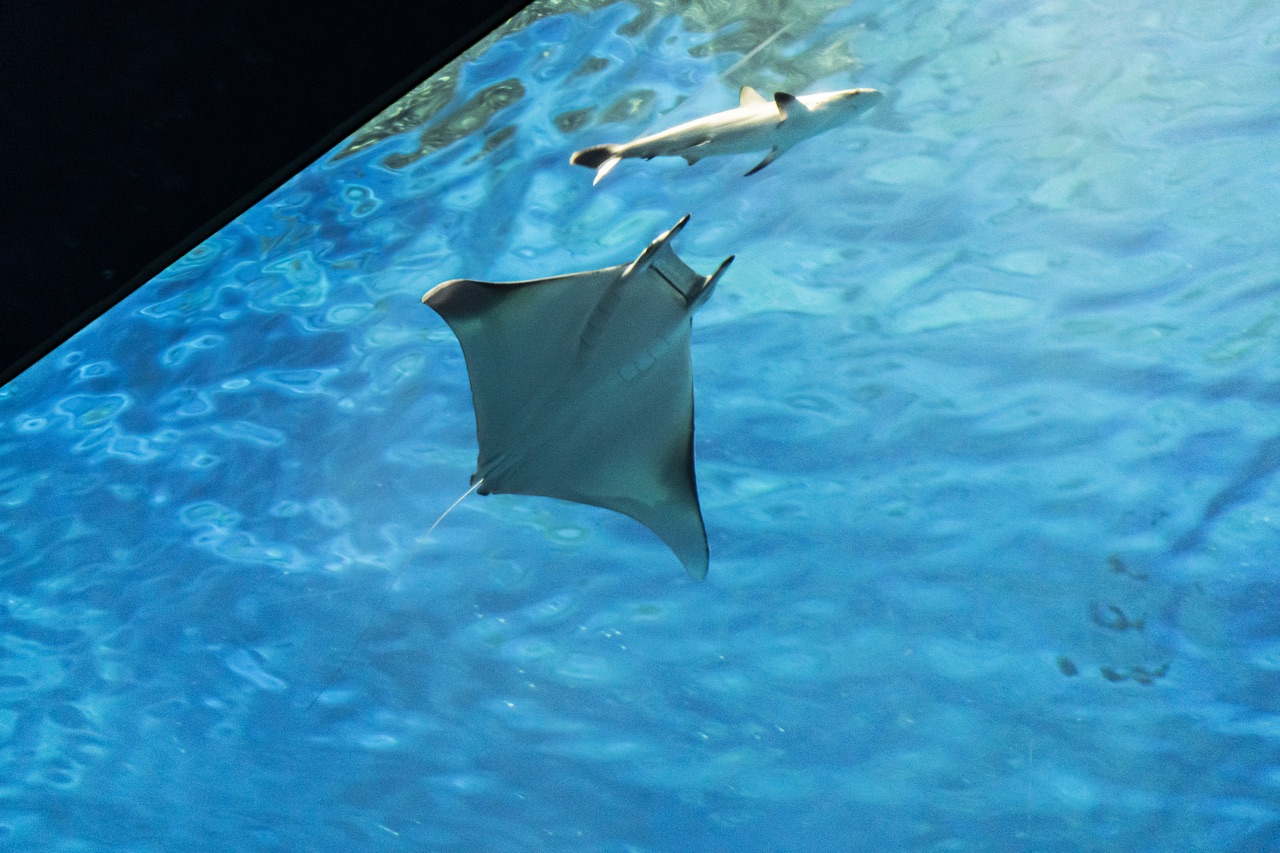
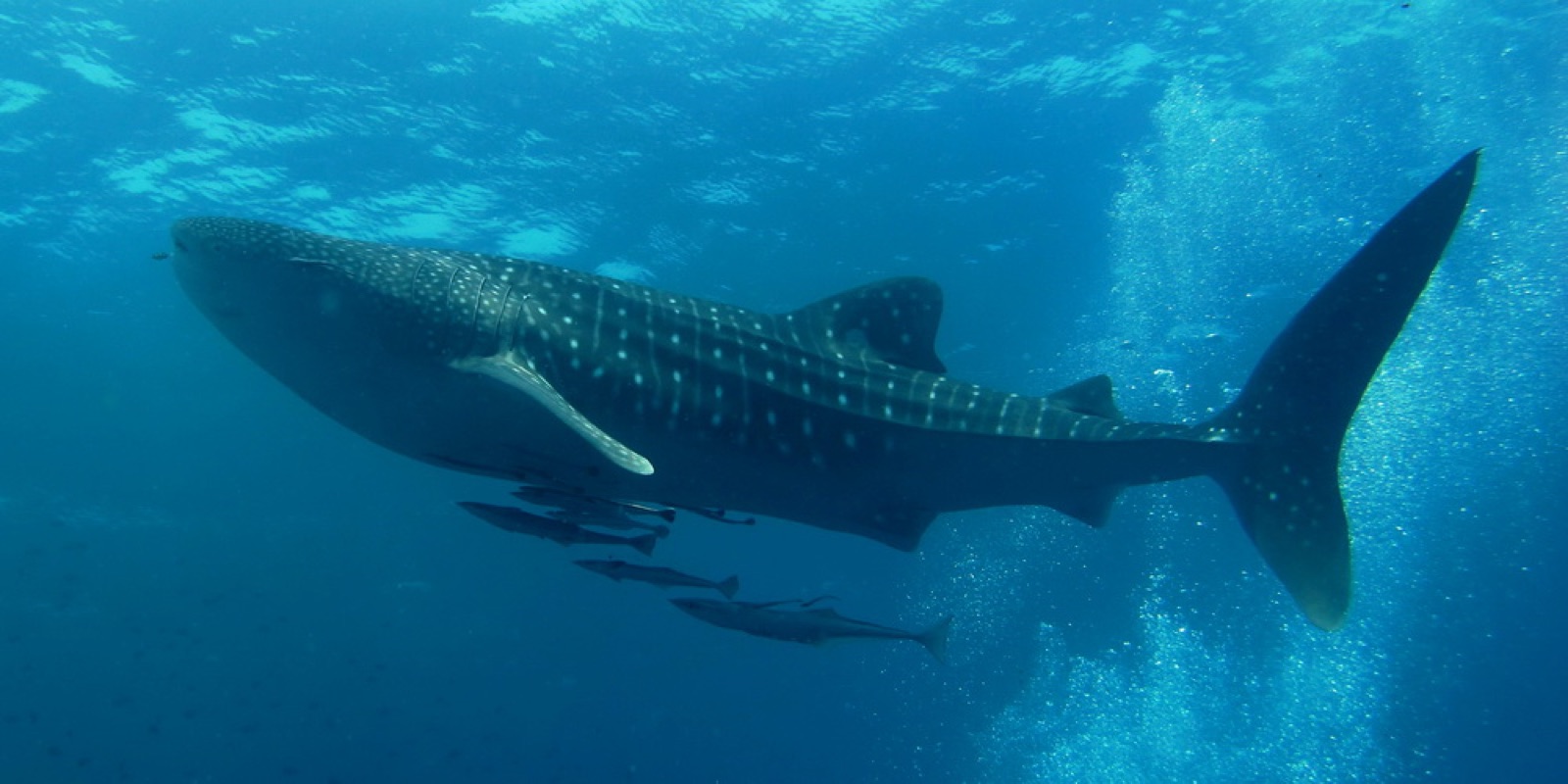
"Burada haritalanan" türler, editörlerimiz tarafından bu sayfadaki kaynaklardan listelenmiştir. Sayılar, GBIF kayıt sayılarıdır: 1990'dan itibaren haritalanan konumun yaklaşık 5 km çevresinde kaydedilen ve yalnızca kataloğumuzdaki türlerle eşleştirilen gözlemlerdir. Burada nelerin görüldüğünü gösterirler; neleri göreceğinizin garantisi değildir.
Fotoğrafçılar için
Geniş açı: ★★★★☆ · Makro: ★☆☆☆☆ (editörlerin her çekim tarzı için bu noktanın sunduğunu 1–5 üzerinden değerlendirmesi)