Nosy Be Whale Shark Grounds
深度范围指从潜点顶部到通常最大深度;"建议认证等级"是运营商通常要求的主流机构等级,并非法律规定。水流和能见度每天都会变化,请将这里的所有信息视为规划参考范围。
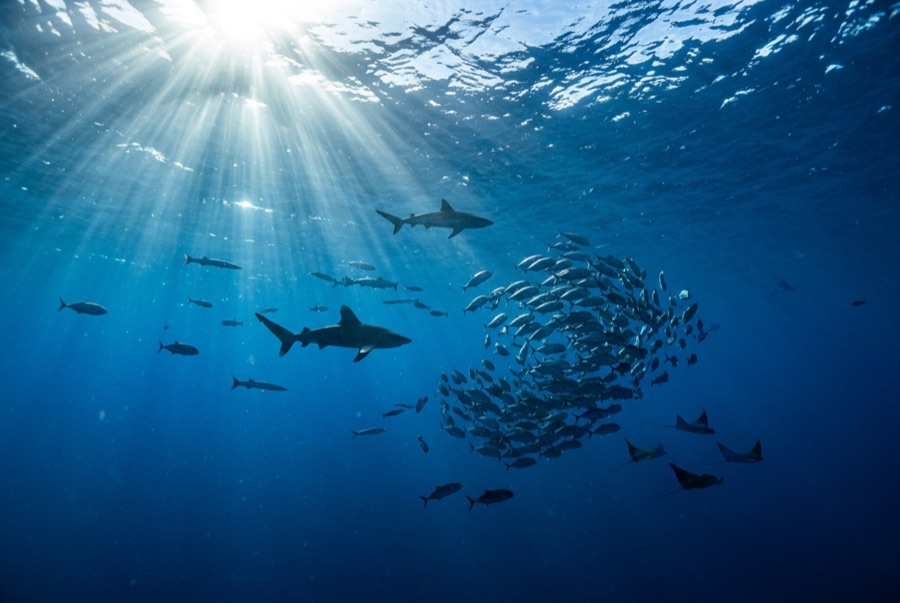
From roughly September to December, juvenile whale sharks gather around Nosy Be to feed, and the island has grown into Madagascar's whale shark hub, complete with a dedicated research project cataloguing individuals. Trips run as boat-based snorkel searches: spotters track feeding slicks and seabird activity, then swimmers enter ahead of a cruising shark and let it pass. Mobula rays often shadow the same plankton patches, Omura's whales surface in the wider channel, and dolphins salt the crossings. Operators signed up to the local code of conduct keep distances honest. Pick one, because crowding is the season's chronic temptation.
您此行的高光时刻: Snorkel encounters with feeding juvenile whale sharks, mobulas alongside
地形地貌: Plankton-rich channels and open water around Nosy Be; no fixed seabed reference
水流: Open but usually calm dry-season water around the island; encounters are surface events.
入水前须知
危险因素: Boat congestion around sharks in peak weeks; open-water swims for mixed-ability groups.
保育: Follow the regional code of conduct: limited swimmers per shark, three-meter distance, no touching, boats out of gear near animals.
你会遇见谁
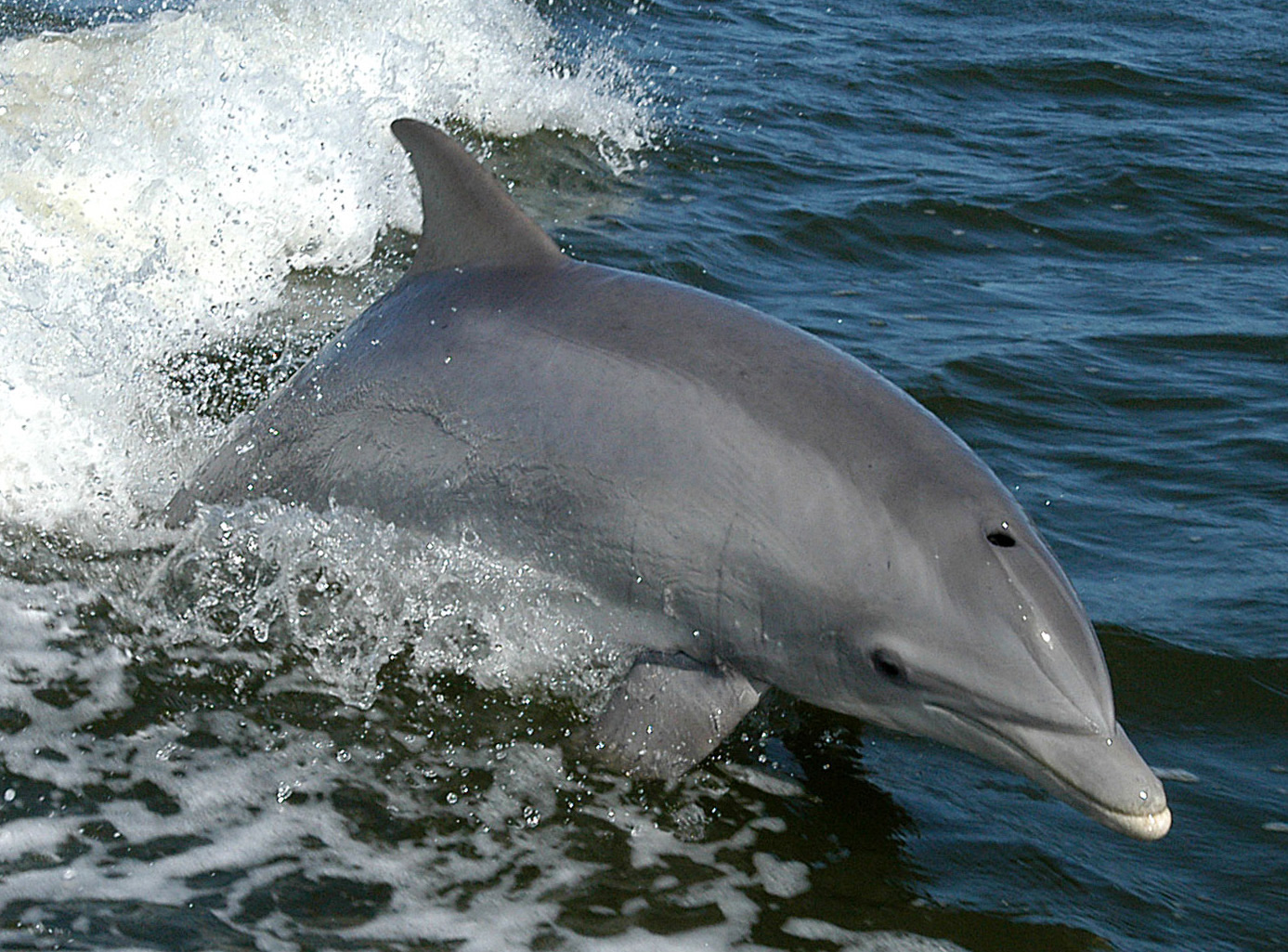
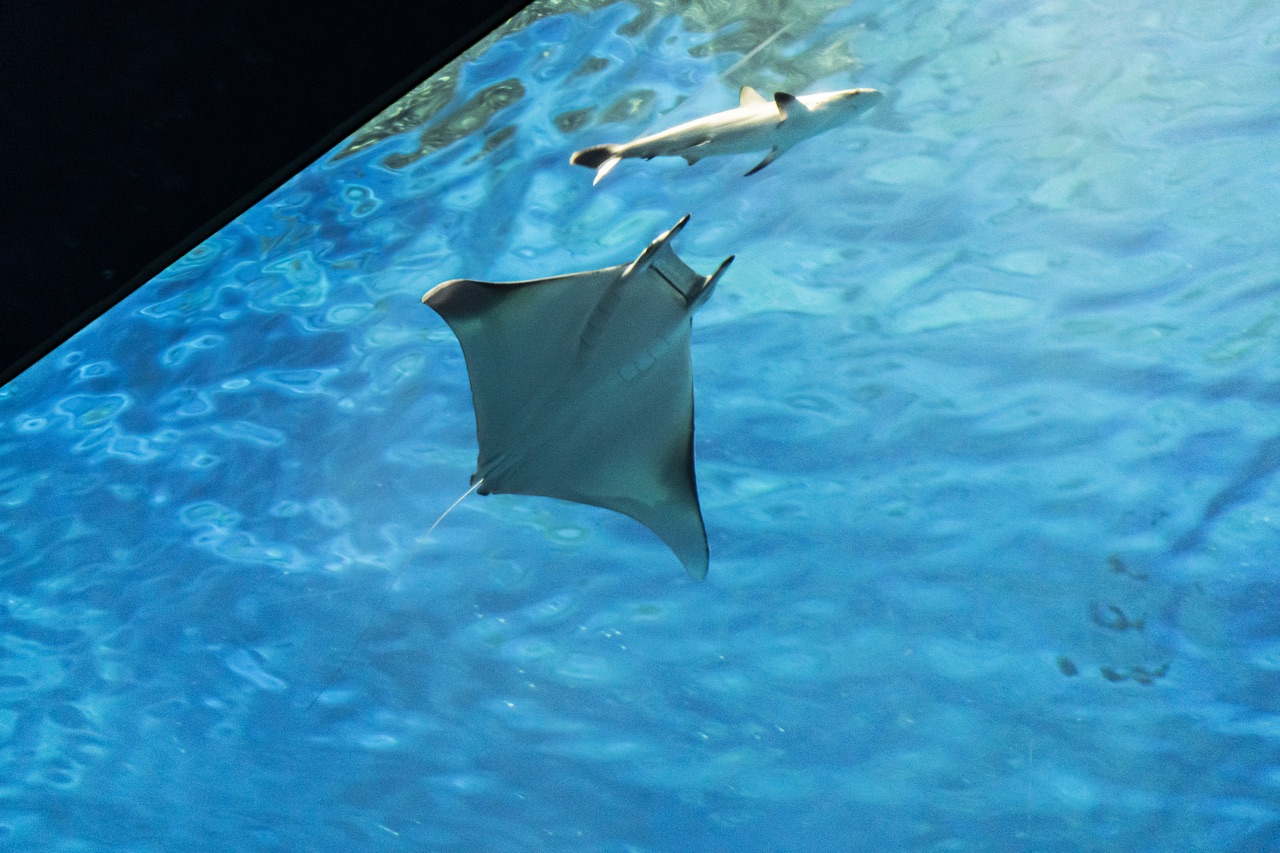
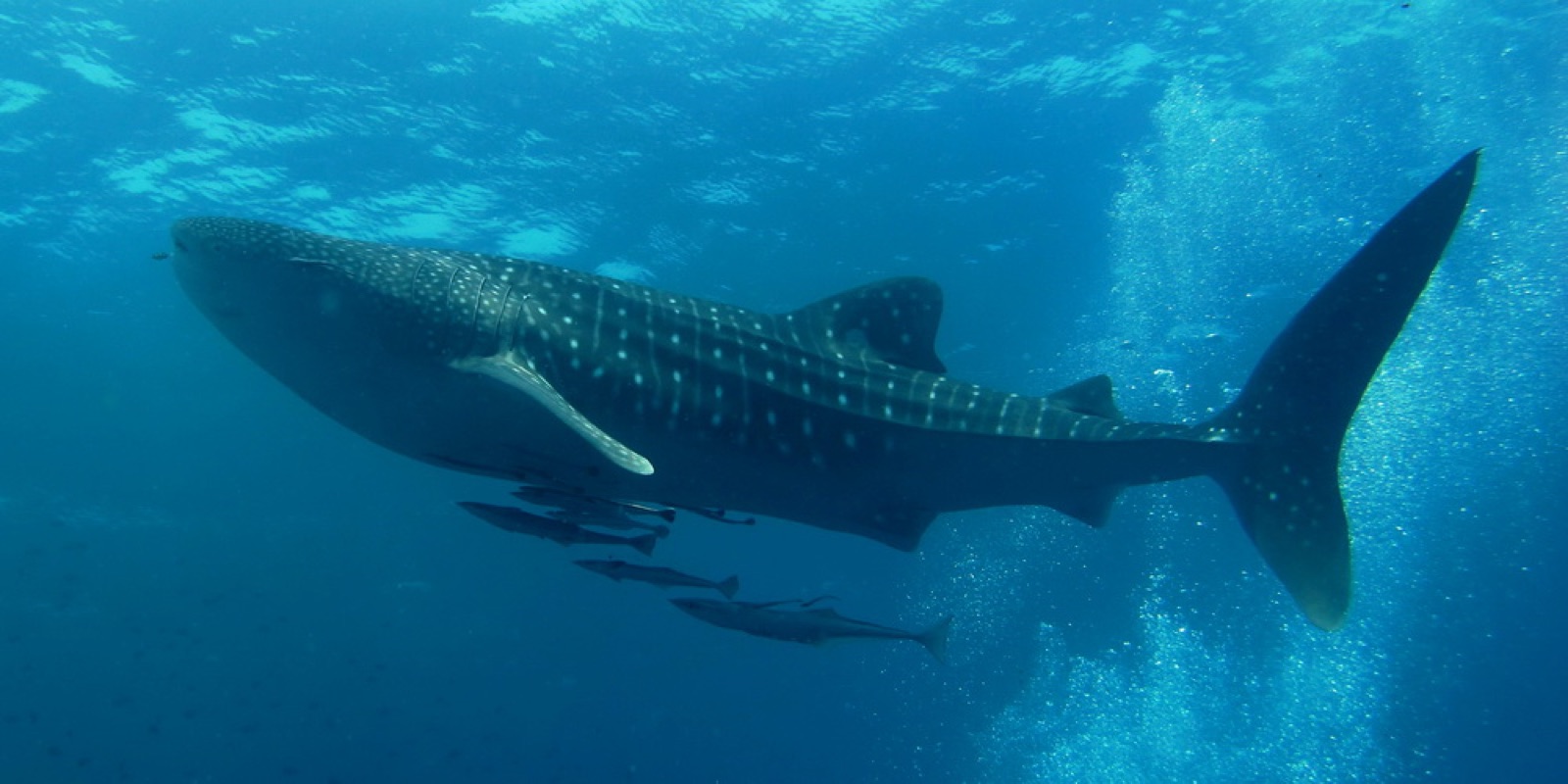
"已标注于此"的物种由编辑团队从本页所列来源中整理收录。数量为GBIF出现记录数:即1990年以来在标注位置约5公里范围内记录的观测数据,仅与我们目录中的物种进行匹配。这些数据反映的是该地点的历史目击情况,并非对您此行所见的保证。
摄影师专区
广角: ★★★★☆ · 微距: ★☆☆☆☆ (编辑对该潜点适合各类水下摄影风格的1–5分评级)