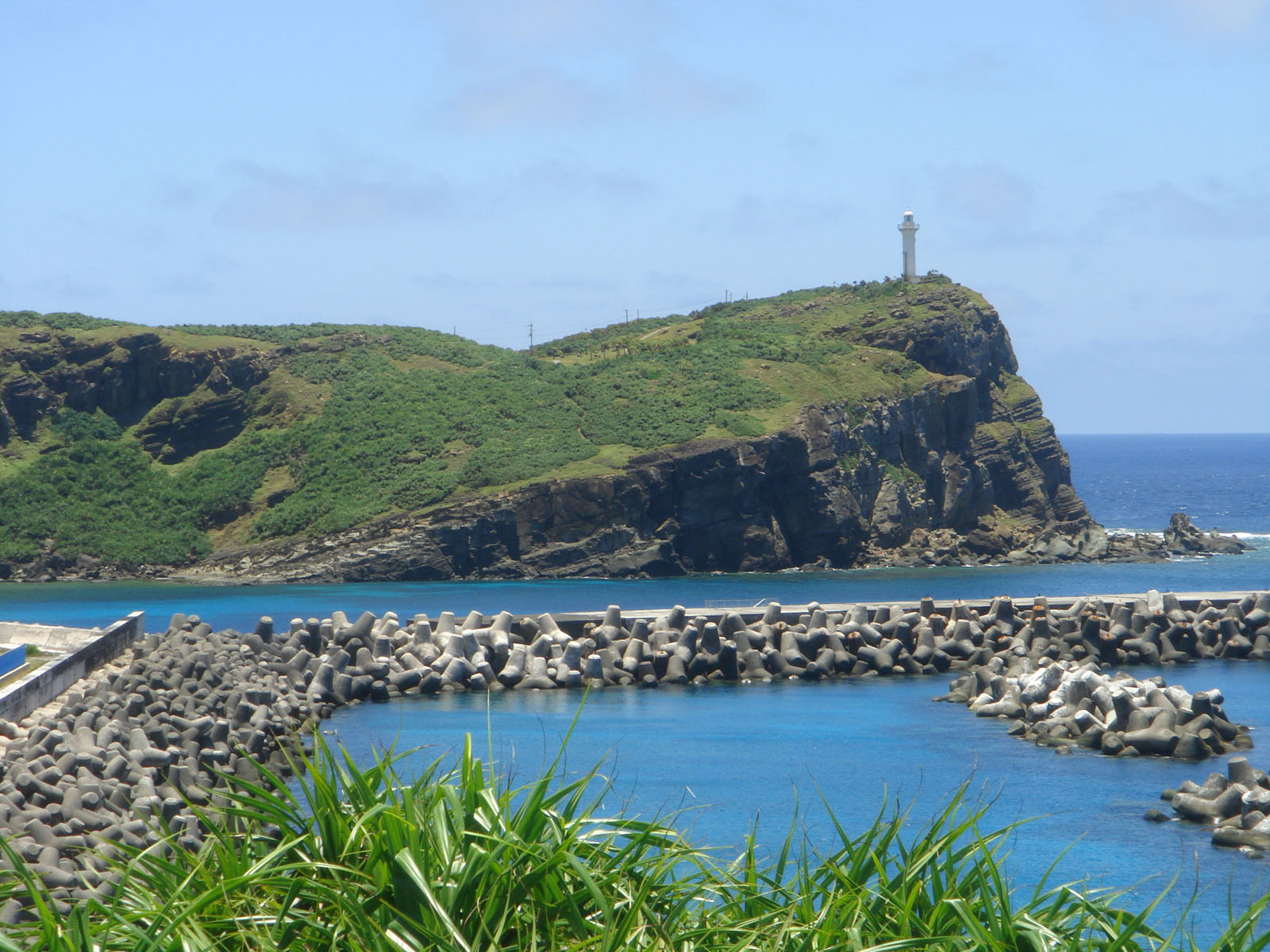
Irizaki
Die Tiefe gibt den Bereich von der Oberkante des Tauchplatzes bis zur üblichen Maximaltiefe an; „empfohlene Zertifizierung" ist das von Anbietern üblicherweise geforderte Mainstream-Agenturniveau – keine gesetzliche Vorschrift. Strömungen und Sichtweite ändern sich täglich – behandle alle Angaben hier als Planungsbereiche.
Irizaki diving is minimalist: drop into open blue off the westernmost point of Japan, level off mid-water, and scan. In the cool months scalloped hammerheads school here, sometimes a handful of scouts, sometimes a slow-turning wall of silhouettes that fills the view from left to right. There is no reef to hold, no fixed route, just the guide's fin tips, the group's discipline, and the cold-edged current deciding how far each dive travels. Blank dives happen and the good ones erase them. It is the western Pacific's answer to the classic hammerhead pilgrimages, made rawer by winter seas and the island's frontier scale.
Der Moment, für den du kommst: Schooling scalloped hammerheads, pure blue-water drift diving, winter-season intensity
Topografie: Open blue water off a rocky cape dropping steeply toward deep ocean
Strömung: The Kuroshio brushes the cape; drifts move fast and regrouping mid-water is part of the skill set.
Einstieg: Negative-entry drops from boats working off Japan's westernmost cape near Kubura; groups drift as one unit behind the guide.
Was du wissen solltest, bevor du ins Wasser gehst
Gefahren: Strong current, no fixed reference, boat pickups in swell, and depth creep while watching animals; surface markers and tight buddy contact are mandatory.
Nitrox: Hier lohnt es sich – die Profile liegen in einem Bereich, in dem Nitrox die Nullzeiten spürbar verlängert (mit der entsprechenden Ausbildung).
Wen du triffst
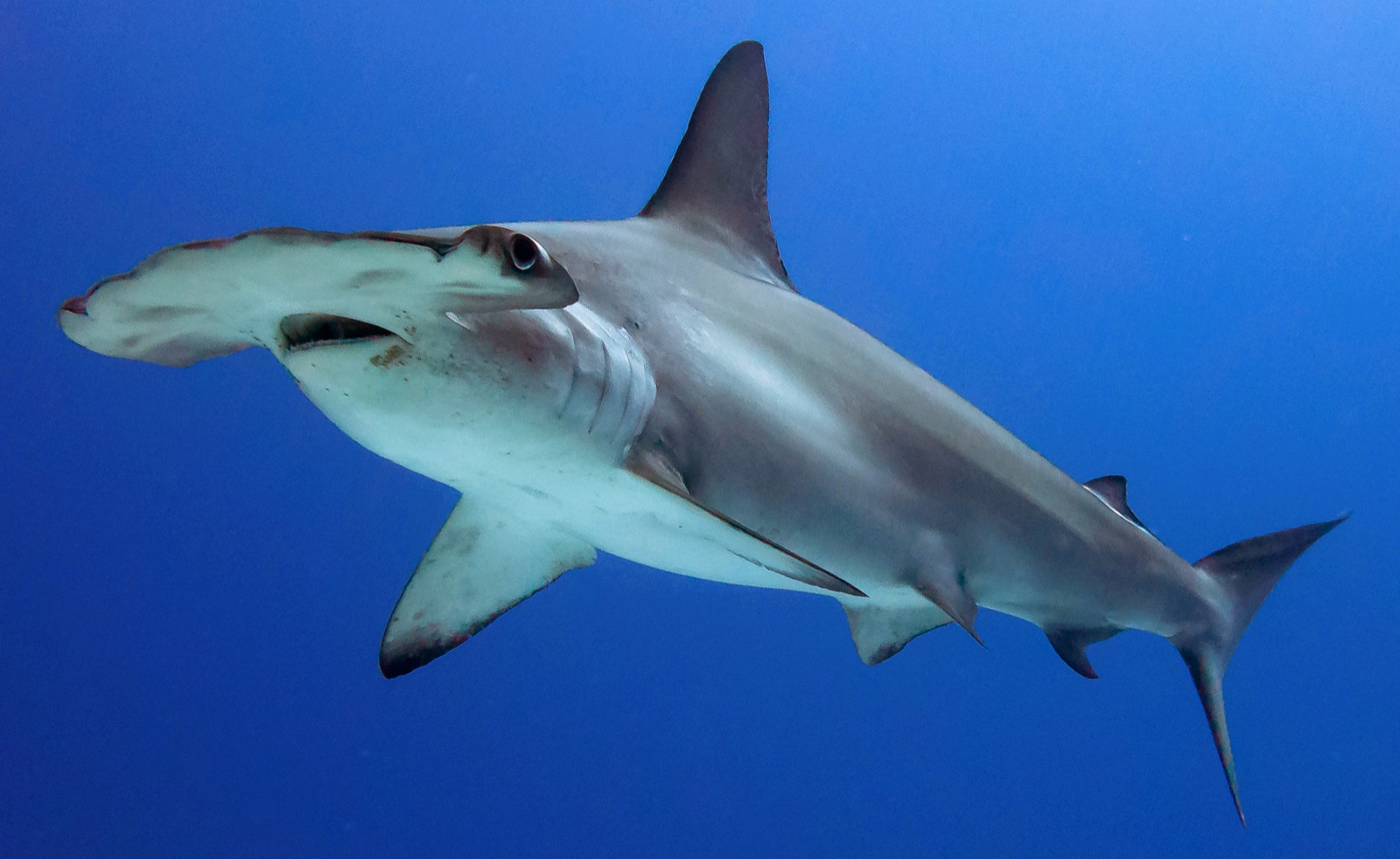
„Hier kartiert" – Arten wurden von unseren Redakteuren anhand der Quellen auf dieser Seite erfasst. Die Zahlen sind GBIF-Vorkommensdatensätze: Beobachtungen, die seit 1990 im Umkreis von etwa 5 km um die kartierte Position protokolliert wurden, ausschließlich abgeglichen mit den Arten in unserem Katalog. Sie zeigen, was dort gesichtet wurde – keine Garantie, was du sehen wirst.
Für Fotografen
Weitwinkel: ★★★★★ · Makro: ★☆☆☆☆ (Redaktionelle 1–5-Bewertung, was dieser Platz für jeden Fotografie-Stil bietet)