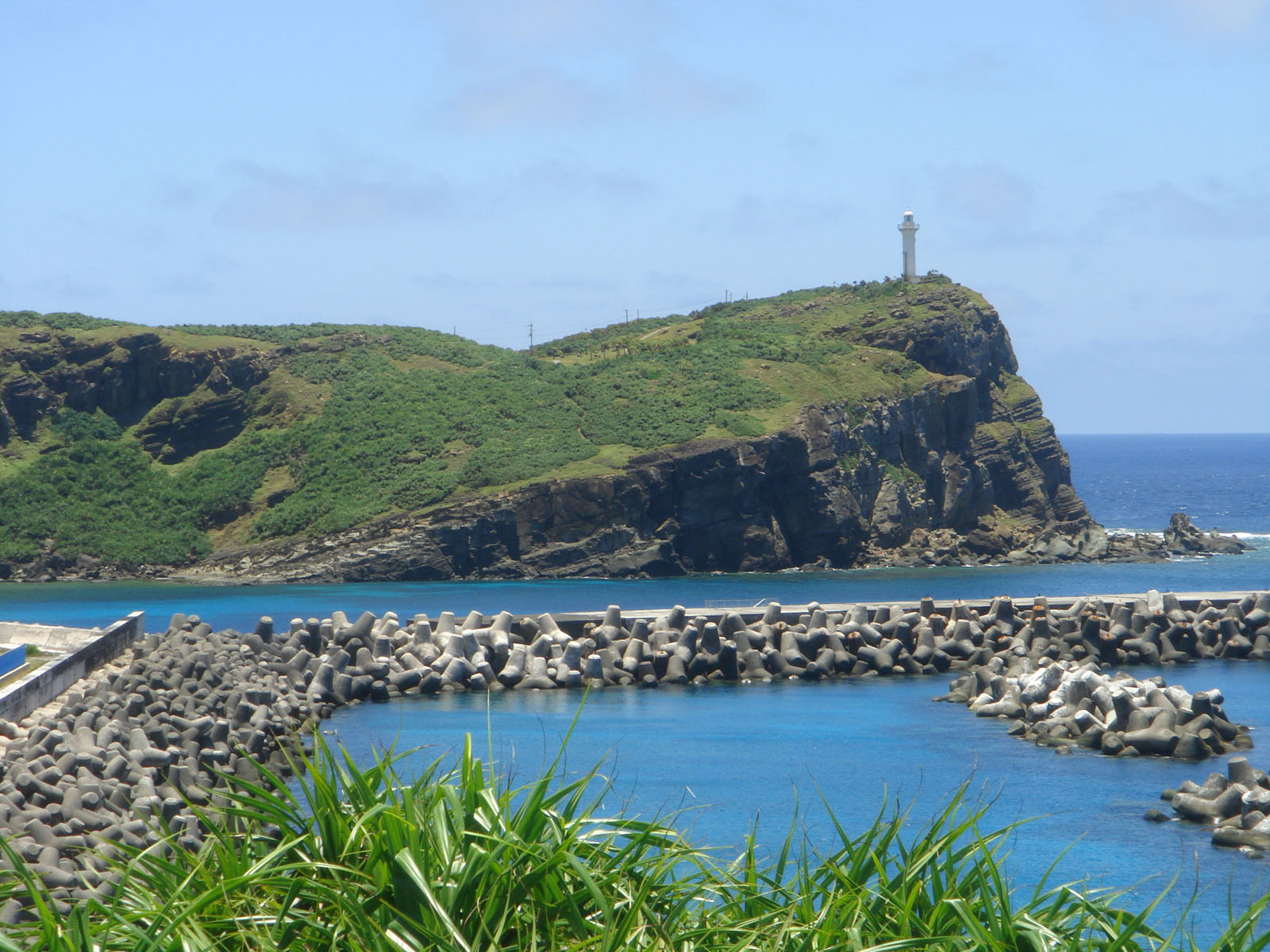
Irizaki
Depth is the range from the top of the site to its usual maximum; "recommended cert" is the mainstream-agency level operators usually ask for, not a legal rule. Currents and visibility change daily, so treat everything here as planning ranges.
Irizaki diving is minimalist: drop into open blue off the westernmost point of Japan, level off mid-water, and scan. In the cool months scalloped hammerheads school here, sometimes a handful of scouts, sometimes a slow-turning wall of silhouettes that fills the view from left to right. There is no reef to hold, no fixed route, just the guide's fin tips, the group's discipline, and the cold-edged current deciding how far each dive travels. Blank dives happen and the good ones erase them. It is the western Pacific's answer to the classic hammerhead pilgrimages, made rawer by winter seas and the island's frontier scale.
The moment you come for: Schooling scalloped hammerheads, pure blue-water drift diving, winter-season intensity
Topography: Open blue water off a rocky cape dropping steeply toward deep ocean
Current: The Kuroshio brushes the cape; drifts move fast and regrouping mid-water is part of the skill set.
Entry: Negative-entry drops from boats working off Japan's westernmost cape near Kubura; groups drift as one unit behind the guide.
Know before you splash
Hazards: Strong current, no fixed reference, boat pickups in swell, and depth creep while watching animals; surface markers and tight buddy contact are mandatory.
Nitrox: Worth it here: profiles sit in the range where enriched air meaningfully extends no-stop time (with the training to use it).
Who you'll meet
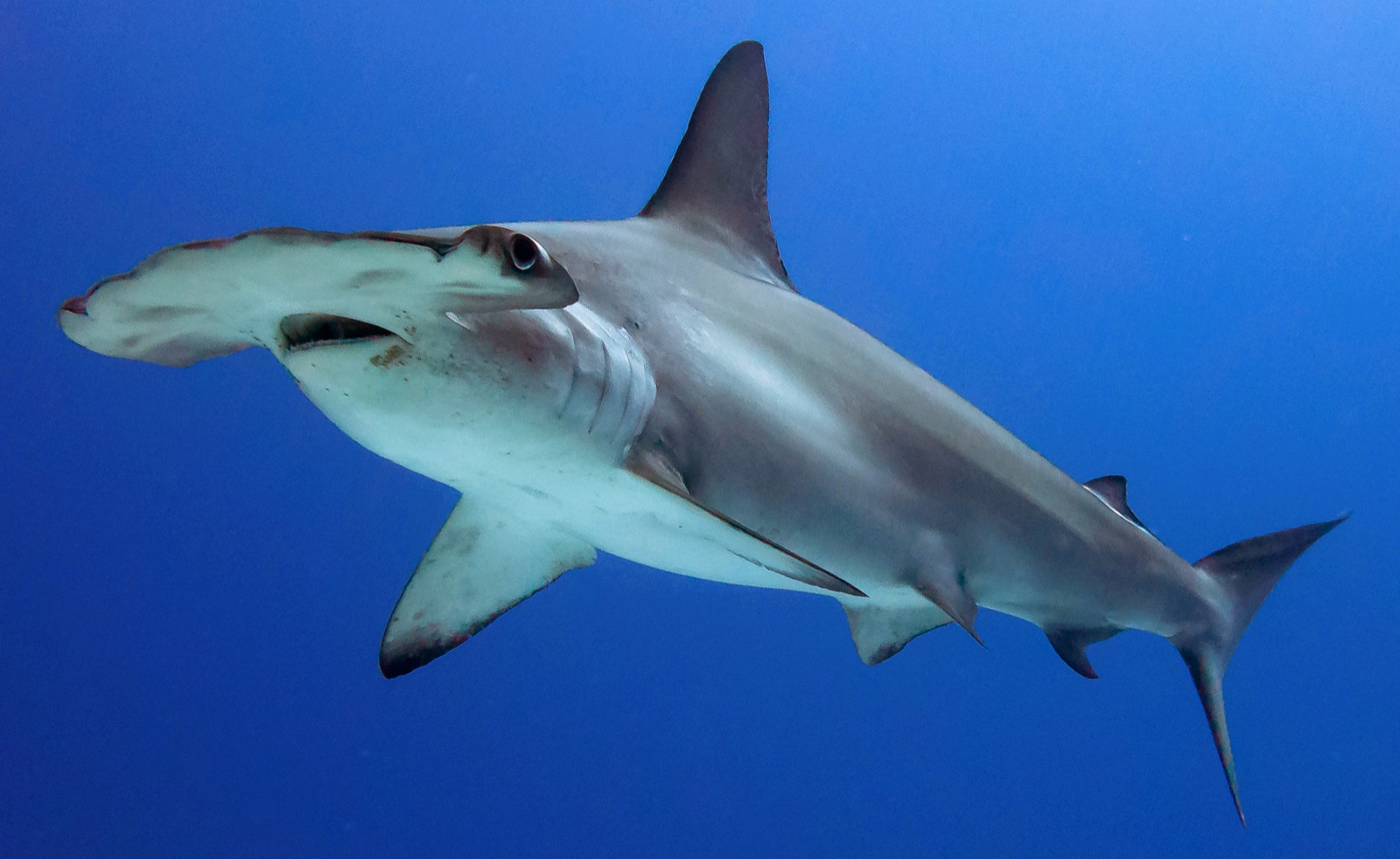
"Charted here" species were listed by our editors from the sources on this page. Counts are GBIF occurrence records: observations logged within about 5 km of the charted position since 1990, matched only against the species in our catalogue. They show what has been seen there, not a promise of what you will see.
For photographers
Wide angle: ★★★★★ · Macro: ★☆☆☆☆ (editors' 1–5 rating of what this site gives each style of shooting)