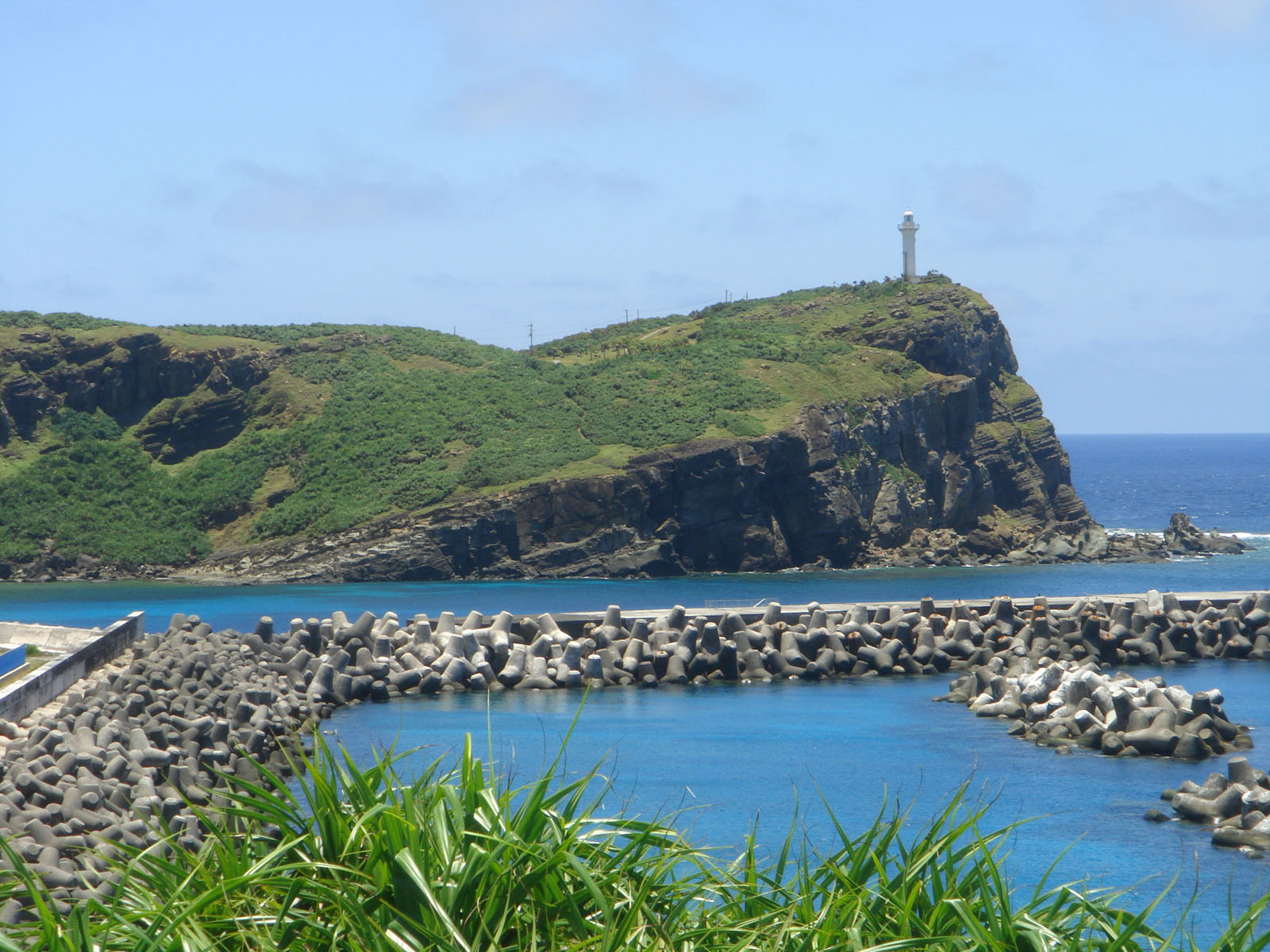
Irizaki
La profundidad es el rango desde la cima del punto de buceo hasta su máximo habitual; la "certificación recomendada" es el nivel que los operadores suelen pedir según las agencias principales, no una norma legal. Las corrientes y la visibilidad cambian a diario, así que trata todo esto como rangos de planificación.
Irizaki diving is minimalist: drop into open blue off the westernmost point of Japan, level off mid-water, and scan. In the cool months scalloped hammerheads school here, sometimes a handful of scouts, sometimes a slow-turning wall of silhouettes that fills the view from left to right. There is no reef to hold, no fixed route, just the guide's fin tips, the group's discipline, and the cold-edged current deciding how far each dive travels. Blank dives happen and the good ones erase them. It is the western Pacific's answer to the classic hammerhead pilgrimages, made rawer by winter seas and the island's frontier scale.
El momento por el que vienes: Schooling scalloped hammerheads, pure blue-water drift diving, winter-season intensity
Topografía: Open blue water off a rocky cape dropping steeply toward deep ocean
Corriente: The Kuroshio brushes the cape; drifts move fast and regrouping mid-water is part of the skill set.
Entrada: Negative-entry drops from boats working off Japan's westernmost cape near Kubura; groups drift as one unit behind the guide.
Lo que debes saber antes de tirarte al agua
Riesgos: Strong current, no fixed reference, boat pickups in swell, and depth creep while watching animals; surface markers and tight buddy contact are mandatory.
Nitrox: Vale la pena aquí: los perfiles están en el rango donde el nitrox amplía de forma significativa el tiempo sin parada (con la formación necesaria para usarlo).
A quién encontrarás
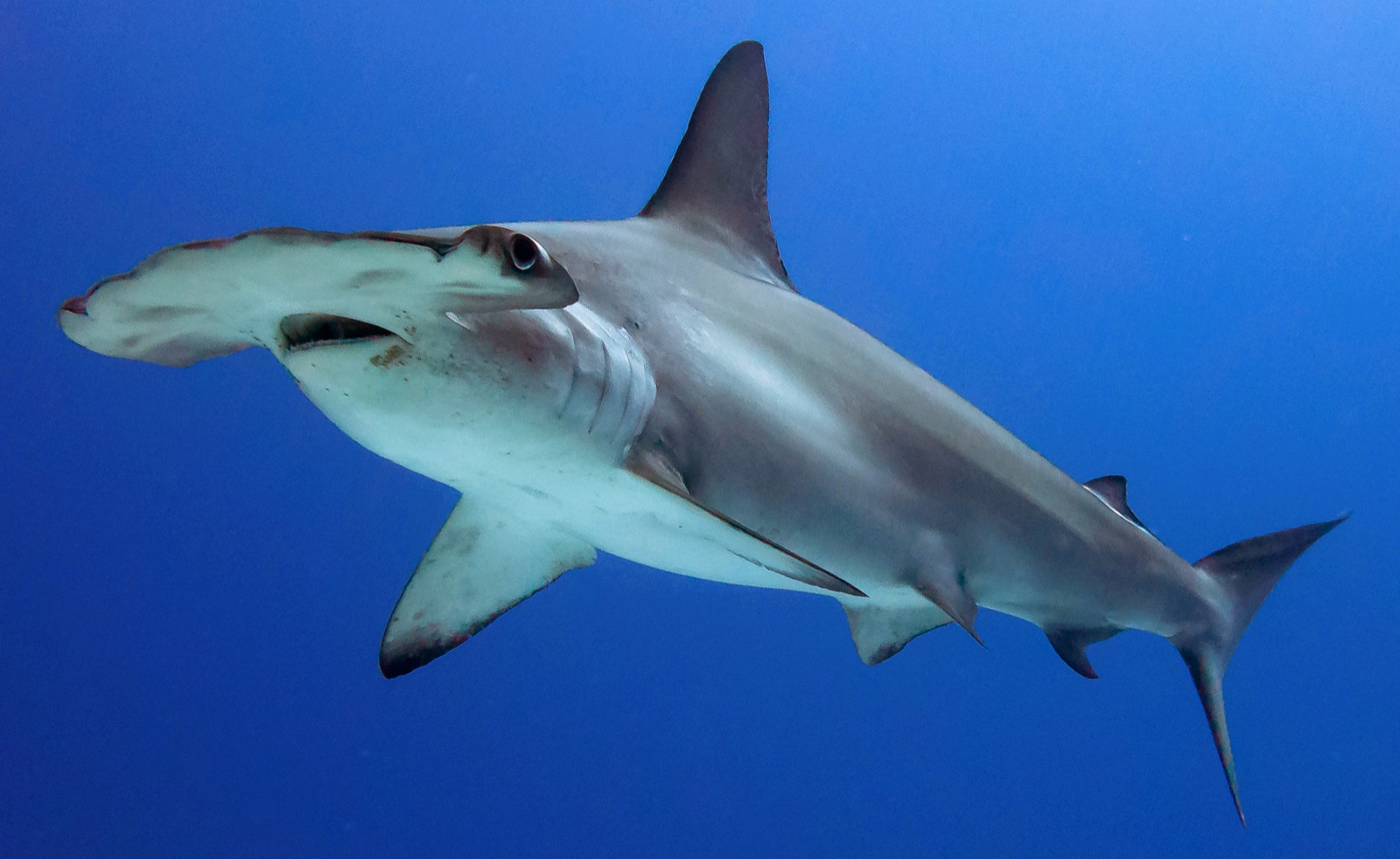
Las especies "aquí registradas" fueron añadidas por nuestros editores a partir de las fuentes de esta página. Los recuentos son registros de ocurrencia de GBIF: observaciones anotadas en un radio de unos 5 km de la posición registrada desde 1990, cotejadas únicamente con las especies de nuestro catálogo. Muestran lo que se ha avistado allí, no una garantía de lo que verás.
Para fotógrafos
Gran angular: ★★★★★ · Macro: ★☆☆☆☆ (valoración de 1 a 5 de los editores sobre lo que ofrece este sitio para cada estilo de fotografía)