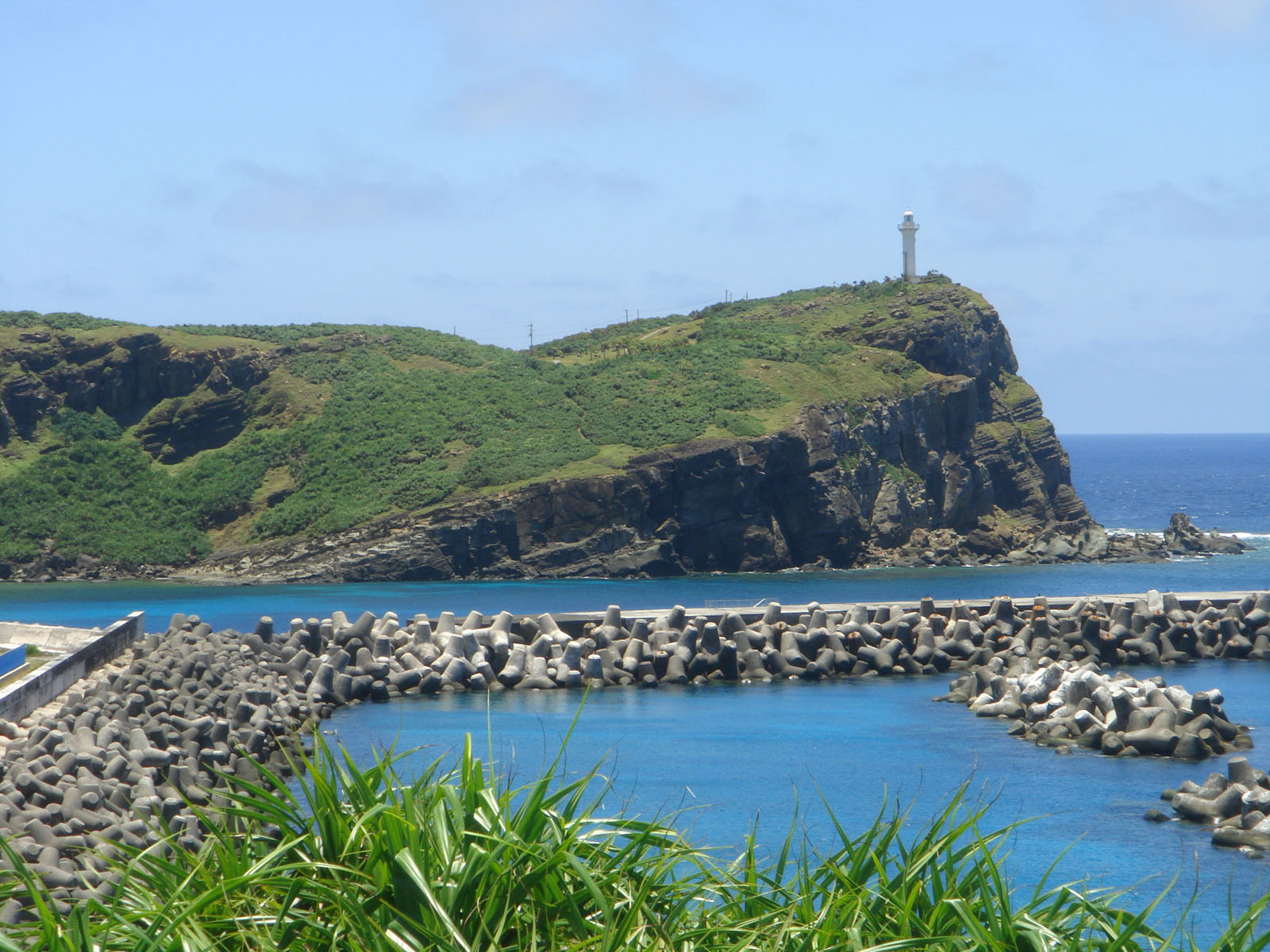
Irizaki
La profondeur correspond à la plage allant du sommet du site jusqu'à son maximum habituel ; le « niveau recommandé » est le niveau demandé en général par les opérateurs auprès des grandes agences, pas une règle légale. Les courants et la visibilité varient chaque jour, traitez donc tout cela comme des plages indicatives de planification.
Irizaki diving is minimalist: drop into open blue off the westernmost point of Japan, level off mid-water, and scan. In the cool months scalloped hammerheads school here, sometimes a handful of scouts, sometimes a slow-turning wall of silhouettes that fills the view from left to right. There is no reef to hold, no fixed route, just the guide's fin tips, the group's discipline, and the cold-edged current deciding how far each dive travels. Blank dives happen and the good ones erase them. It is the western Pacific's answer to the classic hammerhead pilgrimages, made rawer by winter seas and the island's frontier scale.
Le moment pour lequel vous venez: Schooling scalloped hammerheads, pure blue-water drift diving, winter-season intensity
Topographie: Open blue water off a rocky cape dropping steeply toward deep ocean
Courant: The Kuroshio brushes the cape; drifts move fast and regrouping mid-water is part of the skill set.
Entrée: Negative-entry drops from boats working off Japan's westernmost cape near Kubura; groups drift as one unit behind the guide.
À savoir avant de plonger
Dangers: Strong current, no fixed reference, boat pickups in swell, and depth creep while watching animals; surface markers and tight buddy contact are mandatory.
Nitrox: Pertinent ici : les profils se situent dans la plage où le nitrox prolonge significativement le temps sans palier (avec la formation pour l'utiliser).
Qui vous croiserez
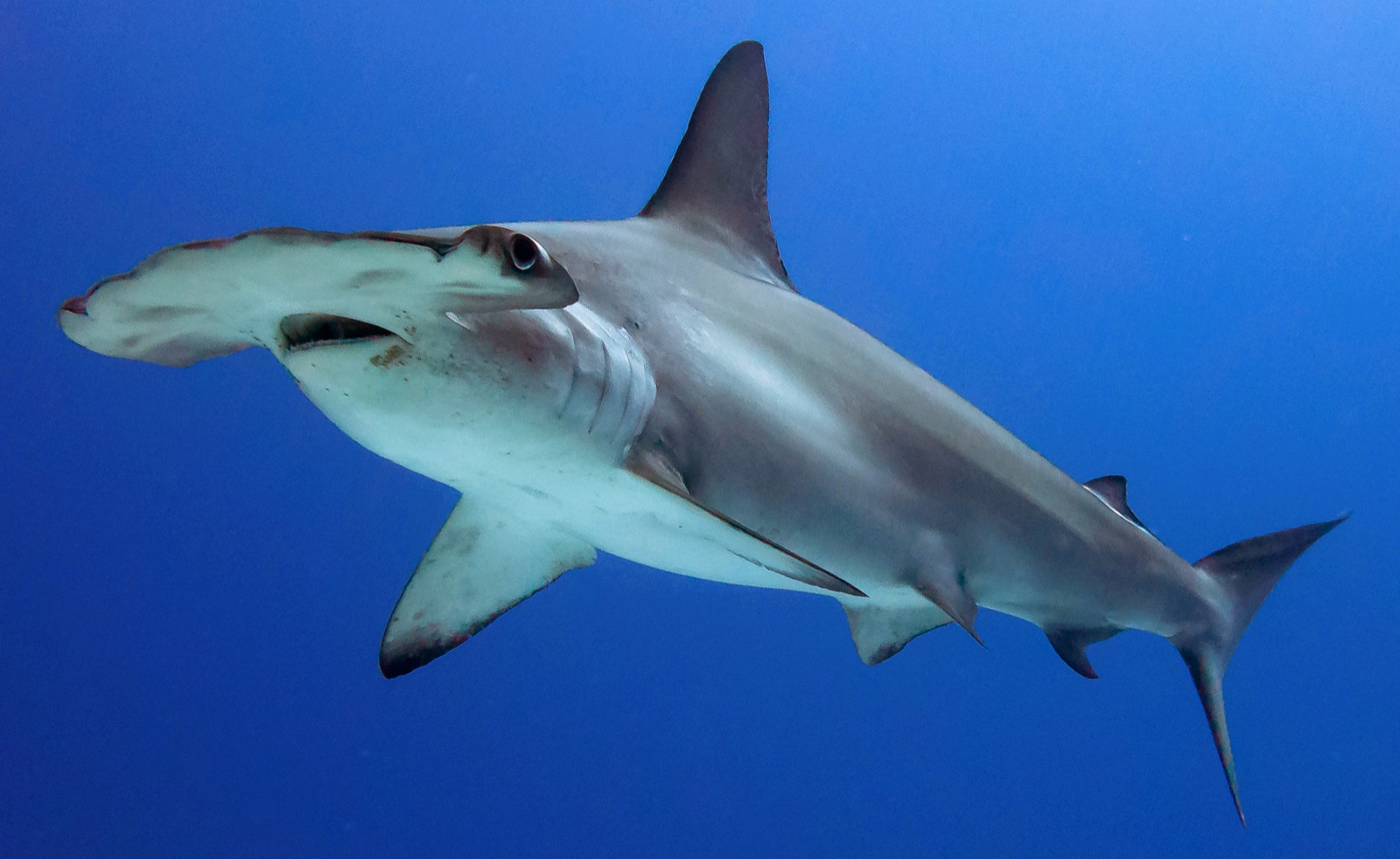
Les espèces « cartographiées ici » ont été répertoriées par nos éditeurs à partir des sources indiquées sur cette page. Les comptages correspondent aux occurrences GBIF : observations enregistrées dans un rayon d'environ 5 km autour de la position cartographiée depuis 1990, comparées uniquement aux espèces de notre catalogue. Ils indiquent ce qui a été observé à cet endroit, sans garantir ce que vous y verrez.
Pour les photographes
Grand angle: ★★★★★ · Macro: ★☆☆☆☆ (note 1–5 des éditeurs sur ce que ce site offre à chaque style de prise de vue)