Macro
Nudibranchs
Nudibranchia · Marine gastropod mollusks, order Nudibranchia; order-level overview of more than 3,000 described species
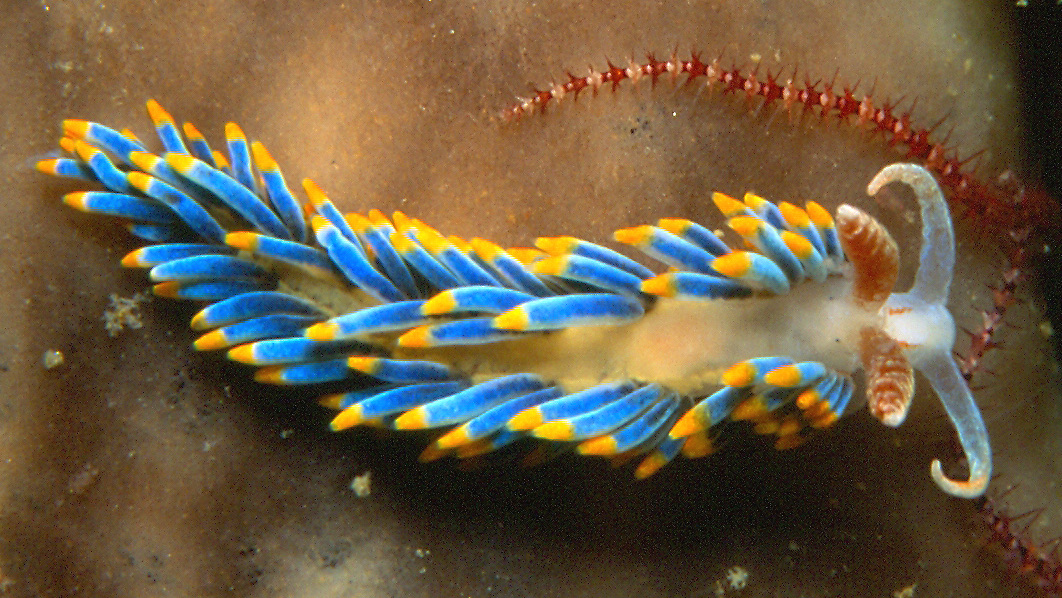
Nudibranchs are the reason macro divers stop covering distance. More than three thousand described species of these shell-less snails crawl the world's seafloors wearing colors that work as warnings, advertisements, and camouflage all at once, and more are named every year, with muck hotspots regularly producing animals new to science. The order splits broadly in two: dorids, carrying a rosette of gills on the back, many recycling sponge toxins into chemical defense; and aeolids, fringed in tentacle-like cerata that store working stinging cells stolen from the hydroids they eat. Rhinophores, the paired head antennae, smell the water for prey and mates. Most species live weeks to a year, so casts turn over fast and no two months on the same site produce the same list. Slow to a crawl and the sand starts producing.
どこで・いつ見られるか
「常駐(Resident)」とは、そのダイビングスポットでのほとんどのダイブで遭遇できることを意味します。「季節限定(Seasonal)」とは、記載された月に確実に見られることを意味します。それ以外の出会いはボーナスであり、計画の前提にはなりません。
| 目的地 | 信頼性 | 月 | メモ |
|---|---|---|---|
| AnilaoPhilippines | Resident: seen on most dives | 年間を通じて | |
| Lembeh StraitIndonesia | Resident: seen on most dives | 年間を通じて | |
| Dumaguete, Dauin & Apo IslandPhilippines | Resident: seen on most dives | 年間を通じて | |
| Poor Knights IslandsNew Zealand | Resident: seen on most dives | 年間を通じて | |
| British ColumbiaCanada | Resident: seen on most dives | 年間を通じて | |
| Milne BayPapua New Guinea | Resident: seen on most dives | 年間を通じて |
ベストな月、一目でわかる
理解を深める
ハビタット: Every bottom type divers visit (reef, rubble, sand, kelp, jetty piles, mud), wherever each species' prey grows; the order as a whole ranges from tide pools to the deep sea.
分布域: All oceans, polar to tropical; the Coral Triangle holds the richest shallow-water diversity known.
生態・行動: Slow, chemically defended browsers; hermaphrodites that mate side by side and lay coiled egg ribbons. Aeolid species store working stinging cells from the hydroids they eat.
食性: Specialists almost to a species: sponges, hydroids, bryozoans, tunicates, anemones, eggs, or other sea slugs.
サイズ: 目安は 0.03 m; 確認済みの最大記録 0.6 m (order-wide range; most diver-found species are 1–6 cm, while the Spanish dancer reaches about 60 cm).
出会ったときの正しいふるまい方
Shoot without touching or relocating: posed slugs on borrowed backgrounds are the macro world's staged wildlife problem. Keep strobe sessions short per animal.
保全
Almost none have been evaluated for the IUCN Red List; their fortunes track the sponges, hydroids, and other prey they depend on.
目撃情報で知られるダイブサイト
ハイライト表示のサイトは編集部がこの生物種の記録地として登録したもので、数字は1990年以降にサイトから約5km以内で記録されたGBIFの出現件数です。
動画を見る
公式チャンネルより

Wildlife of Monterey | New film in our auditorium

Live Aviary Cam | Monterey Bay Aquarium

Live Aviary Cam | Monterey Bay Aquarium
動画はクリエイター自身のチャンネルへの埋め込みリンクです。当サイトはコンテンツをホストせず、すべての出典を明示しています。