Sites de plongée, saisons et vie marine — recherchés, cartographiés, planifiés.
Menu
Destinations Sites de plongée Vie marine Épaves Actualités
Planifier un voyage Planificateur de séjour Quand plonger Calculateur de coût Comparaisons Calendrier de la faune marine Température de l'eau Liveaboards Opérateurs & resorts Parcs marins Caissons hyperbares Carte du monde
Régions Australie, Nouvelle-Zélande & Asie de l'EstCaraïbes & Atlantique occidentalEurope, Atlantique & MéditerranéeOcéan Indien & Afrique de l'EstÎles du Pacifique & MicronésieMer Rouge & Moyen-OrientAsie du Sud-Est et Triangle de CorailLes Amériques et Pacifique Est Pays
Apprendre & Outils Tous les guides Certifications Guides d'équipement Vidéos Interroger les données Agents IA API
À propos À propos de nous Méthodologie Avertissement Contact
Votre vue
★ Enregistré

Vos destinations, sites et espèces favoris — enregistrés dans ce navigateur.

API GATEWAY

Accès JSON gratuit en lecture seule aux données en cache de l'atlas.

Mode sombre

🧭 Vue Guidée
Nouveau dans la plongée — profondeurs, courants, niveaux de certification ? Nous expliquons chaque terme au fil de votre navigation, en langage clair. Les mêmes données, avec l'aide intégrée.

⚡ Vue Expert
Vous connaissez déjà la différence entre un tombant et un drift. Juste les données — claires, rapides et compactes. C'est la vue par défaut.

Langue de l'interface
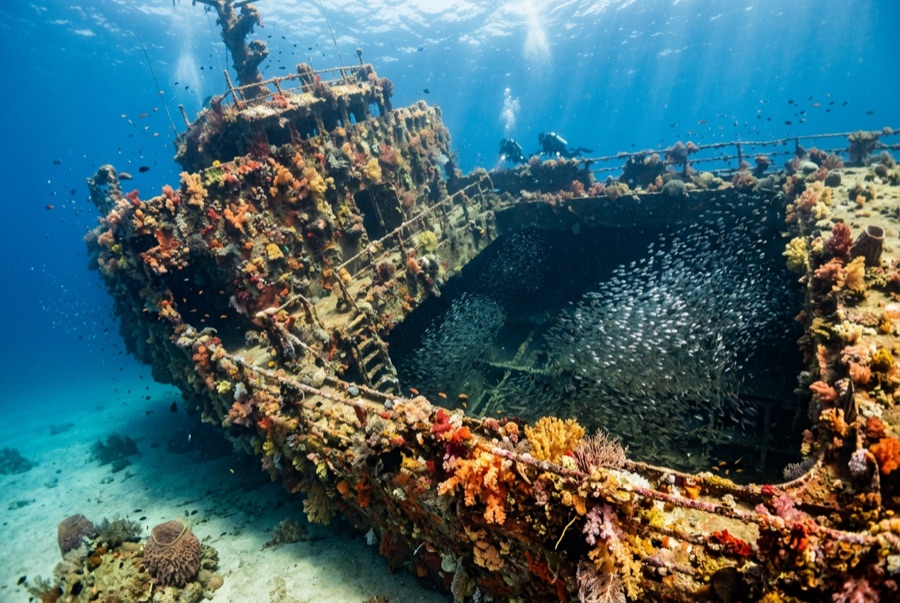
Cristóbal Colón — illustrative image

Cristóbal Colón

Spanish transatlantic passenger liner Coulé 1936 5–17 m Bermuda
Illustration générée par IA
Des vies ont été perdues iciNone — all aboard were taken off. Les opérateurs locaux demandent que l'épave soit plongée avec le respect qui s'impose.
Bien documenté
Profondeur jusqu'au pont
5 m / 16 ft
Profondeur maximale
17 m / 56 ft
Construit / coulé
1923 / 1936
Longueur
152 m
Tonnage
10,833 GRT
Orientation
Broken And Scattered Across The Reef
Niveau
Beginner
Meilleurs mois
May–Oct

L'histoire

Bermuda's largest shipwreck died of misread lights and a civil war. The Cristóbal Colón, a 152-meter luxury liner of the Compañía Transatlántica Española, was steaming from Cardiff toward Mexico in October 1936 — with a skeleton complement and no paying passengers, in the opening months of the Spanish Civil War — when she drove onto the northern barrier reef at nearly full speed, apparently having mistaken her position off the low island. Everyone aboard got off safely, and for a while the stranded liner sat upright on the reef crest, so temptingly intact that Bermudians salvaged her fittings with enthusiasm; furniture from the Colón still surfaces in island houses. During the Second World War the hulk served as a bombing target, which finished the job of spreading her across the seabed. Today her remains sprawl over an enormous area on both sides of the reef in 5 to 17 meters: boilers, propellers, driveshafts, gears and acres of plating in gin-clear water. She is less a ship than a steel reef system, ideal for long, shallow wandering dives and even snorkeling on calm days.

Comment elle a coulé: Ran onto Bermuda's northern barrier reef at speed on 25 October 1936.

Plongée sur ce site aujourd'hui

Condition: Fully broken and dispersed — boilers, shafts and props recognizable amid vast plating fields

Pénétration: None. Nothing enclosed remains; the site is an open debris field.

Certification recommandée: Open Water

Courant: Mild · Visibilité: 15–30 m

Vie marine: Parrotfish and blue angelfish graze the plates, gray snapper school in the boiler shadows, barracuda hover over the machinery, and hard corals grow straight from the steel.

Dangers: Surge over the shallow reef and sharp coral-crusted steel

Protection & réglementation

Protected historic wreck of Bermuda — nothing may be lifted or disturbed

Bermuda's wrecks fall under the island's historic-wreck legislation; artifact recovery without license is illegal.

Regarder

Depuis les canaux officiels

Toutes les vidéos →

Les vidéos sont des liens intégrés vers les chaînes de leurs créateurs — nous n'hébergeons rien et créditons tout.

Sources: Bermuda Tourism Authority ↗University of California San Diego ↗ · Informations vérifiées par rapport aux sources ci-dessus ; les champs sans référence sont marqués non encore vérifiés.

Australie, Nouvelle-Zélande & Asie de l'Est

Cairns & the Ribbon ReefsNingaloo ReefCoral Sea & Osprey ReefOkinawa & the Kerama IslandsPoor Knights IslandsTownsville & the YongalaGreen IslandIzu Peninsula

Caraïbes & Atlantique occidental

BonaireCozumelRiviera Maya & the CenotesBelize Barrier ReefGrand CaymanIsla Mujeres & CancúnRoatánTiger Beach & Grand Bahama

Europe, Atlantique & Méditerranée

Malta & GozoSilfra & IcelandThe AzoresCanary IslandsLarnaca & the ZenobiaScapa FlowArctic NorwayMadeira

Océan Indien & Afrique de l'Est

North & South Malé AtollsAri AtollBaa Atoll & Hanifaru BayAliwal Shoal & UmkomaasMafia IslandMauritiusSeychellesSodwana Bay

Îles du Pacifique & Micronésie

PalauChuuk (Truk) LagoonFakaravaKona, HawaiʻiRangiroaTaveuni & Rainbow ReefBeqa Lagoon & Pacific HarbourEspiritu Santo

Mer Rouge & Moyen-Orient

Sharm El Sheikh & Ras MohammedBrothers, Daedalus & St John'sDahabHurghada & El GounaMarsa Alam & the Deep SouthAqabaDaymaniyat IslandsMusandam Peninsula

Asie du Sud-Est et Triangle de Corail

Bali & Nusa PenidaKomodoRaja AmpatSipadan & MabulAnilaoCoronKoh TaoLembeh Strait

Les Amériques et Pacifique Est

Galápagos IslandsCocos IslandFlorida KeysSea of Cortez & Cabo PulmoSocorro & the RevillagigedosBritish ColumbiaCalifornia Channel IslandsCosta Rica Pacific Coast