Siti di immersione, stagioni e fauna marina — ricercati, mappati, pianificati.
Menu
Destinazioni Siti di immersione Vita marina Relitti Notizie
Pianifica un viaggio Pianificatore di viaggi Quando immergersi Calcolatore dei costi Confronti Calendario della fauna marina Temperatura dell'acqua Liveaboard Operatori & resort Parchi marini Camere iperbariche Mappa del mondo
Regioni Australia, Nuova Zelanda e Asia OrientaleCaraibi e Atlantico occidentaleEuropa, Atlantico e MediterraneoOceano Indiano e Africa OrientaleIsole del Pacifico & MicronesiaMar Rosso & Medio OrienteAsia meridionale e Triangolo dei CoralliLe Americhe e il Pacifico orientale Paesi
Impara e strumenti Tutte le guide Brevetti Guide all'attrezzatura Video Interroga i dati AI Agent API
Informazioni Chi siamo Metodologia Disclaimer Contatti
La tua vista
★ Salvato

Le tue destinazioni, siti e specie preferiti — salvati in questo browser.

API GATEWAY

Accesso JSON gratuito in sola lettura ai dati in cache dell'atlante.

Modalità scura

🧭 Visualizzazione Guidata
Sei nuovo alle immersioni — profondità, correnti, livelli di brevetto? Spieghiamo ogni termine mentre navighi, in modo semplice e chiaro. Gli stessi dati, con il supporto integrato.

⚡ Visualizzazione Esperta
Conosci già la differenza tra una parete e una drift dive. Solo i dati — chiari, rapidi e compatti. Questa è la visualizzazione predefinita.

Lingua dell'interfaccia
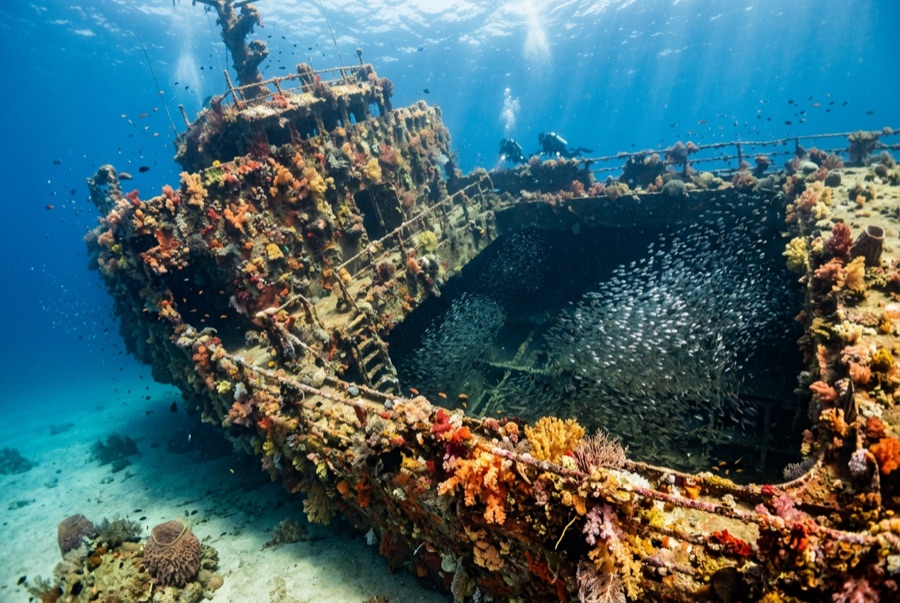
Cristóbal Colón — illustrative image

Cristóbal Colón

Spanish transatlantic passenger liner Affondata 1936 5–17 m Bermuda
Illustrazione generata dall'AI
Qui si sono perse delle viteNone — all aboard were taken off. Gli operatori locali chiedono che il relitto venga visitato con il dovuto rispetto.
Ben documentato
Profondità al ponte
5 m / 16 ft
Profondità massima
17 m / 56 ft
Costruito / affondato
1923 / 1936
Lunghezza
152 m
Stazza
10,833 GRT
Orientamento
Broken And Scattered Across The Reef
Livello
Beginner
Mesi migliori
May–Oct

La storia

Bermuda's largest shipwreck died of misread lights and a civil war. The Cristóbal Colón, a 152-meter luxury liner of the Compañía Transatlántica Española, was steaming from Cardiff toward Mexico in October 1936 — with a skeleton complement and no paying passengers, in the opening months of the Spanish Civil War — when she drove onto the northern barrier reef at nearly full speed, apparently having mistaken her position off the low island. Everyone aboard got off safely, and for a while the stranded liner sat upright on the reef crest, so temptingly intact that Bermudians salvaged her fittings with enthusiasm; furniture from the Colón still surfaces in island houses. During the Second World War the hulk served as a bombing target, which finished the job of spreading her across the seabed. Today her remains sprawl over an enormous area on both sides of the reef in 5 to 17 meters: boilers, propellers, driveshafts, gears and acres of plating in gin-clear water. She is less a ship than a steel reef system, ideal for long, shallow wandering dives and even snorkeling on calm days.

Come è affondata: Ran onto Bermuda's northern barrier reef at speed on 25 October 1936.

Immersioni su di essa oggi

Condizione: Fully broken and dispersed — boilers, shafts and props recognizable amid vast plating fields

Penetrazione: None. Nothing enclosed remains; the site is an open debris field.

Certificazione consigliata: Open Water

Corrente: Mild · Visibilità: 15–30 m

Vita marina: Parrotfish and blue angelfish graze the plates, gray snapper school in the boiler shadows, barracuda hover over the machinery, and hard corals grow straight from the steel.

Pericoli: Surge over the shallow reef and sharp coral-crusted steel

Tutela & normativa

Protected historic wreck of Bermuda — nothing may be lifted or disturbed

Bermuda's wrecks fall under the island's historic-wreck legislation; artifact recovery without license is illegal.

Guarda

Dai canali ufficiali

Tutti i video →

I video sono link incorporati ai canali dei rispettivi autori — non ospitiamo nulla e diamo sempre credito a tutti.

Fonti: Bermuda Tourism Authority ↗University of California San Diego ↗ · Dati verificati rispetto alle fonti indicate; i campi privi di riscontro sono contrassegnati come non ancora verificati.

Australia, Nuova Zelanda e Asia Orientale

Cairns & the Ribbon ReefsNingaloo ReefCoral Sea & Osprey ReefOkinawa & the Kerama IslandsPoor Knights IslandsTownsville & the YongalaGreen IslandIzu Peninsula

Caraibi e Atlantico occidentale

BonaireCozumelRiviera Maya & the CenotesBelize Barrier ReefGrand CaymanIsla Mujeres & CancúnRoatánTiger Beach & Grand Bahama

Europa, Atlantico e Mediterraneo

Malta & GozoSilfra & IcelandThe AzoresCanary IslandsLarnaca & the ZenobiaScapa FlowArctic NorwayMadeira

Oceano Indiano e Africa Orientale

North & South Malé AtollsAri AtollBaa Atoll & Hanifaru BayAliwal Shoal & UmkomaasMafia IslandMauritiusSeychellesSodwana Bay

Isole del Pacifico & Micronesia

PalauChuuk (Truk) LagoonFakaravaKona, HawaiʻiRangiroaTaveuni & Rainbow ReefBeqa Lagoon & Pacific HarbourEspiritu Santo

Mar Rosso & Medio Oriente

Sharm El Sheikh & Ras MohammedBrothers, Daedalus & St John'sDahabHurghada & El GounaMarsa Alam & the Deep SouthAqabaDaymaniyat IslandsMusandam Peninsula

Asia meridionale e Triangolo dei Coralli

Bali & Nusa PenidaKomodoRaja AmpatSipadan & MabulAnilaoCoronKoh TaoLembeh Strait

Le Americhe e il Pacifico orientale

Galápagos IslandsCocos IslandFlorida KeysSea of Cortez & Cabo PulmoSocorro & the RevillagigedosBritish ColumbiaCalifornia Channel IslandsCosta Rica Pacific Coast