Siti di immersione, stagioni e fauna marina — ricercati, mappati, pianificati.
Menu
Destinazioni Siti di immersione Vita marina Relitti Notizie
Pianifica un viaggio Pianificatore di viaggi Quando immergersi Calcolatore dei costi Confronti Calendario della fauna marina Temperatura dell'acqua Liveaboard Operatori & resort Parchi marini Camere iperbariche Mappa del mondo
Regioni Australia, Nuova Zelanda e Asia OrientaleCaraibi e Atlantico occidentaleEuropa, Atlantico e MediterraneoOceano Indiano e Africa OrientaleIsole del Pacifico & MicronesiaMar Rosso & Medio OrienteAsia meridionale e Triangolo dei CoralliLe Americhe e il Pacifico orientale Paesi
Impara e strumenti Tutte le guide Brevetti Guide all'attrezzatura Video Interroga i dati AI Agent API
Informazioni Chi siamo Metodologia Disclaimer Contatti
La tua vista
★ Salvato

Le tue destinazioni, siti e specie preferiti — salvati in questo browser.

API GATEWAY

Accesso JSON gratuito in sola lettura ai dati in cache dell'atlante.

Modalità scura

🧭 Visualizzazione Guidata
Sei nuovo alle immersioni — profondità, correnti, livelli di brevetto? Spieghiamo ogni termine mentre navighi, in modo semplice e chiaro. Gli stessi dati, con il supporto integrato.

⚡ Visualizzazione Esperta
Conosci già la differenza tra una parete e una drift dive. Solo i dati — chiari, rapidi e compatti. Questa è la visualizzazione predefinita.

Lingua dell'interfaccia
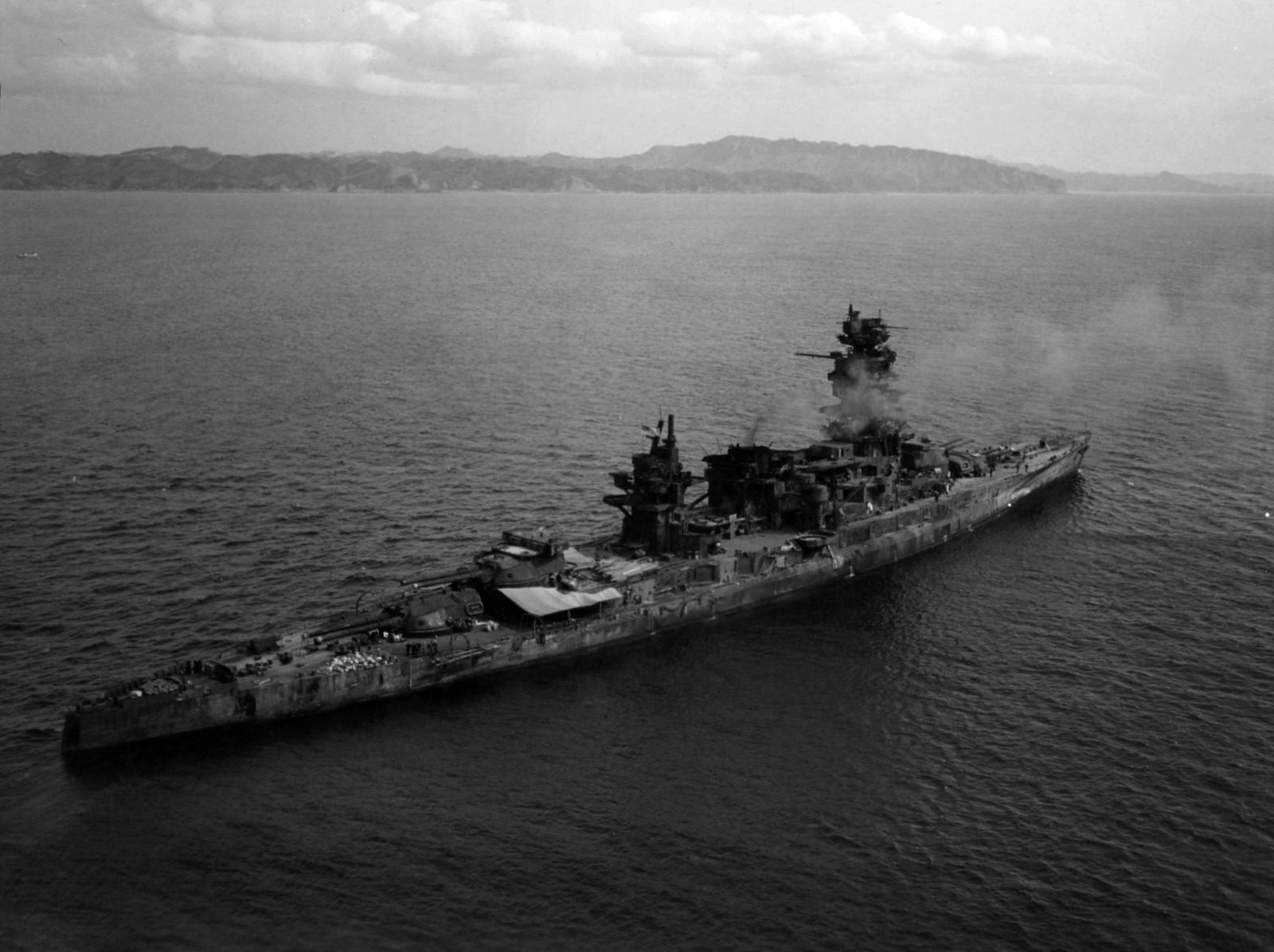
HIJMS Nagato — illustrative image

HIJMS Nagato

Japanese Nagato-class battleship Affondata 1946 33–51 m Bikini Atoll
Illustrazione generata dall'AI
Qui si sono perse delle viteNone in the sinking — she was unmanned at Bikini. Gli operatori locali chiedono che il relitto venga visitato con il dovuto rispetto.
Ben documentato
Profondità al ponte
33 m / 108 ft
Profondità massima
51 m / 167 ft
Costruito / affondato
1920 / 1946
Lunghezza
224 m
Orientamento
Capsized
Livello
Technical
Mesi migliori
May–Oct

La storia

When she commissioned in 1920, Nagato was the first battleship in the world to mount 16-inch guns, and for two decades she was the pride of the Combined Fleet. It was from her flagship radio room, at anchor in home waters, that the coded order confirming the Pearl Harbor attack went out in December 1941. She survived Leyte Gulf and finished the war as Japan's last operational battleship, battered at Yokosuka. The Americans took her to Bikini for Operation Crossroads, moored her close to the bomb, and she absorbed both blasts; after Baker she settled slowly for five days and rolled over unobserved during the night of 29–30 July 1946. She rests upside down, her four great screws at technical-diving depth and her 16-inch guns beneath the overturned hull. For wreck divers she is a pilgrimage: the physical remainder of the fleet that began the Pacific war, reachable only by expedition, in a lagoon whose nuclear history is briefed alongside the dive plan.

Come è affondata: Damaged by the Baker atomic test and sank at night on 29–30 July 1946.

Immersioni su di essa oggi

Condizione: Structurally sound but inverted; the superstructure is crushed beneath the hull. Residual radioactivity at diver depths is low on modern surveys — a briefing point, not a barrier.

Penetrazione: Limited. Passages beneath and inside the inverted hull are for experienced technical teams; the casing spaces silt heavily and exits are unobvious. Entrare in qualsiasi ambiente overhead richiede una formazione specifica — come minimo una certificazione wreck, e una formazione tecnica wreck per la penetrazione completa.

Certificazione consigliata: Technical/trimix certification

Corrente: Mild · Visibilità: 20–35 m

Vita marina: Trevally and grey reef sharks patrol the hull's shadowed flanks; growth is modest under the dark overhangs, richer along the propellers.

Pericoli: Depth from the first minute of the dive, overhead environment, remoteness from medical care, and wartime munitions still aboard.

Tutela & normativa

Part of the Bikini Atoll UNESCO World Heritage Site; access only through authorized expeditions with Bikinian and Marshallese approval.

Every object aboard is heritage of two nations — removal is prohibited.

Guarda

Dai canali ufficiali

Tutti i video →

I video sono link incorporati ai canali dei rispettivi autori — non ospitiamo nulla e diamo sempre credito a tutti.

Fonti: UNESCO World Heritage Centre ↗Wikipedia ↗ · Dati verificati rispetto alle fonti indicate; i campi privi di riscontro sono contrassegnati come non ancora verificati.

Australia, Nuova Zelanda e Asia Orientale

Cairns & the Ribbon ReefsNingaloo ReefCoral Sea & Osprey ReefOkinawa & the Kerama IslandsPoor Knights IslandsTownsville & the YongalaGreen IslandIzu Peninsula

Caraibi e Atlantico occidentale

BonaireCozumelRiviera Maya & the CenotesBelize Barrier ReefGrand CaymanIsla Mujeres & CancúnRoatánTiger Beach & Grand Bahama

Europa, Atlantico e Mediterraneo

Malta & GozoSilfra & IcelandThe AzoresCanary IslandsLarnaca & the ZenobiaScapa FlowArctic NorwayMadeira

Oceano Indiano e Africa Orientale

North & South Malé AtollsAri AtollBaa Atoll & Hanifaru BayAliwal Shoal & UmkomaasMafia IslandMauritiusSeychellesSodwana Bay

Isole del Pacifico & Micronesia

PalauChuuk (Truk) LagoonFakaravaKona, HawaiʻiRangiroaTaveuni & Rainbow ReefBeqa Lagoon & Pacific HarbourEspiritu Santo

Mar Rosso & Medio Oriente

Sharm El Sheikh & Ras MohammedBrothers, Daedalus & St John'sDahabHurghada & El GounaMarsa Alam & the Deep SouthAqabaDaymaniyat IslandsMusandam Peninsula

Asia meridionale e Triangolo dei Coralli

Bali & Nusa PenidaKomodoRaja AmpatSipadan & MabulAnilaoCoronKoh TaoLembeh Strait

Le Americhe e il Pacifico orientale

Galápagos IslandsCocos IslandFlorida KeysSea of Cortez & Cabo PulmoSocorro & the RevillagigedosBritish ColumbiaCalifornia Channel IslandsCosta Rica Pacific Coast