Duiksites, seizoenen en zeeleven — onderzocht, in kaart gebracht, gepland.
Menu
Bestemmingen Duiklocaties Zeeleven Wrakken Nieuws
Plan een reis Reisplanner Wanneer duiken Kostencalculator Vergelijkingen Zeeleven-kalender Watertemperatuur Liveaboards Operators & resorts Mariene parken Hyperbare kamers Wereldkaart
Regio's Australië, Nieuw-Zeeland & Oost-AziëCaribisch gebied & westelijke Atlantische OceaanEuropa, Atlantische Oceaan & Middellandse ZeeIndische Oceaan & Oost-AfrikaPacifische eilanden & MicronesiëRode Zee & Midden-OostenZuidoost-Azië & Coral TriangleDe Amerika's & Oost-Stille Oceaan Landen
Leren & Tools Alle gidsen Brevetten Uitrustingsgidsen Video's Vraag de data AI-agents API
Over Over ons Methodologie Disclaimer Contact
Jouw weergave
★ Opgeslagen

Jouw favoriete bestemmingen, duiklocaties en soorten — opgeslagen in deze browser.

API GATEWAY

Gratis alleen-lezen JSON-toegang tot de gecachede data van de atlas.

Donkere modus

🧭 Begeleide weergave
Nieuw met duiken — dieptes, stromingen, brevetniveaus? We leggen elke term uit terwijl je bladert, in gewone taal. Dezelfde gegevens, met ingebouwde uitleg.

⚡ Expertweergave
Je weet het verschil tussen een wand en een drift dive al. Alleen de data — overzichtelijk, snel en compact. Dit is de standaardweergave.

Interfacetaal
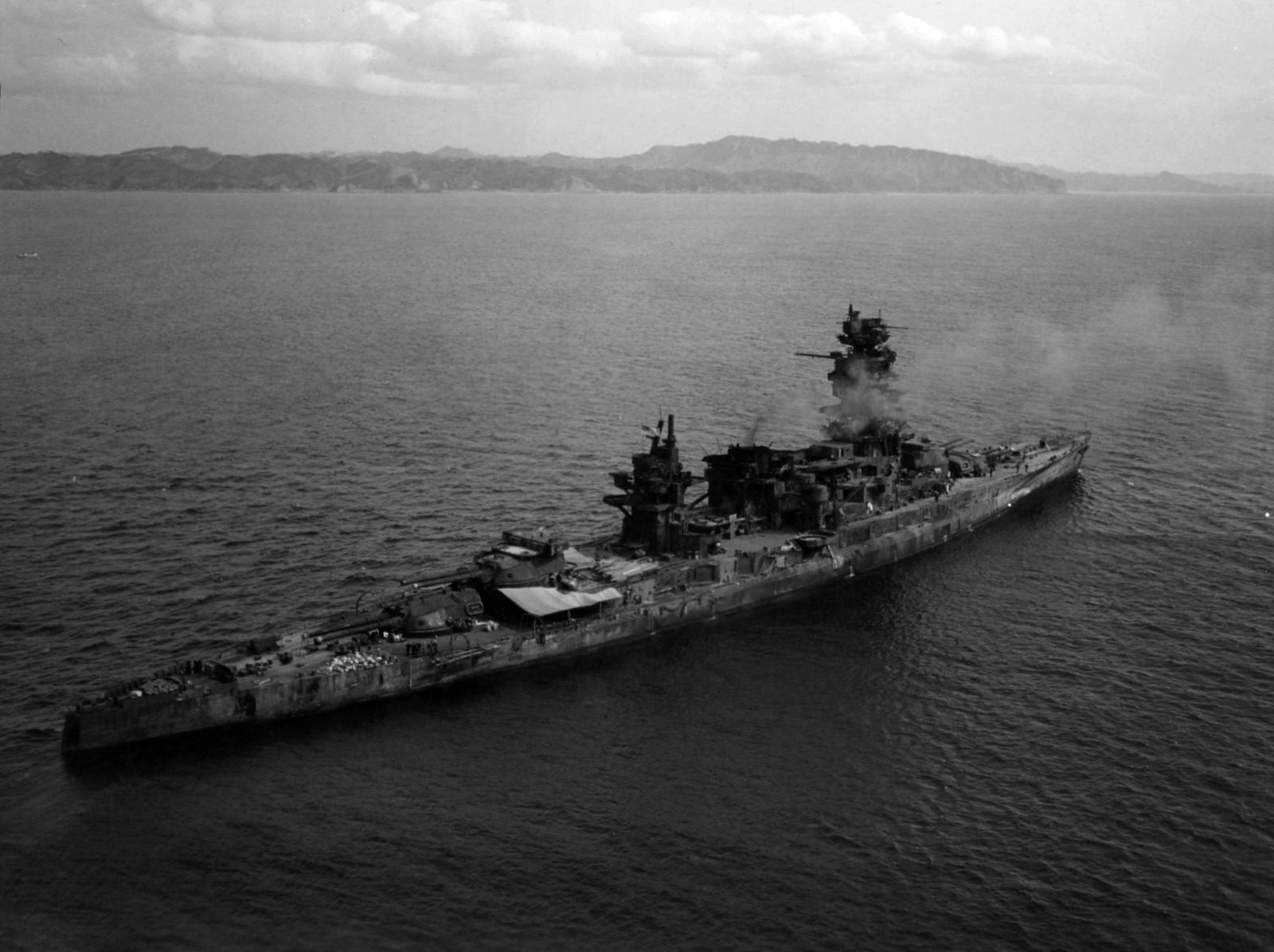
HIJMS Nagato — illustrative image

HIJMS Nagato

Japanese Nagato-class battleship Gezonken 1946 33–51 m Bikini Atoll
AI-gegenereerde illustratie
Er zijn levens verloren gegaanNone in the sinking — she was unmanned at Bikini. Lokale operators verzoeken het wrak met gepast respect te duiken.
Goed gedocumenteerd
Diepte tot dek
33 m / 108 ft
Maximale diepte
51 m / 167 ft
Gebouwd / gezonken
1920 / 1946
Lengte
224 m
Oriëntatie
Capsized
Niveau
Technical
Beste maanden
May–Oct

Het verhaal

When she commissioned in 1920, Nagato was the first battleship in the world to mount 16-inch guns, and for two decades she was the pride of the Combined Fleet. It was from her flagship radio room, at anchor in home waters, that the coded order confirming the Pearl Harbor attack went out in December 1941. She survived Leyte Gulf and finished the war as Japan's last operational battleship, battered at Yokosuka. The Americans took her to Bikini for Operation Crossroads, moored her close to the bomb, and she absorbed both blasts; after Baker she settled slowly for five days and rolled over unobserved during the night of 29–30 July 1946. She rests upside down, her four great screws at technical-diving depth and her 16-inch guns beneath the overturned hull. For wreck divers she is a pilgrimage: the physical remainder of the fleet that began the Pacific war, reachable only by expedition, in a lagoon whose nuclear history is briefed alongside the dive plan.

Hoe ze zonk: Damaged by the Baker atomic test and sank at night on 29–30 July 1946.

Duik er vandaag in

Conditie: Structurally sound but inverted; the superstructure is crushed beneath the hull. Residual radioactivity at diver depths is low on modern surveys — a briefing point, not a barrier.

Penetratieduiken: Limited. Passages beneath and inside the inverted hull are for experienced technical teams; the casing spaces silt heavily and exits are unobvious. Het betreden van elke overhead-omgeving vereist specifieke training — minimaal een wrakduikcertificaat, technische wraktraining voor volledige penetratie.

Aanbevolen certificering: Technical/trimix certification

Stroming: Mild · Zicht: 20–35 m

Zeeleven: Trevally and grey reef sharks patrol the hull's shadowed flanks; growth is modest under the dark overhangs, richer along the propellers.

Gevaren: Depth from the first minute of the dive, overhead environment, remoteness from medical care, and wartime munitions still aboard.

Bescherming & wetgeving

Part of the Bikini Atoll UNESCO World Heritage Site; access only through authorized expeditions with Bikinian and Marshallese approval.

Every object aboard is heritage of two nations — removal is prohibited.

Bekijk

Via de officiële kanalen

Alle video's →

Video's zijn ingesloten links naar de kanalen van de makers zelf — wij hosten niets en vermelden altijd de bron.

Bronnen: UNESCO World Heritage Centre ↗Wikipedia ↗ · Feiten geverifieerd aan de hand van bovenstaande bronnen; velden zonder onderbouwing zijn aangemerkt als nog niet geverifieerd.

Australië, Nieuw-Zeeland & Oost-Azië

Cairns & the Ribbon ReefsNingaloo ReefCoral Sea & Osprey ReefOkinawa & the Kerama IslandsPoor Knights IslandsTownsville & the YongalaGreen IslandIzu Peninsula

Caribisch gebied & westelijke Atlantische Oceaan

BonaireCozumelRiviera Maya & the CenotesBelize Barrier ReefGrand CaymanIsla Mujeres & CancúnRoatánTiger Beach & Grand Bahama

Europa, Atlantische Oceaan & Middellandse Zee

Malta & GozoSilfra & IcelandThe AzoresCanary IslandsLarnaca & the ZenobiaScapa FlowArctic NorwayMadeira

Indische Oceaan & Oost-Afrika

North & South Malé AtollsAri AtollBaa Atoll & Hanifaru BayAliwal Shoal & UmkomaasMafia IslandMauritiusSeychellesSodwana Bay

Pacifische eilanden & Micronesië

PalauChuuk (Truk) LagoonFakaravaKona, HawaiʻiRangiroaTaveuni & Rainbow ReefBeqa Lagoon & Pacific HarbourEspiritu Santo

Rode Zee & Midden-Oosten

Sharm El Sheikh & Ras MohammedBrothers, Daedalus & St John'sDahabHurghada & El GounaMarsa Alam & the Deep SouthAqabaDaymaniyat IslandsMusandam Peninsula

Zuidoost-Azië & Coral Triangle

Bali & Nusa PenidaKomodoRaja AmpatSipadan & MabulAnilaoCoronKoh TaoLembeh Strait

De Amerika's & Oost-Stille Oceaan

Galápagos IslandsCocos IslandFlorida KeysSea of Cortez & Cabo PulmoSocorro & the RevillagigedosBritish ColumbiaCalifornia Channel IslandsCosta Rica Pacific Coast