Tauchplätze, Saisons und Meereslebewesen – recherchiert, kartiert, geplant.
Menü
Reiseziele Tauchplätze Meeresleben Wracks News
Eine Reise planen Tauchtrip-Planer Wann tauchen Kostenrechner Vergleiche Meereslebewesen-Kalender Wassertemperatur Liveaboards Tauchbetriebe & Resorts Meeresschutzgebiete Druckkammern Weltkarte
Regionen Australien, Neuseeland & OstasienKaribik & WestatlantikEuropa, Atlantik & MittelmeerIndischer Ozean & OstafrikaPazifikinseln & MikronesienRotes Meer & Naher OstenSüdostasien & Korallen-DreieckAmerika & Östlicher Pazifik Länder
Lernen & Tools Alle Guides Zertifizierungen Ausrüstungsratgeber Videos Daten abfragen KI-Agenten API
Über uns Über uns Methodik Haftungsausschluss Kontakt
Deine Ansicht
★ Gespeichert

Deine gespeicherten Reiseziele, Tauchplätze und Tierarten — im Browser gespeichert.

API-GATEWAY

Kostenloser, schreibgeschützter JSON-Zugriff auf die gecachten Daten des Atlas.

Dunkelmodus

🧭 Geführte Ansicht
Neu beim Tauchen — Tiefen, Strömungen, Zertifizierungsstufen? Wir erklären jeden Begriff beim Stöbern in verständlicher Sprache. Dieselben Daten, mit integrierter Hilfe.

⚡ Expertenansicht
Du kennst den Unterschied zwischen einem Wall und einem Drift Dive. Nur die Daten – klar, schnell und kompakt. Das ist die Standardansicht.

Oberflächensprache
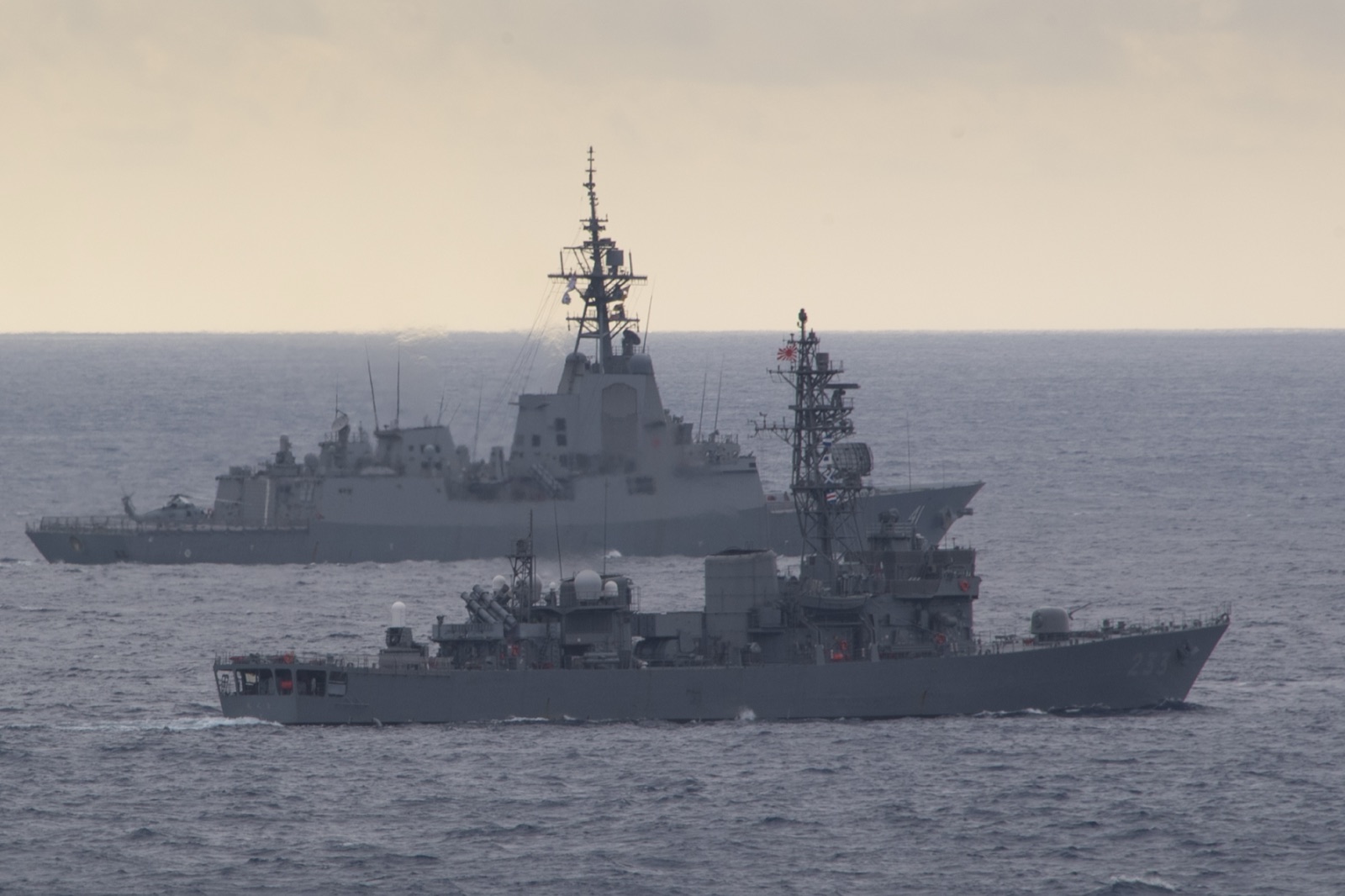
HMAS Brisbane — illustrative image

HMAS Brisbane

Perth-class (Charles F. Adams-type) guided missile destroyer, Royal Australian Navy Gesunken 2005 ~28 m Mooloolaba, Sunshine Coast, Queensland
KI-generierte Illustration
Hier wurden Leben verlorenNone (planned scuttling). Lokale Tauchbetriebe bitten darum, das Wrack mit dem entsprechenden Respekt zu tauchen.
Gut dokumentiert
Maximale Tiefe
28 m / 92 ft
Gebaut / versenkt
1966 / 2005
Länge
133 m
Orientierung
Upright
Level
Intermediate
Beste Monate
May–Oct

Die Geschichte dahinter

'The Steel Cat' earned her nickname the hard way: two gunline deployments to Vietnam, where her five-inch mounts fired thousands of rounds in shore bombardment, and a 1991 tour in the Gulf War made the Brisbane one of the Royal Australian Navy's most worked destroyers. Decommissioned in 2001 — her bridge and a gun mount went to the Australian War Memorial — she was prepared with unusual thoroughness and scuttled on 31 July 2005 a few kilometers off Mooloolaba on Queensland's Sunshine Coast, going down flat and upright in front of a spectator fleet. Queensland then did something rare: it declared the wreck its own conservation park, so access runs through permitted operators and fees fund her management. She sits upright and whole in about 28 meters, superstructure standing tall, with dozens of cut access points turning the hull into a honeycomb of legal, well-planned swim-throughs past mess decks, the operations room and the missile magazine. Colonization has been fast and gaudy — soft corals, kingfish and batfish over the deck, wobbegongs and moray eels inside, eagle rays and turtles on the sand — and she is now Australia's benchmark east-coast wreck outside the tropics.

Wie sie sank: Deliberately scuttled as a dedicated dive site off Mooloolaba, Sunshine Coast, Queensland, 31 July 2005.

Heute dort tauchen

Bedingung: Upright and intact from sonar dome to gun mounts, with vigorous soft-coral growth; among the best-prepared reef ships anywhere

Wrackinnenraum-Tauchen: Full With Training. Purpose-cut openings and mapped internal routes make guided penetration standard here; deeper machinery spaces still call for wreck certification and lights. Das Betreten von Überkopf-Umgebungen erfordert eine spezifische Ausbildung – mindestens ein Wrack-Zertifikat, für die vollständige Penetration eine technische Wrack-Ausbildung.

Empfohlene Zertifizierung: Advanced Open Water

Strömung: Moderate · Sichtweite: 5–20 m

Meeresleben: Queensland grouper and estuary cod inside, wobbegong sharks on the deck plates, schooling kingfish and batfish above, nudibranchs on the guns, and turtles and eagle rays over the sand.

Gefahren: Exposed-coast conditions, surge in the upper structure, and enough interior to lose count of exits without a guide

Schutz & Recht

Ex-HMAS Brisbane Conservation Park — diving only through permitted operators, with fees supporting site management

Ansehen

Aus den offiziellen Kanälen

Alle Videos →

Videos sind eingebettete Links zu den Kanälen der jeweiligen Ersteller – wir hosten nichts und geben für alles die Quelle an.

Quellen: Queensland Government ↗Wikipedia ↗ · Fakten wurden anhand der oben genannten Quellen verifiziert; Felder ohne Quellenbeleg sind als noch nicht verifiziert gekennzeichnet.

Australien, Neuseeland & Ostasien

Cairns & the Ribbon ReefsNingaloo ReefCoral Sea & Osprey ReefOkinawa & the Kerama IslandsPoor Knights IslandsTownsville & the YongalaGreen IslandIzu Peninsula

Karibik & Westatlantik

BonaireCozumelRiviera Maya & the CenotesBelize Barrier ReefGrand CaymanIsla Mujeres & CancúnRoatánTiger Beach & Grand Bahama

Europa, Atlantik & Mittelmeer

Malta & GozoSilfra & IcelandThe AzoresCanary IslandsLarnaca & the ZenobiaScapa FlowArctic NorwayMadeira

Indischer Ozean & Ostafrika

North & South Malé AtollsAri AtollBaa Atoll & Hanifaru BayAliwal Shoal & UmkomaasMafia IslandMauritiusSeychellesSodwana Bay

Pazifikinseln & Mikronesien

PalauChuuk (Truk) LagoonFakaravaKona, HawaiʻiRangiroaTaveuni & Rainbow ReefBeqa Lagoon & Pacific HarbourEspiritu Santo

Rotes Meer & Naher Osten

Sharm El Sheikh & Ras MohammedBrothers, Daedalus & St John'sDahabHurghada & El GounaMarsa Alam & the Deep SouthAqabaDaymaniyat IslandsMusandam Peninsula

Südostasien & Korallen-Dreieck

Bali & Nusa PenidaKomodoRaja AmpatSipadan & MabulAnilaoCoronKoh TaoLembeh Strait

Amerika & Östlicher Pazifik

Galápagos IslandsCocos IslandFlorida KeysSea of Cortez & Cabo PulmoSocorro & the RevillagigedosBritish ColumbiaCalifornia Channel IslandsCosta Rica Pacific Coast