Sites de plongée, saisons et vie marine — recherchés, cartographiés, planifiés.
Menu
Destinations Sites de plongée Vie marine Épaves Actualités
Planifier un voyage Planificateur de séjour Quand plonger Calculateur de coût Comparaisons Calendrier de la faune marine Température de l'eau Liveaboards Opérateurs & resorts Parcs marins Caissons hyperbares Carte du monde
Régions Australie, Nouvelle-Zélande & Asie de l'EstCaraïbes & Atlantique occidentalEurope, Atlantique & MéditerranéeOcéan Indien & Afrique de l'EstÎles du Pacifique & MicronésieMer Rouge & Moyen-OrientAsie du Sud-Est et Triangle de CorailLes Amériques et Pacifique Est Pays
Apprendre & Outils Tous les guides Certifications Guides d'équipement Vidéos Interroger les données Agents IA API
À propos À propos de nous Méthodologie Avertissement Contact
Votre vue
★ Enregistré

Vos destinations, sites et espèces favoris — enregistrés dans ce navigateur.

API GATEWAY

Accès JSON gratuit en lecture seule aux données en cache de l'atlas.

Mode sombre

🧭 Vue Guidée
Nouveau dans la plongée — profondeurs, courants, niveaux de certification ? Nous expliquons chaque terme au fil de votre navigation, en langage clair. Les mêmes données, avec l'aide intégrée.

⚡ Vue Expert
Vous connaissez déjà la différence entre un tombant et un drift. Juste les données — claires, rapides et compactes. C'est la vue par défaut.

Langue de l'interface
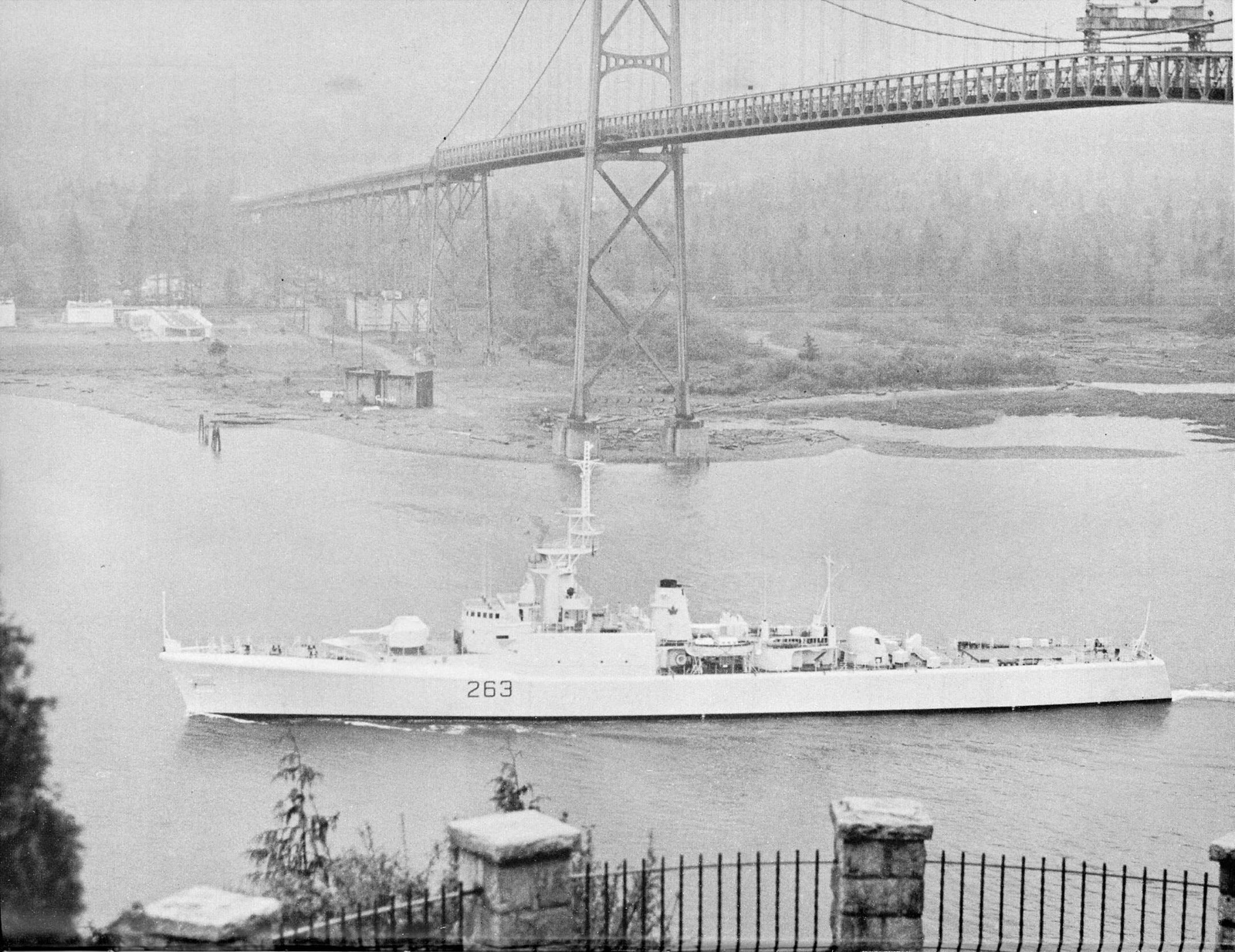
HMCS Yukon — illustrative image

HMCS Yukon

Mackenzie-class destroyer escort, Royal Canadian Navy Coulé 2000 18–32 m Wreck Alley, San Diego
Illustration générée par IA
Des vies ont été perdues iciNone. Les opérateurs locaux demandent que l'épave soit plongée avec le respect qui s'impose.
Bien documenté
Profondeur jusqu'au pont
18 m / 59 ft
Profondeur maximale
32 m / 105 ft
Construit / coulé
1961 / 2000
Longueur
111 m
Orientation
Port Side
Niveau
Advanced
Meilleurs mois
Aug–Nov

L'histoire

The Yukon spent three decades patrolling the Pacific for the Royal Canadian Navy before San Diego bought her for the bottom of Wreck Alley, the cluster of intentional sinkings off Mission Beach. Volunteers spent months cutting access holes and stripping hazards for a celebratory public scuttling in July 2000 — and the ocean skipped the ceremony. The night before the event, swells worked through her prepared openings, and spectators arrived to find the destroyer already gone, sunk unmanned in the dark. She also ignored the plan on the way down, landing on her port side rather than upright in about 32 meters of green Californian water. That accident defines the dive: every passageway runs sideways, which disorients even experienced wreck divers, and the Yukon has been the site of multiple fatalities — operators are blunt that her interior is for properly trained teams only. Outside, she has become a spectacular cold-water reef, furred bow to stern in white plumose anemones, patrolled by sheephead and calico bass, with octopus and lingcod in the gun mounts. In California wreck diving she is the centerpiece, respected in both senses of the word.

Comment elle a coulé: Prepared for reefing off San Diego; flooded in swells and sank unmanned overnight on 14 July 2000, hours before her scheduled scuttling.

Plongée sur ce site aujourd'hui

Condition: Intact on her port side; hull sound, with fittings and lighter structures slowly shedding

Pénétration: Full With Training. Cut access holes exist throughout, but the sideways attitude, cold water, surge and silt have contributed to diver deaths here — interior travel is for wreck-trained, well-equipped teams with lines and lights. Toute pénétration en environnement semi-fermé exige une formation spécifique — au minimum une certification épave, et une formation technique épave pour une pénétration complète.

Certification recommandée: Advanced Open Water with cold-water experience; wreck training for any entry

Courant: Mild · Visibilité: 5–15 m

Vie marine: A full coat of white Metridium anemones, California sheephead, calico bass, lingcod, painted greenlings, and giant Pacific octopus denned in the machinery.

Dangers: Cold water, surge, disorienting sideways interior, and a record of fatalities inside — stay outside without overhead training

Regarder

Depuis les canaux officiels

Toutes les vidéos →

Les vidéos sont des liens intégrés vers les chaînes de leurs créateurs — nous n'hébergeons rien et créditons tout.

Sources: San Diego Oceans Foundation ↗Wikipedia ↗ · Informations vérifiées par rapport aux sources ci-dessus ; les champs sans référence sont marqués non encore vérifiés.

Australie, Nouvelle-Zélande & Asie de l'Est

Cairns & the Ribbon ReefsNingaloo ReefCoral Sea & Osprey ReefOkinawa & the Kerama IslandsPoor Knights IslandsTownsville & the YongalaGreen IslandIzu Peninsula

Caraïbes & Atlantique occidental

BonaireCozumelRiviera Maya & the CenotesBelize Barrier ReefGrand CaymanIsla Mujeres & CancúnRoatánTiger Beach & Grand Bahama

Europe, Atlantique & Méditerranée

Malta & GozoSilfra & IcelandThe AzoresCanary IslandsLarnaca & the ZenobiaScapa FlowArctic NorwayMadeira

Océan Indien & Afrique de l'Est

North & South Malé AtollsAri AtollBaa Atoll & Hanifaru BayAliwal Shoal & UmkomaasMafia IslandMauritiusSeychellesSodwana Bay

Îles du Pacifique & Micronésie

PalauChuuk (Truk) LagoonFakaravaKona, HawaiʻiRangiroaTaveuni & Rainbow ReefBeqa Lagoon & Pacific HarbourEspiritu Santo

Mer Rouge & Moyen-Orient

Sharm El Sheikh & Ras MohammedBrothers, Daedalus & St John'sDahabHurghada & El GounaMarsa Alam & the Deep SouthAqabaDaymaniyat IslandsMusandam Peninsula

Asie du Sud-Est et Triangle de Corail

Bali & Nusa PenidaKomodoRaja AmpatSipadan & MabulAnilaoCoronKoh TaoLembeh Strait

Les Amériques et Pacifique Est

Galápagos IslandsCocos IslandFlorida KeysSea of Cortez & Cabo PulmoSocorro & the RevillagigedosBritish ColumbiaCalifornia Channel IslandsCosta Rica Pacific Coast