Siti di immersione, stagioni e fauna marina — ricercati, mappati, pianificati.
Menu
Destinazioni Siti di immersione Vita marina Relitti Notizie
Pianifica un viaggio Pianificatore di viaggi Quando immergersi Calcolatore dei costi Confronti Calendario della fauna marina Temperatura dell'acqua Liveaboard Operatori & resort Parchi marini Camere iperbariche Mappa del mondo
Regioni Australia, Nuova Zelanda e Asia OrientaleCaraibi e Atlantico occidentaleEuropa, Atlantico e MediterraneoOceano Indiano e Africa OrientaleIsole del Pacifico & MicronesiaMar Rosso & Medio OrienteAsia meridionale e Triangolo dei CoralliLe Americhe e il Pacifico orientale Paesi
Impara e strumenti Tutte le guide Brevetti Guide all'attrezzatura Video Interroga i dati AI Agent API
Informazioni Chi siamo Metodologia Disclaimer Contatti
La tua vista
★ Salvato

Le tue destinazioni, siti e specie preferiti — salvati in questo browser.

API GATEWAY

Accesso JSON gratuito in sola lettura ai dati in cache dell'atlante.

Modalità scura

🧭 Visualizzazione Guidata
Sei nuovo alle immersioni — profondità, correnti, livelli di brevetto? Spieghiamo ogni termine mentre navighi, in modo semplice e chiaro. Gli stessi dati, con il supporto integrato.

⚡ Visualizzazione Esperta
Conosci già la differenza tra una parete e una drift dive. Solo i dati — chiari, rapidi e compatti. Questa è la visualizzazione predefinita.

Lingua dell'interfaccia
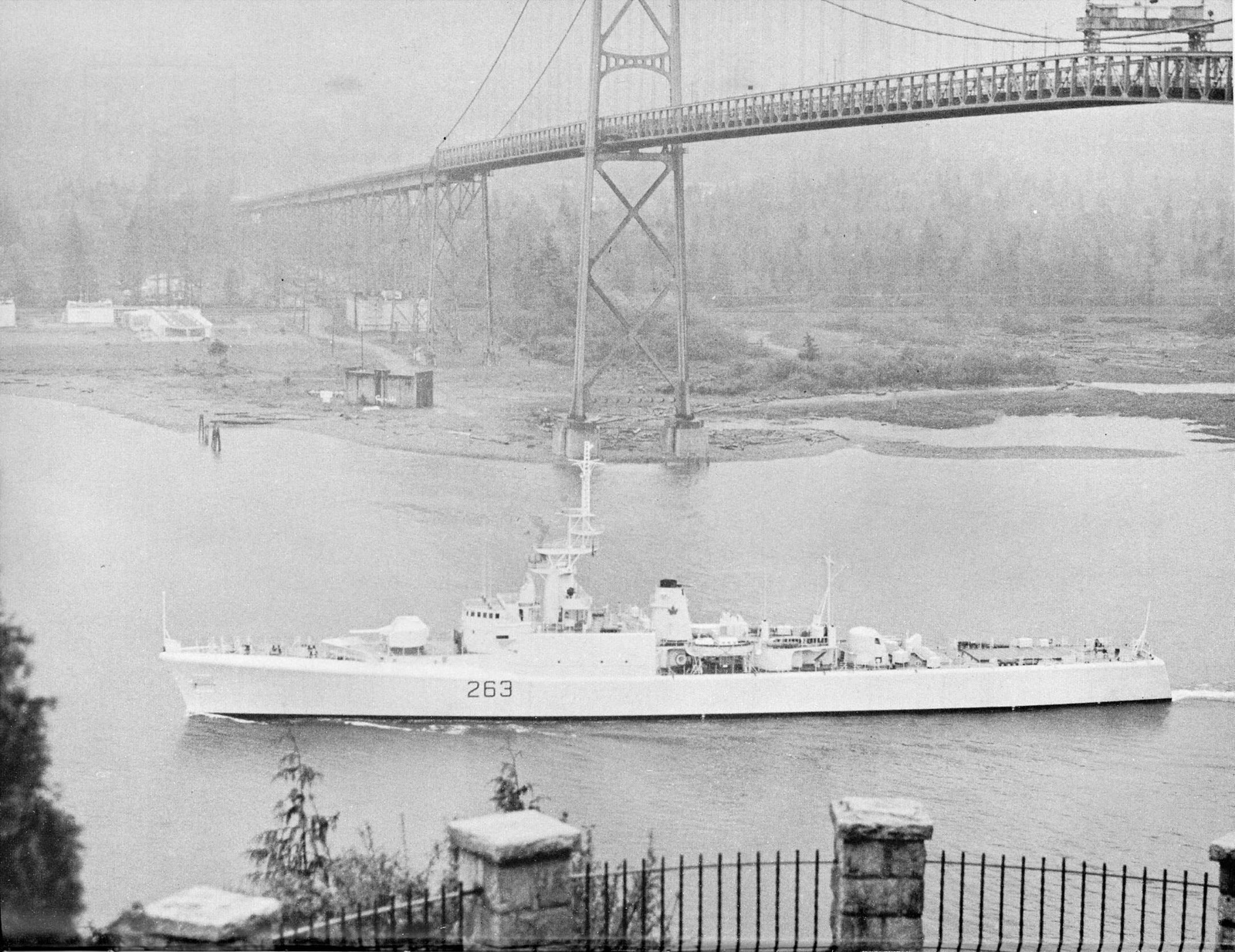
HMCS Yukon — illustrative image

HMCS Yukon

Mackenzie-class destroyer escort, Royal Canadian Navy Affondata 2000 18–32 m Wreck Alley, San Diego
Illustrazione generata dall'AI
Qui si sono perse delle viteNone. Gli operatori locali chiedono che il relitto venga visitato con il dovuto rispetto.
Ben documentato
Profondità al ponte
18 m / 59 ft
Profondità massima
32 m / 105 ft
Costruito / affondato
1961 / 2000
Lunghezza
111 m
Orientamento
Port Side
Livello
Advanced
Mesi migliori
Aug–Nov

La storia

The Yukon spent three decades patrolling the Pacific for the Royal Canadian Navy before San Diego bought her for the bottom of Wreck Alley, the cluster of intentional sinkings off Mission Beach. Volunteers spent months cutting access holes and stripping hazards for a celebratory public scuttling in July 2000 — and the ocean skipped the ceremony. The night before the event, swells worked through her prepared openings, and spectators arrived to find the destroyer already gone, sunk unmanned in the dark. She also ignored the plan on the way down, landing on her port side rather than upright in about 32 meters of green Californian water. That accident defines the dive: every passageway runs sideways, which disorients even experienced wreck divers, and the Yukon has been the site of multiple fatalities — operators are blunt that her interior is for properly trained teams only. Outside, she has become a spectacular cold-water reef, furred bow to stern in white plumose anemones, patrolled by sheephead and calico bass, with octopus and lingcod in the gun mounts. In California wreck diving she is the centerpiece, respected in both senses of the word.

Come è affondata: Prepared for reefing off San Diego; flooded in swells and sank unmanned overnight on 14 July 2000, hours before her scheduled scuttling.

Immersioni su di essa oggi

Condizione: Intact on her port side; hull sound, with fittings and lighter structures slowly shedding

Penetrazione: Full With Training. Cut access holes exist throughout, but the sideways attitude, cold water, surge and silt have contributed to diver deaths here — interior travel is for wreck-trained, well-equipped teams with lines and lights. Entrare in qualsiasi ambiente overhead richiede una formazione specifica — come minimo una certificazione wreck, e una formazione tecnica wreck per la penetrazione completa.

Certificazione consigliata: Advanced Open Water with cold-water experience; wreck training for any entry

Corrente: Mild · Visibilità: 5–15 m

Vita marina: A full coat of white Metridium anemones, California sheephead, calico bass, lingcod, painted greenlings, and giant Pacific octopus denned in the machinery.

Pericoli: Cold water, surge, disorienting sideways interior, and a record of fatalities inside — stay outside without overhead training

Guarda

Dai canali ufficiali

Tutti i video →

I video sono link incorporati ai canali dei rispettivi autori — non ospitiamo nulla e diamo sempre credito a tutti.

Fonti: San Diego Oceans Foundation ↗Wikipedia ↗ · Dati verificati rispetto alle fonti indicate; i campi privi di riscontro sono contrassegnati come non ancora verificati.

Australia, Nuova Zelanda e Asia Orientale

Cairns & the Ribbon ReefsNingaloo ReefCoral Sea & Osprey ReefOkinawa & the Kerama IslandsPoor Knights IslandsTownsville & the YongalaGreen IslandIzu Peninsula

Caraibi e Atlantico occidentale

BonaireCozumelRiviera Maya & the CenotesBelize Barrier ReefGrand CaymanIsla Mujeres & CancúnRoatánTiger Beach & Grand Bahama

Europa, Atlantico e Mediterraneo

Malta & GozoSilfra & IcelandThe AzoresCanary IslandsLarnaca & the ZenobiaScapa FlowArctic NorwayMadeira

Oceano Indiano e Africa Orientale

North & South Malé AtollsAri AtollBaa Atoll & Hanifaru BayAliwal Shoal & UmkomaasMafia IslandMauritiusSeychellesSodwana Bay

Isole del Pacifico & Micronesia

PalauChuuk (Truk) LagoonFakaravaKona, HawaiʻiRangiroaTaveuni & Rainbow ReefBeqa Lagoon & Pacific HarbourEspiritu Santo

Mar Rosso & Medio Oriente

Sharm El Sheikh & Ras MohammedBrothers, Daedalus & St John'sDahabHurghada & El GounaMarsa Alam & the Deep SouthAqabaDaymaniyat IslandsMusandam Peninsula

Asia meridionale e Triangolo dei Coralli

Bali & Nusa PenidaKomodoRaja AmpatSipadan & MabulAnilaoCoronKoh TaoLembeh Strait

Le Americhe e il Pacifico orientale

Galápagos IslandsCocos IslandFlorida KeysSea of Cortez & Cabo PulmoSocorro & the RevillagigedosBritish ColumbiaCalifornia Channel IslandsCosta Rica Pacific Coast