Pontos de mergulho, épocas e vida marinha — pesquisados, mapeados, planeados.
Menu
Destinos Pontos de Mergulho Vida Marinha Naufrágios Notícias
Planejar uma viagem Planejador de viagem Quando mergulhar Calculadora de custos Comparações Calendário de vida marinha Temperatura da água Liveaboards Operadores & resorts Parques marinhos Câmaras hiperbáricas Mapa mundial
Regiões Austrália, Nova Zelândia e Ásia OrientalCaribe e Atlântico OcidentalEuropa, Atlântico & MediterrâneoOceano Índico e África OrientalIlhas do Pacífico & MicronésiaMar Vermelho & Médio OrienteSudeste Asiático e Triângulo de CoralAs Américas e o Pacífico Oriental Países
Aprender e Ferramentas Todos os guias Certificações Guias de equipamento Vídeos Consulte os Dados Agentes de IA API
Sobre Sobre nós Metodologia Aviso legal Contato
A sua vista
★ Guardado

Os seus destinos, sítios de mergulho e espécies favoritos — guardados neste browser.

API GATEWAY

Acesso JSON gratuito e só de leitura aos dados em cache do atlas.

Modo escuro

🧭 Vista Guiada
Novo no mergulho — profundidades, correntes, níveis de certificação? Explicamos cada termo enquanto navega, em linguagem simples. Os mesmos dados, com a ajuda integrada.

⚡ Vista de Especialista
Já sabe a diferença entre uma parede e um drift dive. Apenas os dados — claros, rápidos e compactos. Esta é a vista predefinida.

Idioma da interface
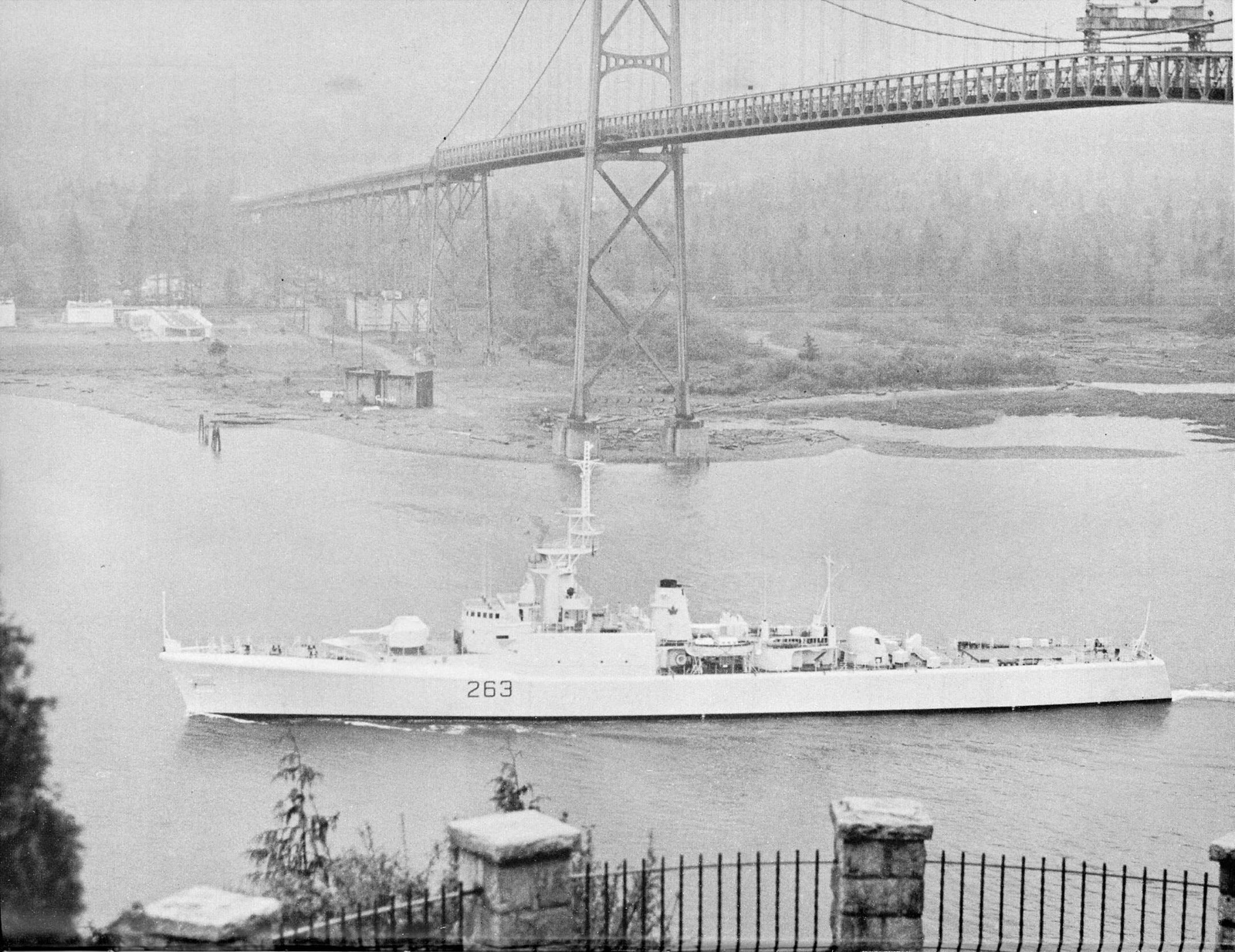
HMCS Yukon — illustrative image

HMCS Yukon

Mackenzie-class destroyer escort, Royal Canadian Navy Afundado 2000 18–32 m Wreck Alley, San Diego
Ilustração gerada por IA
Houve vidas perdidas aquiNone. Os operadores locais pedem que o naufrágio seja mergulhado com o respeito correspondente.
Bem documentado
Profundidade até o convés
18 m / 59 ft
Profundidade máxima
32 m / 105 ft
Construído / afundado
1961 / 2000
Comprimento
111 m
Orientação
Port Side
Nível
Advanced
Melhores meses
Aug–Nov

A história

The Yukon spent three decades patrolling the Pacific for the Royal Canadian Navy before San Diego bought her for the bottom of Wreck Alley, the cluster of intentional sinkings off Mission Beach. Volunteers spent months cutting access holes and stripping hazards for a celebratory public scuttling in July 2000 — and the ocean skipped the ceremony. The night before the event, swells worked through her prepared openings, and spectators arrived to find the destroyer already gone, sunk unmanned in the dark. She also ignored the plan on the way down, landing on her port side rather than upright in about 32 meters of green Californian water. That accident defines the dive: every passageway runs sideways, which disorients even experienced wreck divers, and the Yukon has been the site of multiple fatalities — operators are blunt that her interior is for properly trained teams only. Outside, she has become a spectacular cold-water reef, furred bow to stern in white plumose anemones, patrolled by sheephead and calico bass, with octopus and lingcod in the gun mounts. In California wreck diving she is the centerpiece, respected in both senses of the word.

Como afundou: Prepared for reefing off San Diego; flooded in swells and sank unmanned overnight on 14 July 2000, hours before her scheduled scuttling.

A mergulhar nela hoje

Condição: Intact on her port side; hull sound, with fittings and lighter structures slowly shedding

Penetração: Full With Training. Cut access holes exist throughout, but the sideways attitude, cold water, surge and silt have contributed to diver deaths here — interior travel is for wreck-trained, well-equipped teams with lines and lights. Entrar em qualquer ambiente fechado requer formação específica — no mínimo uma certificação de mergulho em naufrágios, e formação técnica em naufrágios para penetração total.

Certificação recomendada: Advanced Open Water with cold-water experience; wreck training for any entry

Corrente: Mild · Visibilidade: 5–15 m

Vida marinha: A full coat of white Metridium anemones, California sheephead, calico bass, lingcod, painted greenlings, and giant Pacific octopus denned in the machinery.

Perigos: Cold water, surge, disorienting sideways interior, and a record of fatalities inside — stay outside without overhead training

Assista

Dos canais oficiais

Todos os vídeos →

Os vídeos são links incorporados dos próprios canais dos criadores — não hospedamos nada e creditamos tudo.

Fontes: San Diego Oceans Foundation ↗Wikipedia ↗ · Factos verificados em relação às fontes acima; os campos sem suporte estão assinalados como não verificado ainda.

Austrália, Nova Zelândia e Ásia Oriental

Cairns & the Ribbon ReefsNingaloo ReefCoral Sea & Osprey ReefOkinawa & the Kerama IslandsPoor Knights IslandsTownsville & the YongalaGreen IslandIzu Peninsula

Caribe e Atlântico Ocidental

BonaireCozumelRiviera Maya & the CenotesBelize Barrier ReefGrand CaymanIsla Mujeres & CancúnRoatánTiger Beach & Grand Bahama

Europa, Atlântico & Mediterrâneo

Malta & GozoSilfra & IcelandThe AzoresCanary IslandsLarnaca & the ZenobiaScapa FlowArctic NorwayMadeira

Oceano Índico e África Oriental

North & South Malé AtollsAri AtollBaa Atoll & Hanifaru BayAliwal Shoal & UmkomaasMafia IslandMauritiusSeychellesSodwana Bay

Ilhas do Pacífico & Micronésia

PalauChuuk (Truk) LagoonFakaravaKona, HawaiʻiRangiroaTaveuni & Rainbow ReefBeqa Lagoon & Pacific HarbourEspiritu Santo

Mar Vermelho & Médio Oriente

Sharm El Sheikh & Ras MohammedBrothers, Daedalus & St John'sDahabHurghada & El GounaMarsa Alam & the Deep SouthAqabaDaymaniyat IslandsMusandam Peninsula

Sudeste Asiático e Triângulo de Coral

Bali & Nusa PenidaKomodoRaja AmpatSipadan & MabulAnilaoCoronKoh TaoLembeh Strait

As Américas e o Pacífico Oriental

Galápagos IslandsCocos IslandFlorida KeysSea of Cortez & Cabo PulmoSocorro & the RevillagigedosBritish ColumbiaCalifornia Channel IslandsCosta Rica Pacific Coast