Siti di immersione, stagioni e fauna marina — ricercati, mappati, pianificati.
Menu
Destinazioni Siti di immersione Vita marina Relitti Notizie
Pianifica un viaggio Pianificatore di viaggi Quando immergersi Calcolatore dei costi Confronti Calendario della fauna marina Temperatura dell'acqua Liveaboard Operatori & resort Parchi marini Camere iperbariche Mappa del mondo
Regioni Australia, Nuova Zelanda e Asia OrientaleCaraibi e Atlantico occidentaleEuropa, Atlantico e MediterraneoOceano Indiano e Africa OrientaleIsole del Pacifico & MicronesiaMar Rosso & Medio OrienteAsia meridionale e Triangolo dei CoralliLe Americhe e il Pacifico orientale Paesi
Impara e strumenti Tutte le guide Brevetti Guide all'attrezzatura Video Interroga i dati AI Agent API
Informazioni Chi siamo Metodologia Disclaimer Contatti
La tua vista
★ Salvato

Le tue destinazioni, siti e specie preferiti — salvati in questo browser.

API GATEWAY

Accesso JSON gratuito in sola lettura ai dati in cache dell'atlante.

Modalità scura

🧭 Visualizzazione Guidata
Sei nuovo alle immersioni — profondità, correnti, livelli di brevetto? Spieghiamo ogni termine mentre navighi, in modo semplice e chiaro. Gli stessi dati, con il supporto integrato.

⚡ Visualizzazione Esperta
Conosci già la differenza tra una parete e una drift dive. Solo i dati — chiari, rapidi e compatti. Questa è la visualizzazione predefinita.

Lingua dell'interfaccia
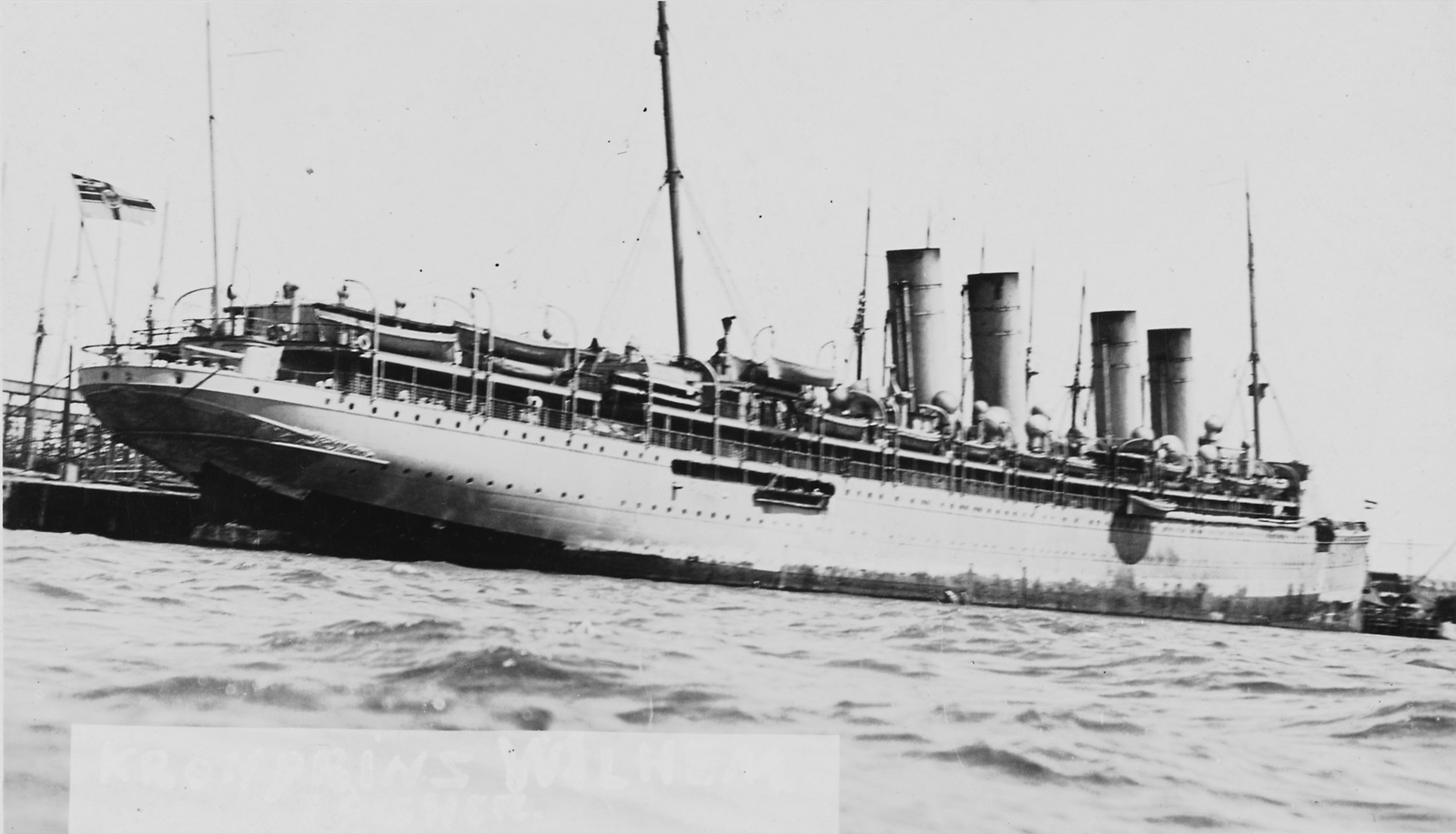
SMS Kronprinz Wilhelm — illustrative image

SMS Kronprinz Wilhelm

König-class dreadnought battleship, German Imperial Navy Affondata 1919 20–38 m Scapa Flow
Illustrazione generata dall'AI
Qui si sono perse delle viteNone aboard her in the scuttling; nine German sailors were killed across the fleet that day. Gli operatori locali chiedono che il relitto venga visitato con il dovuto rispetto.
Ben documentato
Profondità al ponte
20 m / 66 ft
Profondità massima
38 m / 125 ft
Costruito / affondato
1914 / 1919
Lunghezza
175 m
Orientamento
Capsized, Nearly Inverted
Livello
Advanced
Mesi migliori
Apr–Oct

La storia

The Kronprinz fought at Jutland in 1916, took her place in the North Sea standoffs that followed, and was renamed Kronprinz Wilhelm in 1918 to honor the crown prince — just in time to surrender. Interned at Scapa Flow with the rest of the High Seas Fleet while the Versailles negotiations dragged on, she was one of the 52 ships that went down on 21 June 1919 when Admiral Ludwig von Reuter, believing the armistice was expiring and determined to keep his fleet out of British hands, signaled the order to scuttle. The salvage empire of Ernest Cox lifted most of the fleet for scrap in the 1920s and 30s; the Kronprinz Wilhelm was among the seven warships too deep or too awkward to raise, and so became one of diving's great time capsules. She lies almost fully capsized in about 38 meters, her vast hull the first thing divers meet, with 12-inch gun turrets hanging beneath at the seabed and casemate guns, rudders and torpedo tubes readable along the wreck. Of the three surviving battleships she is often rated the most navigable introduction.

Come è affondata: Scuttled with the interned German High Seas Fleet on Admiral von Reuter's order, 21 June 1919.

Immersioni su di essa oggi

Condizione: Coherent capsized hull a century on; internal collapse advancing, with salvage scars from early blasting

Penetrazione: Limited. Openings beneath the upturned hull lead into dark, silt-laden, collapsing spaces — technical wreck teams only, and even they treat her cautiously. Entrare in qualsiasi ambiente overhead richiede una formazione specifica — come minimo una certificazione wreck, e una formazione tecnica wreck per la penetrazione completa.

Certificazione consigliata: Advanced Open Water with deep and drysuit experience

Corrente: Mild · Visibilità: 4–12 m

Vita marina: Plumose anemones and dead-man's-fingers coat the shaded steel, ballan wrasse and saithe patrol the hull, lobsters and edible crabs den in the plating, and dense brittlestars carpet the seabed.

Pericoli: Cold dark water, depth, disorienting inverted topography, and entanglement in old salvage debris

Tutela & normativa

Scheduled monument under UK law — diving is permitted on a strict look-but-do-not-touch basis; removal of anything is an offense

A century of relic-hunting ended with legal protection; nothing may be lifted, moved or recovered.

Guarda

Dai canali ufficiali

Tutti i video →

I video sono link incorporati ai canali dei rispettivi autori — non ospitiamo nulla e diamo sempre credito a tutti.

Fonti: Historic Environment Scotland ↗Wikipedia ↗ · Dati verificati rispetto alle fonti indicate; i campi privi di riscontro sono contrassegnati come non ancora verificati.

Australia, Nuova Zelanda e Asia Orientale

Cairns & the Ribbon ReefsNingaloo ReefCoral Sea & Osprey ReefOkinawa & the Kerama IslandsPoor Knights IslandsTownsville & the YongalaGreen IslandIzu Peninsula

Caraibi e Atlantico occidentale

BonaireCozumelRiviera Maya & the CenotesBelize Barrier ReefGrand CaymanIsla Mujeres & CancúnRoatánTiger Beach & Grand Bahama

Europa, Atlantico e Mediterraneo

Malta & GozoSilfra & IcelandThe AzoresCanary IslandsLarnaca & the ZenobiaScapa FlowArctic NorwayMadeira

Oceano Indiano e Africa Orientale

North & South Malé AtollsAri AtollBaa Atoll & Hanifaru BayAliwal Shoal & UmkomaasMafia IslandMauritiusSeychellesSodwana Bay

Isole del Pacifico & Micronesia

PalauChuuk (Truk) LagoonFakaravaKona, HawaiʻiRangiroaTaveuni & Rainbow ReefBeqa Lagoon & Pacific HarbourEspiritu Santo

Mar Rosso & Medio Oriente

Sharm El Sheikh & Ras MohammedBrothers, Daedalus & St John'sDahabHurghada & El GounaMarsa Alam & the Deep SouthAqabaDaymaniyat IslandsMusandam Peninsula

Asia meridionale e Triangolo dei Coralli

Bali & Nusa PenidaKomodoRaja AmpatSipadan & MabulAnilaoCoronKoh TaoLembeh Strait

Le Americhe e il Pacifico orientale

Galápagos IslandsCocos IslandFlorida KeysSea of Cortez & Cabo PulmoSocorro & the RevillagigedosBritish ColumbiaCalifornia Channel IslandsCosta Rica Pacific Coast