Tauchplätze, Saisons und Meereslebewesen – recherchiert, kartiert, geplant.
Menü
Reiseziele Tauchplätze Meeresleben Wracks News
Eine Reise planen Tauchtrip-Planer Wann tauchen Kostenrechner Vergleiche Meereslebewesen-Kalender Wassertemperatur Liveaboards Tauchbetriebe & Resorts Meeresschutzgebiete Druckkammern Weltkarte
Regionen Australien, Neuseeland & OstasienKaribik & WestatlantikEuropa, Atlantik & MittelmeerIndischer Ozean & OstafrikaPazifikinseln & MikronesienRotes Meer & Naher OstenSüdostasien & Korallen-DreieckAmerika & Östlicher Pazifik Länder
Lernen & Tools Alle Guides Zertifizierungen Ausrüstungsratgeber Videos Daten abfragen KI-Agenten API
Über uns Über uns Methodik Haftungsausschluss Kontakt
Deine Ansicht
★ Gespeichert

Deine gespeicherten Reiseziele, Tauchplätze und Tierarten — im Browser gespeichert.

API-GATEWAY

Kostenloser, schreibgeschützter JSON-Zugriff auf die gecachten Daten des Atlas.

Dunkelmodus

🧭 Geführte Ansicht
Neu beim Tauchen — Tiefen, Strömungen, Zertifizierungsstufen? Wir erklären jeden Begriff beim Stöbern in verständlicher Sprache. Dieselben Daten, mit integrierter Hilfe.

⚡ Expertenansicht
Du kennst den Unterschied zwischen einem Wall und einem Drift Dive. Nur die Daten – klar, schnell und kompakt. Das ist die Standardansicht.

Oberflächensprache
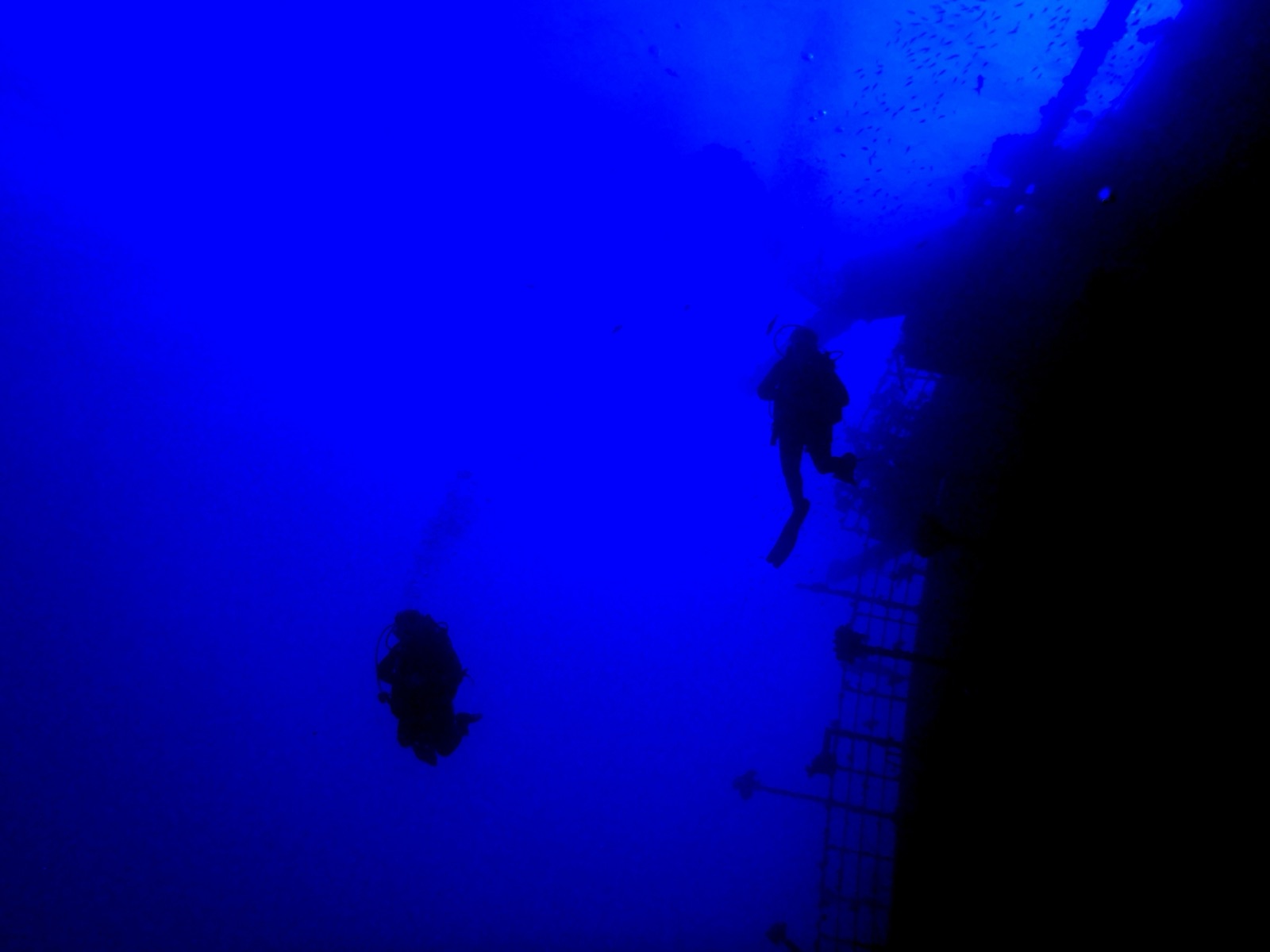
Salem Express — illustrative image

Salem Express

Egyptian roll-on/roll-off passenger ferry Gesunken 1991 12–30 m Hurghada & El Gouna
KI-generierte Illustration
Hier wurden Leben verlorenOfficially around 470 lives lost; with unmanifested pilgrims aboard, the true toll is widely believed to have been far higher. About 180 people survived.. Lokale Tauchbetriebe bitten darum, das Wrack mit dem entsprechenden Respekt zu tauchen.
Gut dokumentiert
Tiefe zum Wrackdeck
12 m / 39 ft
Maximale Tiefe
30 m / 98 ft
Gebaut / versenkt
? / 1991
Länge
100 m
Orientierung
On Her Starboard Side
Level
Intermediate
Beste Monate
Mar, Apr, May, Jun, Sep, Oct, Nov

Die Geschichte dahinter

The Salem Express began life in France in the mid-1960s as the ferry Fred Scamaroni and ended it on the Jeddah–Safaga run, carrying Egyptian pilgrims home from Mecca. Late on 14 December 1991, closing the coast in rough weather, she passed inside Hyndman Reef. The impact sprang her bow visor, the vehicle deck flooded, and she rolled onto her starboard side and sank in roughly twenty minutes — too fast, in darkness and heavy seas, for most aboard to escape. It remains one of the worst peacetime disasters in Red Sea history, and its weight is still felt in Safaga, where many families lost relatives. Navy divers recovered those they could reach and sealed sections of the ship. Divers who visit today find luggage, a deck still marked with the company's S, and davits that never swung out. She is dived as a memorial, quietly, or not at all.

Wie sie sank: Struck Hyndman Reef near Safaga in heavy weather on the night of 14–15 December 1991 and sank within minutes.

Heute dort tauchen

Bedingung: Structurally intact and recent enough that details — lifeboats, letters on the hull, scattered belongings — remain sharply legible, which is exactly why restraint matters here.

Wrackinnenraum-Tauchen: None. Entry is physically possible but many local operators decline it out of respect, and sealed compartments hold the dead. Treat the interior as a tomb and stay outside.

Empfohlene Zertifizierung: Advanced Open Water

Strömung: Mild · Sichtweite: 15–25 m

Meeresleben: Hard corals have begun to sheet the upturned port side, emperor angelfish and snappers move along the promenade, and jacks ride the mild current off the bow.

Gefahren: The emotional weight of the site is real; beyond that, mild current, some netting, and depth on the seabed side.

Schutz & Recht

Local sensitivity is high: families of the lost live nearby, and respectful conduct — no souvenirs, no disturbance of personal effects — is expected of every visitor.

Touch and take nothing; the belongings scattered here were people's lives.

Ansehen

Aus den offiziellen Kanälen

Alle Videos →

Videos sind eingebettete Links zu den Kanälen der jeweiligen Ersteller – wir hosten nichts und geben für alles die Quelle an.

Quellen: Wikipedia ↗ · Fakten wurden anhand der oben genannten Quellen verifiziert; Felder ohne Quellenbeleg sind als noch nicht verifiziert gekennzeichnet.

Australien, Neuseeland & Ostasien

Cairns & the Ribbon ReefsNingaloo ReefCoral Sea & Osprey ReefOkinawa & the Kerama IslandsPoor Knights IslandsTownsville & the YongalaGreen IslandIzu Peninsula

Karibik & Westatlantik

BonaireCozumelRiviera Maya & the CenotesBelize Barrier ReefGrand CaymanIsla Mujeres & CancúnRoatánTiger Beach & Grand Bahama

Europa, Atlantik & Mittelmeer

Malta & GozoSilfra & IcelandThe AzoresCanary IslandsLarnaca & the ZenobiaScapa FlowArctic NorwayMadeira

Indischer Ozean & Ostafrika

North & South Malé AtollsAri AtollBaa Atoll & Hanifaru BayAliwal Shoal & UmkomaasMafia IslandMauritiusSeychellesSodwana Bay

Pazifikinseln & Mikronesien

PalauChuuk (Truk) LagoonFakaravaKona, HawaiʻiRangiroaTaveuni & Rainbow ReefBeqa Lagoon & Pacific HarbourEspiritu Santo

Rotes Meer & Naher Osten

Sharm El Sheikh & Ras MohammedBrothers, Daedalus & St John'sDahabHurghada & El GounaMarsa Alam & the Deep SouthAqabaDaymaniyat IslandsMusandam Peninsula

Südostasien & Korallen-Dreieck

Bali & Nusa PenidaKomodoRaja AmpatSipadan & MabulAnilaoCoronKoh TaoLembeh Strait

Amerika & Östlicher Pazifik

Galápagos IslandsCocos IslandFlorida KeysSea of Cortez & Cabo PulmoSocorro & the RevillagigedosBritish ColumbiaCalifornia Channel IslandsCosta Rica Pacific Coast