Sites de plongée, saisons et vie marine — recherchés, cartographiés, planifiés.
Menu
Destinations Sites de plongée Vie marine Épaves Actualités
Planifier un voyage Planificateur de séjour Quand plonger Calculateur de coût Comparaisons Calendrier de la faune marine Température de l'eau Liveaboards Opérateurs & resorts Parcs marins Caissons hyperbares Carte du monde
Régions Australie, Nouvelle-Zélande & Asie de l'EstCaraïbes & Atlantique occidentalEurope, Atlantique & MéditerranéeOcéan Indien & Afrique de l'EstÎles du Pacifique & MicronésieMer Rouge & Moyen-OrientAsie du Sud-Est et Triangle de CorailLes Amériques et Pacifique Est Pays
Apprendre & Outils Tous les guides Certifications Guides d'équipement Vidéos Interroger les données Agents IA API
À propos À propos de nous Méthodologie Avertissement Contact
Votre vue
★ Enregistré

Vos destinations, sites et espèces favoris — enregistrés dans ce navigateur.

API GATEWAY

Accès JSON gratuit en lecture seule aux données en cache de l'atlas.

Mode sombre

🧭 Vue Guidée
Nouveau dans la plongée — profondeurs, courants, niveaux de certification ? Nous expliquons chaque terme au fil de votre navigation, en langage clair. Les mêmes données, avec l'aide intégrée.

⚡ Vue Expert
Vous connaissez déjà la différence entre un tombant et un drift. Juste les données — claires, rapides et compactes. C'est la vue par défaut.

Langue de l'interface
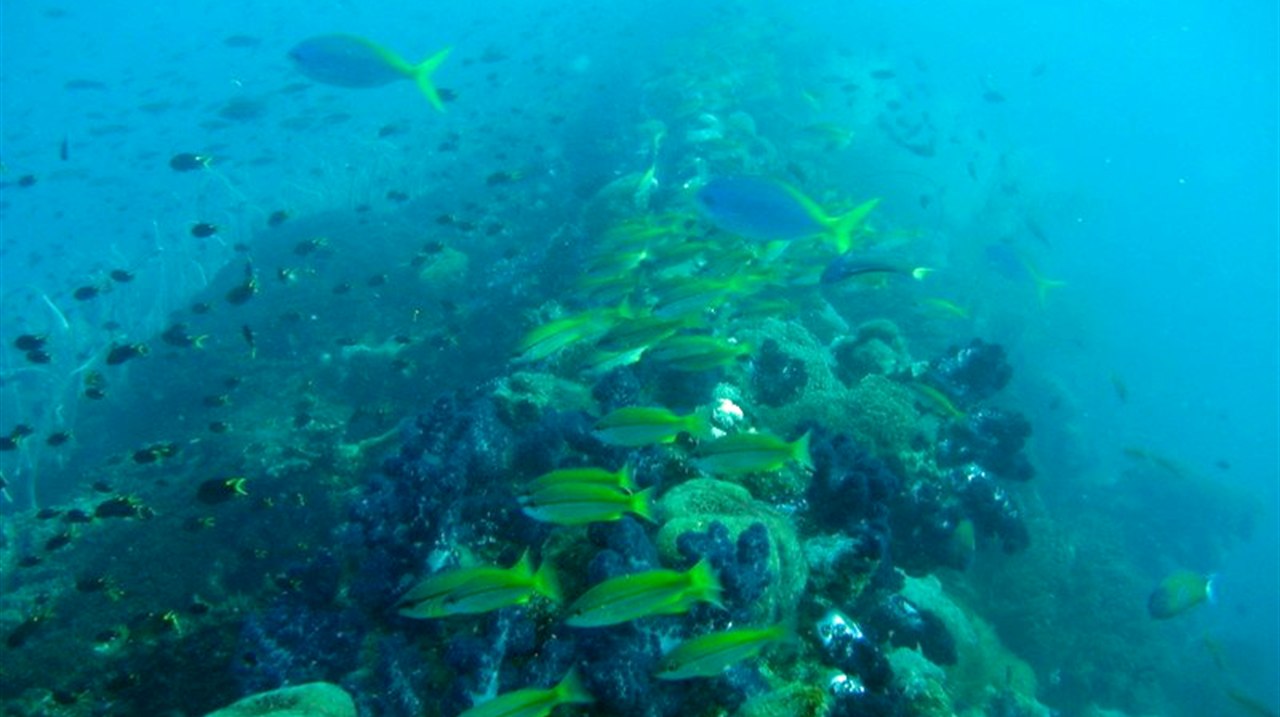
SS Yongala — illustrative image

SS Yongala

Australian coastal passenger and cargo steamer Coulé 1911 14–28 m Townsville & the Yongala
Illustration générée par IA
Des vies ont été perdues iciAll 122 aboard died. Les opérateurs locaux demandent que l'épave soit plongée avec le respect qui s'impose.
Bien documenté
Profondeur jusqu'au pont
14 m / 46 ft
Profondeur maximale
28 m / 92 ft
Construit / coulé
1903 / 1911
Longueur
110 m
Tonnage
3,664 GRT
Orientation
On Her Starboard Side
Niveau
Advanced
Meilleurs mois
Aug–Dec

L'histoire

The Yongala was a crack coastal liner, English-built in 1903 and running the Adelaide–Cairns route for the Adelaide Steamship Company. On 23 March 1911 she steamed north past the Dent Island lighthouse into a cyclone; wireless had been invented but her set had not yet been fitted, so the storm warning could not reach her. She vanished with all 122 people aboard — passengers, crew, and a racehorse named Moonshine whose body coming ashore was among the first evidence of the loss. For decades her fate stayed one of Australia's sea mysteries; a wartime sonar contact was finally confirmed as the Yongala in 1958. She lies on her starboard side on open sand miles from any reef, and that isolation made her an oasis: half a century of larvae drifting past had nowhere else to settle, and she is now routinely called the most life-dense wreck dive on earth. She is also a mass grave, protected by law, dived outside only.

Comment elle a coulé: Lost with all hands in a cyclone off Cape Bowling Green, 23 March 1911.

Plongée sur ce site aujourd'hui

Condition: Protected since 1981 under Australia's Historic Shipwrecks Act 1976, now the Underwater Cultural Heritage Act 2018: the hull is intact but softening, and divers are barred from entering or touching it. Moorings are mandatory; anchoring is banned.

Pénétration: None. Entry is prohibited by law under her protected-zone status — and unnecessary: everything that makes this dive extraordinary lives on the outside.

Certification recommandée: Advanced Open Water

Courant: Strong · Visibilité: 8–20 m

Vie marine: Giant Queensland groupers, marble rays stacked under the bow, olive sea snakes, turtles, eagle rays, barracuda, snapper in walls, and trevally storms — with bull sharks passing in the cooler months.

Dangers: Open-ocean current that can run hard the full dive, exposed sea conditions on the crossing, and no sheltering reef; this is a strong-skills dive.

Protection & réglementation

Commonwealth protected zone under the Underwater Cultural Heritage Act 2018; access via permitted operators and fixed moorings only.

She is the grave of 122 people; penetration, artifact disturbance, and anchoring are offenses.

Nothing may be touched or taken — the law and the dead both say so.

Regarder

Depuis les canaux officiels

Toutes les vidéos →

Les vidéos sont des liens intégrés vers les chaînes de leurs créateurs — nous n'hébergeons rien et créditons tout.

Sources: Queensland Museum Network ↗Wikipedia ↗ · Informations vérifiées par rapport aux sources ci-dessus ; les champs sans référence sont marqués non encore vérifiés.

Australie, Nouvelle-Zélande & Asie de l'Est

Cairns & the Ribbon ReefsNingaloo ReefCoral Sea & Osprey ReefOkinawa & the Kerama IslandsPoor Knights IslandsTownsville & the YongalaGreen IslandIzu Peninsula

Caraïbes & Atlantique occidental

BonaireCozumelRiviera Maya & the CenotesBelize Barrier ReefGrand CaymanIsla Mujeres & CancúnRoatánTiger Beach & Grand Bahama

Europe, Atlantique & Méditerranée

Malta & GozoSilfra & IcelandThe AzoresCanary IslandsLarnaca & the ZenobiaScapa FlowArctic NorwayMadeira

Océan Indien & Afrique de l'Est

North & South Malé AtollsAri AtollBaa Atoll & Hanifaru BayAliwal Shoal & UmkomaasMafia IslandMauritiusSeychellesSodwana Bay

Îles du Pacifique & Micronésie

PalauChuuk (Truk) LagoonFakaravaKona, HawaiʻiRangiroaTaveuni & Rainbow ReefBeqa Lagoon & Pacific HarbourEspiritu Santo

Mer Rouge & Moyen-Orient

Sharm El Sheikh & Ras MohammedBrothers, Daedalus & St John'sDahabHurghada & El GounaMarsa Alam & the Deep SouthAqabaDaymaniyat IslandsMusandam Peninsula

Asie du Sud-Est et Triangle de Corail

Bali & Nusa PenidaKomodoRaja AmpatSipadan & MabulAnilaoCoronKoh TaoLembeh Strait

Les Amériques et Pacifique Est

Galápagos IslandsCocos IslandFlorida KeysSea of Cortez & Cabo PulmoSocorro & the RevillagigedosBritish ColumbiaCalifornia Channel IslandsCosta Rica Pacific Coast