Siti di immersione, stagioni e fauna marina — ricercati, mappati, pianificati.
Menu
Destinazioni Siti di immersione Vita marina Relitti Notizie
Pianifica un viaggio Pianificatore di viaggi Quando immergersi Calcolatore dei costi Confronti Calendario della fauna marina Temperatura dell'acqua Liveaboard Operatori & resort Parchi marini Camere iperbariche Mappa del mondo
Regioni Australia, Nuova Zelanda e Asia OrientaleCaraibi e Atlantico occidentaleEuropa, Atlantico e MediterraneoOceano Indiano e Africa OrientaleIsole del Pacifico & MicronesiaMar Rosso & Medio OrienteAsia meridionale e Triangolo dei CoralliLe Americhe e il Pacifico orientale Paesi
Impara e strumenti Tutte le guide Brevetti Guide all'attrezzatura Video Interroga i dati AI Agent API
Informazioni Chi siamo Metodologia Disclaimer Contatti
La tua vista
★ Salvato

Le tue destinazioni, siti e specie preferiti — salvati in questo browser.

API GATEWAY

Accesso JSON gratuito in sola lettura ai dati in cache dell'atlante.

Modalità scura

🧭 Visualizzazione Guidata
Sei nuovo alle immersioni — profondità, correnti, livelli di brevetto? Spieghiamo ogni termine mentre navighi, in modo semplice e chiaro. Gli stessi dati, con il supporto integrato.

⚡ Visualizzazione Esperta
Conosci già la differenza tra una parete e una drift dive. Solo i dati — chiari, rapidi e compatti. Questa è la visualizzazione predefinita.

Lingua dell'interfaccia
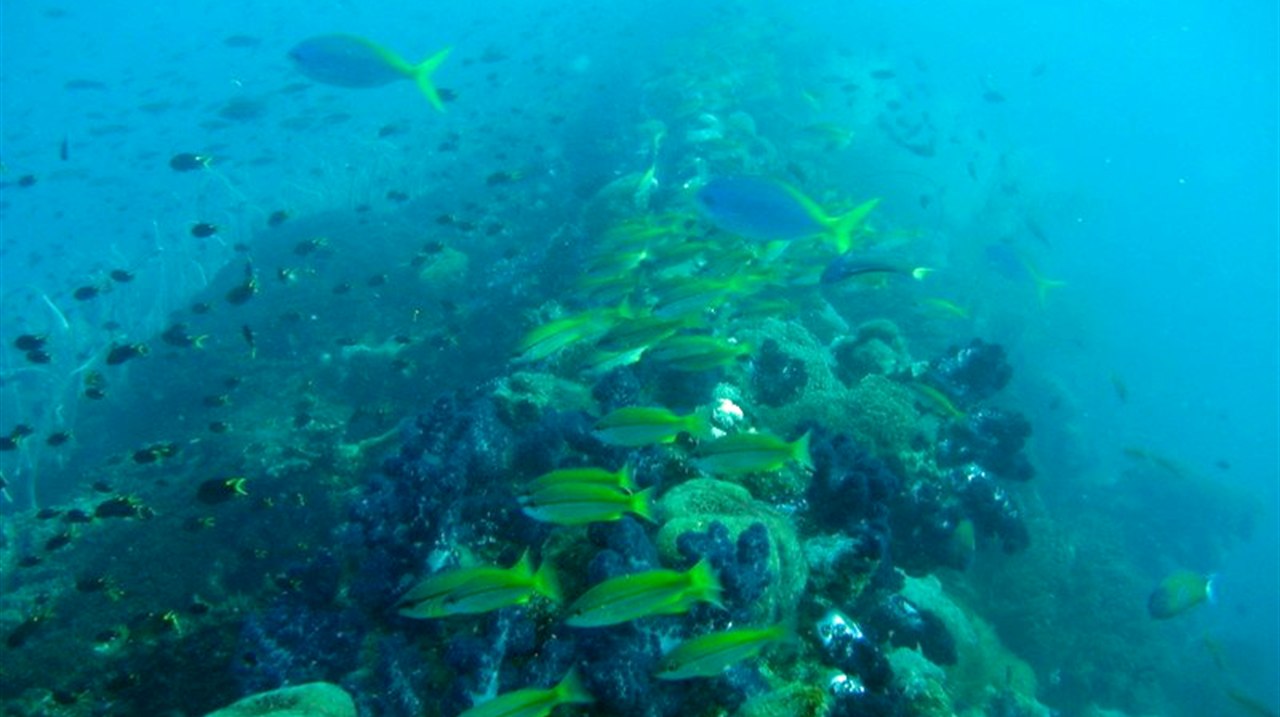
SS Yongala — illustrative image

SS Yongala

Australian coastal passenger and cargo steamer Affondata 1911 14–28 m Townsville & the Yongala
Illustrazione generata dall'AI
Qui si sono perse delle viteAll 122 aboard died. Gli operatori locali chiedono che il relitto venga visitato con il dovuto rispetto.
Ben documentato
Profondità al ponte
14 m / 46 ft
Profondità massima
28 m / 92 ft
Costruito / affondato
1903 / 1911
Lunghezza
110 m
Stazza
3,664 GRT
Orientamento
On Her Starboard Side
Livello
Advanced
Mesi migliori
Aug–Dec

La storia

The Yongala was a crack coastal liner, English-built in 1903 and running the Adelaide–Cairns route for the Adelaide Steamship Company. On 23 March 1911 she steamed north past the Dent Island lighthouse into a cyclone; wireless had been invented but her set had not yet been fitted, so the storm warning could not reach her. She vanished with all 122 people aboard — passengers, crew, and a racehorse named Moonshine whose body coming ashore was among the first evidence of the loss. For decades her fate stayed one of Australia's sea mysteries; a wartime sonar contact was finally confirmed as the Yongala in 1958. She lies on her starboard side on open sand miles from any reef, and that isolation made her an oasis: half a century of larvae drifting past had nowhere else to settle, and she is now routinely called the most life-dense wreck dive on earth. She is also a mass grave, protected by law, dived outside only.

Come è affondata: Lost with all hands in a cyclone off Cape Bowling Green, 23 March 1911.

Immersioni su di essa oggi

Condizione: Protected since 1981 under Australia's Historic Shipwrecks Act 1976, now the Underwater Cultural Heritage Act 2018: the hull is intact but softening, and divers are barred from entering or touching it. Moorings are mandatory; anchoring is banned.

Penetrazione: None. Entry is prohibited by law under her protected-zone status — and unnecessary: everything that makes this dive extraordinary lives on the outside.

Certificazione consigliata: Advanced Open Water

Corrente: Strong · Visibilità: 8–20 m

Vita marina: Giant Queensland groupers, marble rays stacked under the bow, olive sea snakes, turtles, eagle rays, barracuda, snapper in walls, and trevally storms — with bull sharks passing in the cooler months.

Pericoli: Open-ocean current that can run hard the full dive, exposed sea conditions on the crossing, and no sheltering reef; this is a strong-skills dive.

Tutela & normativa

Commonwealth protected zone under the Underwater Cultural Heritage Act 2018; access via permitted operators and fixed moorings only.

She is the grave of 122 people; penetration, artifact disturbance, and anchoring are offenses.

Nothing may be touched or taken — the law and the dead both say so.

Guarda

Dai canali ufficiali

Tutti i video →

I video sono link incorporati ai canali dei rispettivi autori — non ospitiamo nulla e diamo sempre credito a tutti.

Fonti: Queensland Museum Network ↗Wikipedia ↗ · Dati verificati rispetto alle fonti indicate; i campi privi di riscontro sono contrassegnati come non ancora verificati.

Australia, Nuova Zelanda e Asia Orientale

Cairns & the Ribbon ReefsNingaloo ReefCoral Sea & Osprey ReefOkinawa & the Kerama IslandsPoor Knights IslandsTownsville & the YongalaGreen IslandIzu Peninsula

Caraibi e Atlantico occidentale

BonaireCozumelRiviera Maya & the CenotesBelize Barrier ReefGrand CaymanIsla Mujeres & CancúnRoatánTiger Beach & Grand Bahama

Europa, Atlantico e Mediterraneo

Malta & GozoSilfra & IcelandThe AzoresCanary IslandsLarnaca & the ZenobiaScapa FlowArctic NorwayMadeira

Oceano Indiano e Africa Orientale

North & South Malé AtollsAri AtollBaa Atoll & Hanifaru BayAliwal Shoal & UmkomaasMafia IslandMauritiusSeychellesSodwana Bay

Isole del Pacifico & Micronesia

PalauChuuk (Truk) LagoonFakaravaKona, HawaiʻiRangiroaTaveuni & Rainbow ReefBeqa Lagoon & Pacific HarbourEspiritu Santo

Mar Rosso & Medio Oriente

Sharm El Sheikh & Ras MohammedBrothers, Daedalus & St John'sDahabHurghada & El GounaMarsa Alam & the Deep SouthAqabaDaymaniyat IslandsMusandam Peninsula

Asia meridionale e Triangolo dei Coralli

Bali & Nusa PenidaKomodoRaja AmpatSipadan & MabulAnilaoCoronKoh TaoLembeh Strait

Le Americhe e il Pacifico orientale

Galápagos IslandsCocos IslandFlorida KeysSea of Cortez & Cabo PulmoSocorro & the RevillagigedosBritish ColumbiaCalifornia Channel IslandsCosta Rica Pacific Coast