Lặn tại Brazil
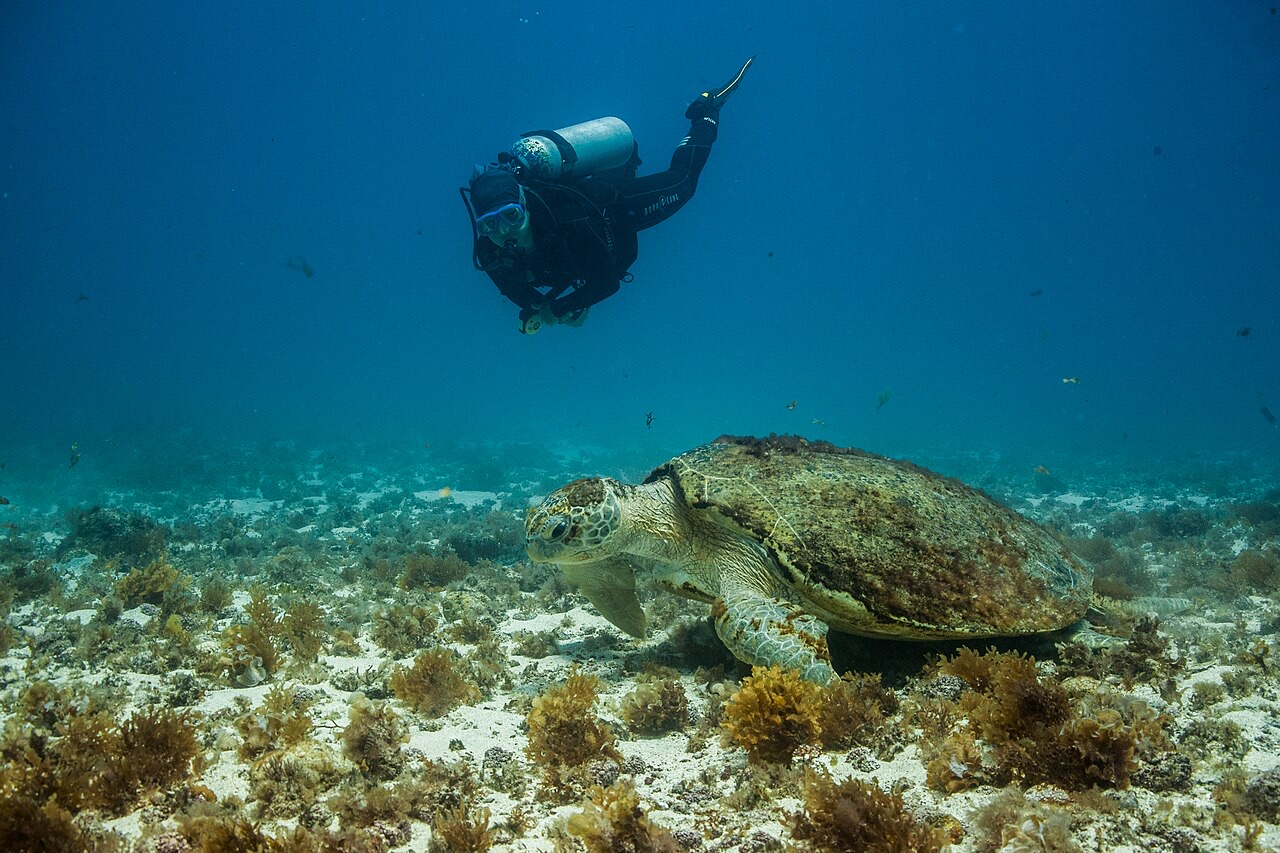
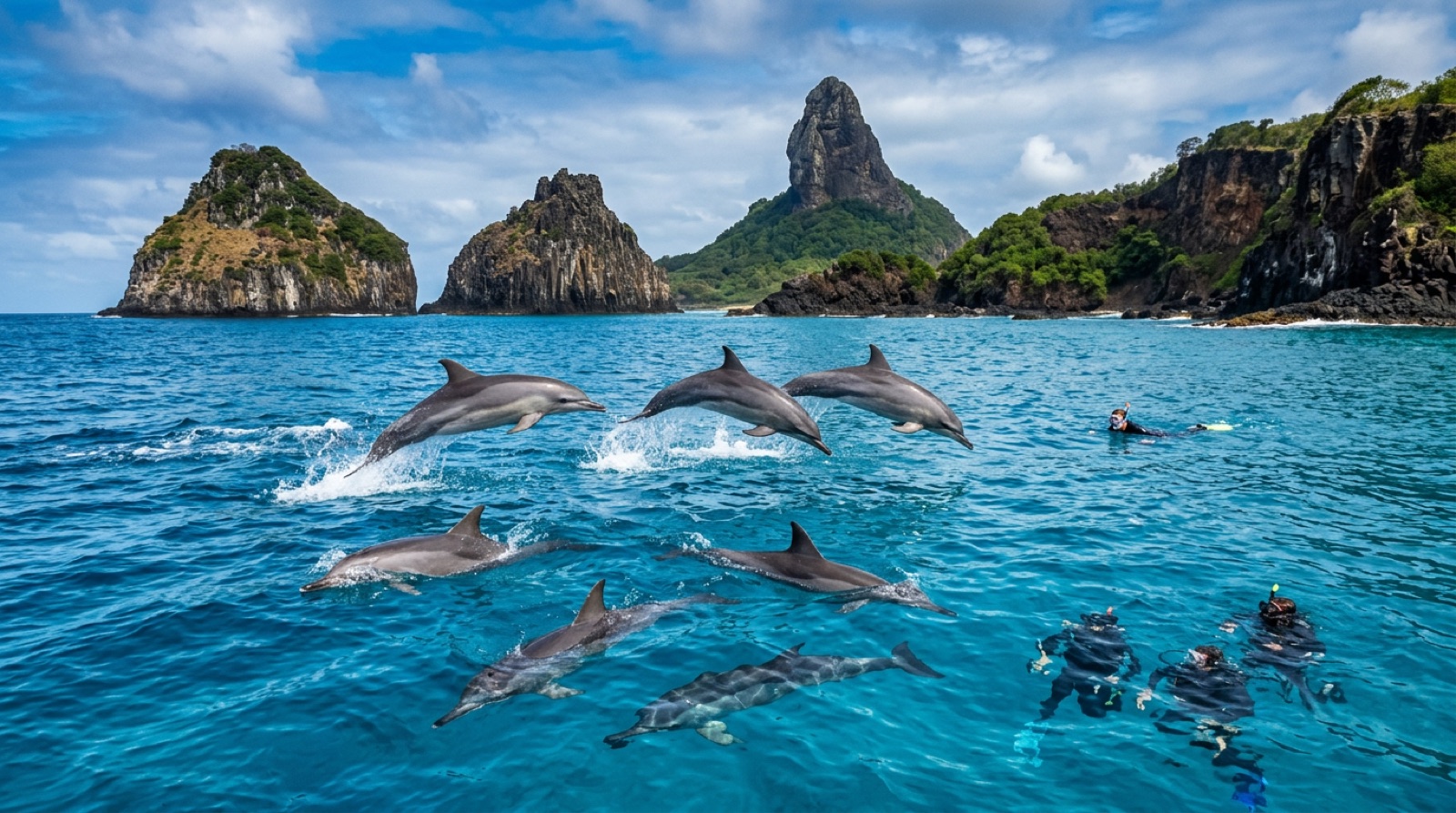
Brazil's 7,000-kilometer coastline hides plenty of diving, but one place justifies the long-haul flight on its own: Fernando de Noronha, a volcanic archipelago 350 kilometers off the northeast shoulder of the country. Most of its waters sit inside a strictly managed marine national park, and the protection shows. Spinner dolphins enter the bays in the hundreds, green and hawksbill turtles graze unbothered, reef sharks patrol lava pinnacles, and the visibility, fed by open Atlantic water, routinely stretches past 25 meters. Daily visitor caps and environmental fees keep crowds thin and prices high. Mainland options, from the wrecks off Recife to marine parks further south, round out the picture, but Noronha is the headline, and it feels closer to the Galápagos in spirit than to a beach resort.
Fernando de Noronha is the registry destination and the country's flagship: boat dives circle the main island and its secondary islets, from the sheltered inner bays where dolphins rest to exposed seaward pinnacles with sharks and pelagic traffic. The mainland northeast around Recife and Natal, the jumping-off region for Noronha flights, offers wreck and reef diving of its own for divers with a spare day.
Trải nghiệm đặc trưng: Sancho Bay's turtle-filled shallows below one of the world's most photographed beaches; lava-rock pinnacles with nurse and reef sharks; the resident spinner dolphin superpod; the deep Corveta Ipiranga wreck for advanced divers; drift dives in open Atlantic blue.
Các mùa: Noronha dives year-round, but the drier August-to-January stretch generally brings the calmest seas and the best visibility; the first half of the year sees more rain and a bigger Atlantic swell on exposed sites. Surf season on the seaward side peaks in the austral summer.
Các điểm đến
Những điểm lặn nổi bật
| Địa điểm | Điểm đến | Loại | Độ sâu | Cấp độ |
|---|---|---|---|---|
| Caverna da Sapata | Fernando de Noronha | Cave | 10–22 m | Intermediate |
| Corveta Ipiranga (V17) | Fernando de Noronha | Wreck | 45–63 m | Technical |
| Laje Dois Irmaos | Fernando de Noronha | Reef | 8–25 m | Intermediate |
| Pedras Secas | Fernando de Noronha | Reef | 8–22 m | Intermediate |
Mọi điểm lặn đã được lập bản đồ tại Brazil →
Sinh vật biển
Hồ sơ thực tiễn
Cách di chuyển đến đây: Fly long-haul into São Paulo or Rio, connect to Recife (REC) or Natal (NAT), then take the short onward flight to Fernando de Noronha (FEN). Visitor numbers are capped and the environmental fees are charged per day of stay, so book flights and lodging before dive packages.
Nhập cảnh & thị thực: Many nationalities enter Brazil visa-free, but Brazil restored visa requirements for a small set of countries including the United States, Canada, and Australia, met through an e-visa applied for online before travel. Verify current requirements for your passport well ahead of the trip.
Chi phí lặn biển: Two-tank boat dives at Noronha run roughly USD 120-180, on top of the archipelago's daily environmental fee and marine park entry charges, which make any stay noticeably more expensive than the mainland.
Ngôn ngữ: Portuguese is the national language; English is workable in Noronha's dive operations but limited elsewhere, and a few Portuguese phrases go a long way.
Tiền boa: A 10 percent service charge is customarily added to restaurant bills; beyond that, tipping is modest, and a voluntary tip for dive crews is welcome but not assumed.
An toàn du lịch: Fernando de Noronha itself is small, prosperous, and very safe. The usual Brazilian big-city precautions apply in transit hubs like Recife: keep valuables out of sight and use registered taxis or ride apps. On the water, exposed sites carry surge and current; operators match sites to conditions daily.
Bảo hiểm buồng giảm áp: There is no recompression chamber on Fernando de Noronha; treatment means evacuation to mainland facilities in the Recife region. Dive conservatively, and route any incident through the local clinic, EMS, and DAN, who coordinate transport.