Buceando en Malaysia
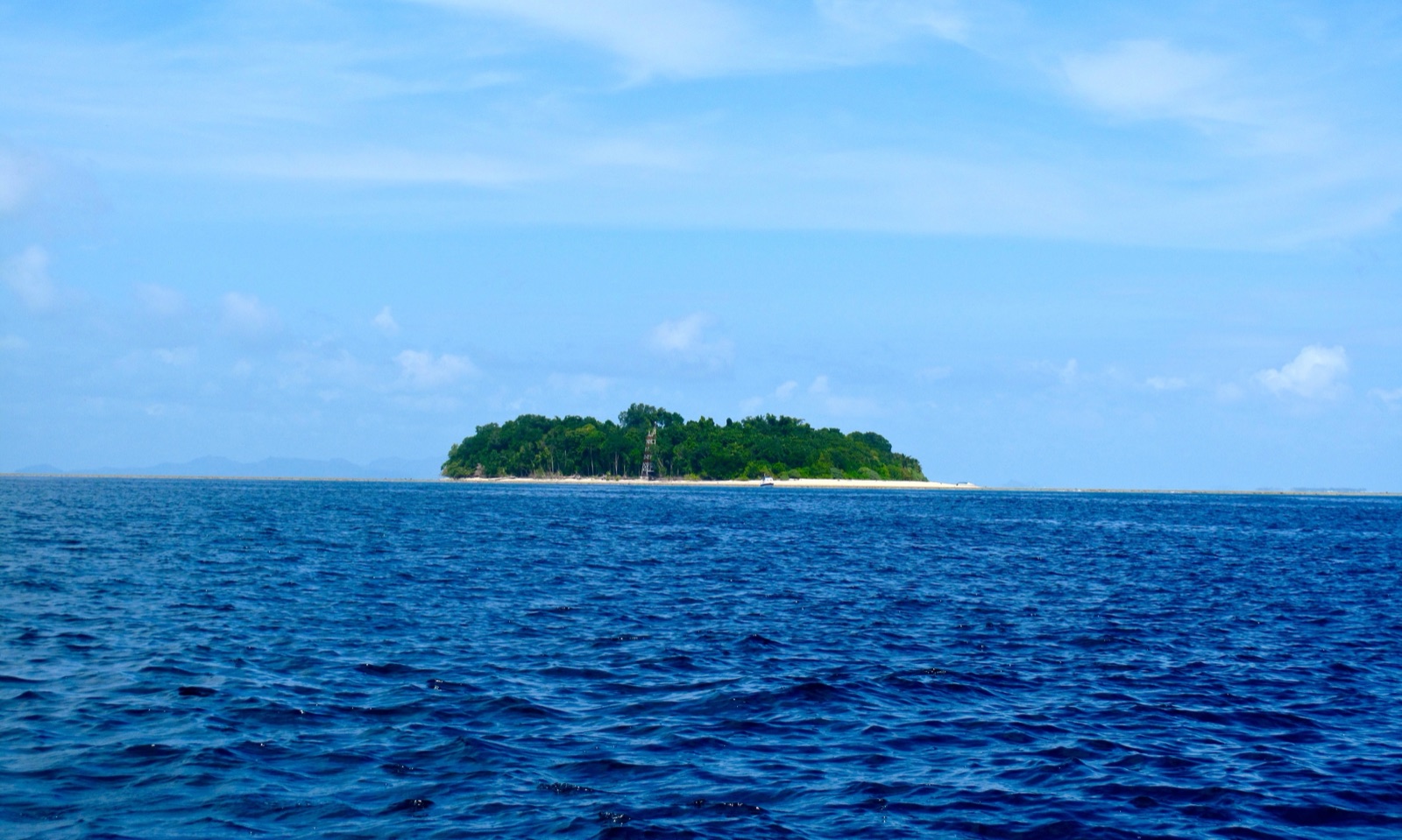
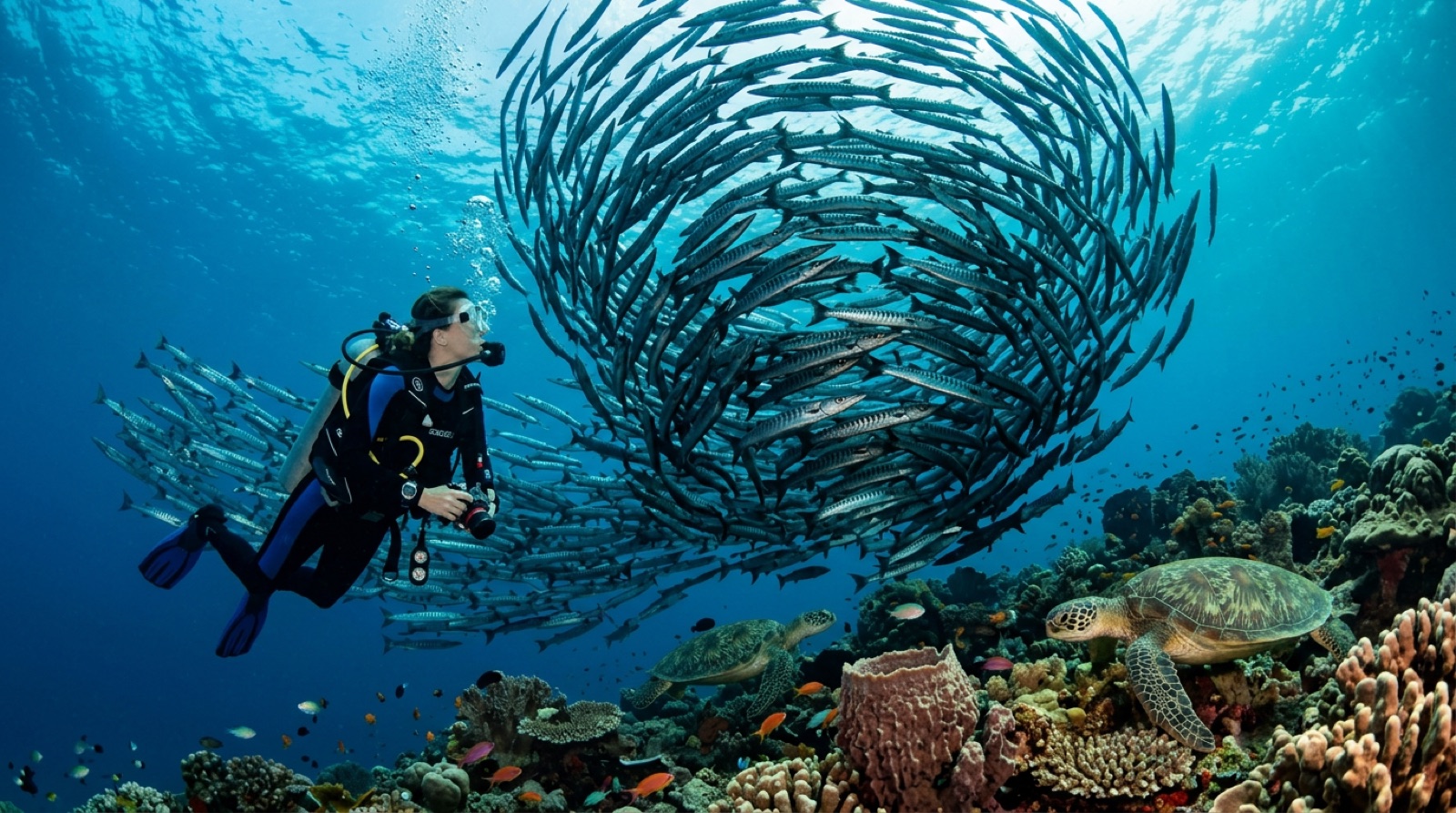
Malaysia's diving reputation rests on a single oceanic pillar off Borneo's southeast tip. Sipadan rises 600 meters from the Celebes Sea floor, and its walls concentrate life with a density that made Jacques Cousteau's praise of the island part of dive folklore: green and hawksbill turtles beyond counting, resident schools of bumphead parrotfish, barracuda tornadoes at the point that named the site, and gray reef and white-tip sharks on every drop. The island itself is an uninhabited protected area; divers stay on nearby Mabul and Kapalai, whose muck and artificial-reef diving fills the days a Sipadan permit does not. Permits are the operative word: daily numbers are capped, allocated through resorts, and enforced. Peninsular Malaysia adds easygoing east-coast islands, but Borneo is why divers cross the world.
Sipadan and Mabul form the registry destination: Sipadan's wall-and-drift showpieces like Barracuda Point and South Point run on the daily permit system, while Mabul and Kapalai, where the resorts actually sit, deliver flamboyant cuttlefish, frogfish, and mandarin fish on sand, seagrass, and pier pilings, a genuinely strong macro destination in its own right rather than a consolation.
Experiencias distintivas: The rotating barracuda vortex at Barracuda Point; a conveyor belt of turtles along Sipadan's drop-off; dawn bumphead parrotfish parades; jacks schooling off South Point; night and macro dives at Mabul's piers with blue-ringed octopus and bobtail squid.
Temporadas: Diving runs most of the year, with the calmest seas and best visibility roughly April through September; the northeast monsoon around November through February brings more rain and chop without closing the area. Sipadan permits are the real constraint, so book resorts early and expect non-Sipadan days in any package.
Los destinos
Puntos de buceo destacados
| Sitio | Destino | Tipo | Profundidad | Nivel |
|---|---|---|---|---|
| Barracuda Point | Sipadan & Mabul | Wall | 5–40 m | Advanced |
| Drop Off | Sipadan & Mabul | Wall | 2–40 m | Intermediate |
| Hanging Gardens | Sipadan & Mabul | Wall | 5–40 m | Intermediate |
| Paradise 2 (Mabul) | Sipadan & Mabul | Muck | 3–18 m | Beginner |
| South Point | Sipadan & Mabul | Wall | 8–40 m | Advanced |
| Turtle Cavern | Sipadan & Mabul | Cave | 15–22 m | Technical |
| White Tip Avenue | Sipadan & Mabul | Wall | 8–40 m | Intermediate |
Todos los puntos cartografiados en Malaysia →
Vida marina
El archivo práctico
Cómo llegar: Fly to Kuala Lumpur (KUL), connect to Tawau (TWU) in Sabah, often via Kota Kinabalu, then transfer about an hour by road to Semporna and by boat to Mabul or Kapalai. The whole chain is well-trodden and resorts arrange it end to end.
Entrada y visados: Many nationalities enter Malaysia visa-free for short stays, and travelers now complete a digital arrival card before landing. Verify current requirements before travel.
Cuánto cuesta bucear: Packages at Mabul and Kapalai resorts commonly work out to roughly USD 150-250 per day including boats and meals, with Sipadan permit days allocated within them and daily permit fees charged by the authorities; peninsular island diving costs less.
Idioma: Malay is the national language; English is widely spoken, and dive operations run in it as a matter of course.
Propinas: Tipping is not a strong tradition in Malaysia, but resort dive crews and guides working long weeks appreciate an end-of-stay tip, and it has become customary in the Semporna resorts.
Seguridad en el viaje: Peninsular Malaysia and the resort islands are generally safe and easygoing. Eastern Sabah's offshore zone has a specific history: past kidnapping incidents led to a standing security zone with curfews and a visible military and police presence around the Semporna islands, and conditions have calmed substantially under that regime; check current advisories, use established resorts, and follow their protocols. Underwater, Sipadan's currents and the down-current corners deserve attentive guiding.
Cobertura de recompresión: Recompression facilities exist in Malaysia, including naval-linked chambers, but nothing sits next door to Sipadan; evacuation from Semporna takes time. Confirm the current nearest chamber with your operator, dive conservatively, and route emergencies through them and DAN.