Tauchen in Myanmar
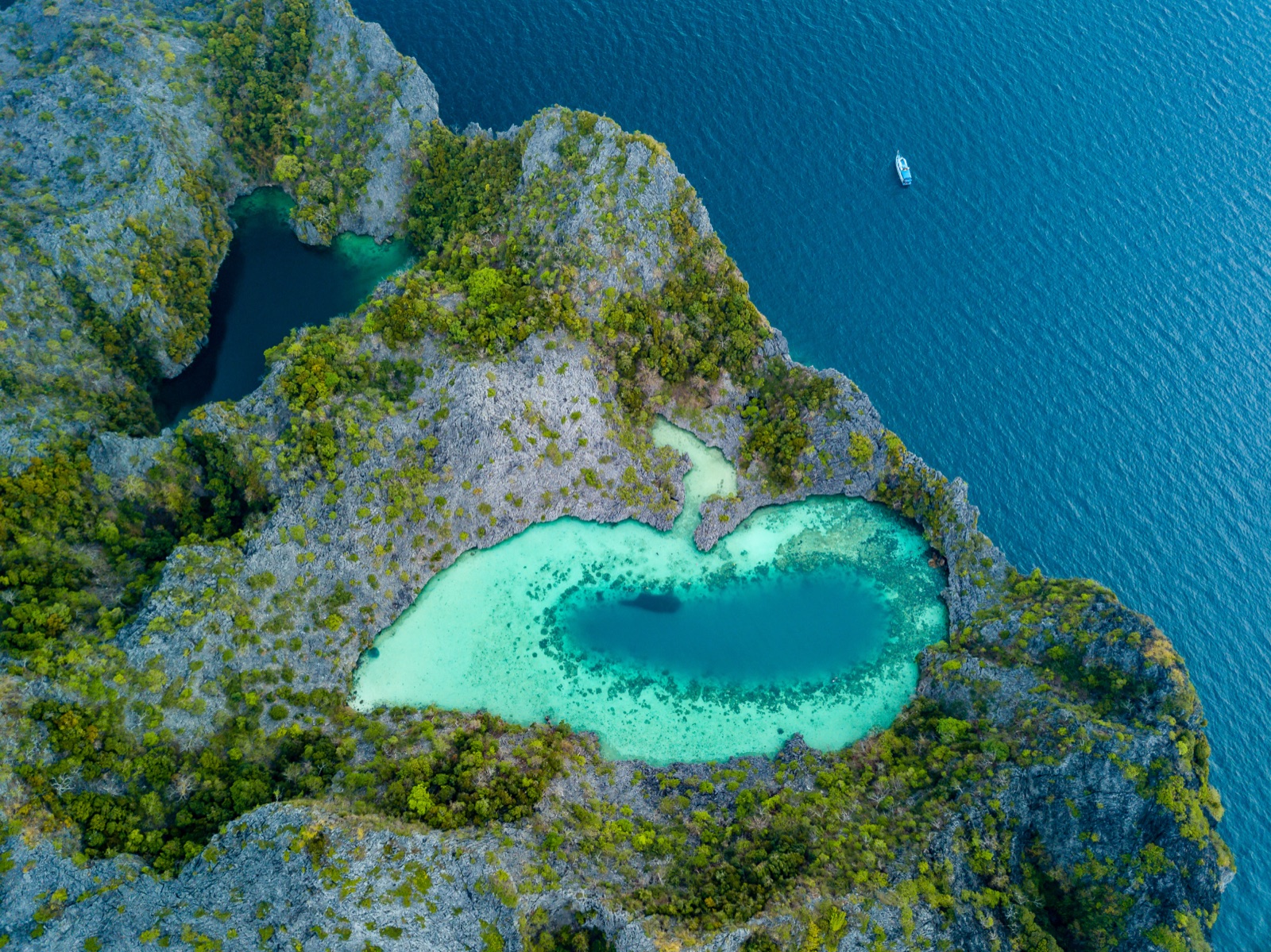
Myanmar's Mergui Archipelago is one of the last barely dived island wildernesses in Asia: 800 or so islands scattered across the northern Andaman Sea, home to the seafaring Moken people and to granite pinnacles, boulder fields, and soft-coral walls that see a handful of liveaboards in a good season. The diving is raw in both senses. Sites like Black Rock can deliver manta trains, mobulas, and thick fish schools, while other days serve current, plankton, and mystery; decades of commercial fishing have thinned sharks, and honesty requires saying so. Access has always run through Thailand, with boats crossing at Kawthaung, and it has always been hostage to permits and politics. Since the 2021 military coup, Myanmar's conflict has kept most travel, and many seasons of Mergui liveaboard schedules, suspended or uncertain; anyone considering a trip must check the current reality first.
The Mergui Archipelago is the sole registry destination: liveaboard itineraries, in seasons when they operate, loop through the outer islands with marquee stops like Black Rock and Shark Cave area pinnacles, mixing big-animal blue-water hangs with boulder swim-throughs and untouched beach landings. There is no land-based dive infrastructure to speak of; the boat is the destination.
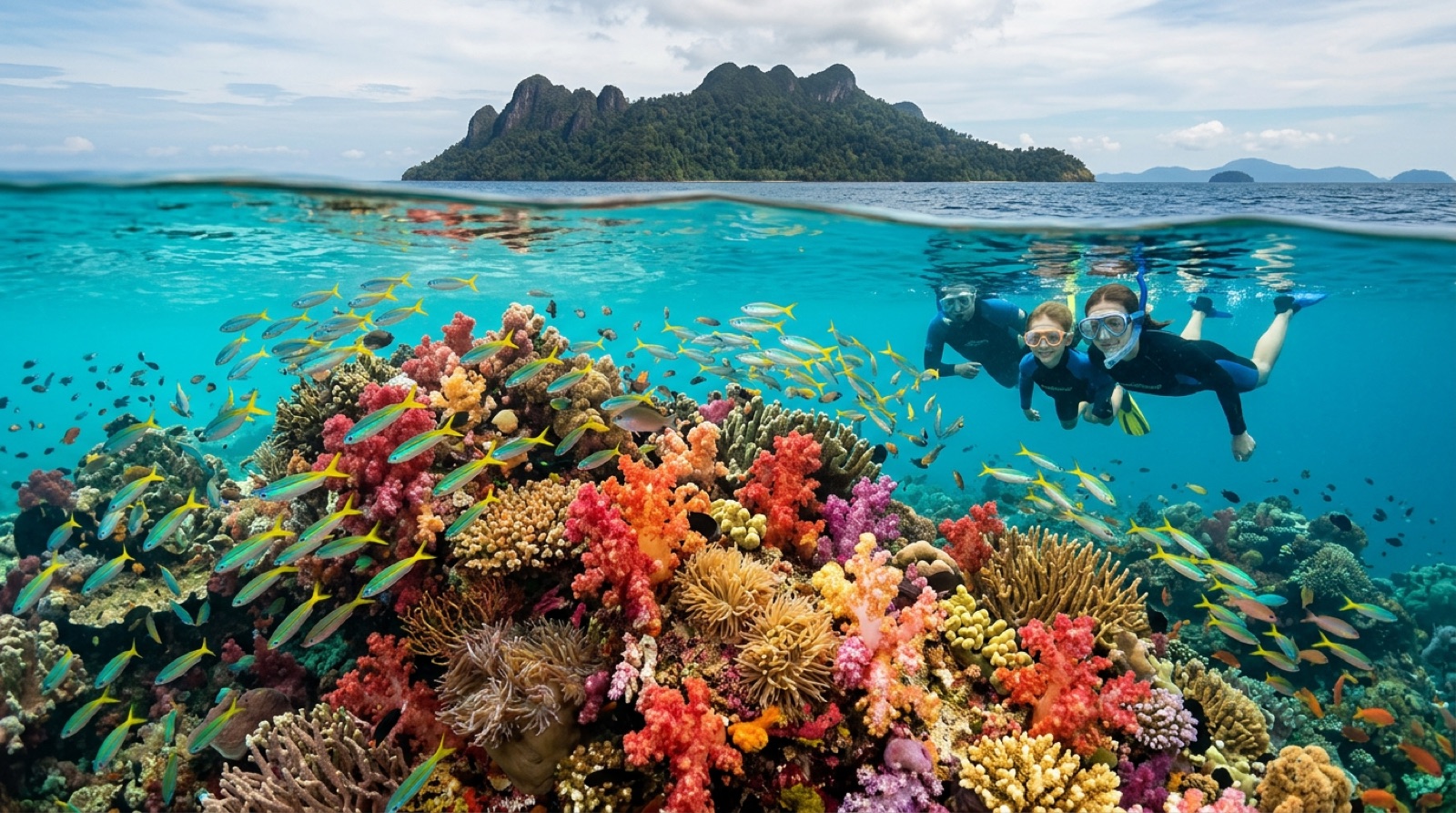
Besondere Erlebnisse: Black Rock's manta and mobula fly-bys; granite canyons and soft-coral boulder mazes with nobody else for fifty kilometers; night dives thick with hunting crustaceans; anchorages off islands where the only lights belong to Moken boats; the feeling of diving a chart with blank spaces.
Saisons: The Andaman season runs roughly late October through early May, with the calmest seas and best odds midwinter through spring; the southwest monsoon shuts the archipelago the rest of the year. In any given year the real question is whether trips are running at all; verify operator schedules and border status before planning.
Die Reiseziele
Herausragende Tauchplätze
| Tauchplatz | Ziel | Typ | Tiefe | Level |
|---|---|---|---|---|
| Black Rock | Mergui Archipelago | Pinnacle | 5–40 m | Advanced |
| North Twin | Mergui Archipelago | Reef | 8–35 m | Intermediate |
| Silvertip Bank (Burma Banks) | Mergui Archipelago | Seamount | 15–40 m | Advanced |
| South Twin | Mergui Archipelago | Reef | 8–30 m | Intermediate |
| Western Rocky | Mergui Archipelago | Reef | 5–30 m | Advanced |
Jeder kartierte Tauchplatz in Myanmar →
Meeresleben
Die praktischen Infos
Anreise: Access has traditionally been by liveaboard from Thai ports, Ranong, Khao Lak, or Phuket, with border and permit formalities handled at Kawthaung on the Myanmar side by the operator. Political conditions have repeatedly suspended this route; confirm that crossings and permits are currently functioning before booking flights.
Einreise & Visa: Myanmar normally requires an e-visa or visa in advance for most nationalities, with Mergui liveaboard guests processed under special border and cruising permits arranged by operators. Rules have shifted repeatedly amid the ongoing crisis; verify the current situation with the operator and official sources before committing.
Was Tauchen kostet: When operating, Mergui liveaboards typically price around USD 250-400 per night plus Myanmar permit and park fees, which have historically added a few hundred dollars per trip; there is no budget route in.
Sprache: Burmese is the official language; liveaboard crews work in English and Thai, and divers need no Burmese for the boat-based route.
Trinkgeld: On liveaboards a pooled crew tip at trip's end, in dollars or baht, is customary and, for crews weathering lean seasons, genuinely significant.
Reisesicherheit: A sober note is required: since the 2021 military coup Myanmar has been in armed conflict, many governments advise against travel to the country, and tourism has largely collapsed; the Mergui liveaboard corridor has operated only intermittently since. Check your government's advisory, confirm your insurance is valid for the destination, and book only with established operators who handle permits transparently. At sea, remoteness is the other risk: help is far away, and conservative diving is the only sensible mode.
Dekompressionskammer in der Nähe: There are no recompression facilities in the archipelago; the realistic chain of care runs back into Thailand, where Phuket's hyperbaric provision is the regional standby. Availability changes; dive well within limits and route any emergency through the boat, Thai services, and DAN.