Anilao
Anilao, on the Calumpang Peninsula of Batangas, is where Philippine scuba began and where its macro photography scene still lives. Less than three hours from Manila, its resorts face the Verde Island Passage, a strait scientists have described as the center of marine shorefish biodiversity. The diving is small-subject and dense: frogfish, rare nudibranchs, octopus species by the handful, plus a few genuinely good reefs and a busy blackwater scene after dark.
Pourquoi plonger ici
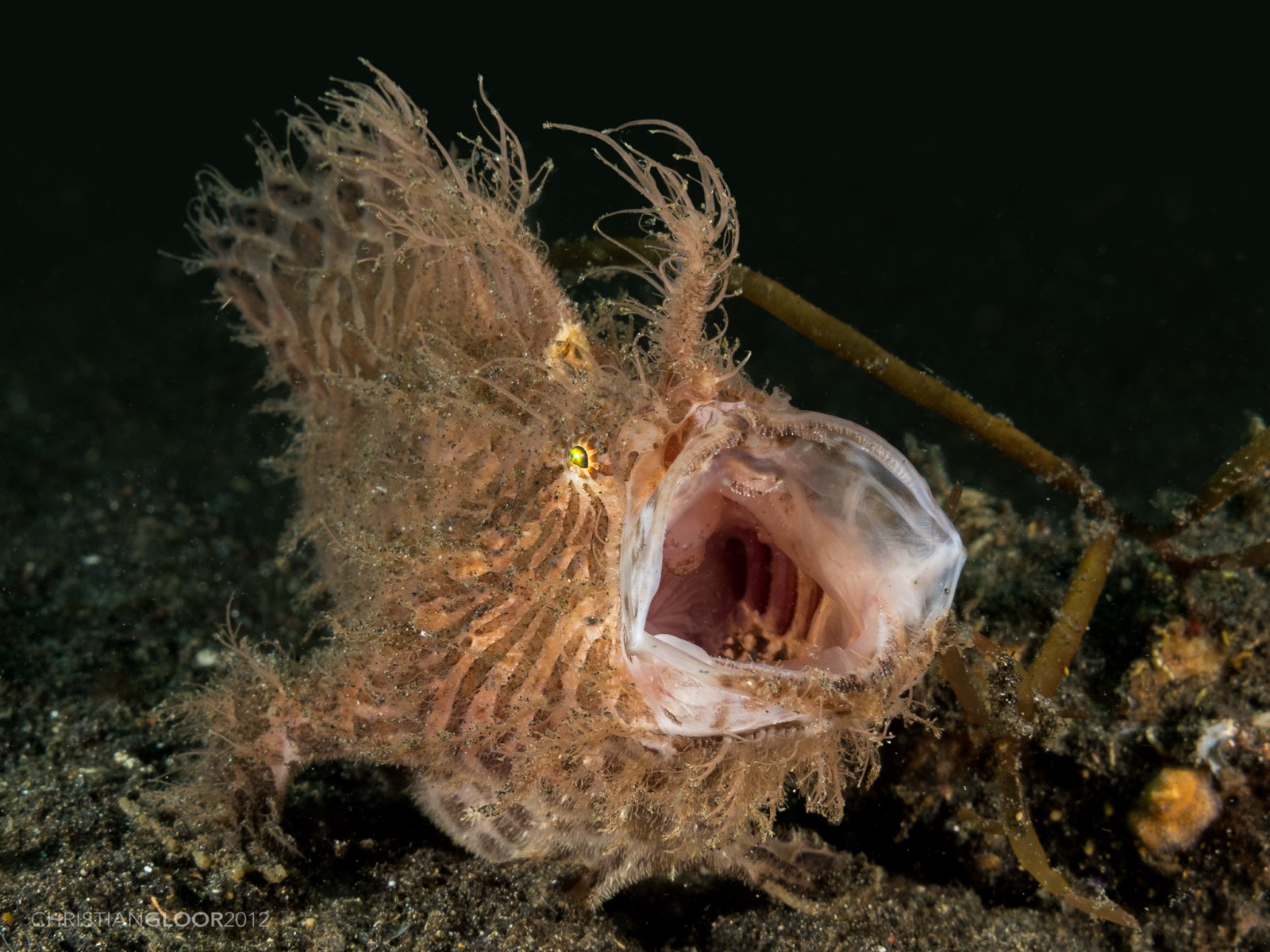
Few places on earth put more unusual animals in front of a macro lens per dive. The dark-sand slopes and rubble bays around Anilao hold frogfish in every size, blue-ringed and mimic octopus, ghost pipefish, seahorses, and a nudibranch count that runs into the hundreds of species, which is why camera rooms and dedicated spotters are standard at resorts here. It is not only muck: sanctuaries like Twin Rocks pack anemone cities and schooling fish into a few shallow acres, and the Cathedral's sunken cross is a piece of local diving history. After sunset, boats run bobbit-worm hunts and open-ocean blackwater drifts over deep water, drifting with larval fish and pelagic invertebrates under hanging lights. Conditions are forgiving most of the year, travel logistics are the easiest of any Philippine destination, and the critter list barely thins in the off-season, so photographers treat Anilao as a repeatable workshop rather than a one-off trip.
Mois par mois
Diveable all year. The dry northeast-monsoon months from November to May bring the calmest seas; the habagat from roughly June to September adds rain and southwest wind, though many sites stay sheltered.
| Mois | Eau | Visibilité | Ce que c'est comme |
|---|---|---|---|
| January●●●●● | 24–27 °C / 75–81 °F | 10–25 m | Dry, calm, and cool; peak critter season in full swing. |
| February●●●●● | 24–26 °C / 75–79 °F | 10–25 m | Coolest water of the year; bring extra neoprene, the critters do not mind. |
| March●●●●● | 25–28 °C / 77–82 °F | 10–25 m | Warming water and reliably flat mornings. |
| April●●●●● | 27–29 °C / 81–84 °F | 10–25 m | Warm and settled; Holy Week crowds spike briefly. |
| May●●●●○ | 28–30 °C / 82–86 °F | 10–20 m | Hot season; afternoon winds pick up late in the month. |
| June●●●○○ | 28–30 °C / 82–86 °F | 8–20 m | Habagat begins; sheltered bays keep working. |
| July●●●○○ | 27–29 °C / 81–84 °F | 8–18 m | Rainy-season pattern with wind-driven chop some days. |
| August●●●○○ | 27–29 °C / 81–84 °F | 8–18 m | Wettest stretch; operators pick sites by the morning forecast. |
| September●●●○○ | 27–29 °C / 81–84 °F | 8–20 m | Late monsoon; conditions begin to steady. |
| October●●●●○ | 27–29 °C / 81–84 °F | 10–20 m | Transition month; seas settle and visibility recovers. |
| November●●●●○ | 26–29 °C / 79–84 °F | 10–25 m | Amihan returns with dry, workable weather. |
| December●●●●○ | 25–28 °C / 77–82 °F | 10–25 m | Cooling water and calm seas; holiday weekends get busy. |
Fiabilité des données mensuelles: Documented. Les mois sans ligne ne disposent d'aucune donnée vérifiée. Nous préférons montrer un vide plutôt qu'en inventer un.
Les sites de plongée (6)
| Site | Type | Profondeur | Niveau | Accès | |
|---|---|---|---|---|---|
| Anilao Pier Nocturnal octopus parade, frogfish on artificial perches, long shallow… | Muck | 2–14 m | Beginner | Shore | |
| Basura Hairy frogfish and rare octopus, junk-as-habitat safari, guide spotting at… | Muck | 5–22 m | Beginner | Boat | |
| Kirby's Rock Crinoid-covered wall, pygmy seahorse fans, dual macro-and-wide character | Wall | 5–27 m | Intermediate | Boat | |
| Secret Bay Seahorses and snake eels on demand, octopus variety, benchmark night muck… | Muck | 3–18 m | Beginner | Boat | |
| The Cathedral The sunken cross, fish-filled amphitheater, a piece of Philippine diving… | Reef | 10–30 m | Intermediate | Boat | |
| Twin Rocks Anemone cities, confiding schools, turtles at sanctuary ease | Reef | 3–20 m | Beginner | Boat |
La vie marine, planifiée à l'avance
Bigfin Reef Squid
Frogfish
Mandarinfish
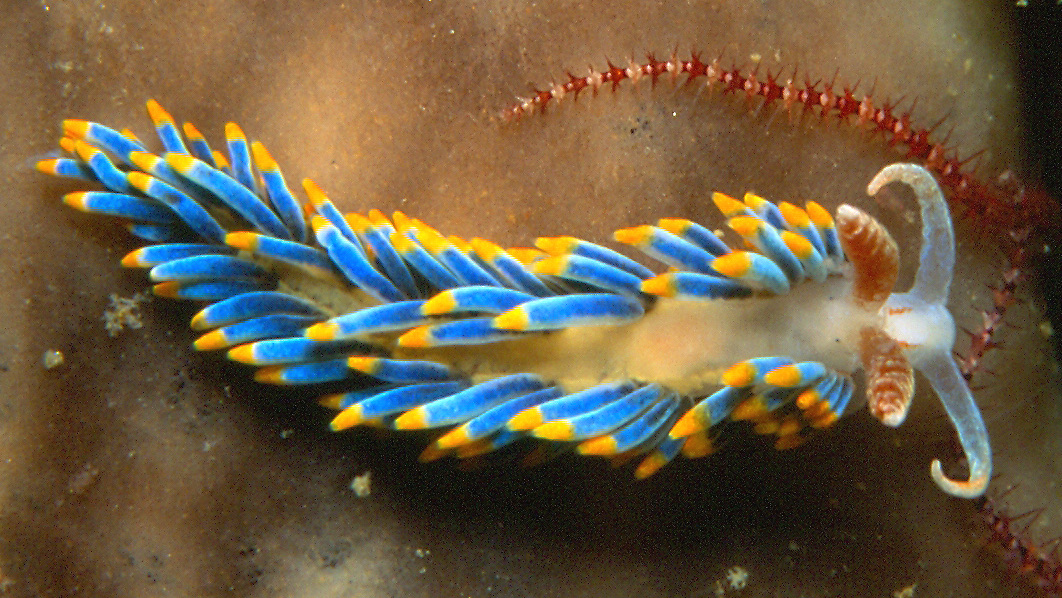
Nudibranchs
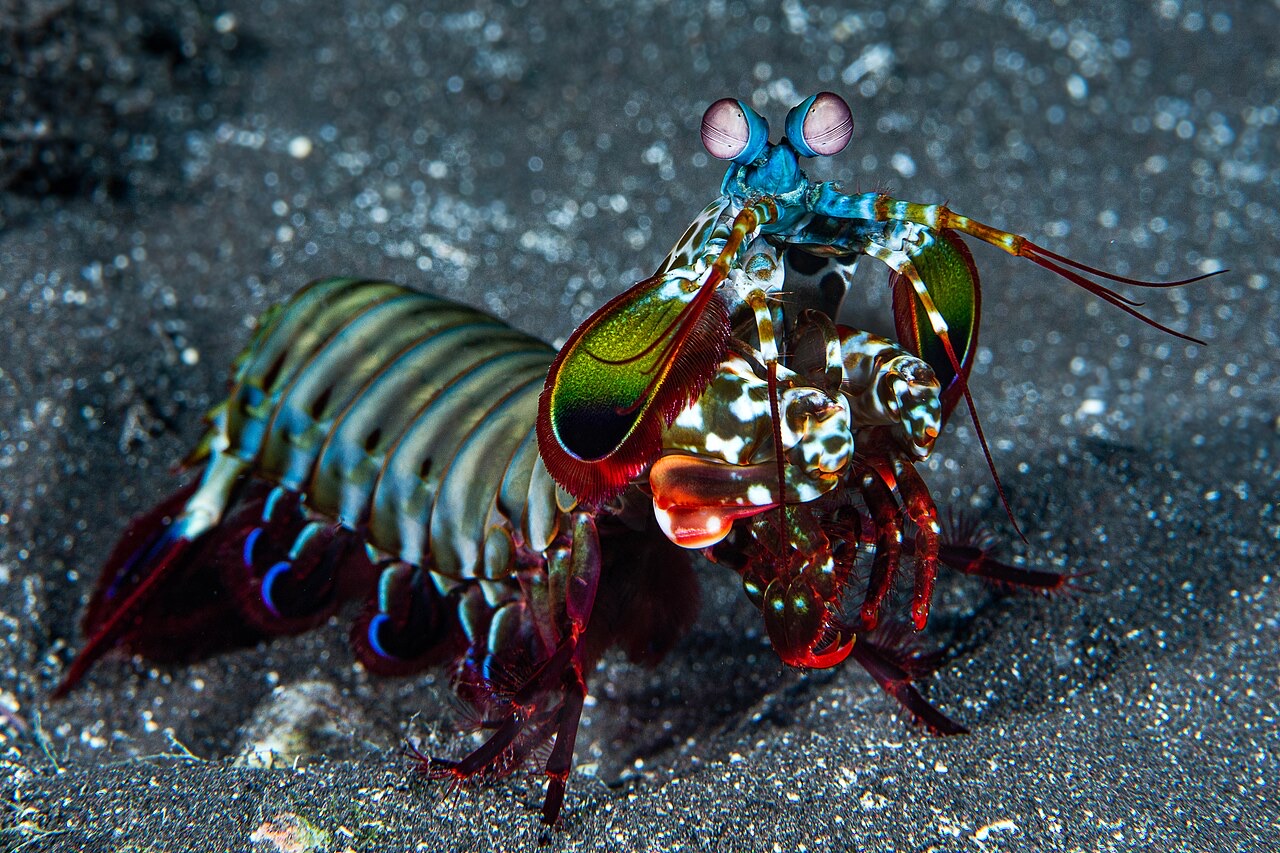
Peacock Mantis Shrimp
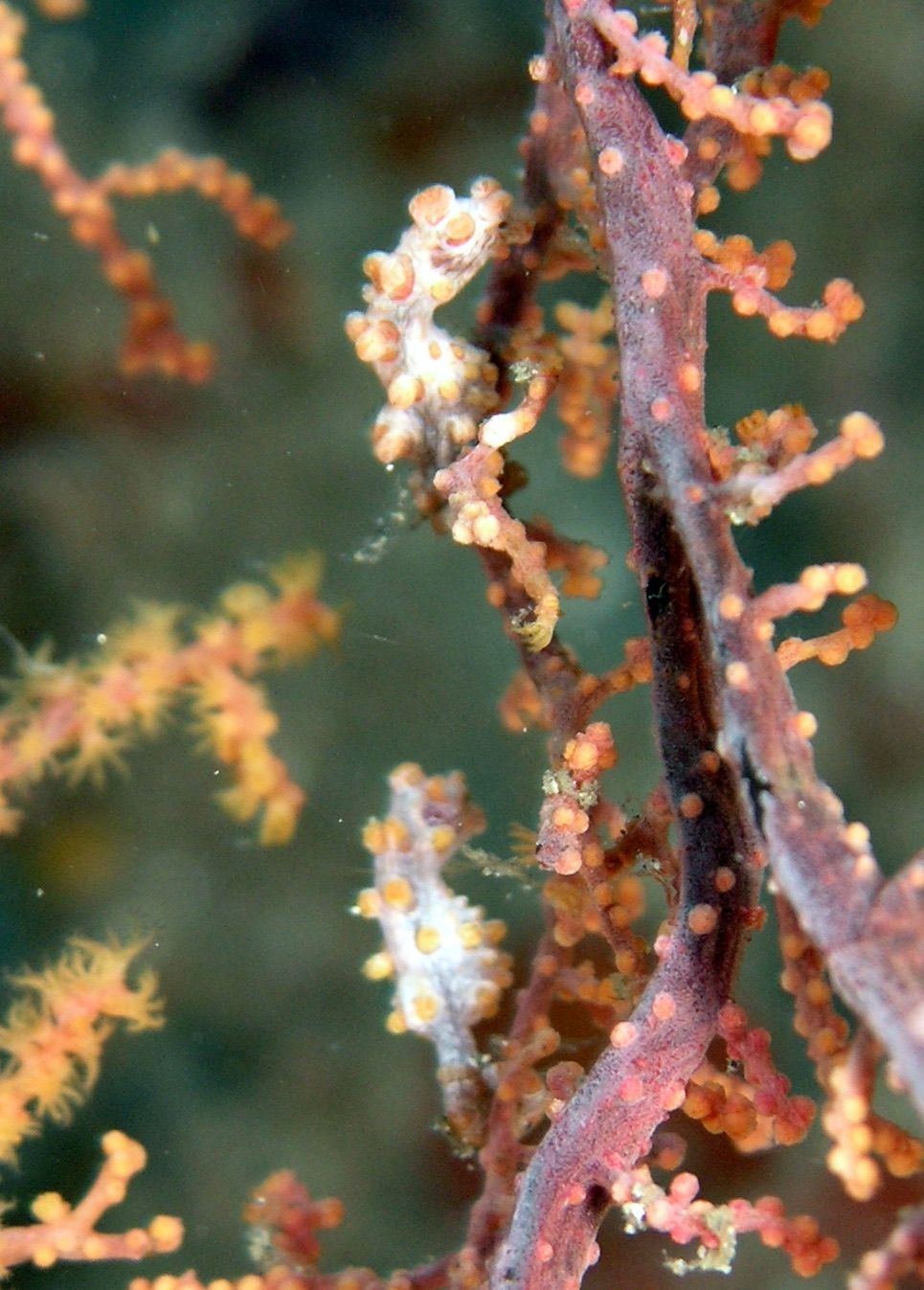
Pygmy Seahorse
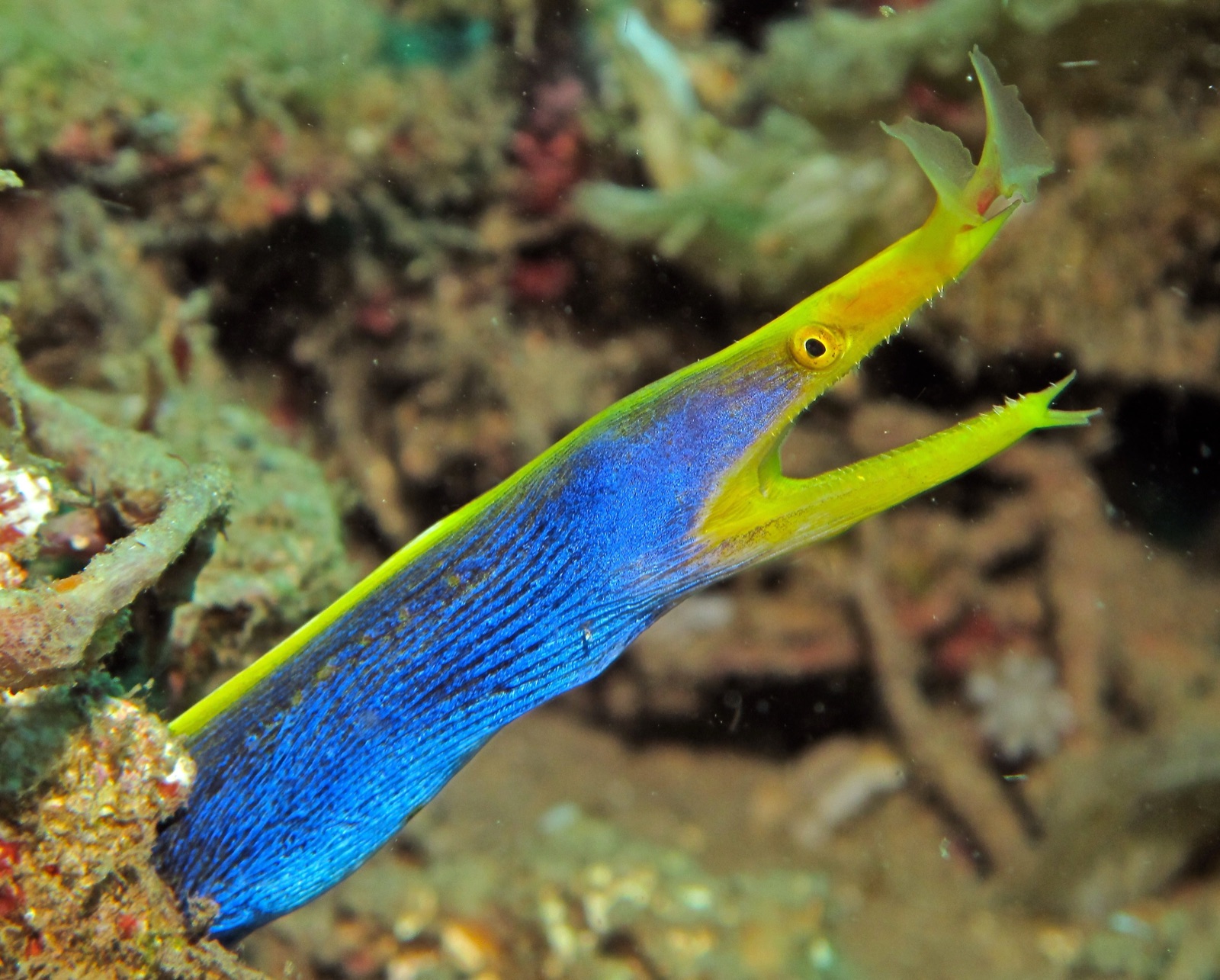
Ribbon Eel
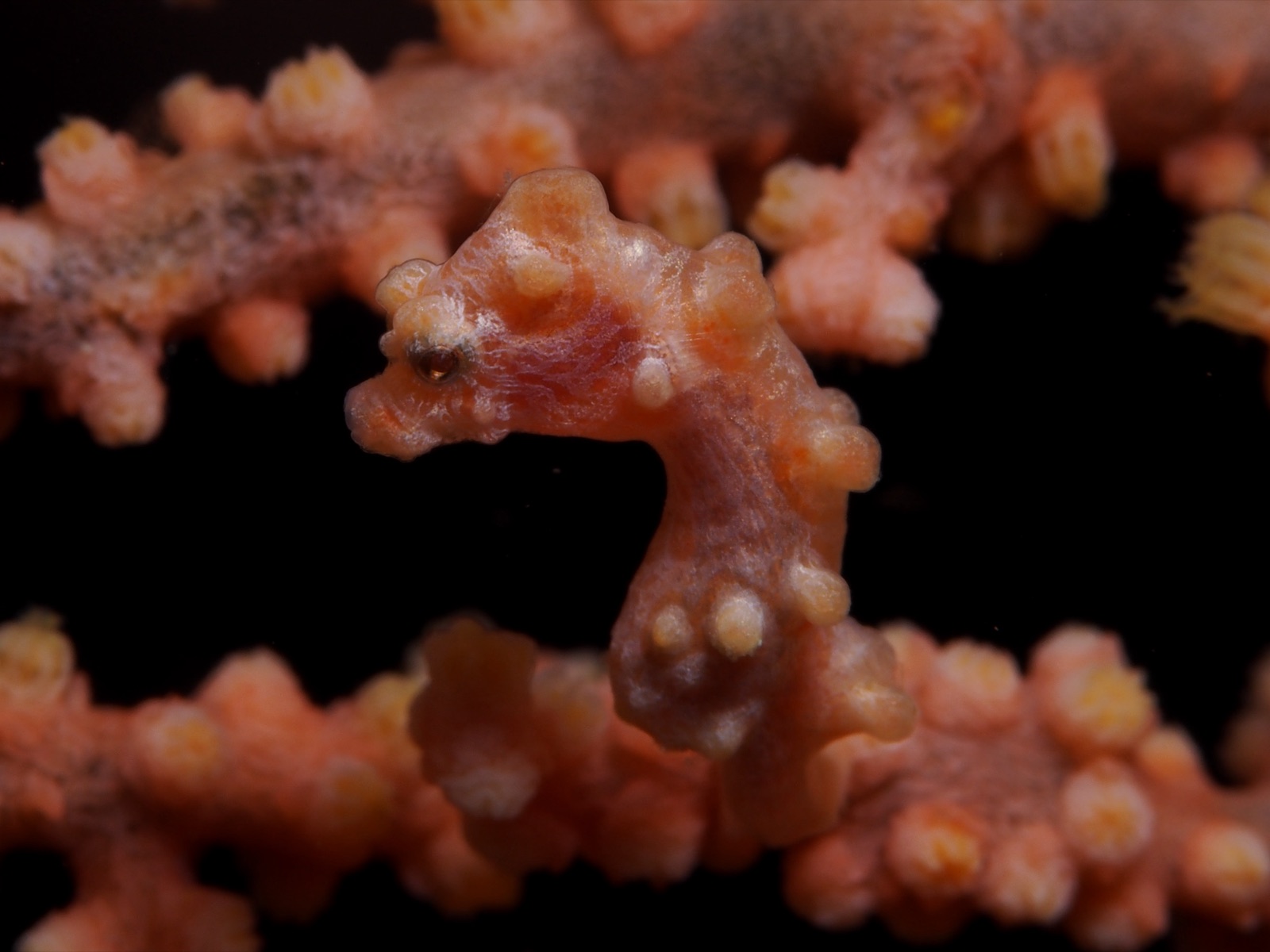
Seahorses
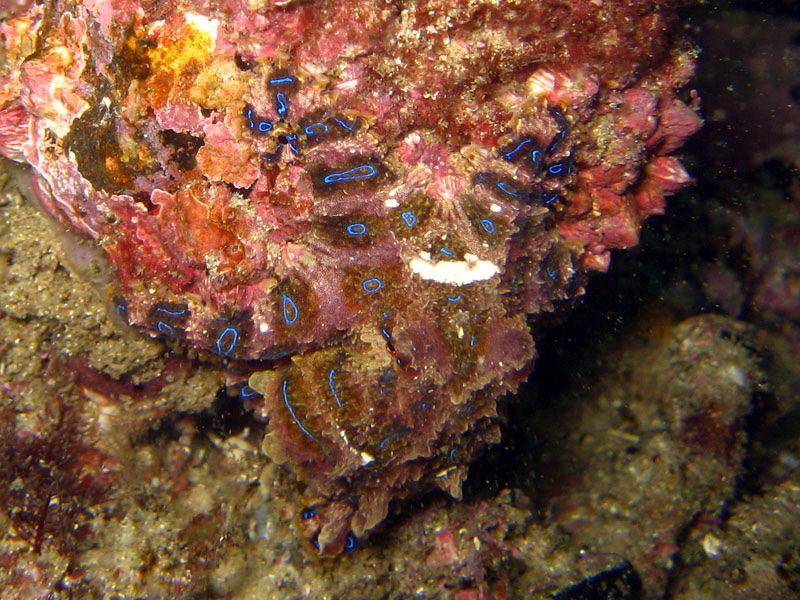
Blue-Ringed Octopus
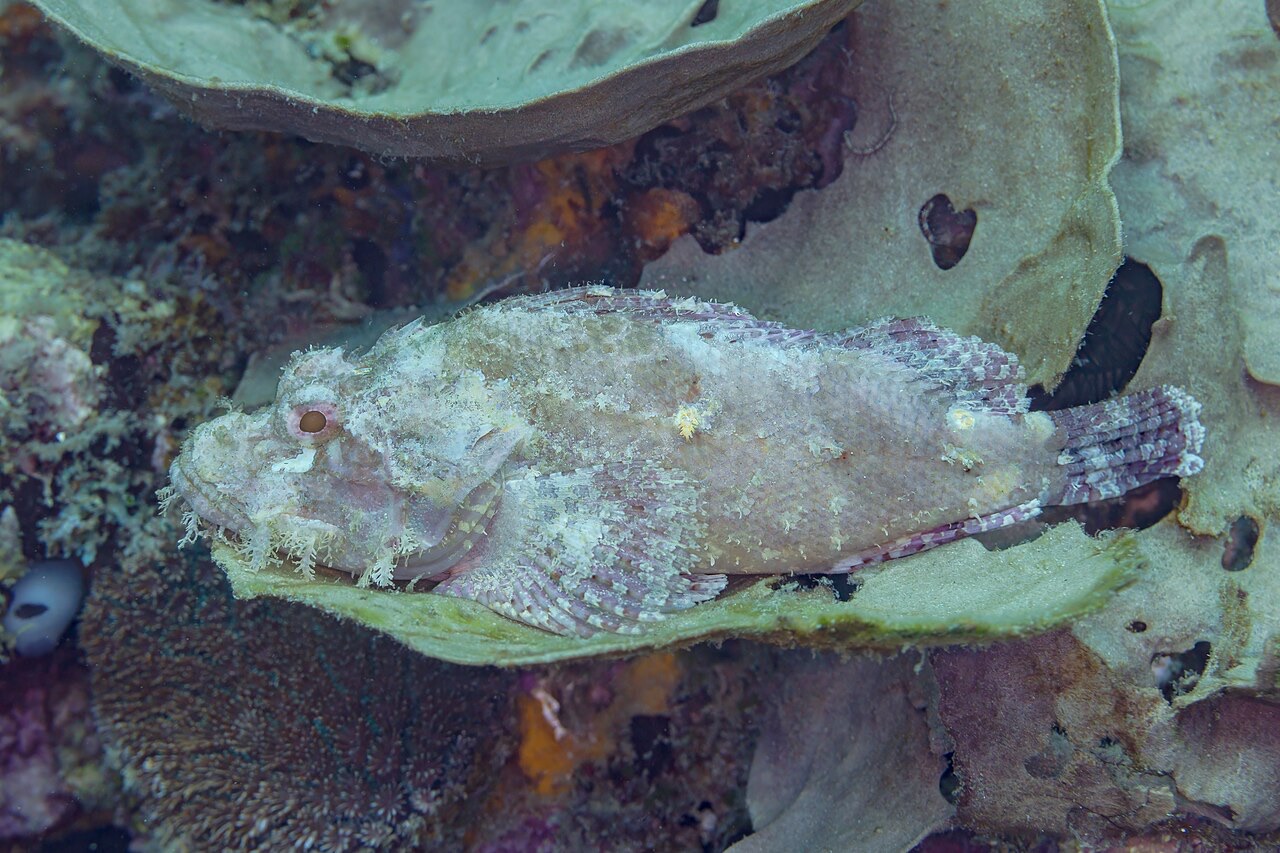
A benchmark critter list: frogfish, blue-ringed and mimic octopus, flamboyant cuttlefish, ghost pipefish, seahorses, harlequin shrimp, and prolific nudibranchs, alongside anemonefish colonies, schooling reef fish, and the occasional turtle on the sanctuaries.
Comment s'y rendre & se loger
Comment s'y rendre: Drive about 2.5-3.5 hours south from Manila or the airport to Mabini; resorts arrange private transfers, and the last stretch winds along the peninsula's coast road.
Où séjourner: Dozens of dive resorts line the shore from Anilao port down the peninsula, most with house reefs, camera rooms, and banca boats minutes from the sites. Weekends fill with Manila traffic; midweek is quieter.
Coûts: Most resorts price per boat dive, roughly US$25-40 each plus small municipal and sanctuary fees; room-and-board packages with three or more dives a day are the norm.
Entre les plongées: Limited: a few viewpoints and day hikes on the peninsula, side trips toward Taal's ridge towns, and not much beach. This is a place people come to dive.
Snorkeling: Sanctuary shallows like Twin Rocks work well for snorkelers on calm days, though most Anilao diving centers on subjects too small to enjoy from the surface.
Sécurité & aspects pratiques
Dangers: Banca traffic near entries and over shallow muck sites; venomous residents including blue-ringed octopus, stonefish, and stinging hydroids; occasional current at the outer rocks and Verde Island Passage sites.
Buoyancy discipline matters over silty slopes, and nothing here should ever be handled; several signature species are dangerously venomous. Listen for boat engines before surfacing near shore.
Caisson de recompression le plus proche: The nearest recompression chambers are in Metro Manila, roughly three hours away by road. Availability changes; run any emergency through EMS and DAN.