Bermuda
Bermuda is not in the Caribbean at all but a mid-Atlantic outpost ringed by the ocean's northernmost coral reefs, kept warm by the Gulf Stream and littered with four centuries of shipwrecks. More than three hundred vessels have come to grief on its encircling reef line, and the survivors of that count, from Civil War blockade runners to a Spanish luxury liner, make it a wreck diver's island above all.
Why dive here
The same reef ring that built Bermuda's maritime graveyard now protects its diving. Wrecks lie scattered across sand flats and coral heads in mostly modest depths, so divers move through paddle wheels, boilers, and cannon with generous light and time: the Mary Celestia, a Confederate blockade runner lost in 1864; the Montana and Constellation, side by side and forever linked to the novel The Deep; the sprawling Cristóbal Colón, largest of them all; and the Hermes, scuttled upright and intact in 1984. Summer visibility on the outer reef routinely stretches past thirty meters, the shallow coral gardens around North Rock are the healthiest this far north anywhere in the Atlantic, and Bermuda's wreck law keeps artifacts where they lie. The season is real: winter water drops below 20 °C and most operators wind down from December to March, but from May through October this is effortless, historic diving an easy flight from the US East Coast.
Month by month
May-October is the operating season for most dive shops; winter brings cool water, wind, and limited boat schedules. September carries hurricane-swell risk.
| Month | Water | Visibility | What it's like |
|---|---|---|---|
| January●○○○○ | 17–19 °C / 63–66 °F | 25–45 m | Most operators closed; cold, windy. |
| February●○○○○ | 16–18 °C / 61–64 °F | 25–45 m | |
| March●●○○○ | 16–18 °C / 61–64 °F | 25–45 m | Humpbacks migrate past offshore. |
| April●●●○○ | 18–20 °C / 64–68 °F | 25–45 m | Season starts; thick exposure protection needed. |
| May●●●●○ | 21–23 °C / 70–73 °F | 25–45 m | |
| June●●●●● | 24–26 °C / 75–79 °F | 25–45 m | |
| July●●●●● | 26–28 °C / 79–82 °F | 25–45 m | |
| August●●●●● | 27–29 °C / 81–84 °F | 25–45 m | |
| September●●●●○ | 26–28 °C / 79–82 °F | 20–40 m | Warm water but hurricane-swell watch. |
| October●●●●○ | 23–25 °C / 73–77 °F | 20–40 m | |
| November●●●○○ | 21–23 °C / 70–73 °F | 25–45 m | |
| December●●○○○ | 19–21 °C / 66–70 °F | 25–45 m | Season winds down. |
Monthly figures confidence: Documented. Months without a row have no verified data. We would rather show a gap than invent one.
The dive sites (5)
| Site | Type | Depth | Level | Access | |
|---|---|---|---|---|---|
| Constellation & Montana Two eras of wrecks in one swim, hardened cement cargo, The Deep connection | Wreck | 6–9 m | Beginner | Boat | |
| Cristobal Colon Vast scattered liner wreckage, shallow bright conditions, machinery turned… | Wreck | 5–17 m | Beginner | Boat | |
| Hermes Fully intact upright freighter, whole-ship visibility, easy interior for… | Wreck | 14–24 m | Intermediate | Boat | |
| Mary Celestia Standing paddle wheel, Civil War blockade-running history, tidy single-dive… | Wreck | 15–17 m | Intermediate | Boat | |
| North Rock The Atlantic's northernmost corals, cottage-sized heads, extravagant… | Reef | 5–14 m | Beginner | Boat |
Marine life you can plan around
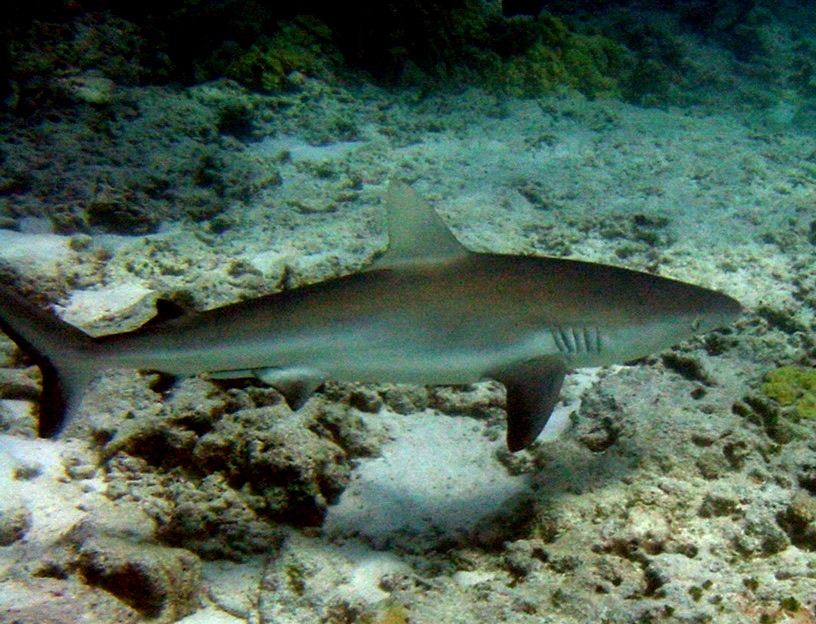
Expect Atlantic reef fauna rather than full Caribbean diversity: dense parrotfish and wrasse populations, green turtles over the seagrass, barracuda on the wrecks, and porcupinefish in the holds. Humpback whales pass offshore in March and April, and invasive lionfish are actively hunted.
Wrecks here
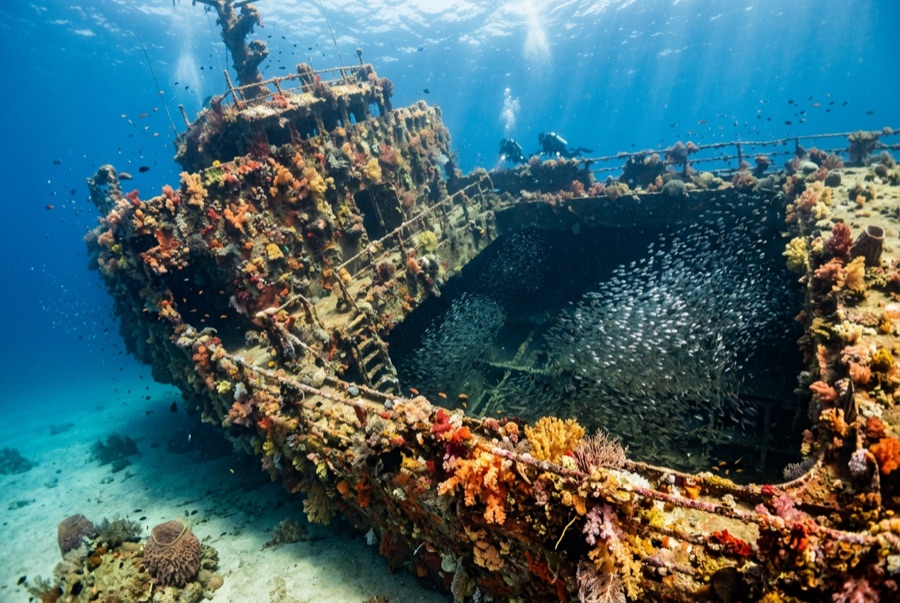
Cristóbal Colón
Mary Celestia
Getting there & staying
Getting there: Nonstop flights connect Bermuda with US East Coast cities, Toronto, and London in about two to seven hours. Dive operators pick up around the island's hotels and marinas.
Where to stay: Anywhere on the small island works; the south shore and Dockyard areas sit closest to the most-dived wreck grounds.
Costs: Bermuda prices run high across the board. Editorial estimate; confirm current rates.
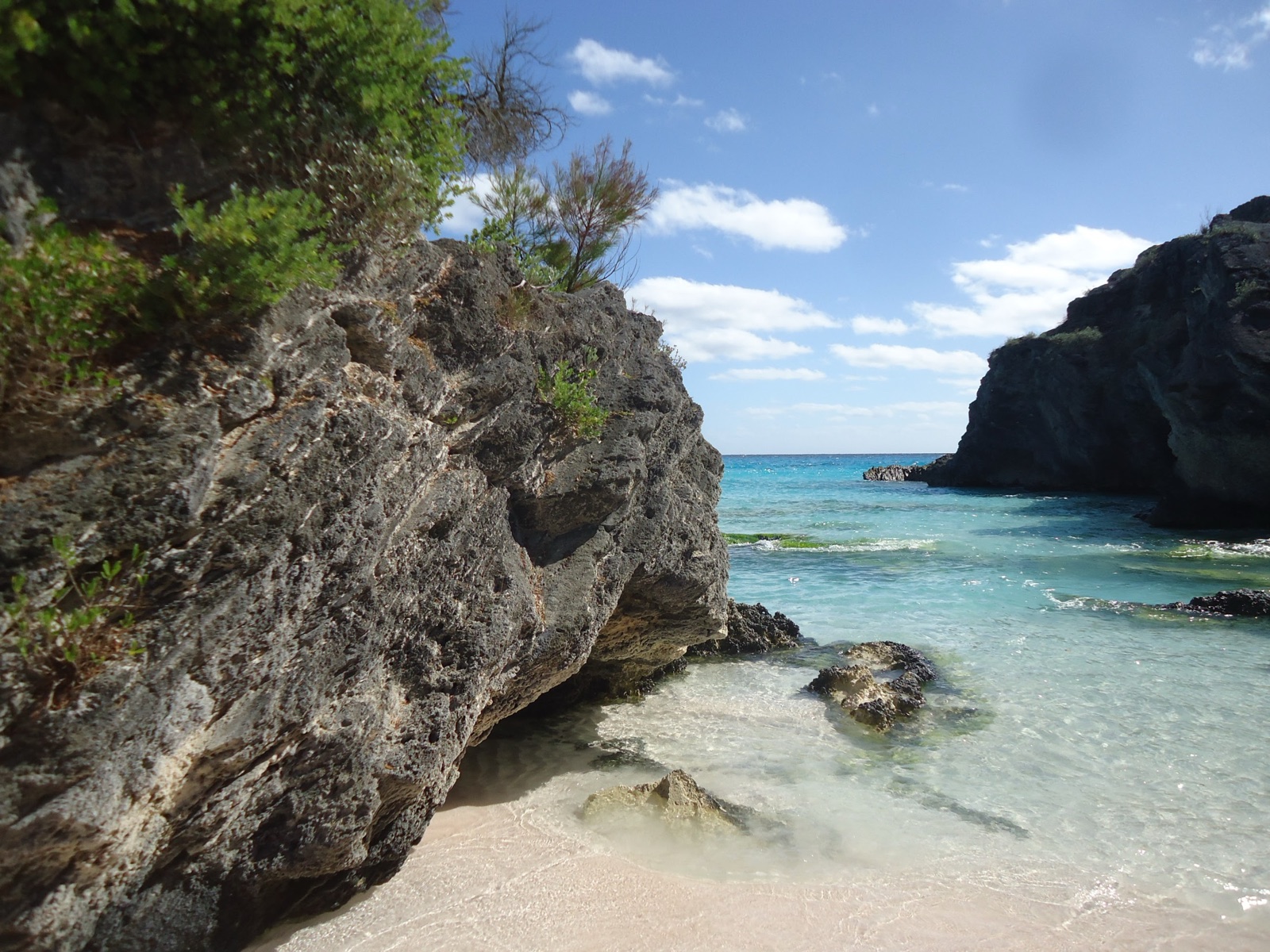
Between dives: Pink-sand beaches, the historic town of St George and the Royal Naval Dockyard, golf, and cliff-lined coastal walks.
Safety & practicalities
Hazards: Atlantic swell and surge on the outer reef; winter storms; navigation among miles of shallow breakers demands local boats. Water is genuinely cool outside high summer.
Bring more exposure protection than Caribbean habits suggest; even June water can feel brisk on repetitive dives.
Nearest recompression: Bermuda's main hospital has maintained a hyperbaric facility; availability changes, so emergencies go through EMS and DAN first.