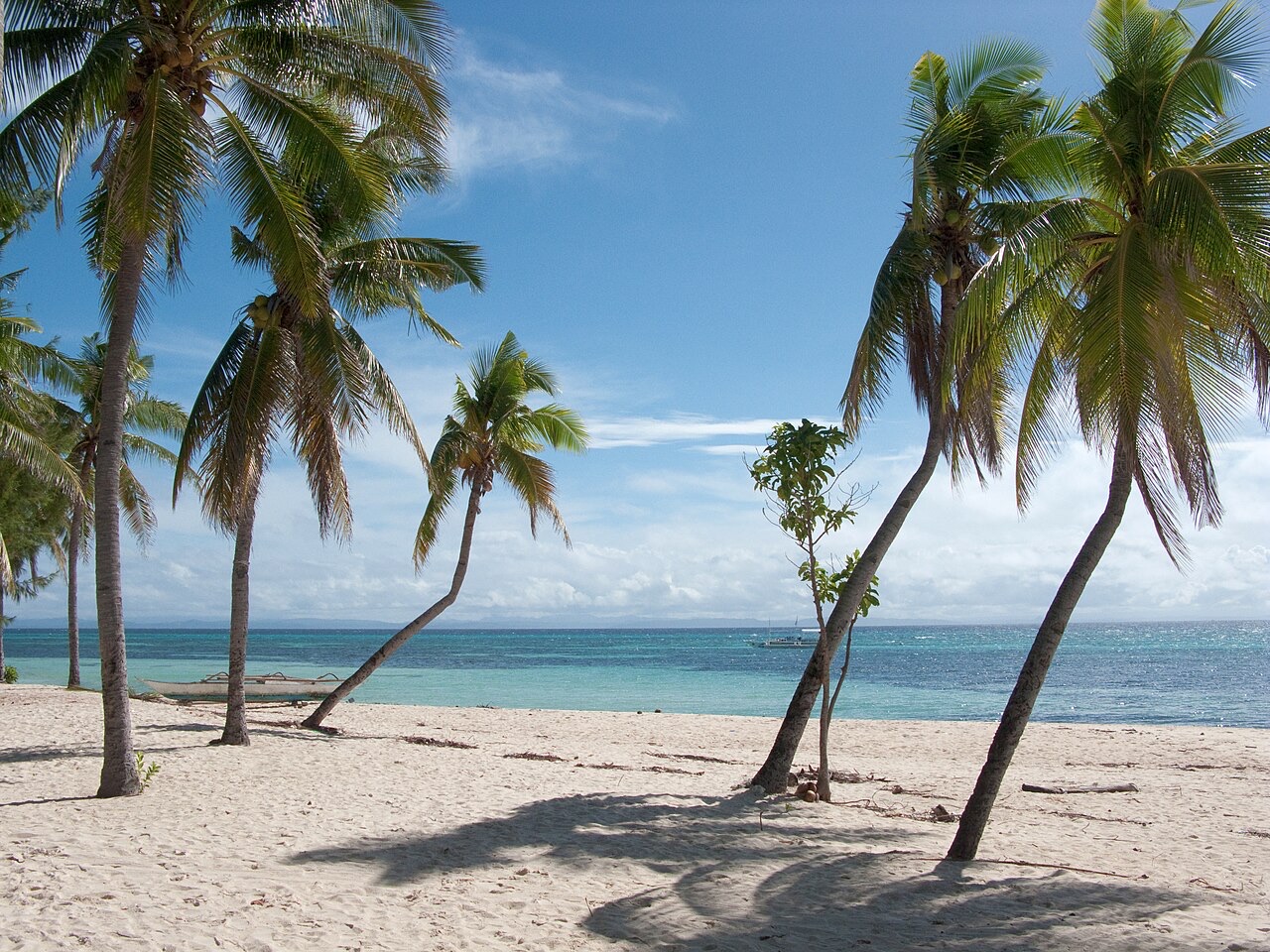
Malapascua
Malapascua, a small island off Cebu's northern tip, built its name on one animal: the pelagic thresher shark. At Monad Shoal, a sunken seamount nearby, threshers rise from deep water to cleaning stations at first light, making this the most reliable place in the world to see them. Around that daily ritual sits a varied menu of shoals, sanctuaries, a dusk mandarinfish dive, and seasonal schooling hammerheads at Kimud.
Por qué bucear aquí
Nowhere else can a recreational diver plan a thresher shark encounter with this much confidence. Boats leave in the dark, and by sunrise you are kneeling behind a rope line on Monad Shoal's plateau while sharks with tail fins as long as their bodies circle cleaning stations, an aggregation studied by researchers since the late 2000s. The show runs year-round, and from roughly December to April neighboring Kimud Shoal adds a chance of schooling scalloped hammerheads in open blue. Daytime diving is quietly excellent: Gato Island's tunnel and sea kraits, macro rubble at Lighthouse Reef where mandarinfish spawn at dusk, and day trips to the white sandbar and walls of Kalanggaman. The island itself remains barefoot-simple, rebuilt tougher after Typhoon Haiyan crossed it in 2013. Come for the sharks, stay for a week; the dawn schedule leaves whole afternoons for everything else.
Mes a mes
Threshers are seen year-round. December to May offers the best mix of calm seas and hammerhead season; late in the year carries typhoon-fringe risk, and the amihan can make exposed sites choppy from December to February.
| Mes | Agua | Visibilidad | Cómo es |
|---|---|---|---|
| January●●●●○ | 26–28 °C / 79–82 °F | 10–25 m | Hammerhead season at Kimud; amihan chop on exposed crossings. |
| February●●●●○ | 26–28 °C / 79–82 °F | 10–25 m | Cool, dry, and busy; dawn dives run like clockwork. |
| March●●●●● | 27–29 °C / 81–84 °F | 10–25 m | Seas ease and visibility improves; hammerheads still possible. |
| April●●●●● | 28–30 °C / 82–86 °F | 15–25 m | Often the best all-around month of the year. |
| May●●●●● | 28–30 °C / 82–86 °F | 15–25 m | Warm, calm water as hammerhead sightings taper. |
| June●●●●○ | 28–30 °C / 82–86 °F | 10–25 m | First rains; threshers unaffected. |
| July●●●○○ | 28–30 °C / 82–86 °F | 10–20 m | Wet-season showers and occasional wind. |
| August●●●○○ | 28–30 °C / 82–86 °F | 10–20 m | Habagat pattern; site choice follows the forecast. |
| September●●●○○ | 28–30 °C / 82–86 °F | 10–20 m | Rainy but rarely unworkable. |
| October●●●○○ | 28–30 °C / 82–86 °F | 10–20 m | Typhoon season peaks; monitor storm tracks. |
| November●●●○○ | 27–29 °C / 81–84 °F | 10–20 m | Transition month with lingering storm risk. |
| December●●●●○ | 26–29 °C / 79–84 °F | 10–25 m | Drier weather returns and hammerhead season begins. |
Confianza en los datos mensuales: Documented. Los meses sin fila no tienen datos verificados. Preferimos mostrar una laguna antes que inventarla.
Los puntos de buceo (6)
| Sitio | Tipo | Profundidad | Nivel | Acceso | |
|---|---|---|---|---|---|
| Doña Marilyn A large, coral-carpeted ferry hull, rich fish life, sobering history… | Wreck | 18–33 m | Advanced | Boat | |
| Gato Island The under-island tunnel with waiting whitetips, resident sea kraits, dense… | Reef | 4–25 m | Intermediate | Boat | |
| Kalanggaman Island Best visibility in the area, twin walls off a photogenic sandbar, relaxed… | Wall | 5–40 m | Intermediate | Boat | |
| Kimud Shoal Schooling scalloped hammerheads in season, backup thresher encounters… | Seamount | 12–40 m | Advanced | Boat | |
| Lighthouse Reef Mandarinfish spawning at dusk, seahorses and pipefish, long mellow twilight… | Reef | 2–12 m | Beginner | Boat | |
| Monad Shoal Thresher sharks at cleaning stations most dawns, occasional rays, a… | Seamount | 14–30 m | Intermediate | Boat |
Vida marina con la que puedes planificar
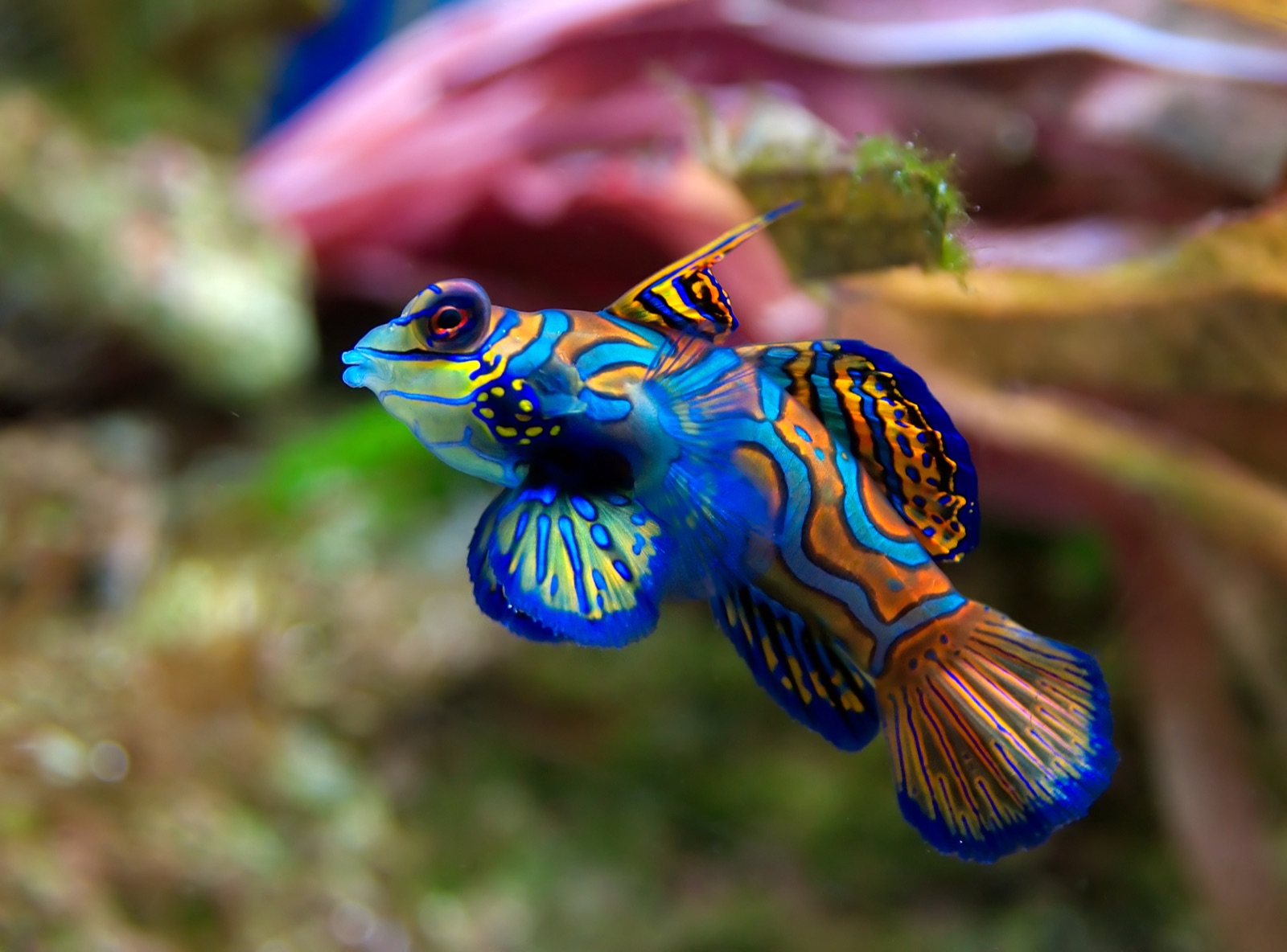
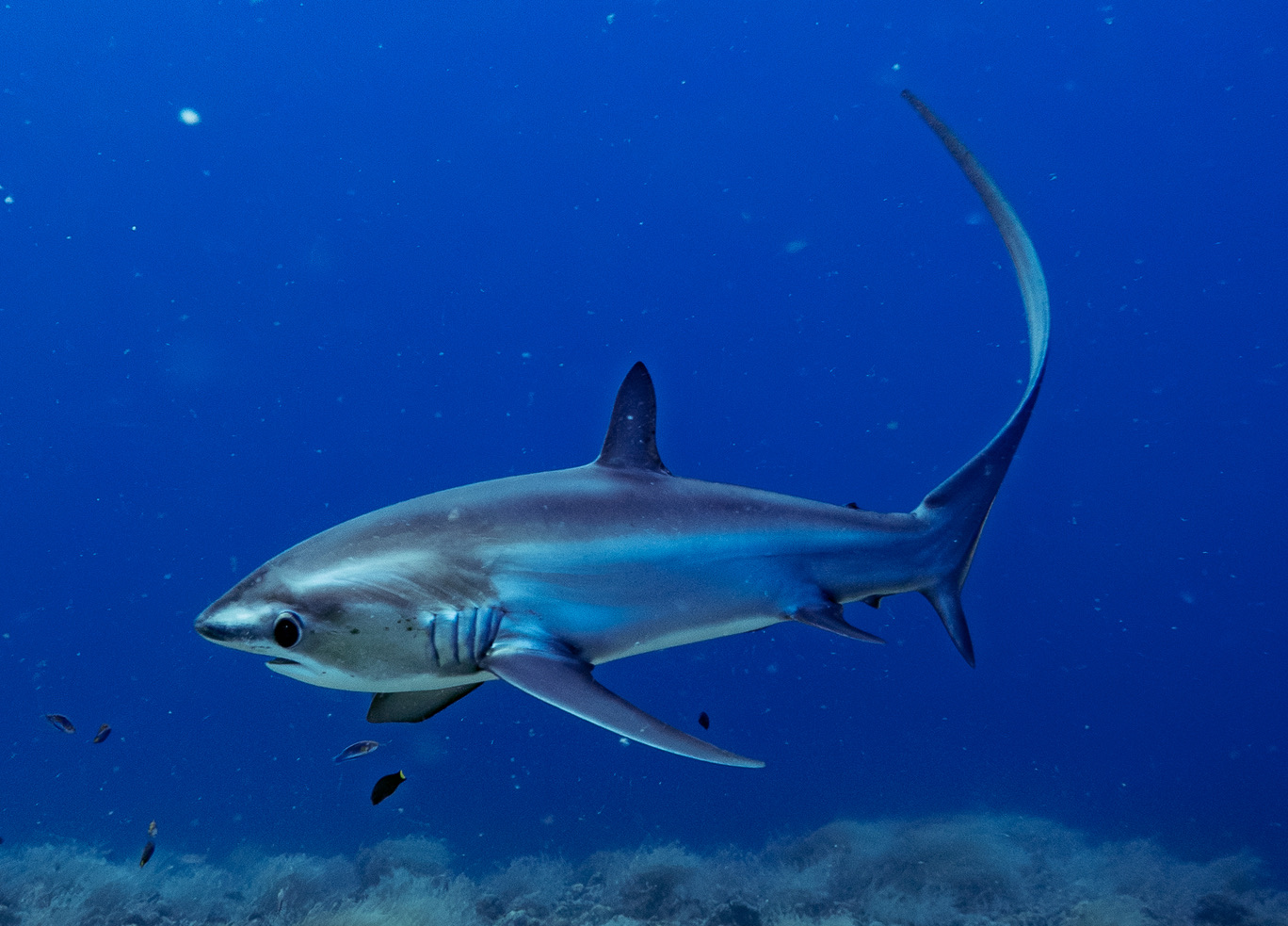
Pelagic thresher sharks daily at cleaning stations; seasonal scalloped hammerhead schools; whitetip reef sharks, banded sea kraits, and macro standouts including mandarinfish, frogfish, seahorses, and nudibranchs; occasional devil rays over the shoals.
Cómo llegar y dónde alojarse
Cómo llegar: Fly to Cebu, drive about 3.5-4.5 hours north to Maya port, then take a 30-45 minute outrigger crossing; the last boats leave around late afternoon, so many arrivals overnight in Cebu.
Dónde alojarse: Guesthouses and dive resorts cluster along Bounty Beach within walking distance of each other; power and water are island-grade. Book dawn dives the evening before and expect 4:30 a.m. alarms.
Costes: Roughly US$30-45 per dive with the dawn Monad trip priced at a small premium, plus marine-park and sanctuary fees collected per site; Advanced certification or a deep adventure dive is expected for the shoals.
Entre inmersiones: Beach time, a lighthouse walk, and village life; day trips to Kalanggaman's sandbar double as picnic outings. Nightlife is a handful of beach bars.
Seguridad y aspectos prácticos
Riesgos: Early-morning deep-ish profiles at the shoals, current in open water at Kimud and Kalanggaman, boat traffic at dawn, and blue-water exposure on crossings; late-year typhoon risk.
Monad and Kimud are managed with rope lines and no-touch, no-chase rules; keep behind the lines and watch gas and no-deco time, since the excitement happens at 15-25 m before breakfast. Nitrox helps on repetitive shoal dives.
Cámara de recompresión más cercana: The nearest recompression chamber is in Cebu City, several hours away by boat and road. Availability changes; route emergencies through EMS and DAN.