The Sardine Run (Wild Coast)
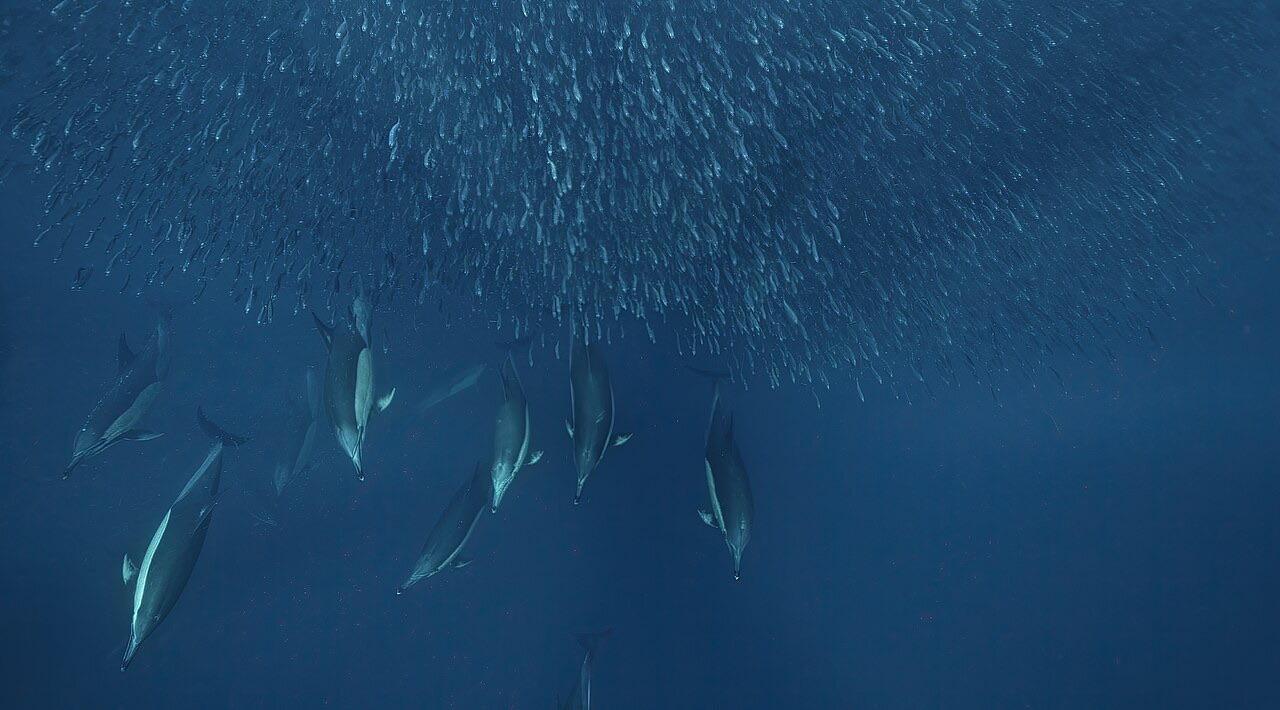
The Sardine Run is an event, not a place: every austral winter, shoals of sardines ride cold water up South Africa's Wild Coast, pursued by common dolphins in their thousands, Cape gannets raining from the sky, sharks, seals, and Bryde's whales. Expeditions stage out of small towns like Port St Johns and Mbotyi, spending long days at sea hunting bait balls. It is raw, weather-ruled, unforgettable when it fires, and never guaranteed.
Neden buraya dalış yapılır
Nothing else in diving matches a working bait ball: a sphere of sardines carved by common dolphins while gannets punch through the surface trailing bubble-streams and copper sharks slice the edges. The run typically pushes north past East London around May-June and peaks off Port St Johns in June-July, tied to cold-water pulses on the shelf. Expedition days are surface-driven: you run the coast reading birds and whale blows, snorkel drops first, scuba only when a ball stabilizes and the crew judges it safe. Some days deliver hours of action; some deliver humpbacks, dolphins, and empty blue; some years the sardines barely show at all, and honest operators say so up front. Between action, this is one of Africa's wildest coastlines: green cliffs, waterfalls dropping to the sea, no development. Book with experienced crews, bring patience and warm layers, and treat any bait-ball day as the jackpot it is.
Aya göre
The run generally moves up the Wild Coast between late May and July, peaking off Port St Johns in June-July. Timing, intensity, and even whether a strong run happens vary substantially year to year.
| Ay | Su | Görüş mesafesi | Nasıl bir yer |
|---|---|---|---|
| January●○○○○ | 22–26 °C / 72–79 °F | 5–15 m | No run; summer rain and river silt. |
| February●○○○○ | 22–26 °C / 72–79 °F | 5–15 m | No run; few operators active. |
| March●○○○○ | 22–26 °C / 72–79 °F | 5–15 m | No run; autumn transition. |
| April●○○○○ | 20–24 °C / 68–75 °F | 5–15 m | Pre-season; crews begin watching water temperatures. |
| May●●○○○ | 19–22 °C / 66–72 °F | 5–15 m | Early activity possible in the far south some years. |
| June●●●●● | 17–21 °C / 63–70 °F | 5–15 m | Run builds up the Wild Coast on cold-water pulses. |
| July●●●●● | 17–21 °C / 63–70 °F | 5–15 m | Peak most years off Port St Johns: never guaranteed. |
| August●●○○○ | 18–21 °C / 64–70 °F | 5–15 m | Stragglers reach KwaZulu-Natal; action fades. |
| September●○○○○ | 18–22 °C / 64–72 °F | 5–15 m | No run; humpbacks still migrating. |
| October●○○○○ | 19–23 °C / 66–73 °F | 5–15 m | No run. |
| November●○○○○ | 20–24 °C / 68–75 °F | 5–15 m | No run. |
| December●○○○○ | 21–25 °C / 70–77 °F | 5–15 m | No run; summer conditions. |
Aylık verilerin güven düzeyi: Documented. Satırı olmayan ayların doğrulanmış verisi yoktur. Boşluk göstermeyi bir boşluk uydurmaya tercih ederiz.
Dalış noktaları (4)
| Nokta | Tür | Derinlik | Seviye | Erişim | |
|---|---|---|---|---|---|
| East London & the Southern Start First action of the season; city logistics on a wilderness event | Blue water | 0–25 m | Advanced | Boat | |
| Mbotyi & Waterfall Bluff Low-traffic staging with the Waterfall Bluff backdrop; one-boat bait balls… | Blue water | 0–25 m | Advanced | Boat | |
| Port St Johns Grounds The highest-probability staging area for full bait-ball events | Blue water | 0–25 m | Advanced | Boat | |
| The Bait Ball The full predation event: dolphins, sharks, gannets, and whales on one… | Blue water | 0–20 m | Advanced | Boat |
Önceden plan yapabileceğin deniz yaşamı
Humpback Whale
Great White Shark
Leatherback Turtle
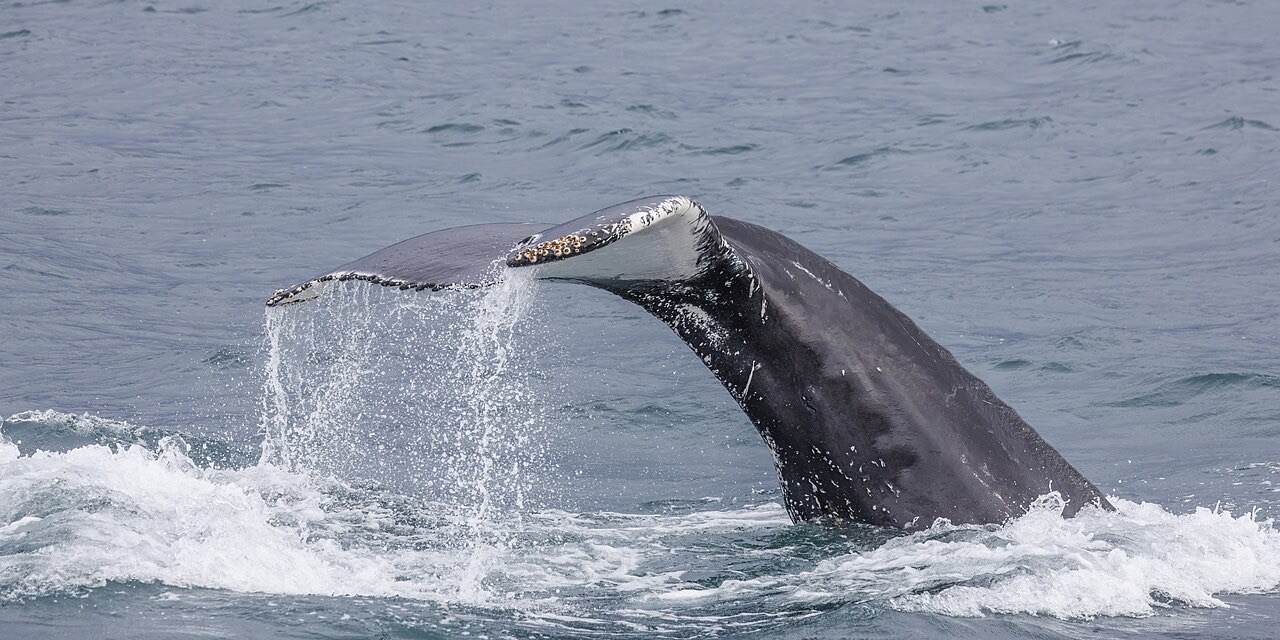
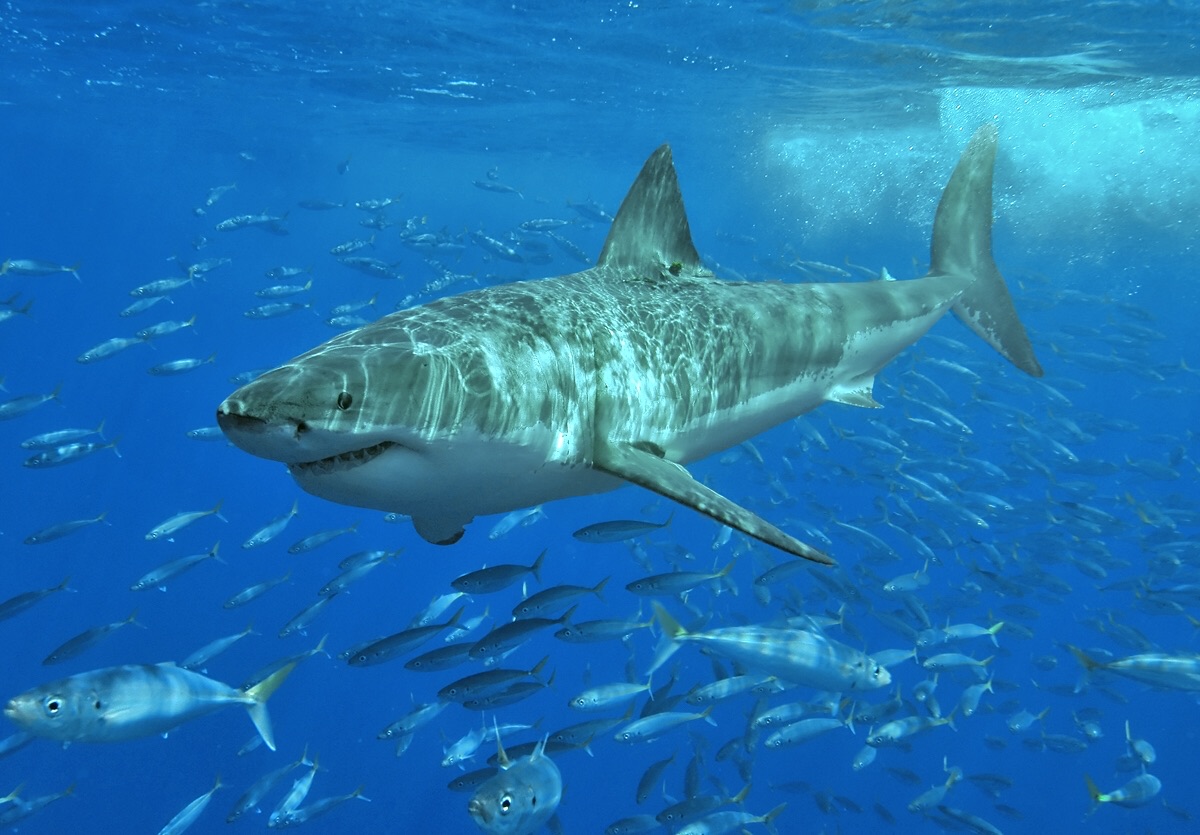
Common and bottlenose dolphins in enormous pods, Cape gannets, copper (bronze whaler) and dusky sharks, Bryde's and humpback whales, Cape fur seals, and, the point of it all, sardines by the million.
Ulaşım ve konaklama
Oraya ulaşmak: Port St Johns is roughly 4.5-5.5 hours' drive from Durban or East London on rural roads; operators arrange transfers, and boats launch through river mouths or surf.
Nerede kalınır: Simple lodges and river hotels in Port St Johns, Mbotyi, and Coffee Bay; expedition packages usually include accommodation and daily boat time.
Maliyetler: Sold as multi-day expedition packages or day rates (commonly a few hundred US dollars per boat day) rather than two-tank dives; accommodation is often bundled.
Dalışlar Arası: Wild Coast hikes to Waterfall Bluff, humpback watching, fishing villages, and blown-out weather days spent exactly as the ocean dictates.
Şnorkelleme: Much of the action is worked on snorkel because bait balls move fast and shallow; scuba is used selectively on stable balls.
Güvenlik & pratik bilgiler
Tehlikeler: Cold water, surf and river-mouth launches, long rough days at sea, fast-changing bait-ball dynamics with feeding sharks and diving gannets, and low visibility.
This is an expedition for fit, experienced ocean swimmers and divers; follow crew instructions instantly, stay tight to your group at a bait ball, and accept that many entries are snorkel-only for good reason.
En yakın recompression istasyonu: The Wild Coast is remote: hyperbaric care means evacuation toward Durban or East London; availability changes, and emergencies go through local EMS and DAN.