Port St Johns Grounds
Depth साइट की ऊपरी सीमा से उसके सामान्य maximum तक की range है; "recommended cert" वह mainstream-agency level है जो operators आमतौर पर माँगते हैं, कोई कानूनी नियम नहीं। Currents और visibility रोज़ बदलती है, इसलिए सब कुछ planning ranges मानें।
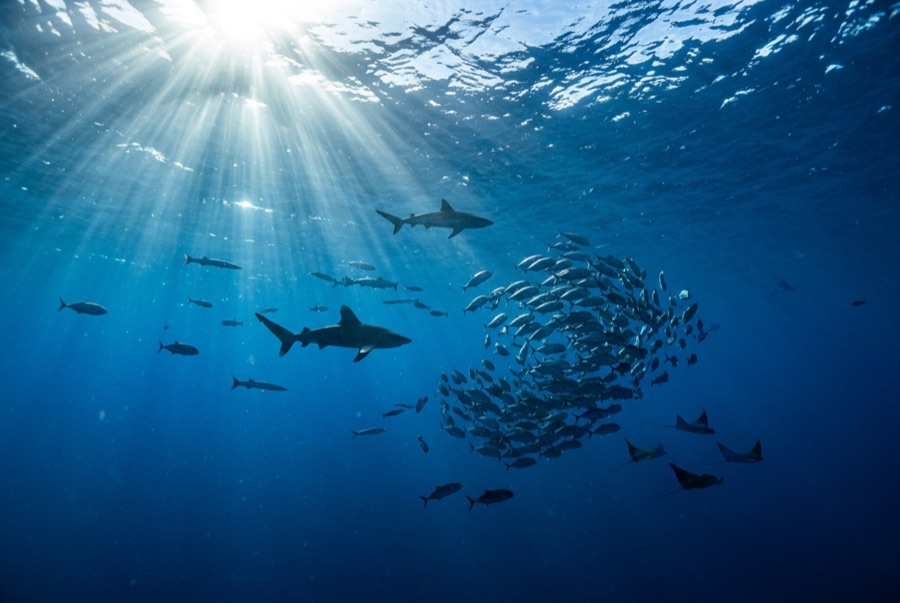
Port St Johns is the sardine run's capital: the shelf narrows here, pushing the migrating shoals, and everything eating them, into a workable band close to the cliffs. June and July mornings start with a launch through the river mouth or surf, then hours of reading gannet flight lines and dolphin spray until a bait ball forms. When one does, swimmers slide in on snorkel first; scuba follows only if the ball stabilizes. Common dolphins arrive in the hundreds, copper sharks carve the sphere, gannets hit like hail, and Bryde's whales end arguments in one lunge. Blank days are part of the honest arithmetic.
वह पल जिसके लिए आप आते हैं: The highest-probability staging area for full bait-ball events
टोपोग्राफी: Open shelf water off the Mzimvubu River mouth; action is midwater and surface, not on the seabed
करंट: The Agulhas edge, counter-currents, and cold pulses all meet here; every day is read fresh from water temperature and bird behavior.
पानी में उतरने से पहले जान लें
खतरे: Cold water, long rough days, surf and river-mouth launches, and feeding predators at close quarters: obey the divemaster instantly.
संरक्षण: Boats and swimmers work under permit conditions; crews coordinate on the radio so bait balls are not mobbed by every operator at once.
आप किनसे मिलेंगे
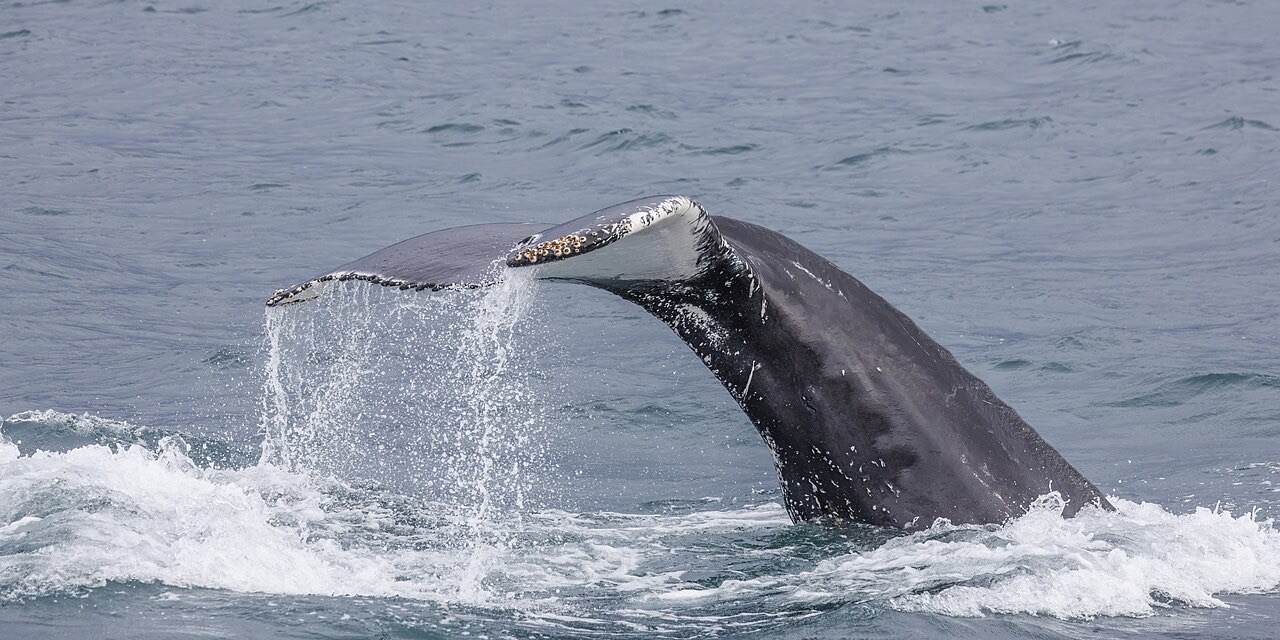
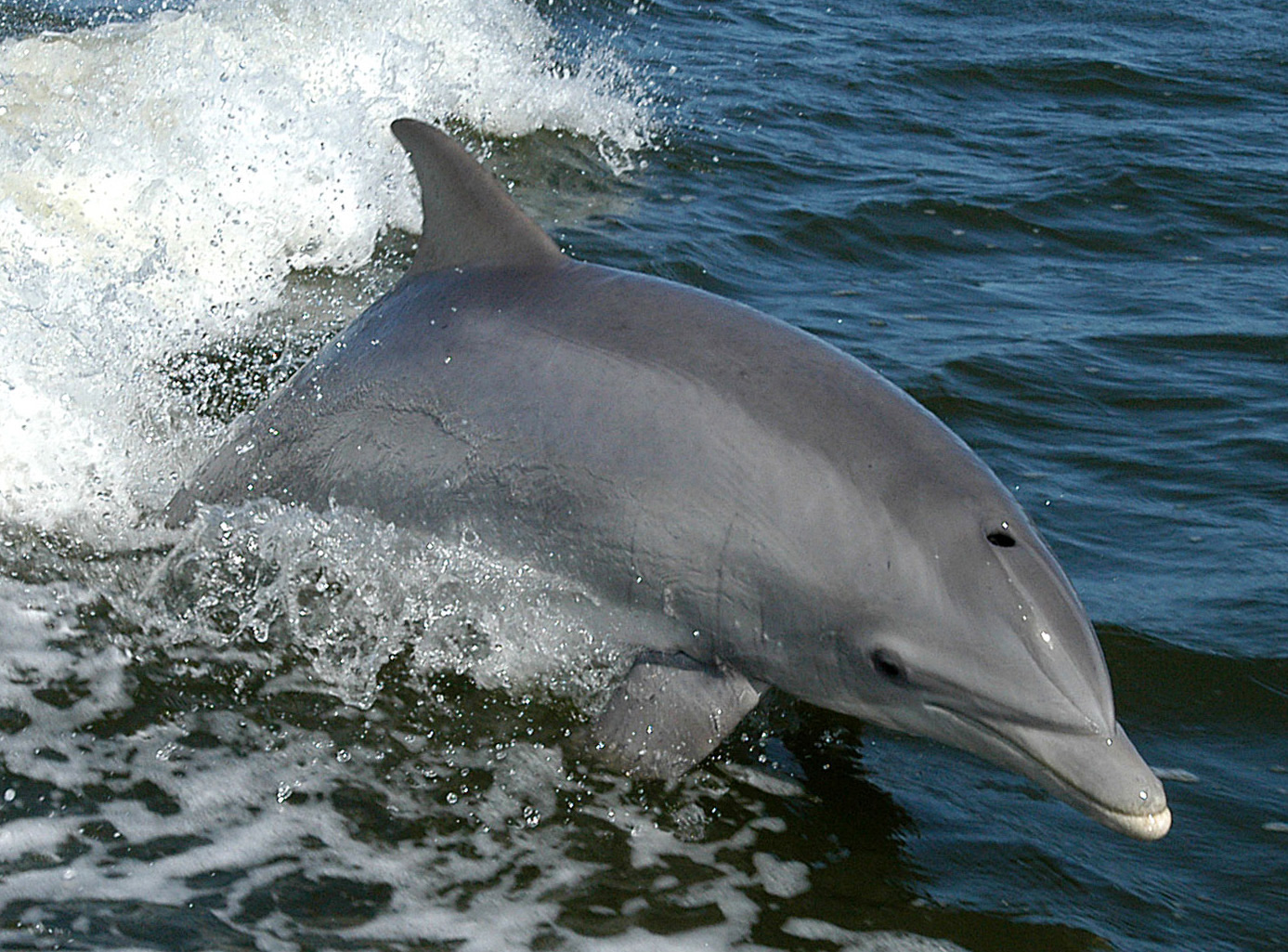
"यहाँ चार्ट की गई" प्रजातियाँ हमारे संपादकों ने इस पृष्ठ के स्रोतों से सूचीबद्ध की हैं। गिनती GBIF occurrence रिकॉर्ड हैं: 1990 के बाद से चार्ट की गई स्थिति के लगभग 5 किमी के भीतर दर्ज अवलोकन, जो केवल हमारे कैटलॉग की प्रजातियों से मिलाए गए हैं। ये दिखाते हैं कि वहाँ क्या देखा गया है, यह वादा नहीं कि आप क्या देखेंगे।
फ़ोटोग्राफ़रों के लिए
Wide angle: ★★★★★ · मैक्रो: ★☆☆☆☆ (इस साइट पर हर तरह की फ़ोटोग्राफ़ी शैली के लिए संपादकों की 1–5 रेटिंग)