Wakatobi
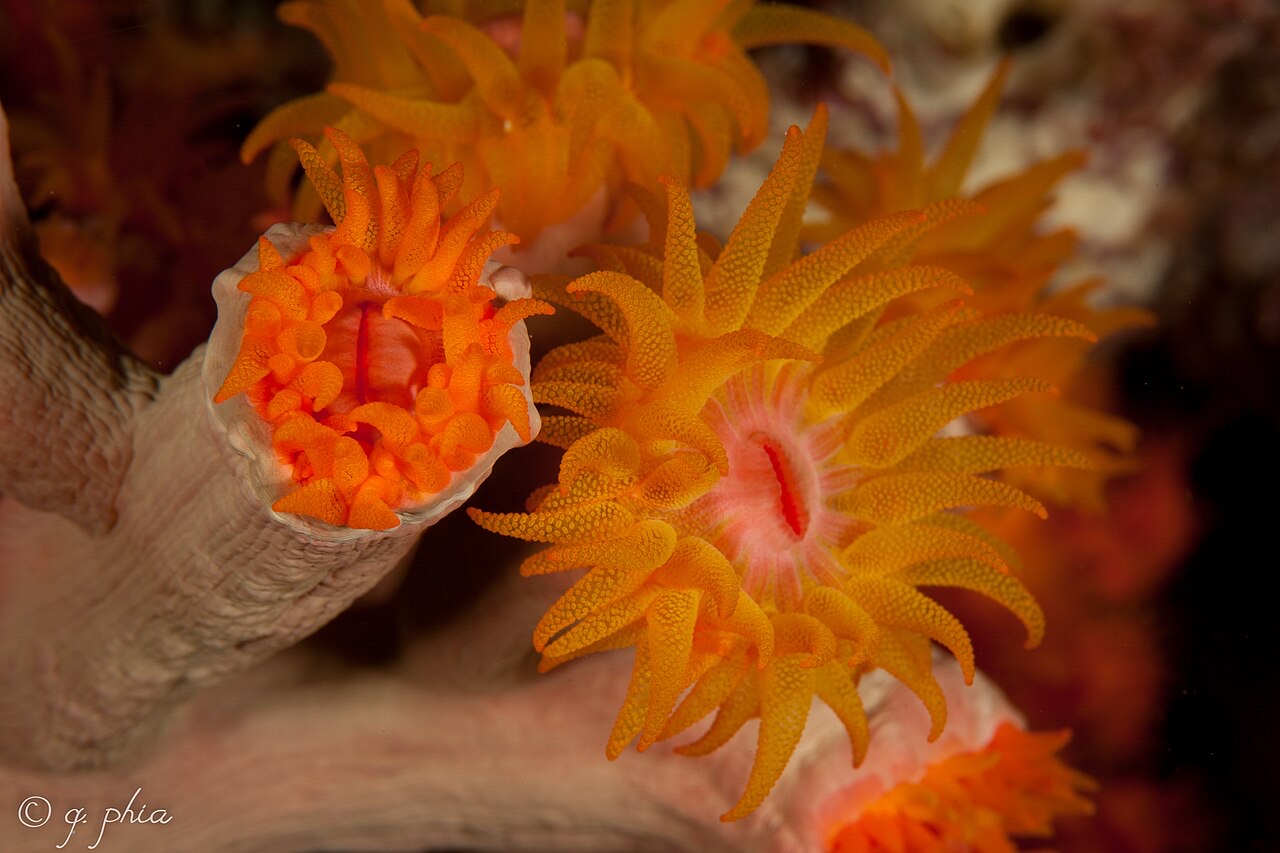
Wakatobi takes its name from four islands off Southeast Sulawesi: Wangi-Wangi, Kaledupa, Tomia, and Binongko. A national park since 1996 and part of a UNESCO-listed biosphere reserve, it protects long ribbons of fringing reef and atoll that see very few divers. The draw is reef condition rather than big animals: dense, healthy coral from the surface down, prolific small life, warm water, and a famously good house reef at the area's flagship resort.
Por que mergulhar aqui
Wakatobi is the destination for divers who measure a trip in coral cover and unhurried hours underwater. Reef tops here still look the way older divers remember reefs looking: unbroken fields of hard coral in a few meters of water, sloping into walls and ridges upholstered with fans and soft coral. Currents are usually mild, profiles are flexible, and sites like Roma, Cornucopia, and Blade offer sculpted topography with anthias in constant motion. Macro subjects, from pygmy seahorses to ghost pipefish, reward slow searching. Because access is awkward, whether by the resort's charter flight, scheduled flights via Kendari, or a liveaboard, crowds simply never form; it is common to see no other boat all day. Turtles, snakes, and squid patrol the shallows at dusk, and the shore-accessible drop-off in front of the main resort ranks among the most rewarding easy dives in Indonesia.
Mês a mês
Sheltered positions and generally benign seas keep Wakatobi diving open most of the year, with the steadiest conditions from about March through November or December. The northwest-monsoon months of roughly January and February bring the most rain and wind. Water stays warm year-round, dipping slightly mid-year.
| Mês | Água | Visibilidade | Como é |
|---|---|---|---|
| January●●●○○ | 27–29 °C / 81–84 °F | 15–30 m | Wettest, windiest stretch; diving continues on sheltered reefs. |
| February●●●○○ | 27–29 °C / 81–84 °F | 15–30 m | Monsoon influence lingers; conditions improve late in the month. |
| March●●●●○ | 27–30 °C / 81–86 °F | 20–35 m | Season opens up; calm mornings and long visibility return. |
| April●●●●● | 27–30 °C / 81–86 °F | 20–40 m | Excellent month; glassy seas are common. |
| May●●●●● | 27–30 °C / 81–86 °F | 20–40 m | Prime conditions across the atolls. |
| June●●●●● | 26–29 °C / 79–84 °F | 20–40 m | Slightly cooler water; reef life in full swing. |
| July●●●●● | 26–28 °C / 79–82 °F | 20–40 m | Coolest water of the year, still comfortably warm. |
| August●●●●● | 26–28 °C / 79–82 °F | 20–40 m | Peak season; book well ahead. |
| September●●●●● | 26–29 °C / 79–84 °F | 20–40 m | Consistently superb; light winds. |
| October●●●●● | 27–29 °C / 81–84 °F | 20–40 m | Warm, clear, and quiet. |
| November●●●●○ | 27–30 °C / 81–86 °F | 20–35 m | Late-season calm before the rains. |
| December●●●○○ | 27–29 °C / 81–84 °F | 15–30 m | Rains build; conditions become more variable. |
Confiança nos dados mensais: Editorial estimate. Os meses sem linha não têm dados verificados. Preferimos mostrar uma lacuna a inventar uma.
Os sites de mergulho (5)
| Local | Tipo | Profundidade | Nível | Acesso | |
|---|---|---|---|---|---|
| Blade Knife-edge ridge topography; fan and sponge growth on the crest; a wilder… | Seamount | 6–35 m | Intermediate | Boat | |
| Cornucopia Tiered overhangs of soft coral; pygmy seahorses in the fan band; long clean… | Wall | 3–40 m | Beginner | Boat | |
| Roma Cabbage-coral crown; swirling anthias and fusilier lanes; easy spiral… | Pinnacle | 4–30 m | Beginner | Boat | |
| The Zoo Leaf scorpionfish and ghost pipefish; habitat variety in one easy circuit… | Reef | 5–25 m | Beginner | Boat | |
| Wakatobi House Reef World-class shore-access wall; dusk squid and turtle-filled seagrass… | Wall | 1–40 m | Beginner | Shore |
Vida marinha que podes planear com antecedência
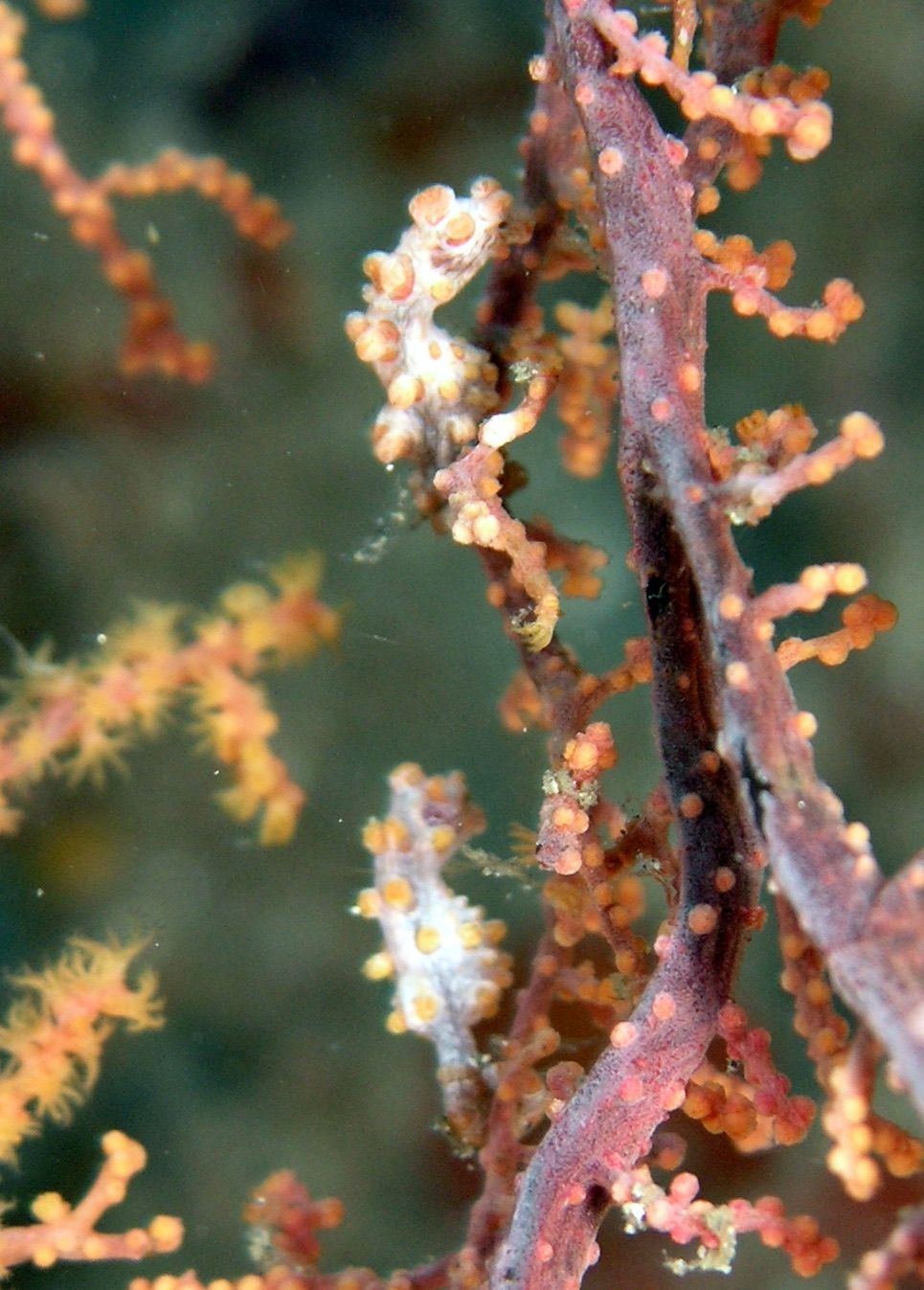
Exceptional hard and soft coral, turtles, banded sea kraits, schooling fusiliers and anthias, pygmy seahorses, ghost pipefish, nudibranchs, squid at dusk, and occasional reef sharks and eagle rays along the outer walls.
Como chegar e onde ficar
Como chegar: Scheduled flights reach Wangi-Wangi via Kendari from Makassar or Jakarta, followed by local boats between islands. Guests of the flagship resort typically use its direct charter flight from Bali to an airstrip near Tomia, which shortcuts an otherwise long journey.
Onde ficar: Accommodation splits between one internationally known luxury dive resort with its liveaboard yacht, and simple guesthouses or homestays on the main islands where local dive operations are gradually growing. Book the resort far ahead; independent logistics need patience.
Liveaboards: A number of Indonesian liveaboards include Wakatobi on Banda Sea or southeast Sulawesi itineraries, mostly in the inter-monsoon months, and the flagship resort operates its own dive yacht for remoter atoll reefs.
Custos: There is no meaningful walk-in day-boat market: most visitors buy all-inclusive packages at the high-end resort near Tomia or berths on liveaboards passing through; a small number of homestay-and-local-operator options exist around Wangi-Wangi and Tomia for travelers with time. Park fees are handled by operators.
Entre mergulhos: Bajau stilt villages such as Sampela near Kaledupa, island walks and market visits on Wangi-Wangi and Tomia, snorkeling straight off the beaches, and very little else, which is much of the appeal.
Snorkeling: Reef crests start at the surface, so snorkelers get nearly the full spectacle; the resort house reef and Kaledupa's flats are outstanding by any standard.
Segurança & aspetos práticos
Perigos: Remoteness is the main hazard: medical help is far away, and some outer-reef sites carry current and surface chop. Fire coral and hydroids are abundant in the healthy shallows.
Dive well within limits given the distance from care, keep long surface intervals on multi-dive days, and carry evacuation-capable dive insurance. Reef-safe habits are enforced seriously here; expect strict no-touch, no-glove briefings.
Câmara de recompressão mais próxima: There is no recompression chamber in the Wakatobi islands; the nearest facilities are far away in major cities, and evacuation is slow. Emergencies go through EMS and DAN, and prevention is the only sound plan.