Redactioneel · 4 min leestijd
The Best Dive Destinations for Beginners
Eight destinations where new divers get warm water, mild conditions, and genuinely memorable diving above 18 m, each with its one honest catch stated plainly.
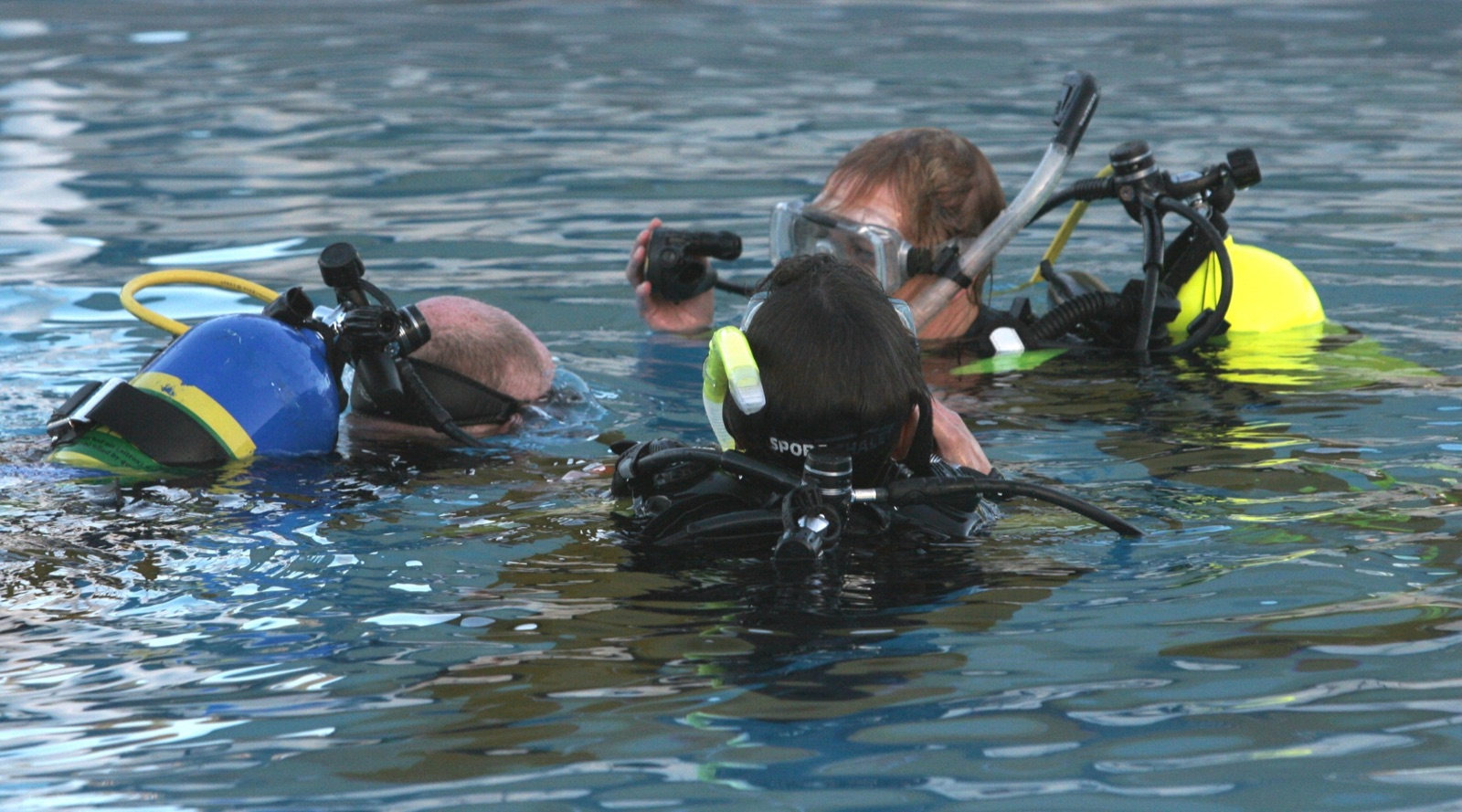
Beginner-friendly means something specific: warm water, mild or well-managed current, short rides to the site, and operators who brief carefully because they see new divers every day. It does not mean dull. Each of these eight delivers real sights in the top 18 m, where newly certified divers actually spend their time, and each carries one catch worth knowing before you book. If nerves still outweigh excitement, start with what your first dives actually feel like.
Bonaire, Dutch Caribbean
Bonaire is the gentlest introduction in the Caribbean: a leeward coast with barely any current, marked reef entries along the whole shoreline, and pickup trucks in place of dive boats. The catch is independence: shore diving means planning your own dive, so book guided boat dives for the first days and graduate to the truck once navigation feels natural.
Cozumel, Mexico
Drift diving sounds advanced and is the opposite at Cozumel: the current carries you along the coral while the boat follows your bubbles. Guides handle all navigation; your job is buoyancy and looking. The tradeoff is discipline: on a drift dive you stay with the group, because wandering off is how divers get separated.
Grand Cayman, Cayman Islands
The west side of Grand Cayman offers flat-calm mornings, healthy reef from about 10 m, and famously organized operations. At Stingray City you meet southern stingrays on a waist-deep sandbar before you ever kneel on a boat deck. The polish has a price: this is one of the Caribbean's most expensive islands.
Roatán, Honduras
Value defines Roatán: sheltered sites minutes from the West End docks, walls that begin shallow enough for a first fun dive, and instructors teaching constantly. From October into January, rain and wind can cost you the odd day; build a buffer into the itinerary rather than diving on a deadline.
Koh Tao, Thailand
Koh Tao certifies more new divers than almost anywhere on earth, which is both the pitch and the warning: low prices and easy, shallow bays, shared with plenty of other bubbles. Visibility is honest-tropical rather than spectacular. Choose a school by group size, not by price difference measured in single dollars.
Dahab, Egypt
At Dahab you walk off the beach into the Gulf of Aqaba: no boat schedules, coral from 3 m, and some of the lowest prices in the Red Sea. Sites like Lighthouse were made for new divers. Treat the famous Blue Hole with respect: its rim is a reasonable dive, but the deep arch has a grim record and belongs to trained technical divers.
Bali, Indonesia
Tulamben, on the northeast coast of Bali, puts the USAT Liberty (a genuine Second World War casualty) a short swim off the beach in 5–28 m of water, which makes it perhaps the easiest famous wreck dive anywhere. Bali also hides the opposite: Nusa Penida's cold, current-swept sites are not beginner ground, so take your operator's steer seriously.
Florida Keys, United States
For Americans the Florida Keys remove every excuse: drive down, dive shallow spur-and-groove reef, share a ledge with a green turtle, drive home. Summer brings the warmest, clearest water along with storm risk; winter cold fronts can blow out boats for days at a stretch.
What to work on once you are there
The first twenty dives are for habits, wherever you log them. Put your effort into buoyancy before depth or gadgets, and let air consumption improve on its own schedule. Forced to choose, pick the operator over the destination: a patient guide upgrades any reef. Two habits pay immediately wherever you land: book morning boats, because tropical wind tends to build through the afternoon, and volunteer your logged-dive count when reserving. Good shops quietly pair newer divers with patient guides and gentler profiles when they know to.