Biên tập · 4 phút đọc
The Best Scuba Diving in the World: 10 Destinations That Earn It
A ranked, argued list of the ten destinations that define world-class diving, with the honest cost of each, from currents and permits to airfare and crowds.
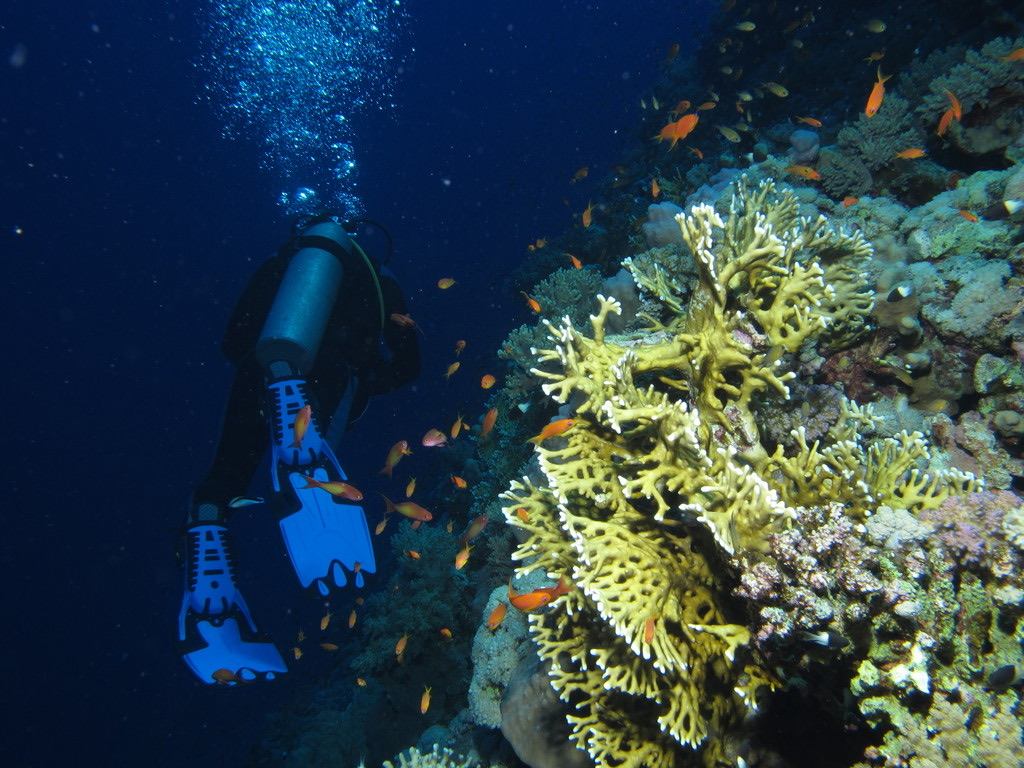
Every list like this is an argument, so here is the standard applied: density of life, underwater architecture that exists nowhere else, and honest odds of seeing the headline animals inside a stated season. Every pick also names its price (current, money, travel time, or crowds), because there always is one.
1. Raja Ampat, Indonesia
No surveyed reef system holds more species than Raja Ampat, where scientists once logged 374 fish species on a single dive at Cape Kri. Expect reef mantas circling cleaning stations, a wobbegong folded under a plate coral, and fusilier clouds thick enough to dim the sun. The price is the journey: three flights for most travelers, boats and resorts that cost real money, and a season favoring October through April.
2. Galápagos Islands, Ecuador
Nothing matches the Galápagos for big-animal traffic: walls of scalloped hammerheads at Darwin and Wolf, whale sharks in the second half of the year, sea lions strafing your safety stop. It is also cold, surgy, current-swept diving far from help, at liveaboard prices that start high and climb. Bring experience and a thick suit, not just enthusiasm.
3. Sharm El Sheikh and the Northern Red Sea, Egypt
The reef walls of Ras Mohammed plus the most famous wreck in diving, the SS Thistlegorm, make Sharm El Sheikh the strongest value in the sport, a short-haul flight from Europe. The catches: winter water in the low 20s °C, busy moorings on the marquee sites, and a long journey from the Americas.
4. Brothers, Daedalus and St John's, Egypt
Egypt's offshore marine parks trade convenience for pelagics. Oceanic whitetips shadow the boats in October and November, hammerheads school off the plateaus, and the walls are the country's wildest. This is liveaboard-only diving with rough crossings and deep, exposed sites, the step up after a shore-based Egypt trip.
5. Komodo, Indonesia
Current is the whole point of Komodo: it feeds the mantas at Karang Makassar, packs Batu Bolong's terraces with fish, and will sweep an inattentive diver off the site. Conditions change with the tide table, not the brochure. Dragons on land between dives are a bonus no other destination offers.
6. Palau
Palau funnels open-ocean current through a barrier reef, and the sharks queue where it hits. Hooked in at Blue Corner, you watch grey reef sharks hold station a few meters away; German Channel adds mantas, and the Rock Islands add WWII history. It is remote for everyone, and prices reflect the isolation.
7. The Maldives
Maldivian diving is channel diving: time the tide into a kandu in the Malé atolls and sharks stack in the incoming blue. Mantas and whale sharks follow the monsoon calendar, flipping sides of each atoll with the season. Currents are serious, the best routes are liveaboard loops, and resort-only trips see a fraction of it.
8. Cozumel, Mexico
Drift diving does not get friendlier than Cozumel: hang mid-water, let the current do the work, and scan the ledges for the splendid toadfish, found nowhere else on earth. Flights from the United States are short and cheap. Afternoon cruise-ship crowds and the June-to-November storm season are the asterisks.
9. Chuuk Lagoon, Micronesia
Chuuk Lagoon holds the densest collection of divable shipwrecks anywhere: a Japanese fleet sunk in February 1944, now furred with coral. The Fujikawa Maru alone justifies the airfare. Many hulls are war graves and deserve quiet respect; the deepest demand technical training; and getting there means a chain of island-hopper flights.
10. Sipadan, Malaysia
Sipadan rises some 600 m from the Celebes Sea floor, and its walls concentrate life absurdly: the barracuda tornado off Barracuda Point, turtles on every dive, bumphead parrotfish grazing at dawn. Daily dive permits are capped, so operators rotate guests through. Book months ahead and sleep on Mabul or Kapalai.
How to choose between them
Match the destination to your logistics, not the other way around. Short season windows reward planning; current-driven sites reward preparation: read up on reef hooks and current technique before Komodo or Palau. The honest answer to which is best: the one whose season, budget, and skill demands line up with yours this year.