संपादकीय · 4 मिनट पढ़ें
The Best Shore Diving in the World
Destinations where the reef starts at the beach: unlimited-tank freedom, famous wrecks a swim from shore, and the entry conditions and skills each one demands.
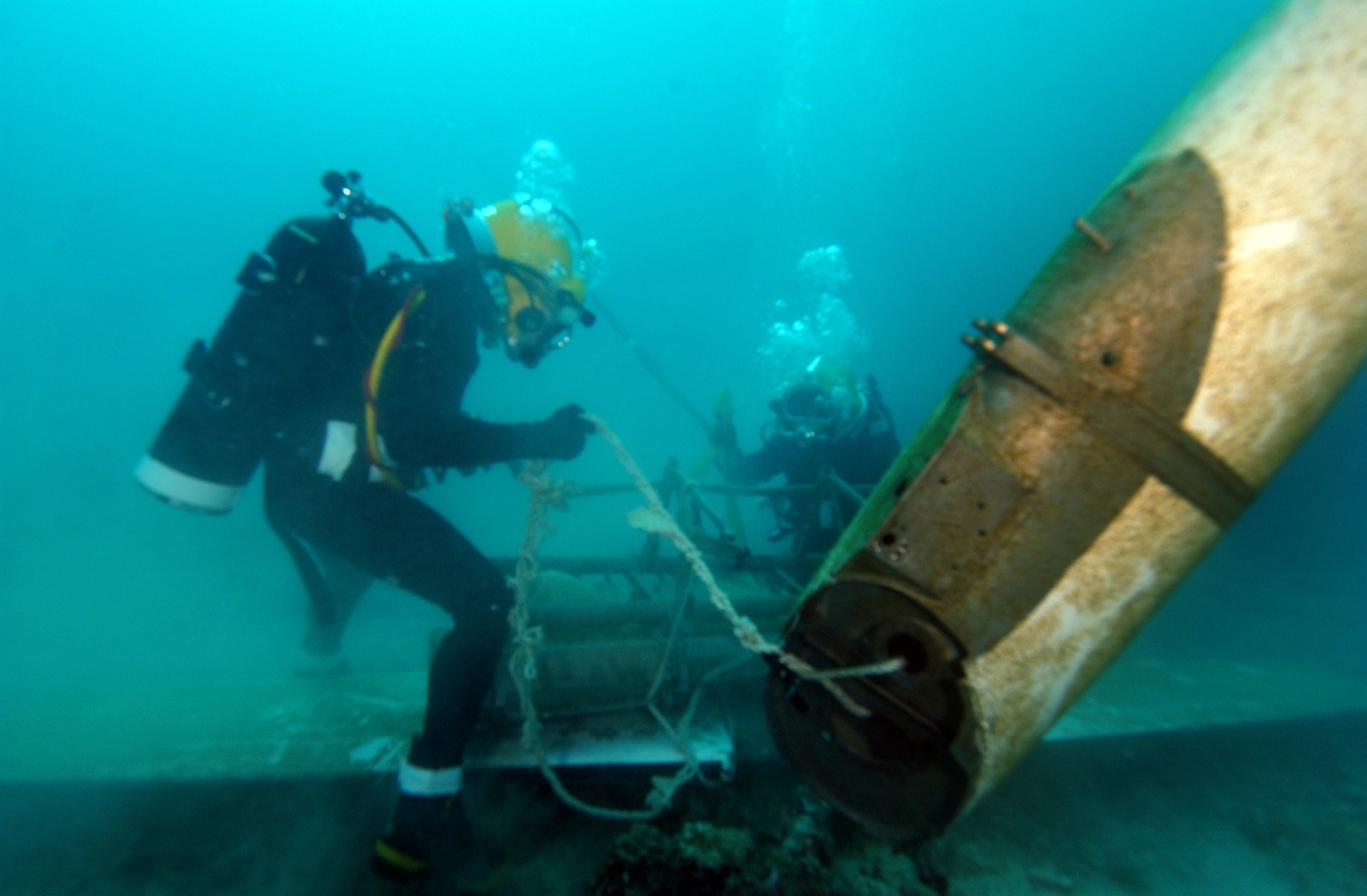
Shore diving trades the boat for freedom: dive at 7 a.m. or 7 p.m., stay as long as your gas and plan allow, and spend boat money on more days underwater. It also hands you the boat crew's jobs: navigation, entries, and timing swell. The destinations below are ranked as much for how easy they make that responsibility as for what lies beneath.
Bonaire, Dutch Caribbean
The benchmark. Bonaire paints yellow stones along the coast road, each marking a named reef entry, and unlimited-air truck packages make five dives a day a legitimate plan. The Hilma Hooker, a drug-smuggling freighter with a story, lies between two reefs on 30 m sand. Catches: ironshore entries punish bare soles and reward sturdy booties, and valuables should never stay in the truck.
Dahab, Egypt
Dahab turned a Bedouin beach town into the Red Sea's shore-diving capital: camels sometimes carry the tanks, and sites like Lighthouse and the sloping garden-eel flats suit any level. The Canyon and Blue Hole rim reward experience; the Blue Hole's arch, at technical depth, has a deadly record and is no part of recreational shore diving here.
Tulamben, Bali
The USAT Liberty sits meters off Tulamben's cobble beach in 5–28 m: a full-size, coral-armored shipwreck as a shore dive, with bumphead parrotfish at dawn. Local porters carry tanks, mornings beat the day-trip crowds arriving from south Bali, and the black-sand slopes either side hide muck critters most visitors swim straight past.
Aqaba, Jordan
Jordan's short coastline concentrates its diving into one manageable strip at Aqaba, where the Cedar Pride lies on its port side within a swim of the beach, and an underwater military museum of sunken vehicles has joined it in recent years. Easy entries, healthy fringing reef, and desert-castle side trips make it the region's quiet achiever.
Malta and Gozo
The Maltese islands are built for shore divers: limestone steps and ladders at Ċirkewwa lead to the P29 patrol boat and Rozi tug, and the Um El Faroud waits off Wied iż-Żurrieq's tiny inlet. Water is clear and blue; the season's price is winter swell, which closes exposed entries and sends locals to the lee coast.
Grand Cayman, Cayman Islands
The west coast of Grand Cayman lines up shore entries where mini-walls begin within swimming distance, and George Town's grottoes hold silver rivers of tarpon. Operators rent tanks by the day and the ocean behaves most mornings. Costs on the island are high; the shore diving is the budget hack.
Kona, Hawaiʻi
Lava shaped Kona's coast into arches, tubes, and fingers, and calm leeward mornings open dozens of step-in entries. Surge is the discipline: locals watch the sets, time the exit, and skip days the ocean says no. Sea turtles are near-guaranteed; the famous manta night dive runs by boat, so budget one charter anyway.
Curaçao, Dutch Caribbean
Curaçao runs Bonaire's playbook with more topography and fewer divers: marked entries down the leeward coast, a walkable tugboat wreck in a few meters of water, and the Superior Producer, an advanced 30 m dive a swim off Willemstad when conditions allow. Entries vary from stairs to scramble; ask locals rather than guessing.
The skills that make it work
Shore diving concentrates exactly three competencies: navigation you trust without a guide, an honest surface marker habit for boat traffic, and conservative planning for the walk back. Nail those and the cheapest diving of your life is also some of the best, including night dives ten steps from dinner. Two more shore-diver habits worth stealing: carry your own spares, because no boat crew waits behind you with a save-a-dive kit, and walk every unfamiliar entry at low tide before committing to it. The exit you scouted dry is the exit you will want when the wind swings.