Fotoğrafçılık · 5 dk okuma
Macro Photography Underwater: Finding and Shooting the Small Stuff
The smallest subjects reward the most disciplined divers. Where macro life concentrates, the lenses and settings that work, and the ethics that keep a shrimp worth photographing.
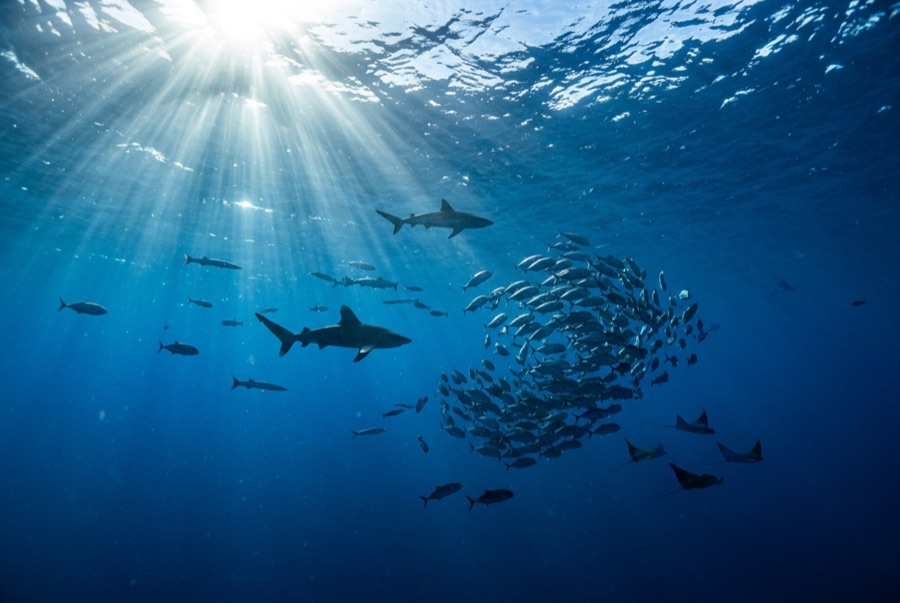
A pygmy seahorse is smaller than a fingernail, matches its sea fan almost perfectly, and holds still. Subjects like that are why many photographers give up chasing sharks entirely: macro offers more keepers per dive than any other discipline, in almost any visibility, at almost any site with a patch of sand and rubble. It asks two things in return: control of your body and control of your light.
Where the small stuff lives
Macro life concentrates where divers least expect beauty: dark sand slopes, rubble fields, jetty pilings, algae tufts. The famous muck destinations (Lembeh Strait in Indonesia and Anilao and the Dauin coast in the Philippines) built their reputations on drab bottoms crowded with frogfish, nudibranchs, octopuses, and shrimp. But every region has its versions, and a good local guide matters more than the destination. Spotters who dive a site daily will find in one dive what you would miss in twenty; watch where they look, not just what they point at, and you will start finding subjects yourself.
Gear that suits the job
On interchangeable-lens systems, a macro lens in the 60 mm class is forgiving and suits skittish-but-approachable subjects, while the 90–105 mm class buys working distance for shy animals and tighter frames for tiny ones. Compact shooters are far from locked out: a sharp compact with a wet diopter screwed to the housing shoots world-class macro, and stacking diopters takes you into super-macro territory. Add at least one strobe (color and texture at close range come from artificial light) and a focus light, ideally with a red mode that bothers night-active animals less.
Settings to start from
- Aperture f/11–f/22: depth of field at macro distances is millimeters, and you need all of it.
- Shutter 1/125–1/250 to freeze subject twitch and your own drift.
- ISO 100–200, letting the strobe do the work.
- Single-point autofocus placed on the eye, or manual focus locked while you rock gently toward the subject until it snaps sharp.
If the eyes or rhinophores are sharp, the shot survives almost any other flaw; if they are soft, nothing else rescues it. Backgrounds decide the rest: angle up slightly for clean water-column black or open blue, rather than shooting down into cluttered rubble.
Ethics are part of the craft
Macro photography has an uncomfortable history of manipulated subjects: shrimp relocated to prettier perches, octopuses prodded into the open, seahorses stressed by strobe barrages. None of it is defensible. Hover with your body off the bottom, check behind you before backing up, and use a muck stick only as a stabilizer on bare sand or dead substrate, never as a lever for moving animals. Limit your flashes on any one subject and take special care with mandarinfish at dusk, where bright lights disrupt spawning; many operators enforce red-light-only for good reason. If an animal turns away, folds up, or pales, the encounter is over. The best macro shooters are recognizable underwater before they ever show you a photograph: motionless, patient, and touching nothing.
Give the discipline a full trip rather than a single dive. Day three on the same sand slope, when your eyes have learned the search pattern and your hover has gone quiet, is when the ocean starts handing you subjects.