Conservation · 5 min read
Responsible Wildlife Interactions: Let the Animal Set the Terms
The best encounters are given, not taken. Universal rules (no touching, chasing, or feeding) plus the specific codes of conduct that govern whale sharks, mantas, and turtles.
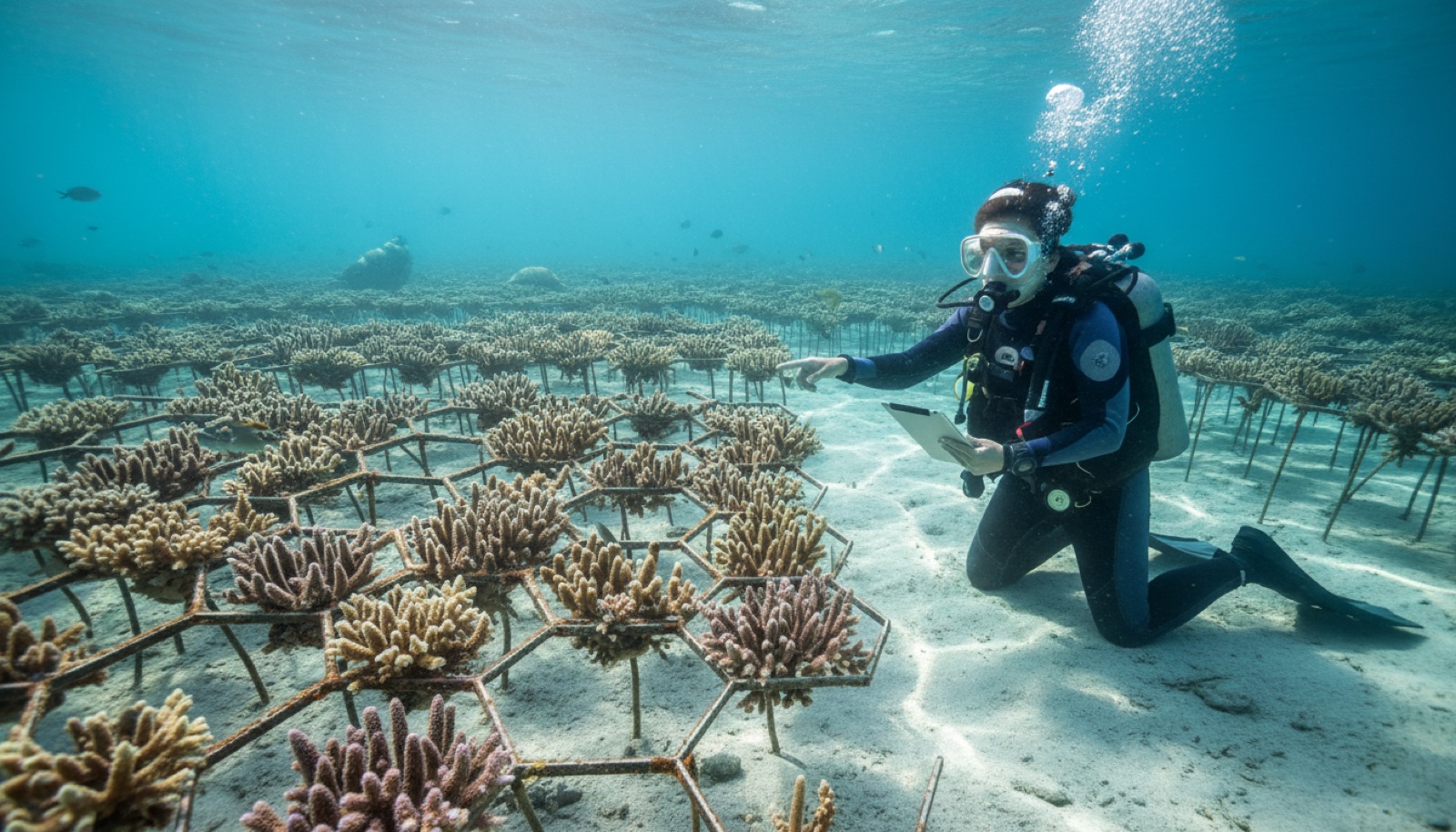
Every diver eventually learns the trade's quietest secret: the memorable encounters are given, not taken. Chase a turtle and you get thirty seconds of retreating shell; hang still and breathe slowly and the same turtle may graze beside you for ten minutes. Responsible interaction is not a sacrifice of experience for ethics; it is the technique that produces the experience.
The universal rules
Across every species and site, the same principles hold. Do not touch, ride, or handle anything. Do not chase, corner, or block an animal's path, especially its path to the surface, which for turtles and mammals is the path to air. Do not feed wildlife; food changes behavior, and animals that learn to associate divers with meals become nuisances or casualties. The narrow exception is professionally run, regulated feeding dives for certain shark species, which remain genuinely controversial in conservation circles. If you join one, that is a considered choice, and it never licenses freelance feeding of anything, anywhere. Approach slowly, low, and at an angle rather than head-on, stop short, and let the animal close the final distance. Watch for stress signals: an animal that turns repeatedly away, folds fins, pales, or leaves a cleaning station is ending the encounter, and the courteous response is to let it.
Codes of conduct worth knowing
- Whale sharks: established aggregation sites typically enforce minimum distances of 3–4 m, ban touching outright, restrict flash photography at some locations, and often run interactions as snorkel-only. Follow the local code exactly.
- Manta rays: at cleaning stations, settle low and to the side, never on top of the station and never between the manta and its cleaners. Mantas often circle back repeatedly for divers who hold still. Hanifaru Bay in the Maldives, famously, is snorkel-only under its biosphere rules.
- Turtles: never touch or ride (beyond the ethics, it can constitute a wildlife offense in many jurisdictions) and give them a clear lane to the surface to breathe.
- Seals and sea lions: let the animal initiate. The playful ones will; the resting ones must be left resting.
- Night dives: keep beams angled off animals' eyes and never pin a hunting or sleeping creature in full light for minutes on end.
Cameras raise the stakes
Most bad behavior underwater happens within arm's reach of a lens. No photograph justifies repositioning an animal, prying one off its perch, baiting it closer, or firing strobes at one subject until it flees. Take a few frames, share the subject with the group, and move on. Guides who manipulate wildlife for tips deserve polite refusal and a different operator next time: demand shapes supply on both sides of that transaction.
The deeper habit behind all these rules is a shift in stance: you are a guest in a working ecosystem, not an audience owed a show. Site-specific rules exist for site-specific reasons, so treat every briefing as the local law and ask the guide when a situation is not covered. Divers who internalize that get longer, closer, calmer encounters, and leave sites that still offer them to whoever splashes next.

