Comparaison · 4 min de lecture
PADI vs SSI: An Honest Comparison
What actually differs between the two biggest training agencies (recognition, teaching structure, digital materials, and pricing reality), without declaring a winner.
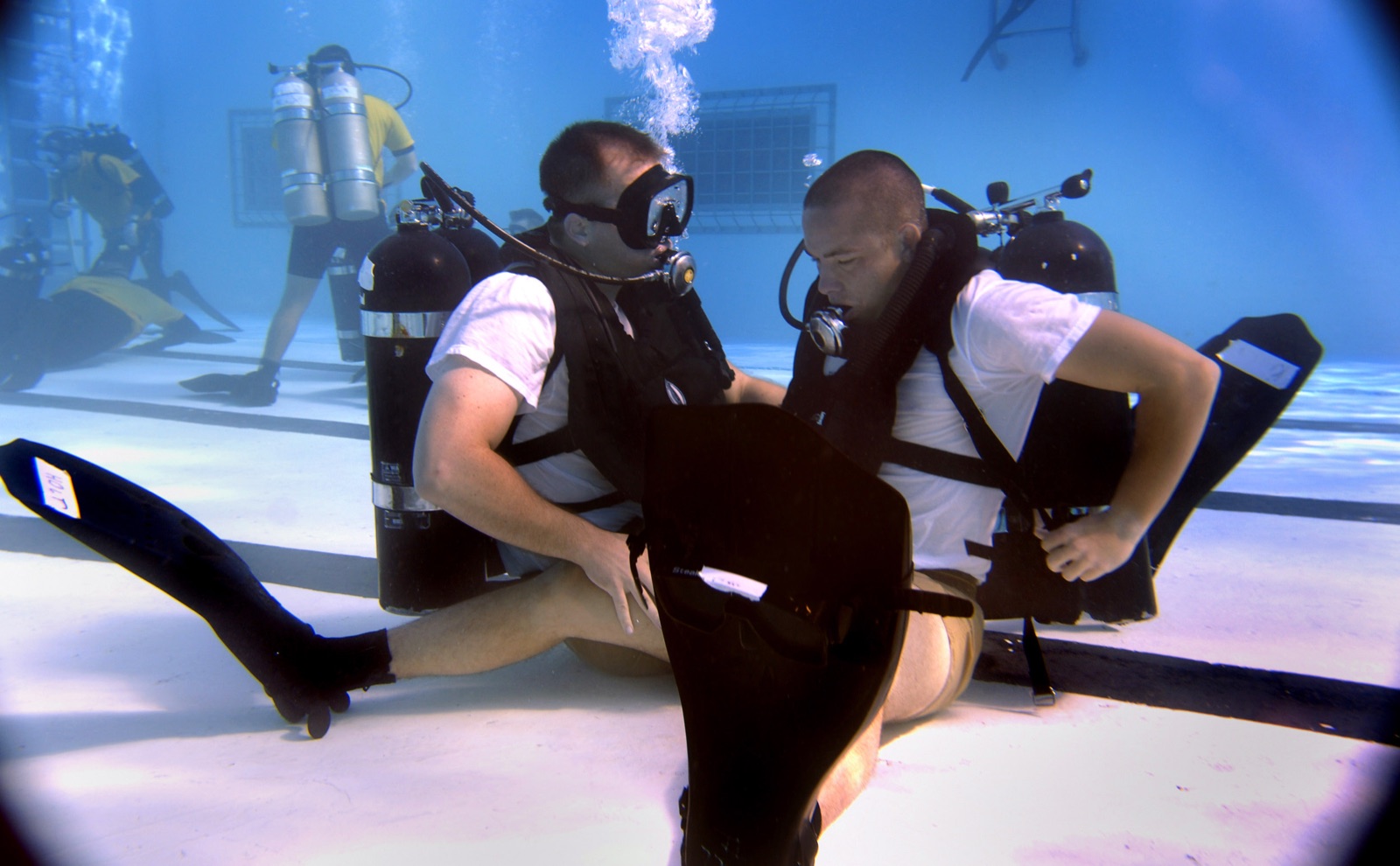
The question every new diver asks, answered up front: certifications from either agency are accepted at dive operations worldwide, the skills taught are near-identical, and the instructor in front of you matters far more than the logo on the card. There is no meaningful winner here, only differences in structure worth understanding before you book.
Where they are the same
Both agencies write their entry-level courses to shared industry standards: they sit in the same recreational training council framework, and their core courses align with the relevant ISO standards. Both issue certifications that do not expire, both run the familiar ladder from beginner through professional levels, and both recognize each other's cards for continuing education: finish Open Water with one, take your next course with the other, and nobody blinks. The practical skills (mask clearing, buoyancy, out-of-air drills) are the same skills, described in how to get certified.
How the teaching models differ
The structural difference is affiliation. PADI functions substantially as an instructor organization: a PADI instructor in good standing can teach independently of any dive shop. SSI certifies instructors but requires them to teach through an affiliated SSI dive center. In practice this shapes flavor more than quality: SSI shops often emphasize a team culture, while PADI's model supports everything from big resort operations to freelance instructors. SSI also gives instructors somewhat more latitude in sequencing skills within standards, where PADI materials are more tightly prescriptive.
Digital materials and fees
Both have gone app-first. The difference divers actually notice: SSI's digital training materials are typically included when a center registers you for a course, while PADI's eLearning is usually sold as a separately purchased code. Shops price around this in different ways, so the sticker gap shrinks or vanishes depending on where you train. Ask what the quoted price includes before treating it as a difference.
The pricing reality
Course prices are set by dive shops, not agencies; agency fees are a modest slice of what you pay. In the big training hubs (Koh Tao, Utila, Dahab, Roatán), PADI and SSI courses commonly sit within a few percent of each other, and the spread between two shops teaching the same agency's course exceeds the spread between agencies. Full cost anatomy lives in what certification costs.
| PADI | SSI | |
|---|---|---|
| Global recognition | Universal | Universal |
| Teaching model | Instructors may teach independently | Instructors teach through affiliated centers |
| Materials | eLearning usually a paid add-on | Digital materials typically bundled via the center |
| Course structure | Tightly standardized sequence and materials | Same standards, more instructor latitude in sequencing |
| Switching agencies later | Routine in either direction | Routine in either direction |
| Best for | Divers who value the biggest footprint and portability | Divers who click with a specific SSI center's culture |
How to actually choose
Choose the shop, then accept its agency. The questions that predict a good course have nothing to do with the logo: how many students per instructor, who specifically will teach you, how many days the schedule really allows, and how the shop handles a student who needs an extra session. Those are the same signals described in choosing a safe operator, and they vary between two shops across the street far more than between the agencies themselves. If you are still weighing the wider field (NAUI, RAID, BSAC and others exist and certify perfectly good divers), choosing an agency covers the full landscape.
The bottom line
Pick PADI if the shop you trust teaches PADI. Pick SSI if the shop you trust teaches SSI. If you are choosing between two shops you trust equally, let price, schedule, and group size break the tie. And if commitment still feels premature, a try-dive under either flag settles the bigger question first.

