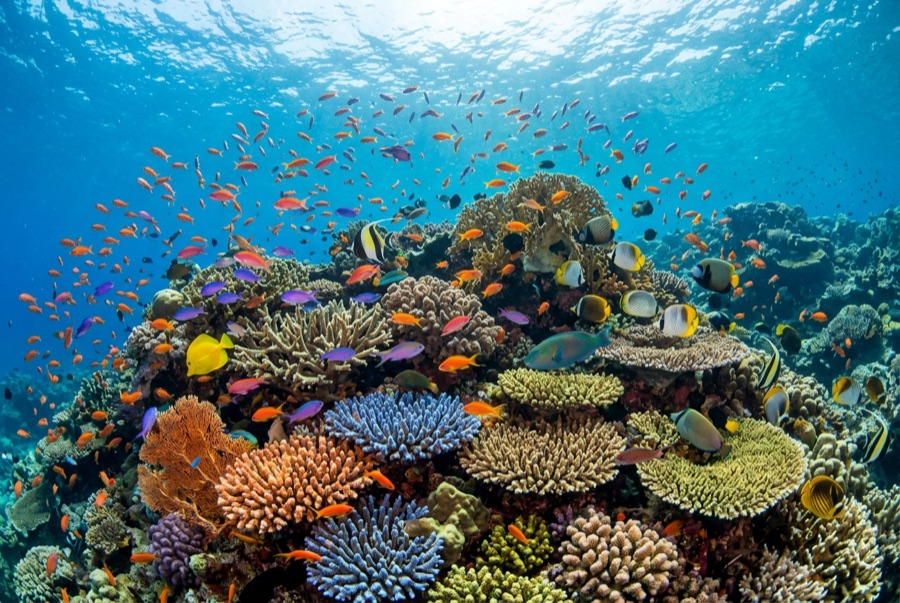
Cave of the Sleeping Sharks
La profundidad es el rango desde la cima del punto de buceo hasta su máximo habitual; la "certificación recomendada" es el nivel que los operadores suelen pedir según las agencias principales, no una norma legal. Las corrientes y la visibilidad cambian a diario, así que trata todo esto como rangos de planificación.
This modest cavern earned an outsized place in shark science. In the 1970s local diver Ramon Bravo and researcher Eugenie Clark documented Caribbean reef sharks lying motionless on its floor (animals long believed unable to stop swimming), apparently eased by oxygen-rich, lower-salinity water welling through the rock. Cousteau's cameras followed and the site became legend. Today the honest version matters: sharks still pass through the area, but finding one asleep in the cave is uncommon, and decades of visitation likely played a part. Dive it as a pilgrimage with a bonus chance, not a guarantee.
El momento por el que vienes: A landmark of shark-behavior history, cavern ledges, possible resting nurse or reef sharks.
Topografía: A low limestone cavern and ledges at about 20 m where fresher groundwater seeps into the sea.
Corriente: Open Caribbean water; expect movement.
Entrada: Exposed site northeast of the island; dived when seas allow.
Lo que debes saber antes de tirarte al agua
Riesgos: Overhead ledge, surge, and open-sea conditions on the windward side.
Conservación: If a shark is resting, stay wide and low outside the cavern mouth; crowding it defeats the site's entire story.
Nitrox: Vale la pena aquí: los perfiles están en el rango donde el nitrox amplía de forma significativa el tiempo sin parada (con la formación necesaria para usarlo).
A quién encontrarás
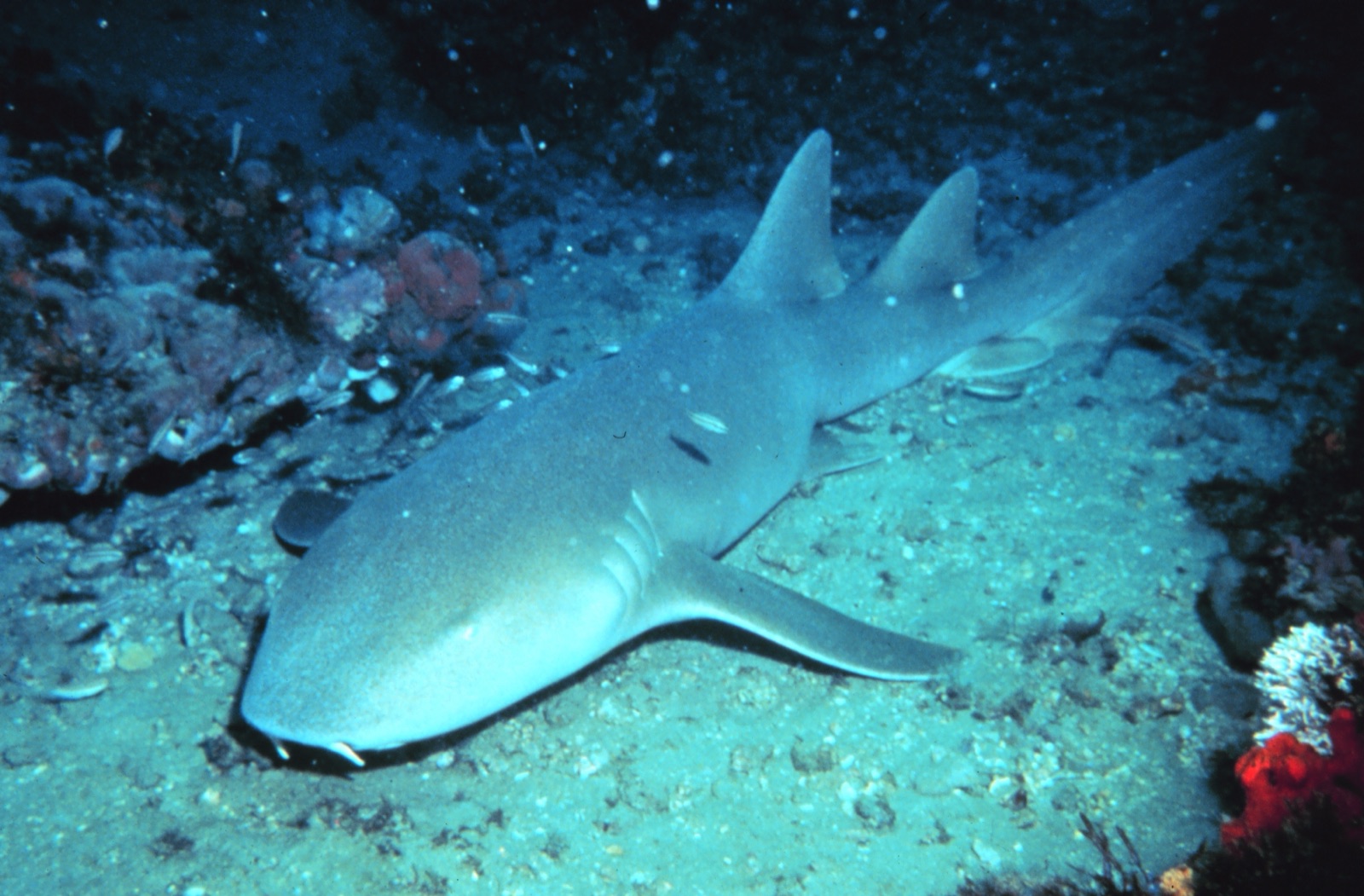
Nurse Shark
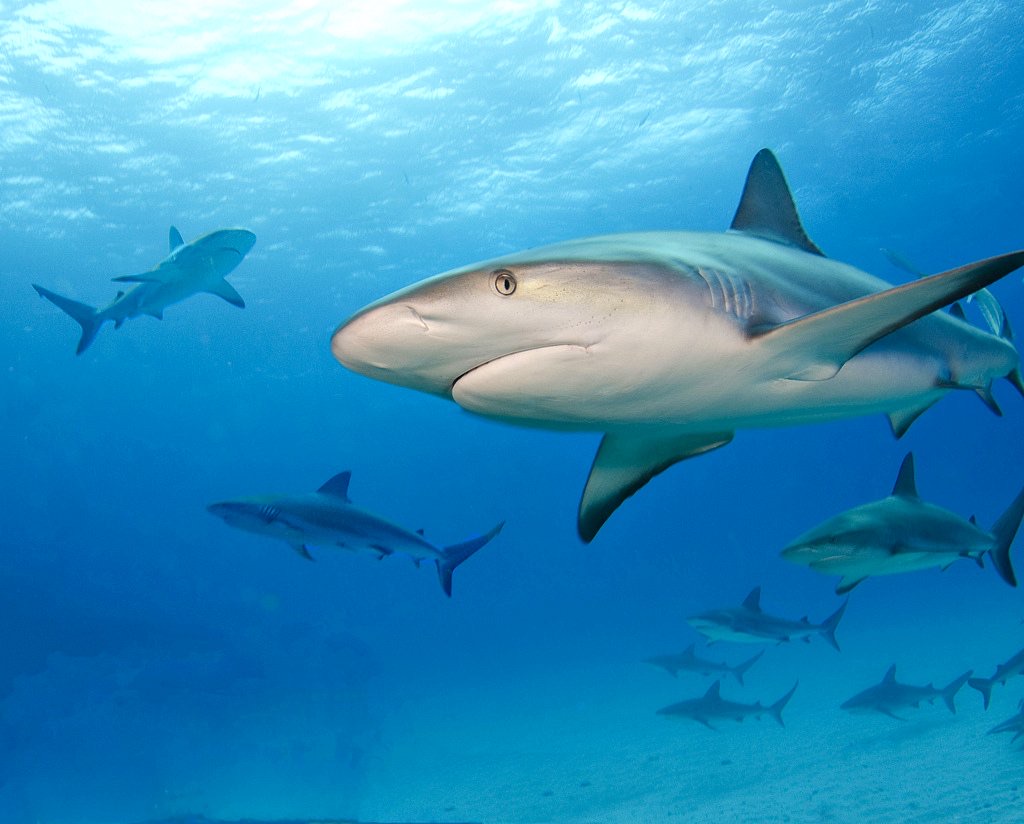
Caribbean Reef Shark
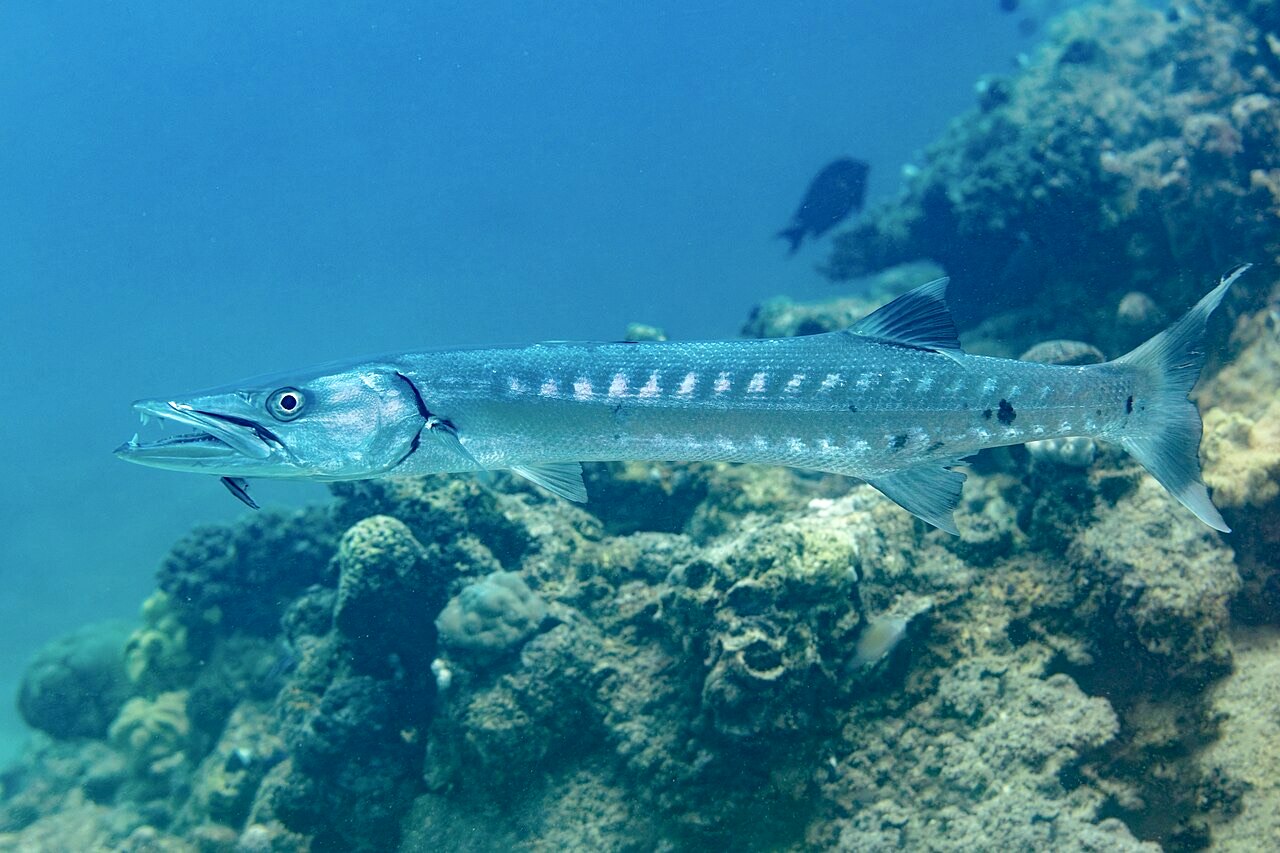
Great Barracuda
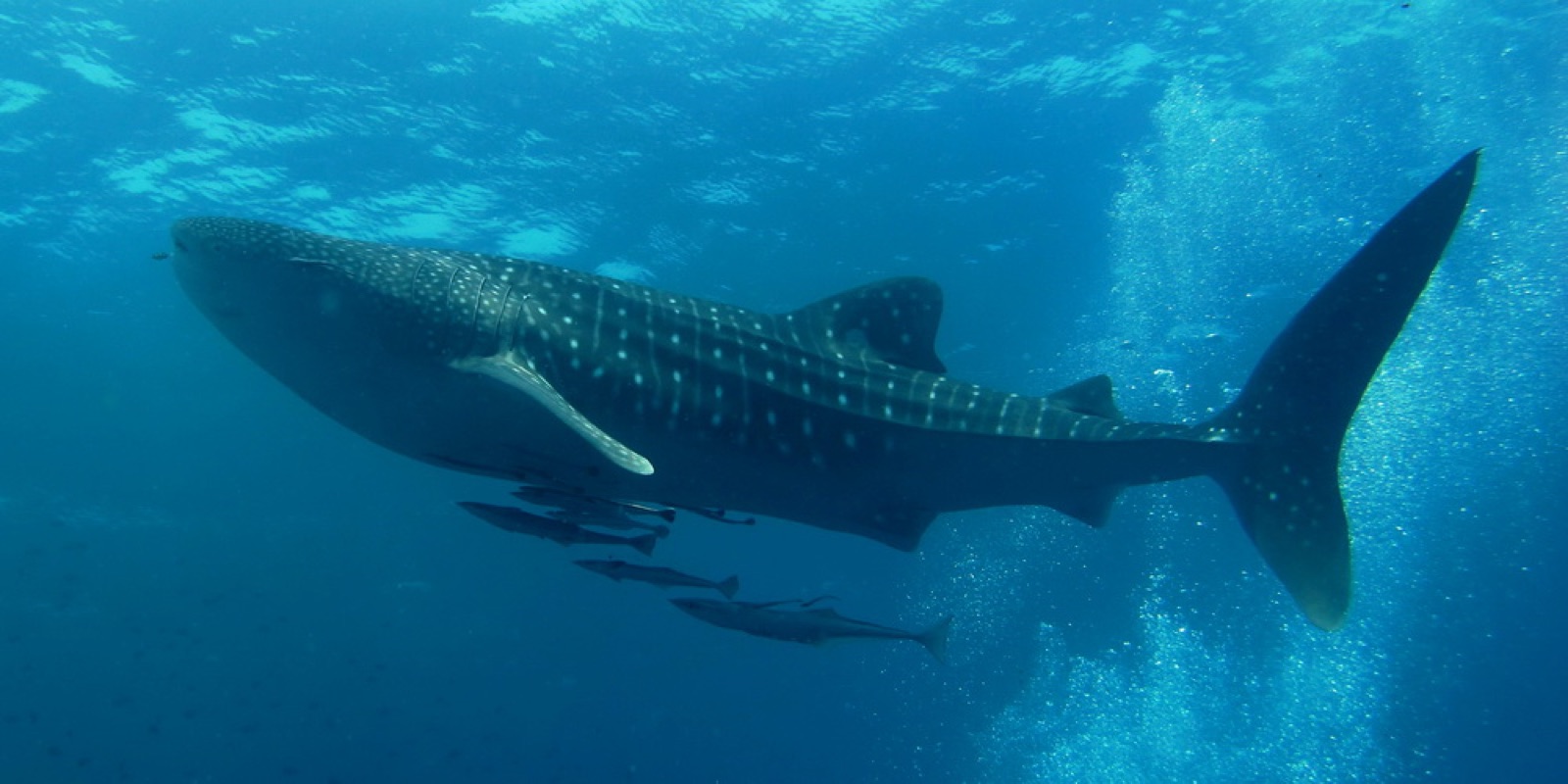
Whale Shark
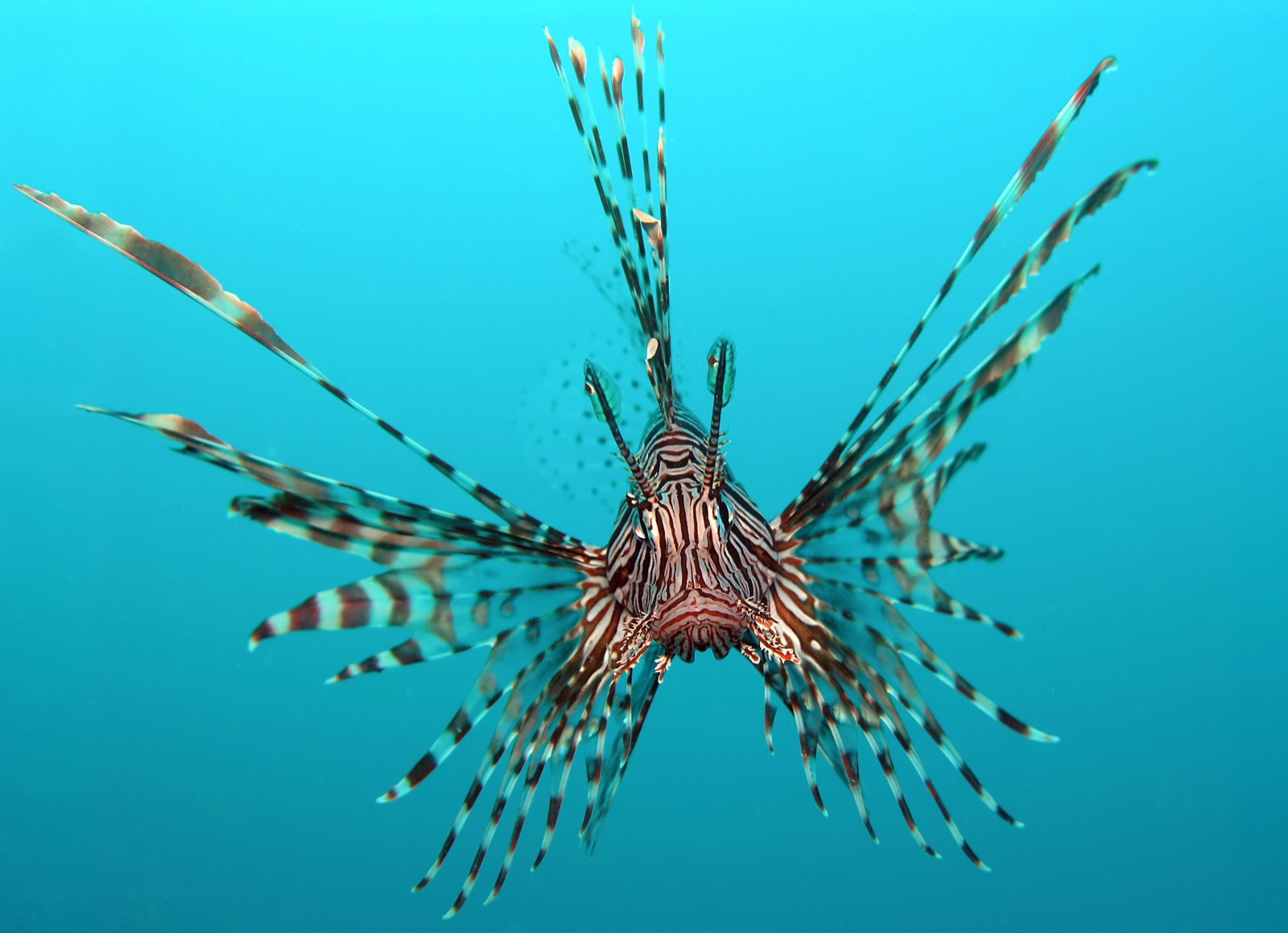
Lionfish
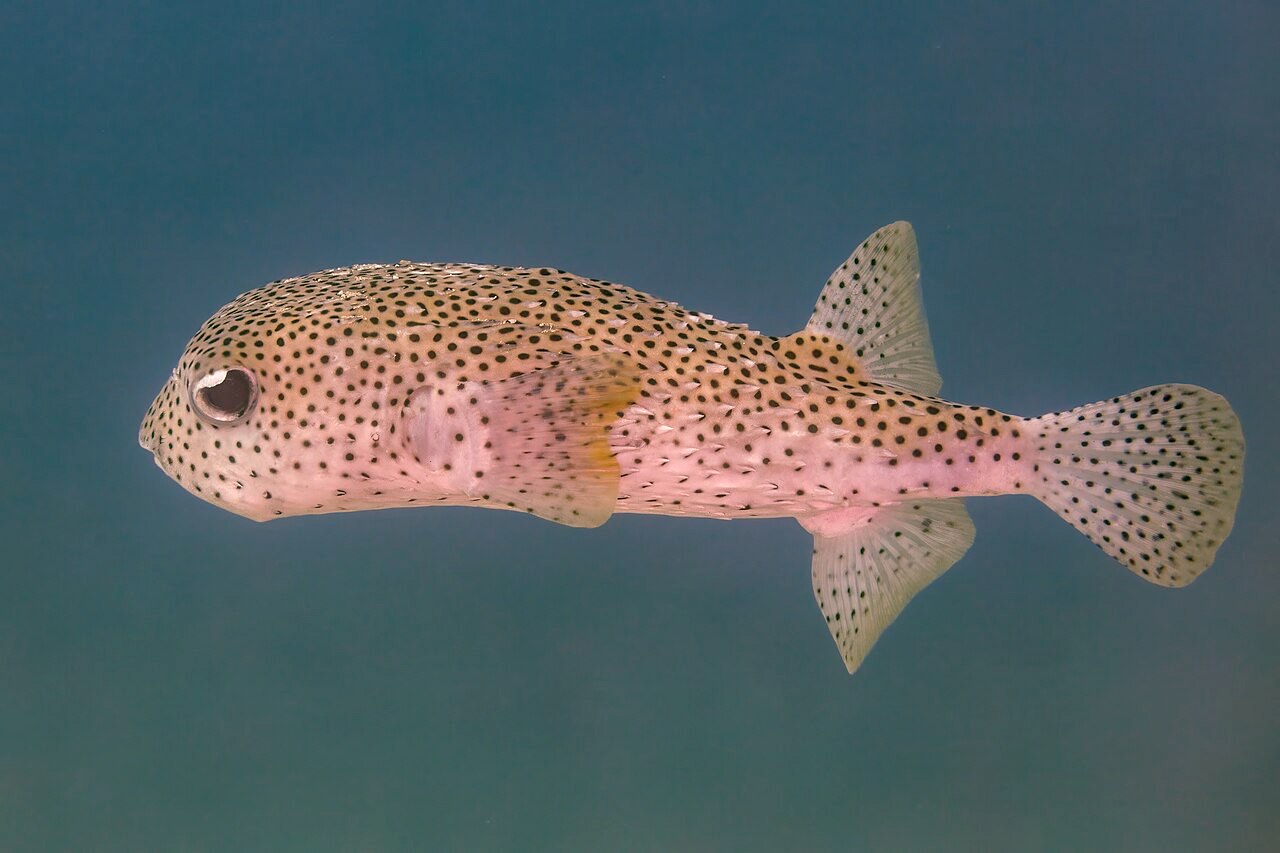
Porcupinefish
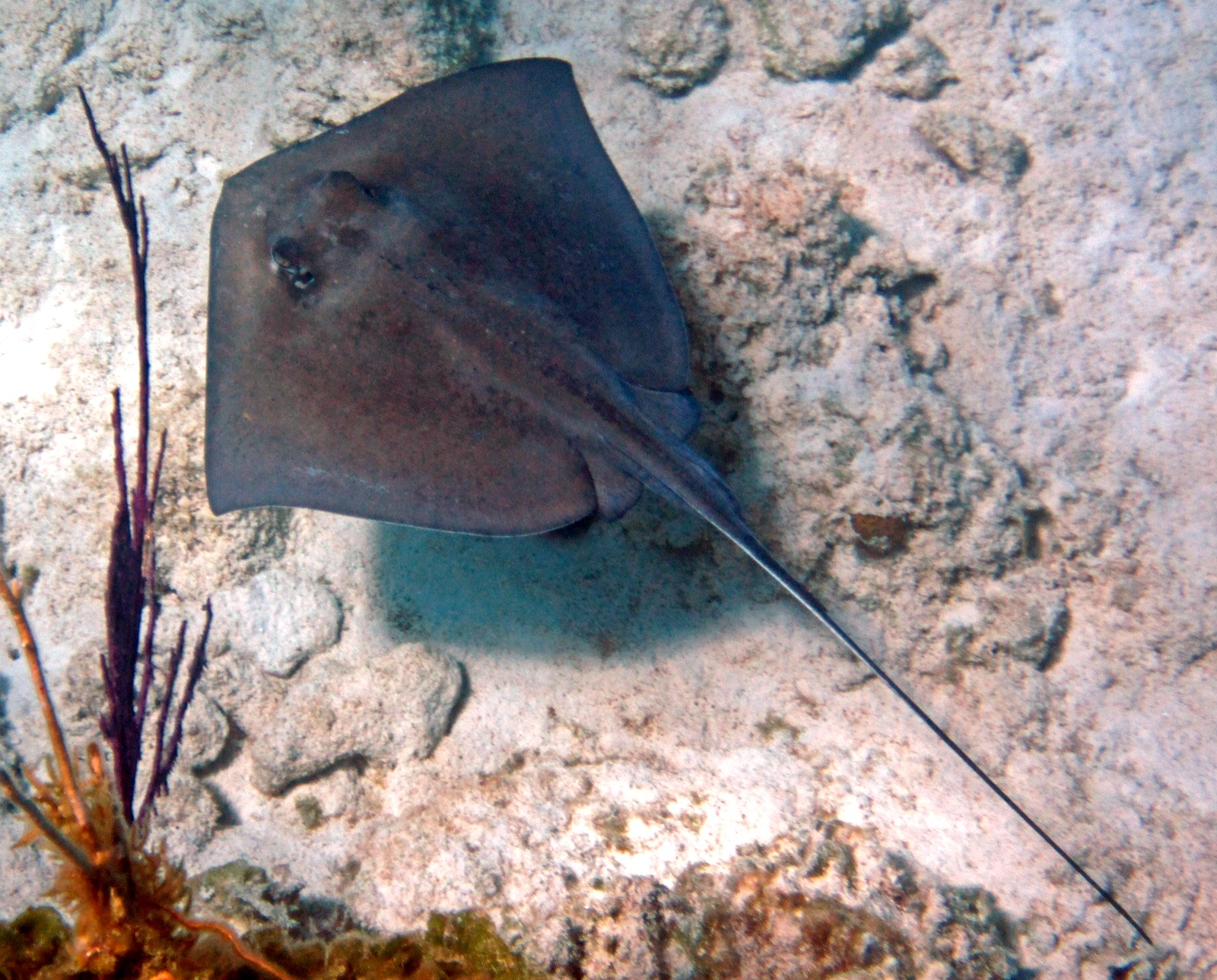
Southern Stingray
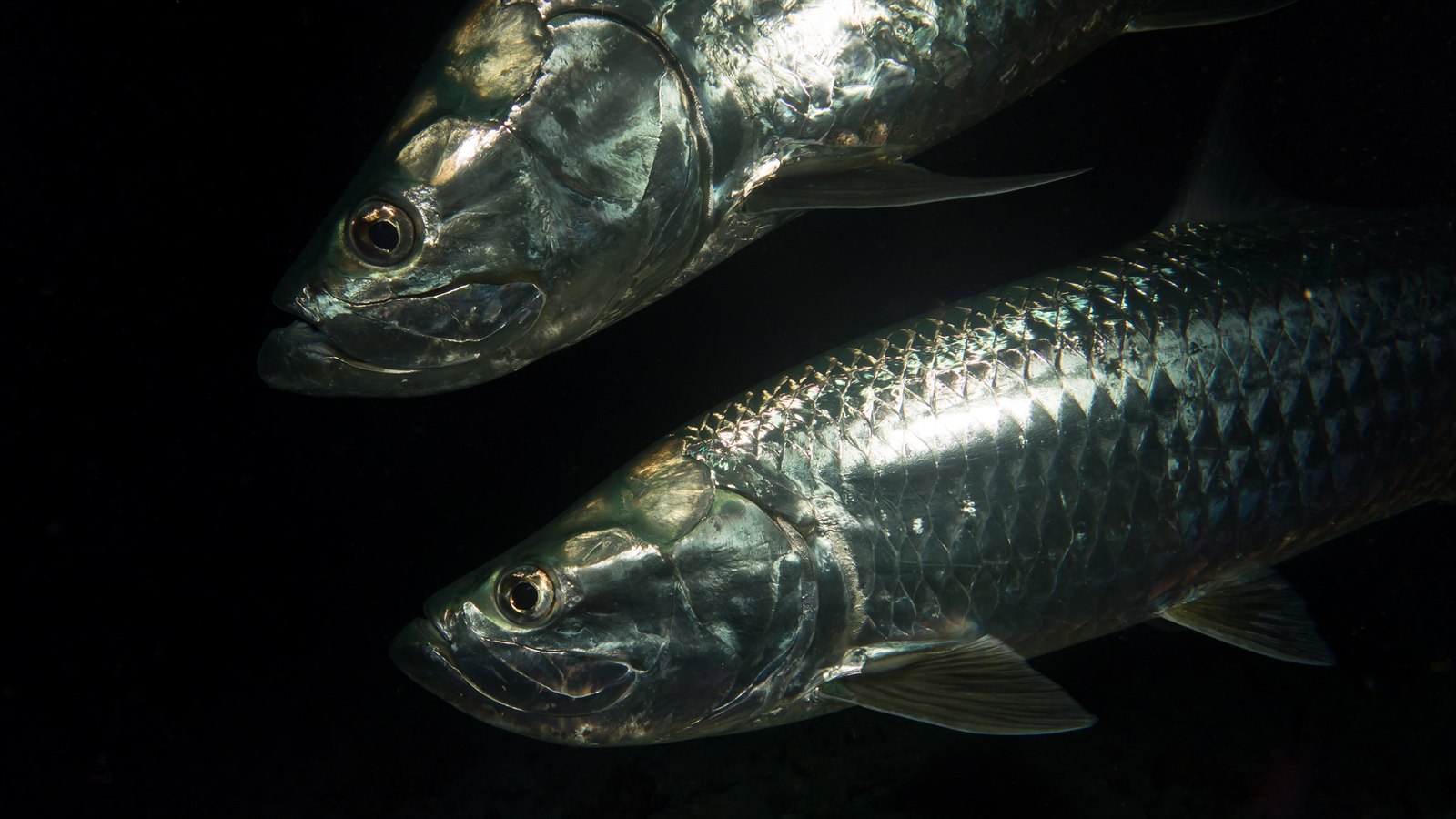
Atlantic Tarpon
También registrado cerca
Las especies "aquí registradas" fueron añadidas por nuestros editores a partir de las fuentes de esta página. Los recuentos son registros de ocurrencia de GBIF: observaciones anotadas en un radio de unos 5 km de la posición registrada desde 1990, cotejadas únicamente con las especies de nuestro catálogo. Muestran lo que se ha avistado allí, no una garantía de lo que verás.
Para fotógrafos
Gran angular: ★★★☆☆ · Macro: ★☆☆☆☆ (valoración de 1 a 5 de los editores sobre lo que ofrece este sitio para cada estilo de fotografía)