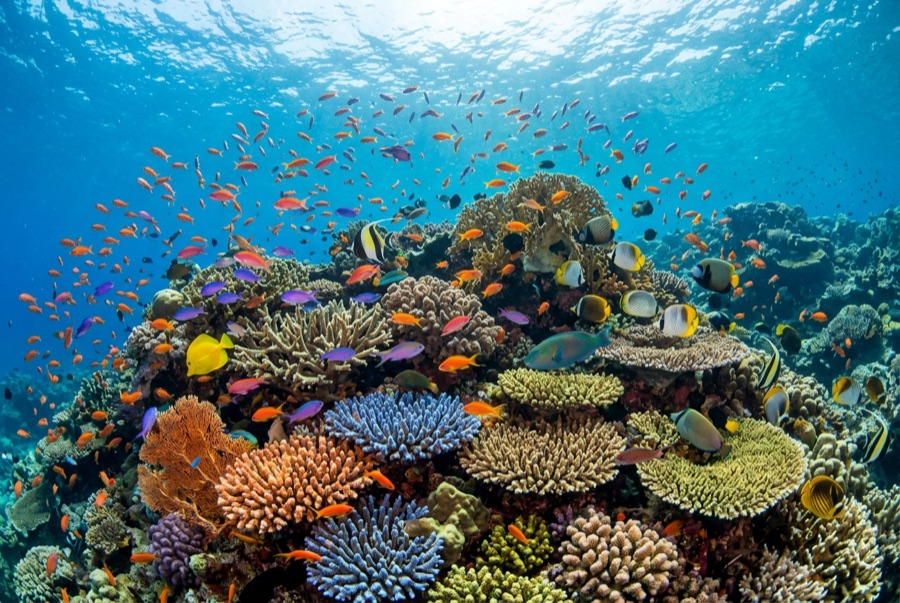
Cave of the Sleeping Sharks
La profondità indica l'intervallo dalla sommità del sito al suo massimo abituale; il "brevetto consigliato" è il livello richiesto dalla maggior parte degli operatori delle principali agenzie, non una norma di legge. Correnti e visibilità cambiano ogni giorno, quindi considera tutto come intervalli di pianificazione.
This modest cavern earned an outsized place in shark science. In the 1970s local diver Ramon Bravo and researcher Eugenie Clark documented Caribbean reef sharks lying motionless on its floor (animals long believed unable to stop swimming), apparently eased by oxygen-rich, lower-salinity water welling through the rock. Cousteau's cameras followed and the site became legend. Today the honest version matters: sharks still pass through the area, but finding one asleep in the cave is uncommon, and decades of visitation likely played a part. Dive it as a pilgrimage with a bonus chance, not a guarantee.
Il momento che aspettavi: A landmark of shark-behavior history, cavern ledges, possible resting nurse or reef sharks.
Topografia: A low limestone cavern and ledges at about 20 m where fresher groundwater seeps into the sea.
Corrente: Open Caribbean water; expect movement.
Entrata: Exposed site northeast of the island; dived when seas allow.
Sapere prima di tuffarsi
Pericoli: Overhead ledge, surge, and open-sea conditions on the windward side.
Conservazione: If a shark is resting, stay wide and low outside the cavern mouth; crowding it defeats the site's entire story.
Nitrox: Vale la pena qui: i profili rientrano nell'intervallo in cui l'aria arricchita (nitrox) prolunga in modo significativo il tempo di non-decompressione (con la formazione necessaria per utilizzarla).
Chi incontrerai
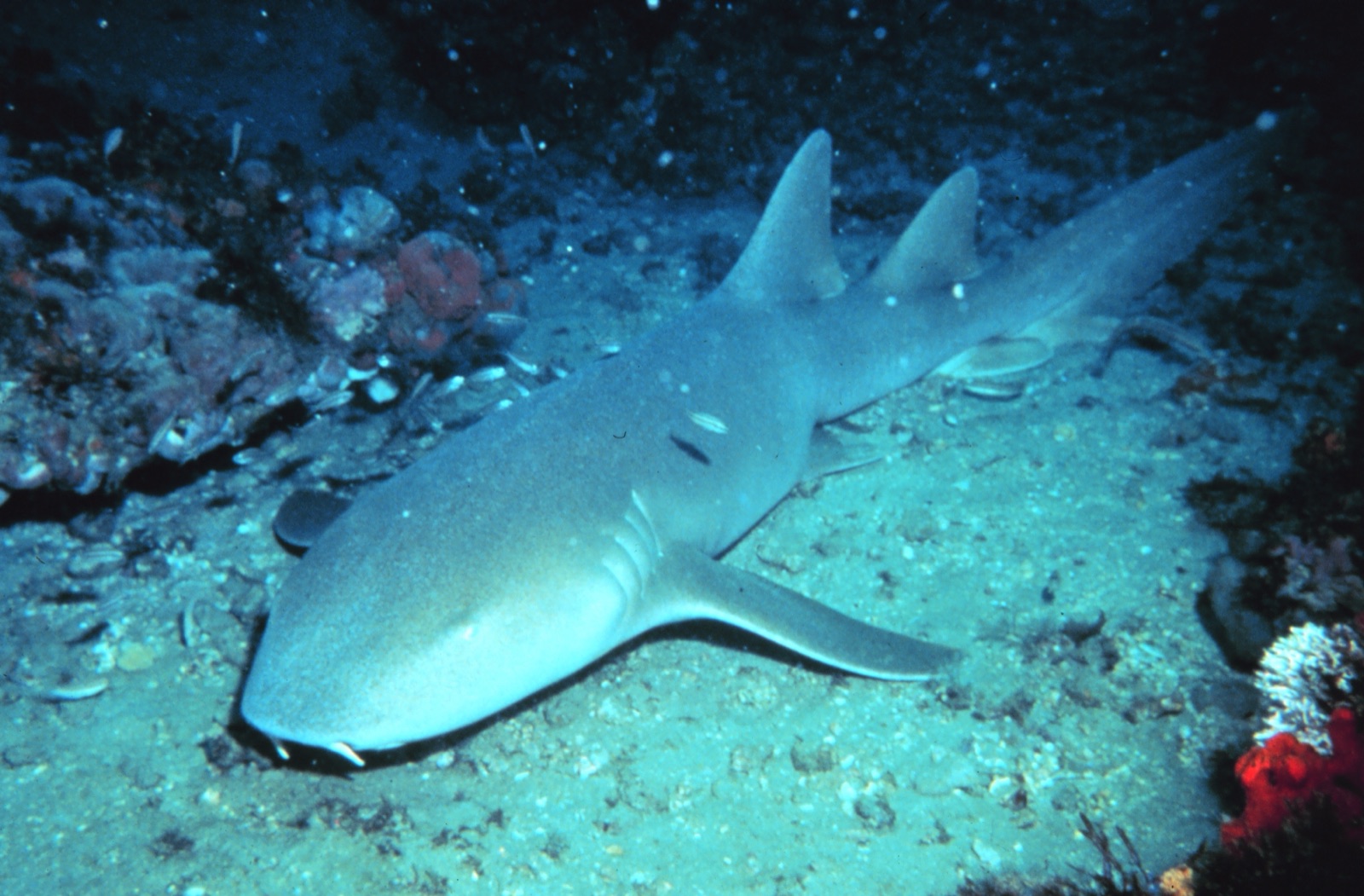
Nurse Shark
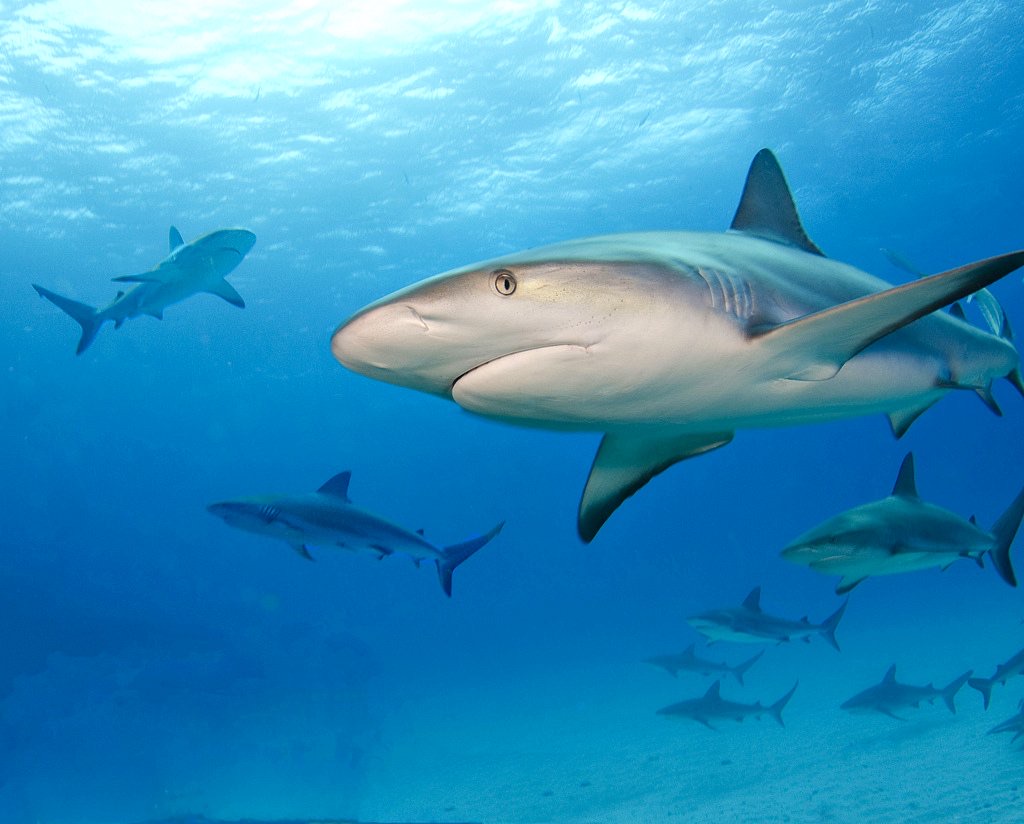
Caribbean Reef Shark
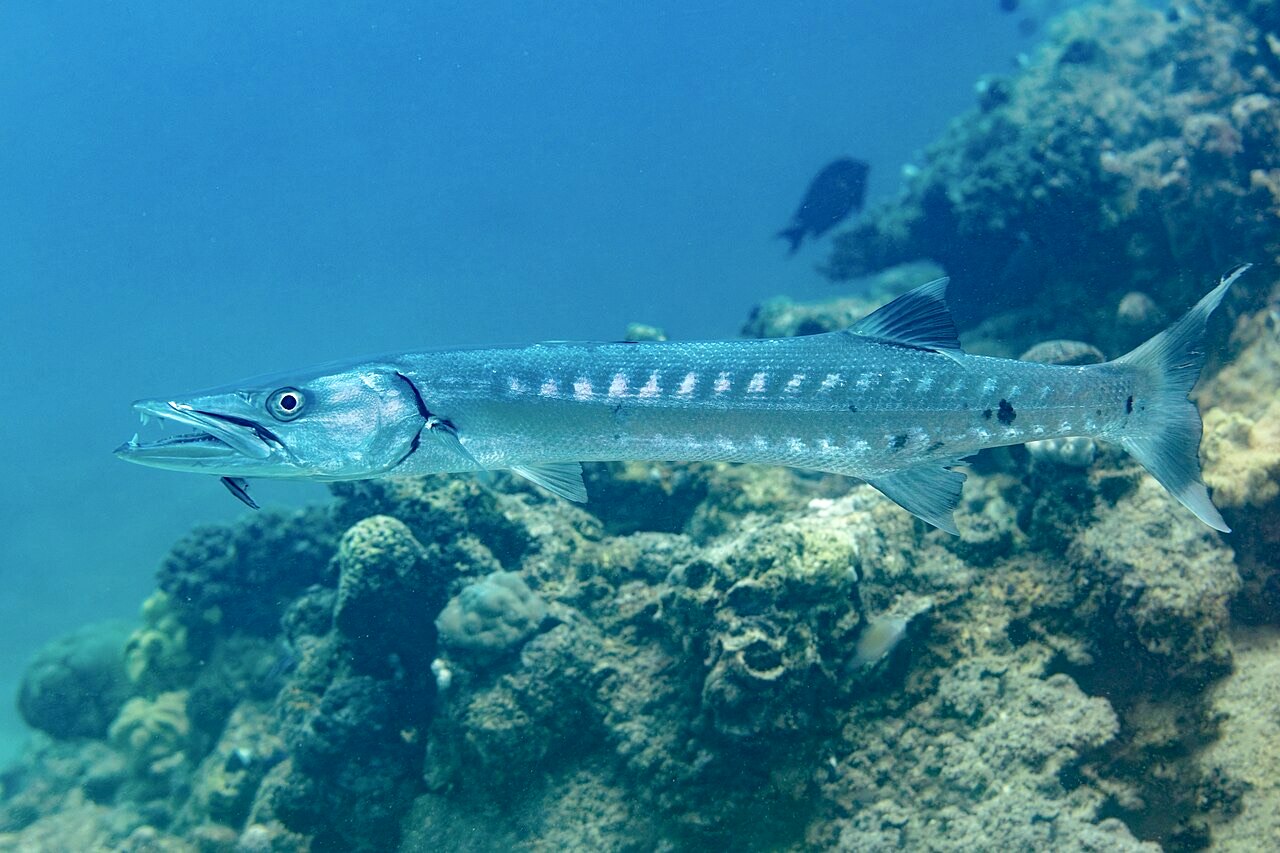
Great Barracuda
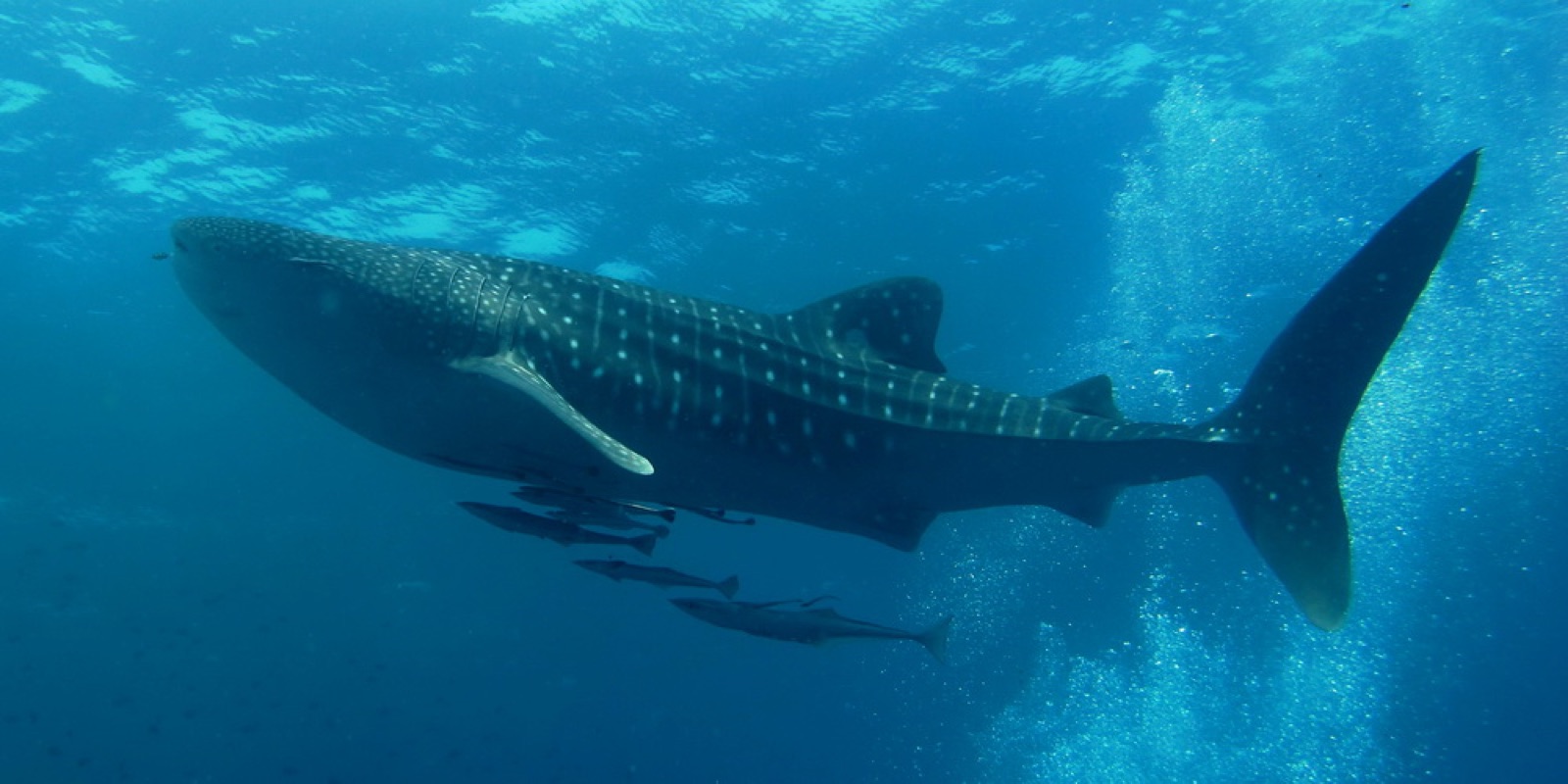
Whale Shark
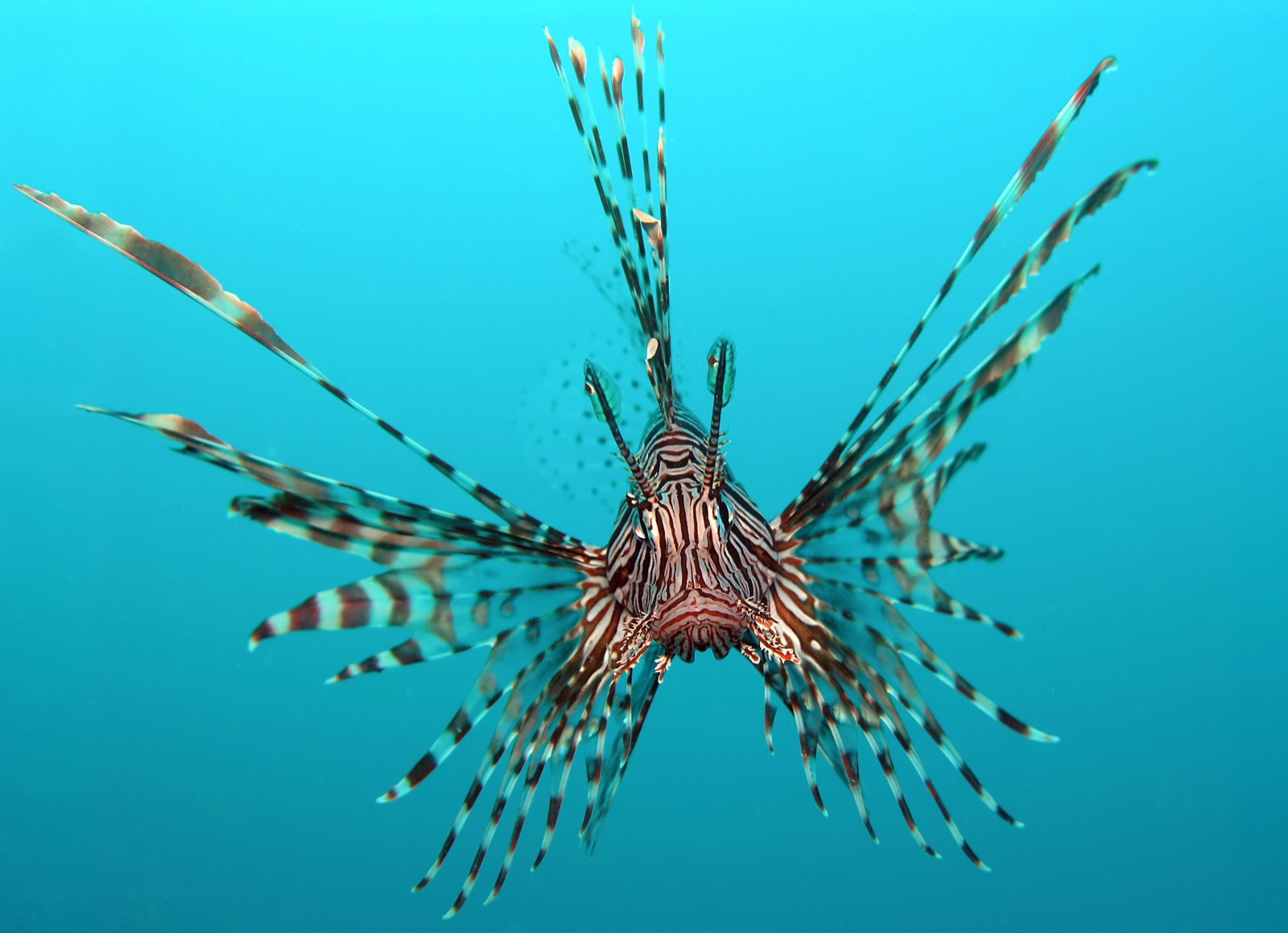
Lionfish
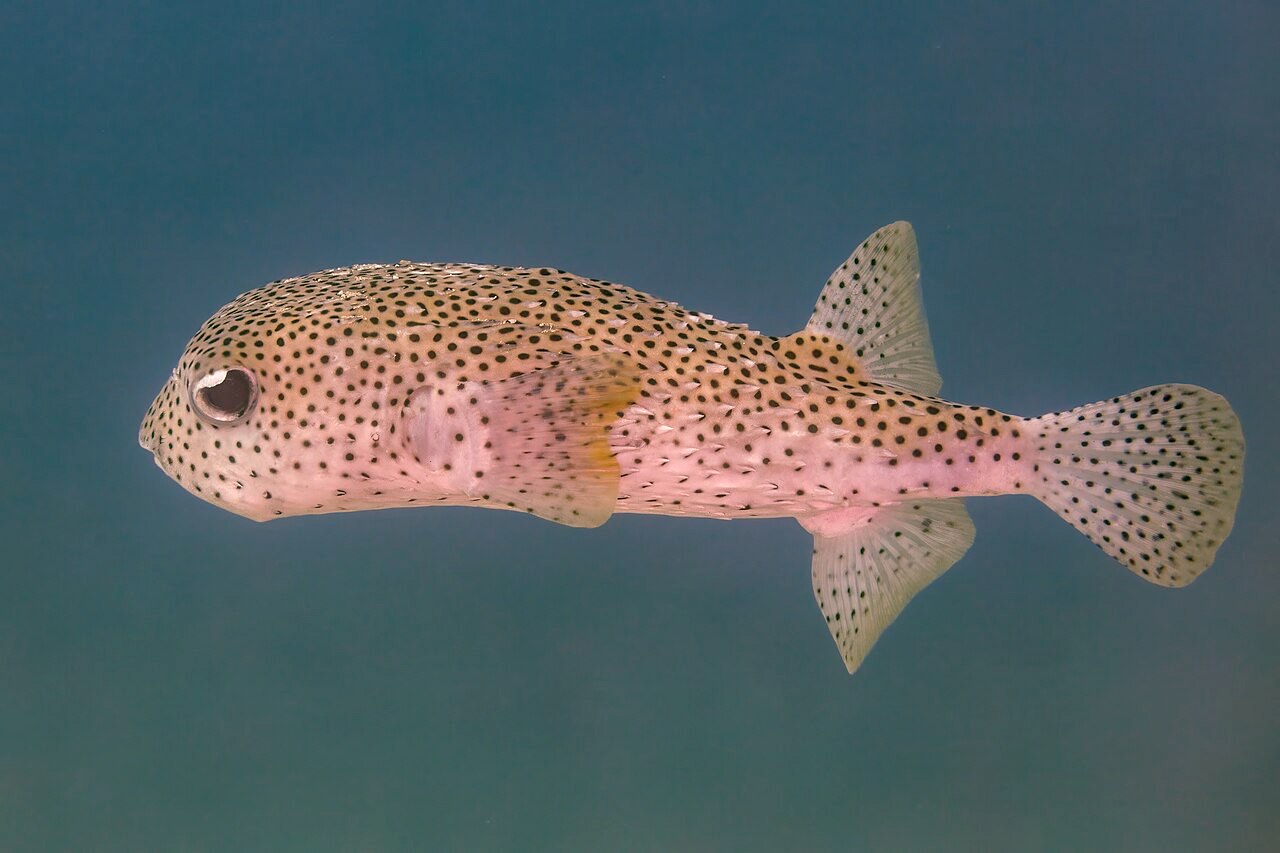
Porcupinefish
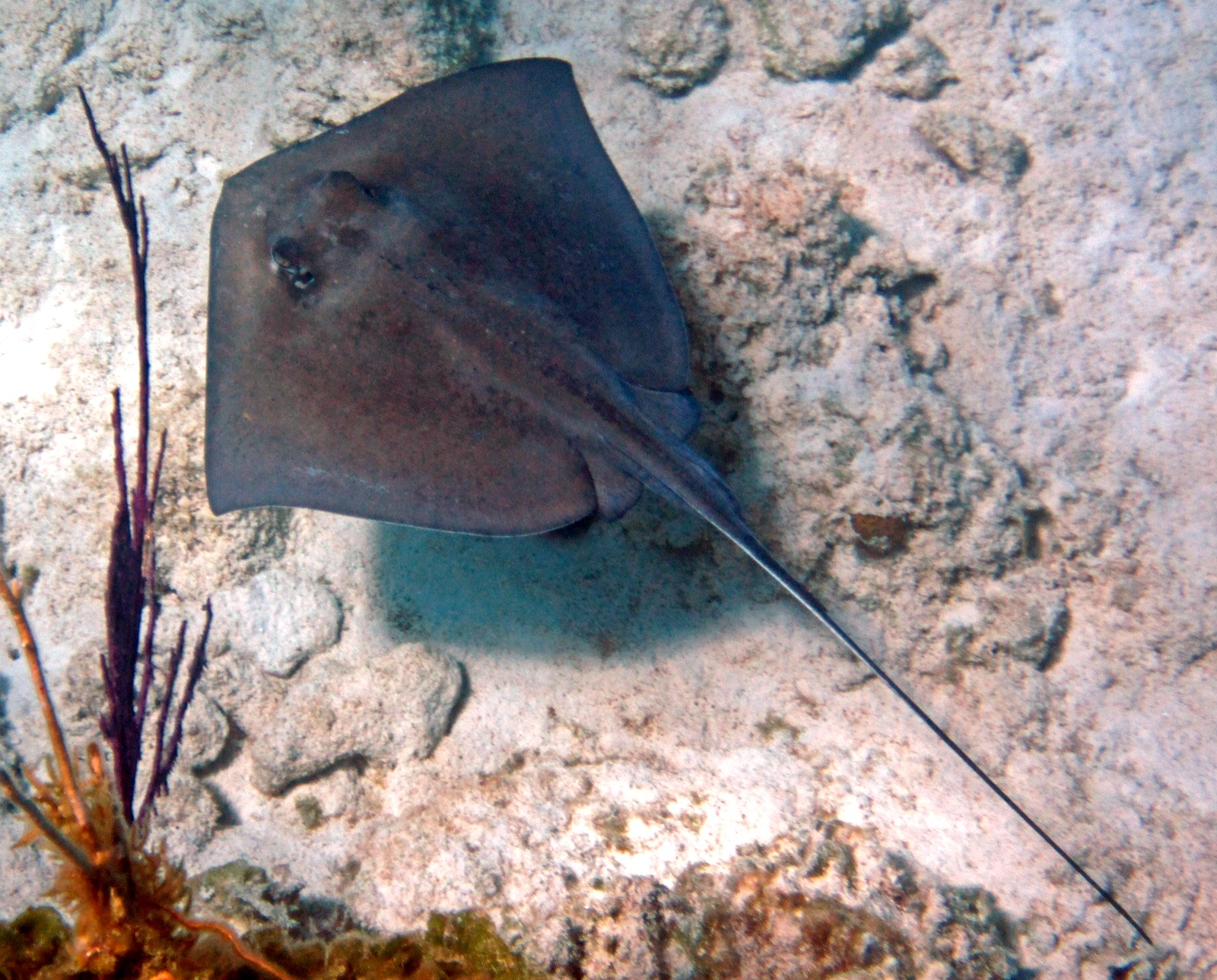
Southern Stingray
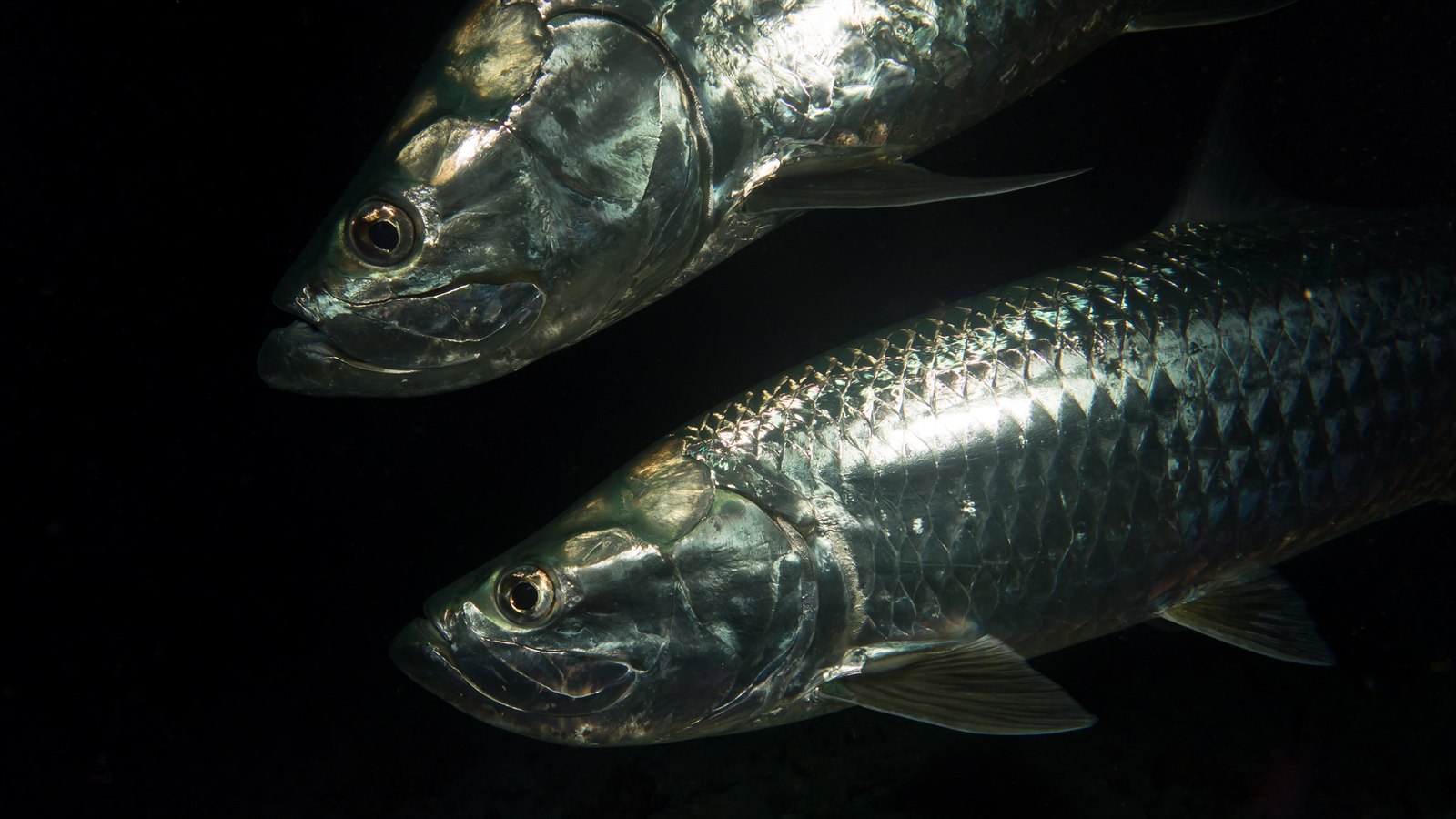
Atlantic Tarpon
Registrate anche nelle vicinanze
Le specie "schedate qui" sono state inserite dai nostri redattori a partire dalle fonti indicate in questa pagina. I conteggi sono record di occorrenza GBIF: osservazioni registrate entro circa 5 km dalla posizione indicata in carta a partire dal 1990, confrontate esclusivamente con le specie presenti nel nostro catalogo. Mostrano ciò che è stato avvistato in quel luogo, non una garanzia di ciò che vedrete.
Per i fotografi
Grandangolo: ★★★☆☆ · Macro: ★☆☆☆☆ (valutazione da 1 a 5 dei redattori su ciò che questo sito offre per ogni stile di ripresa)