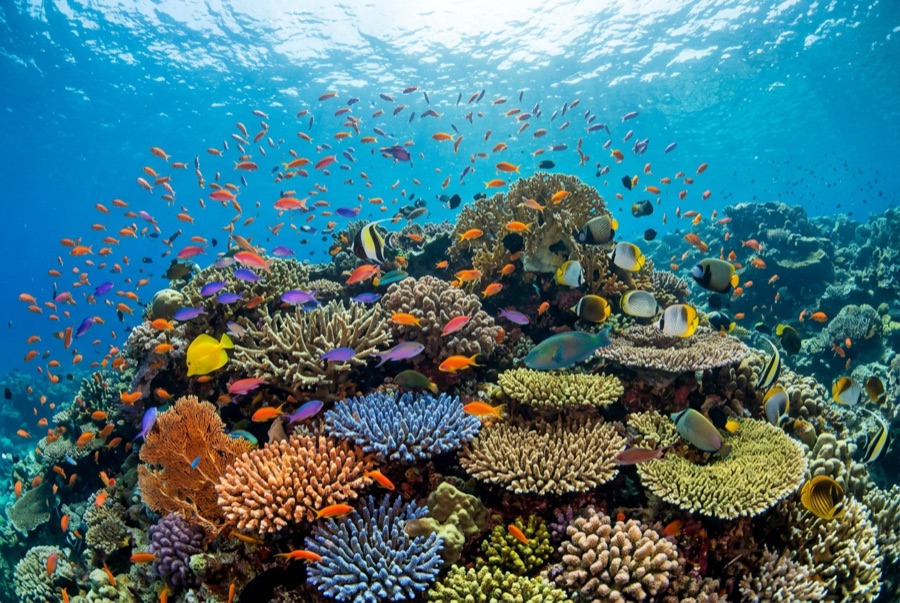
Cave of the Sleeping Sharks
수심은 사이트 상단부터 통상적인 최대 수심까지의 범위이며, '권장 자격증'은 업체에서 통상적으로 요구하는 주요 인증 기관 기준이지 법적 규정이 아닙니다. 조류와 시야는 매일 달라지므로, 모든 정보는 계획 수립용 참고 범위로 활용하세요.
This modest cavern earned an outsized place in shark science. In the 1970s local diver Ramon Bravo and researcher Eugenie Clark documented Caribbean reef sharks lying motionless on its floor (animals long believed unable to stop swimming), apparently eased by oxygen-rich, lower-salinity water welling through the rock. Cousteau's cameras followed and the site became legend. Today the honest version matters: sharks still pass through the area, but finding one asleep in the cave is uncommon, and decades of visitation likely played a part. Dive it as a pilgrimage with a bonus chance, not a guarantee.
바로 그 순간: A landmark of shark-behavior history, cavern ledges, possible resting nurse or reef sharks.
지형: A low limestone cavern and ledges at about 20 m where fresher groundwater seeps into the sea.
조류: Open Caribbean water; expect movement.
진입: Exposed site northeast of the island; dived when seas allow.
입수 전에 알아두세요
위험 요소: Overhead ledge, surge, and open-sea conditions on the windward side.
보존: If a shark is resting, stay wide and low outside the cavern mouth; crowding it defeats the site's entire story.
나이트록스: 여기서 가치 있는 이유: 이 프로필들은 엔리치드 에어가 무감압 시간을 의미 있게 연장해 주는 범위에 해당하며, 교육을 받은 경우에 해당합니다.
만날 수 있는 생물
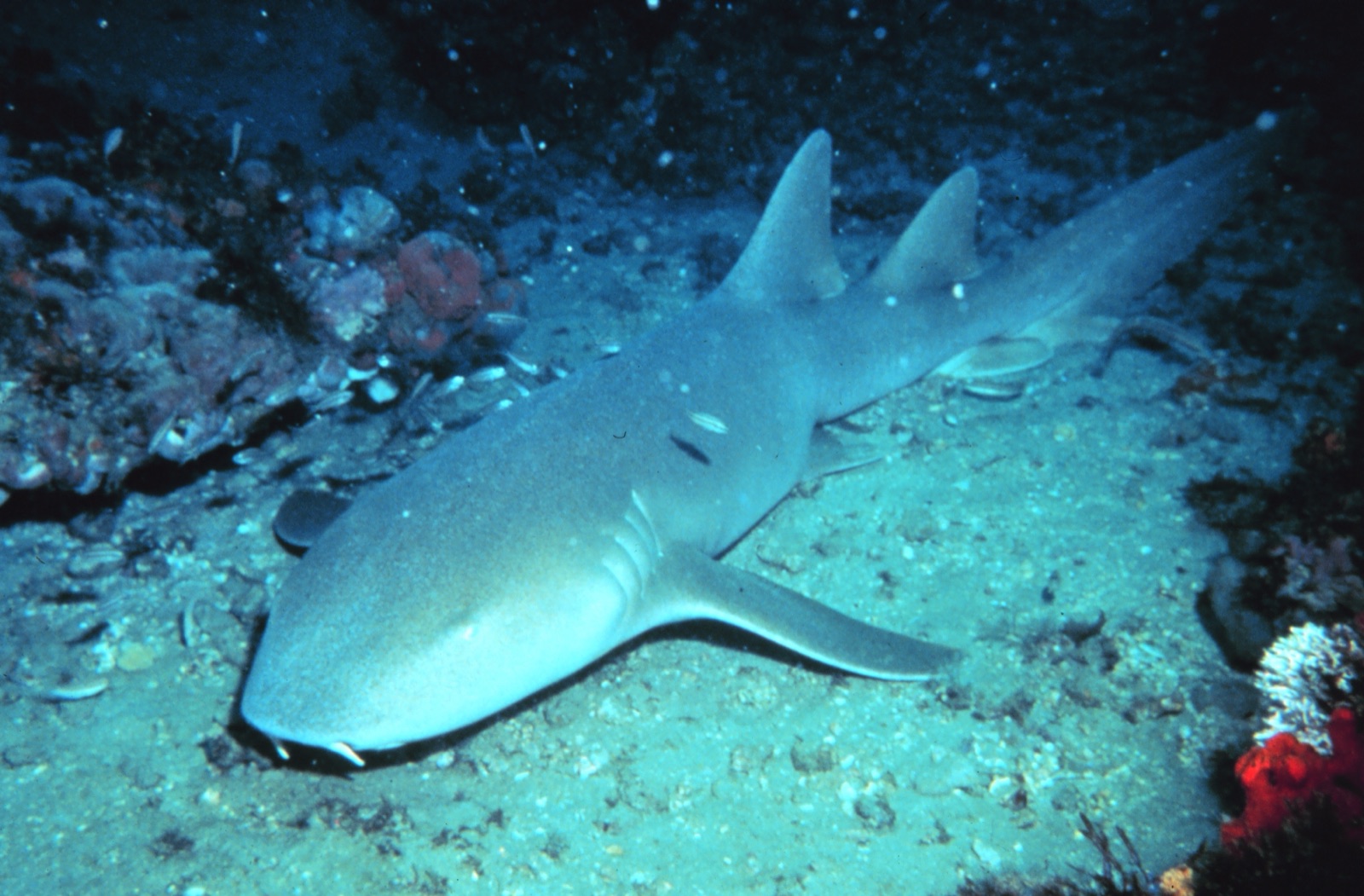
Nurse Shark
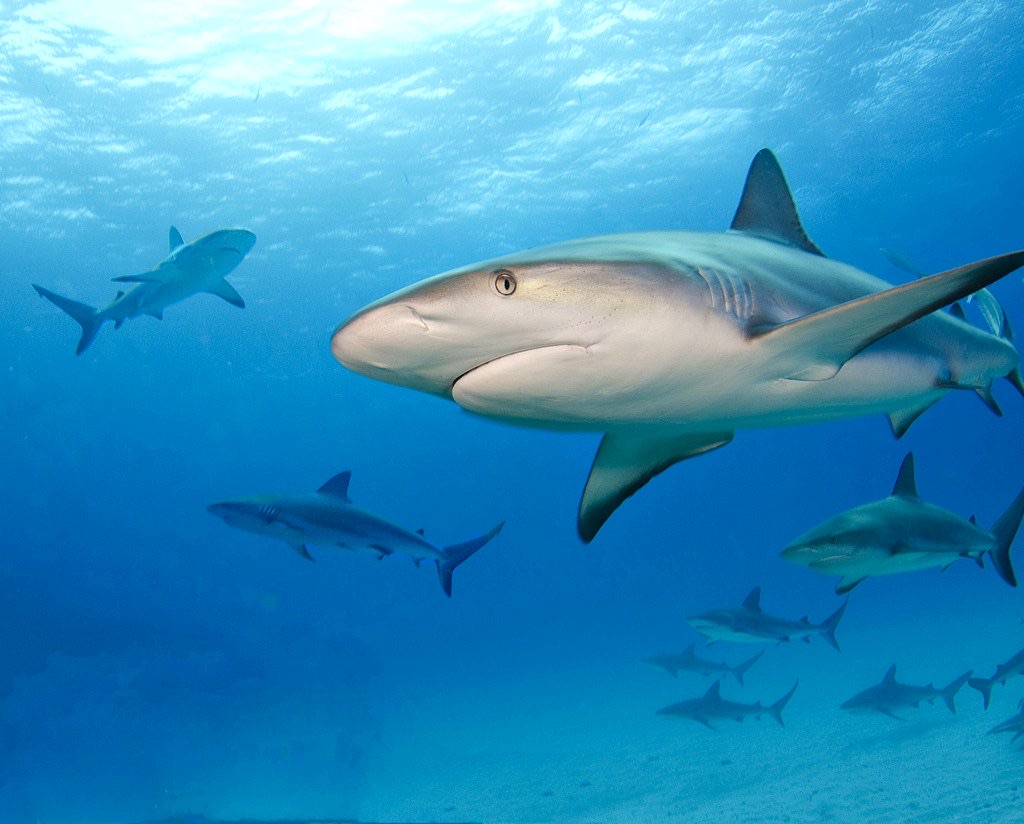
Caribbean Reef Shark
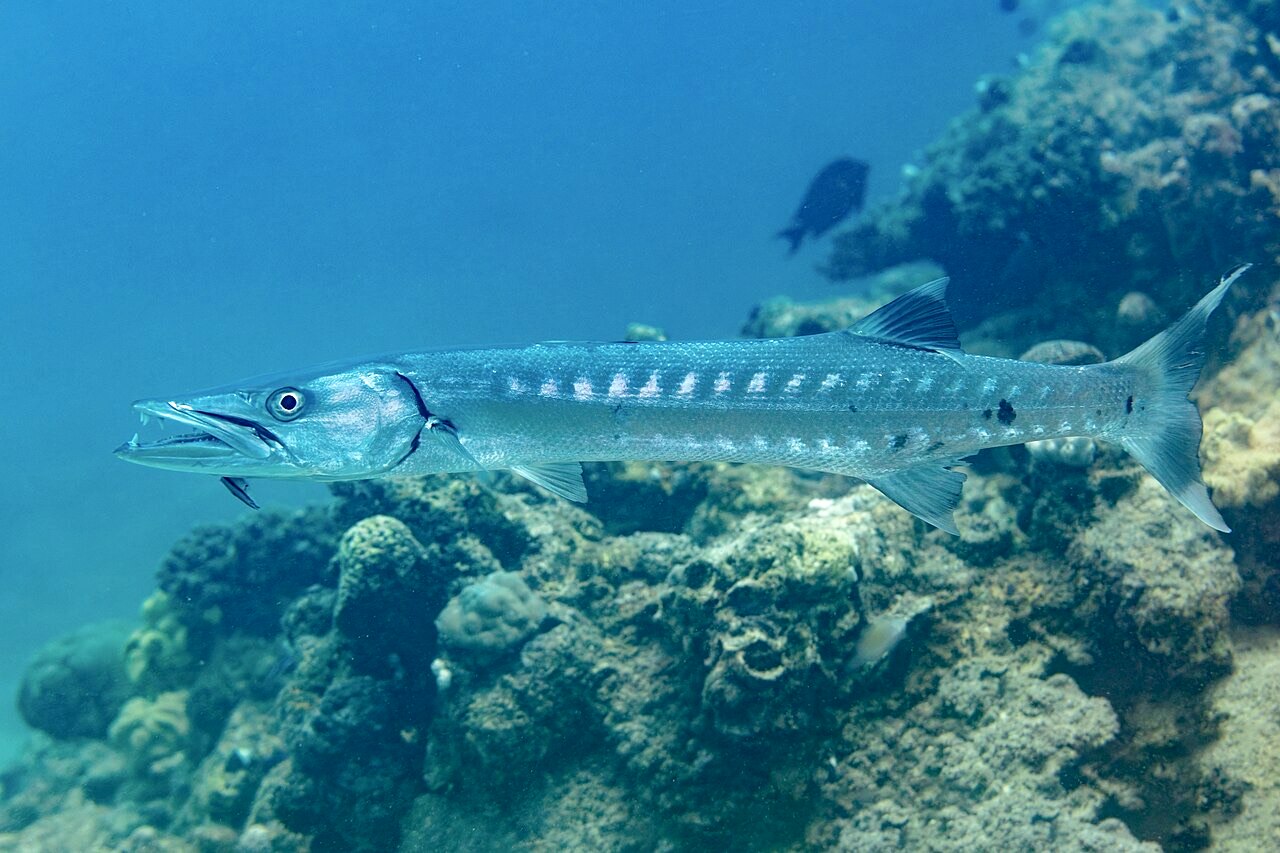
Great Barracuda
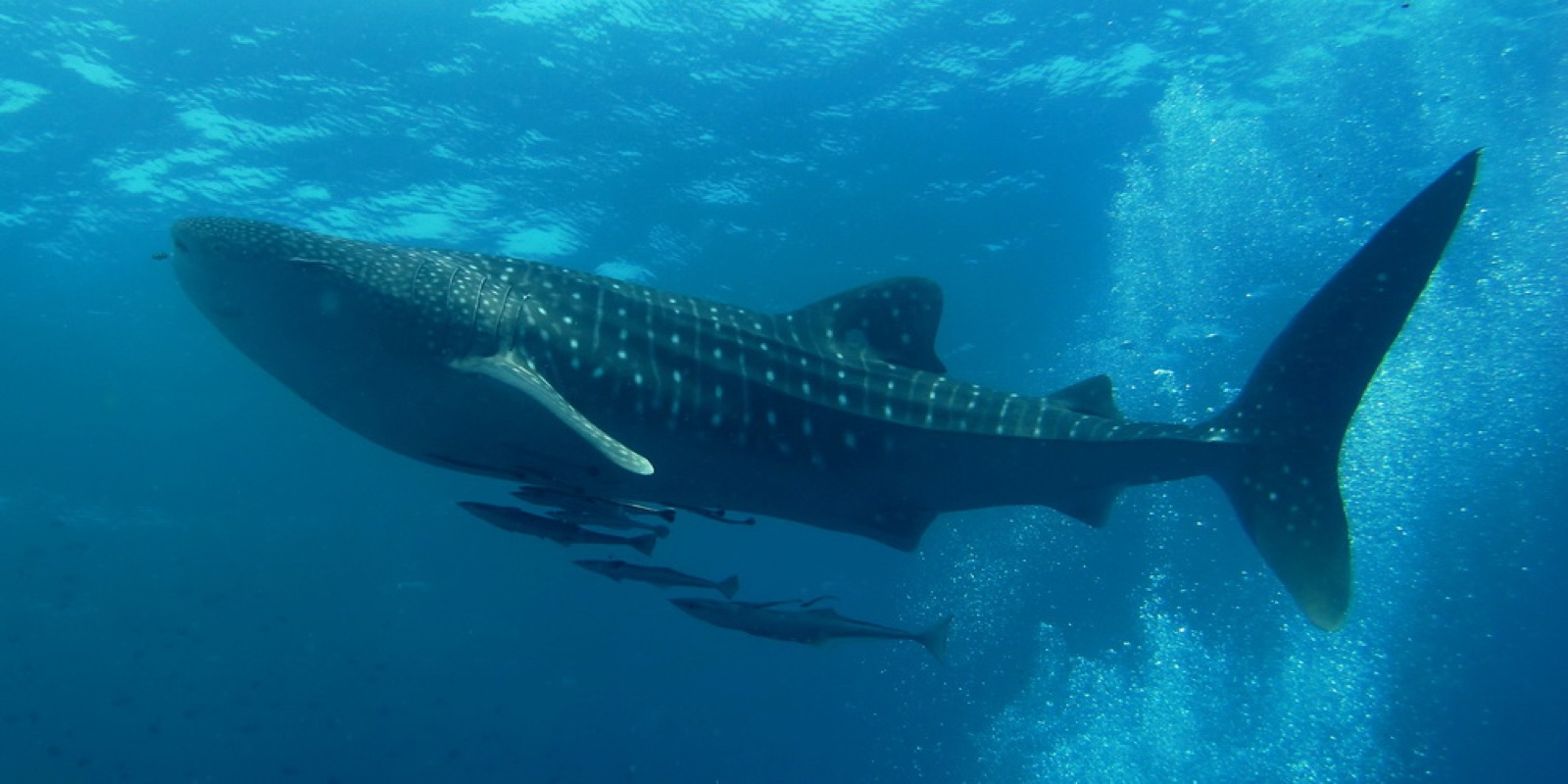
Whale Shark
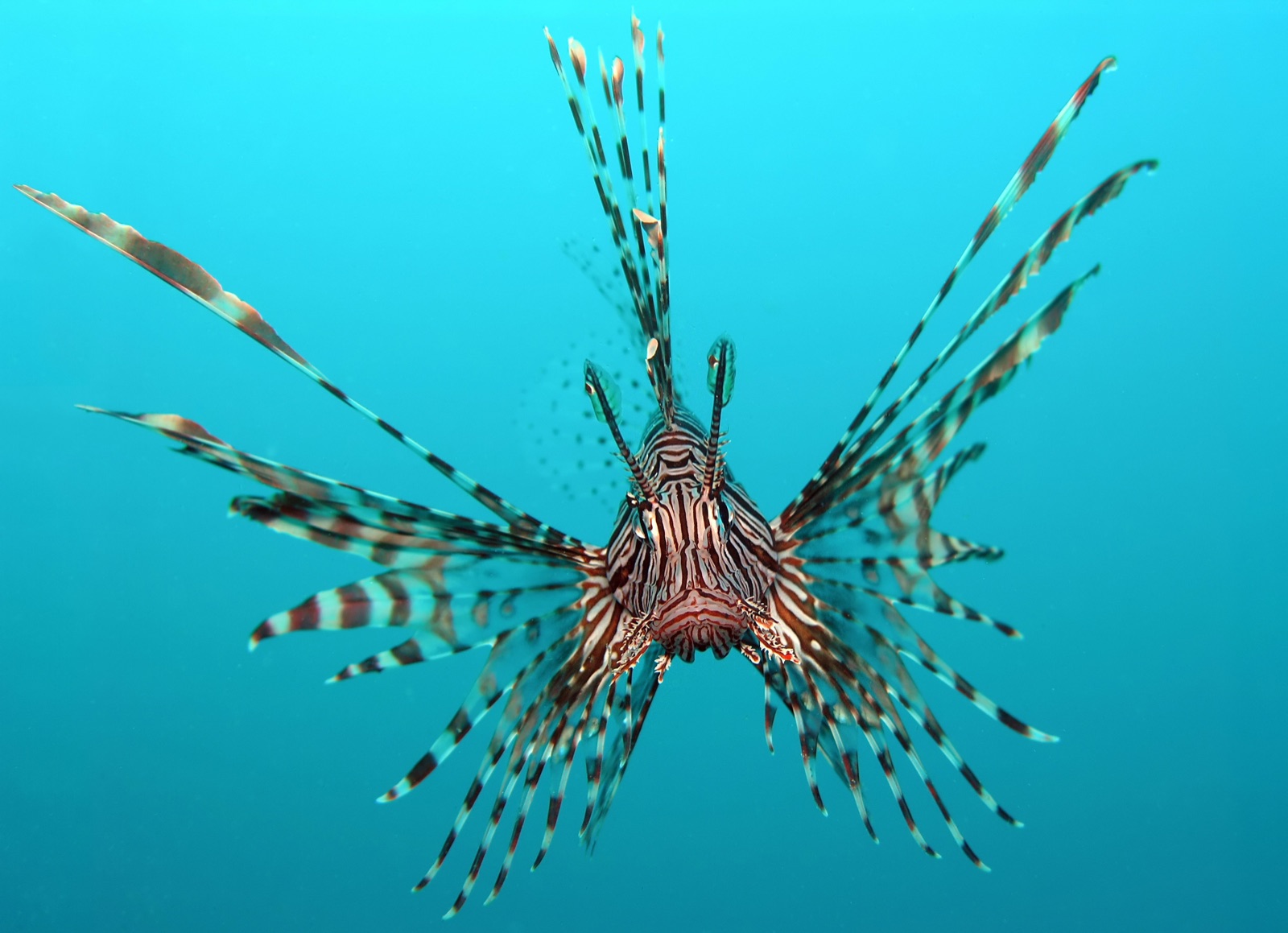
Lionfish
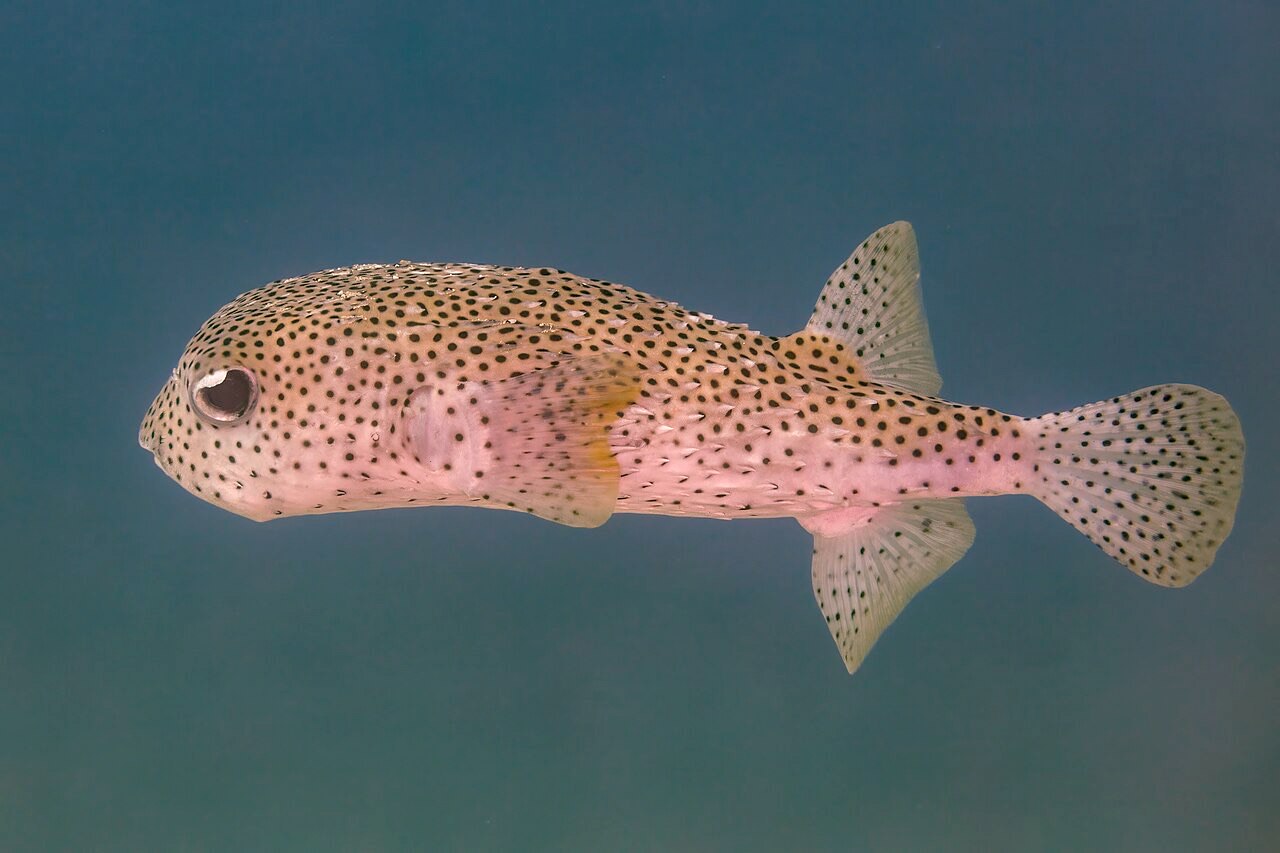
Porcupinefish
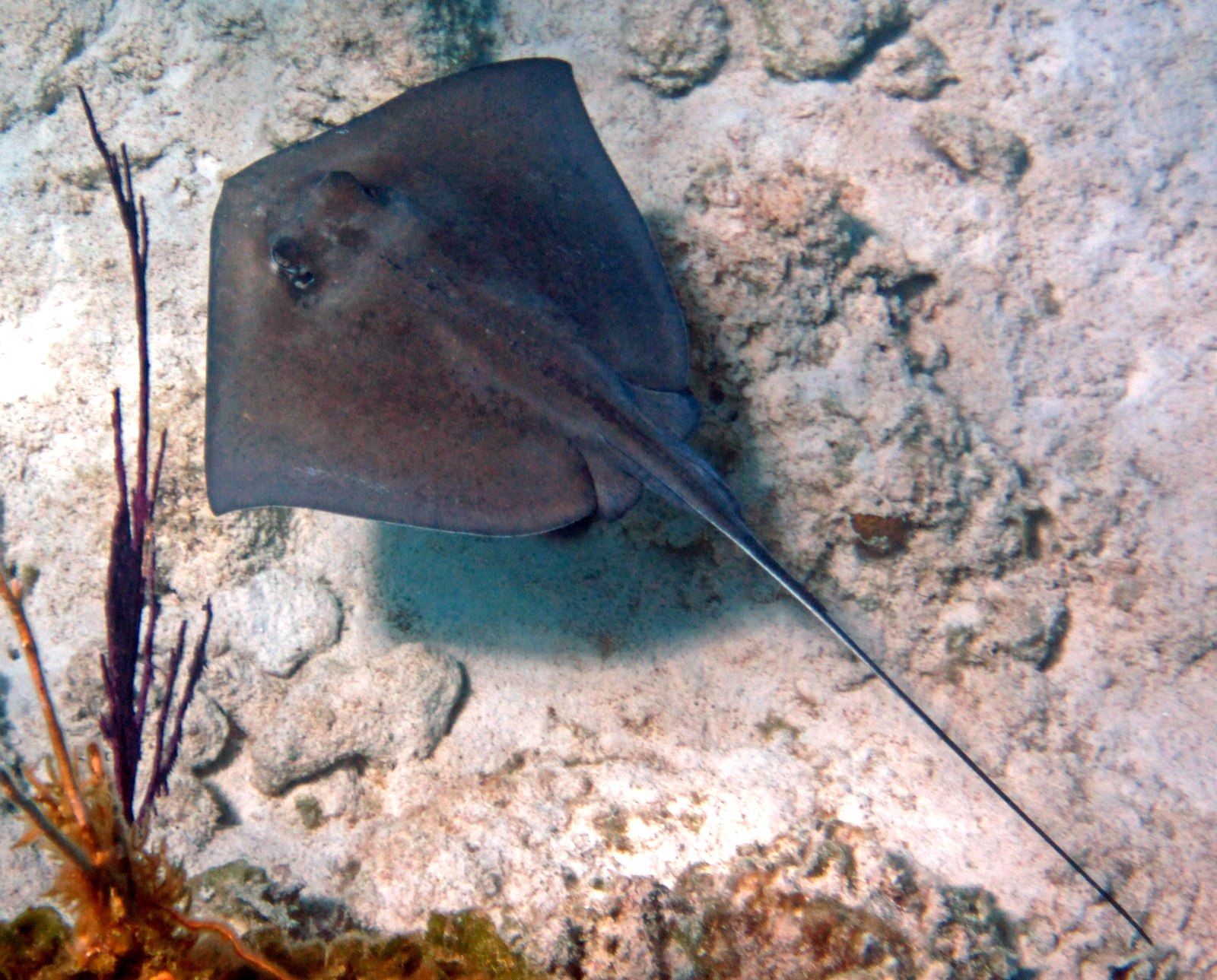
Southern Stingray
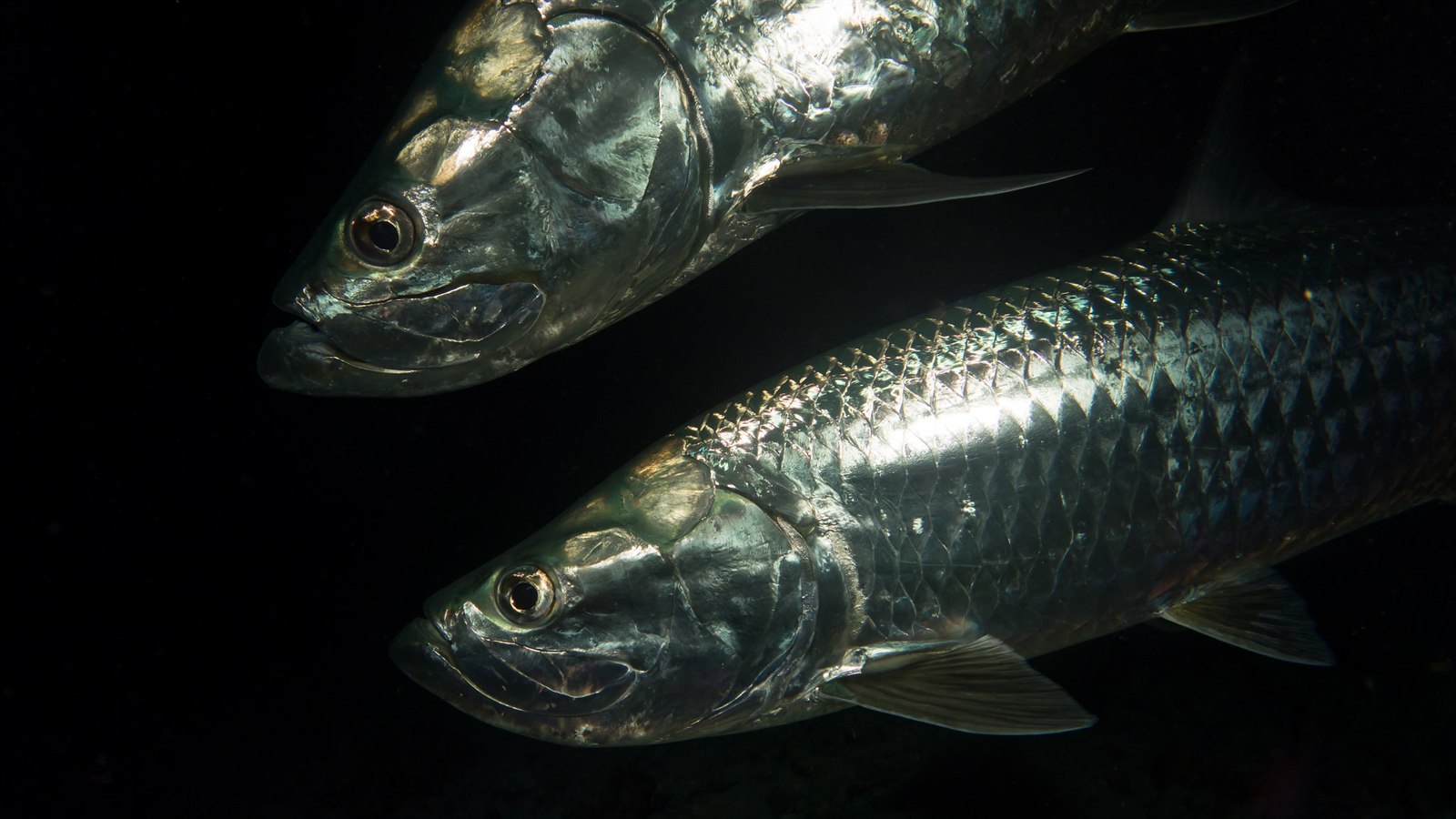
Atlantic Tarpon
인근에서도 기록된 종
"여기에 등록된" 생물종은 편집팀이 이 페이지의 출처를 바탕으로 목록화한 종입니다. 표시된 수치는 GBIF 출현 기록으로, 1990년 이후 등록 위치 기준 약 5km 이내에서 관찰·기록된 건수이며, 저희 카탈로그에 수록된 종에 한해 대조한 결과입니다. 실제로 목격된 사례를 보여주는 것이며, 현장에서 반드시 볼 수 있다는 보장은 아닙니다.
수중 촬영자를 위한 정보
광각: ★★★☆☆ · 마크로: ★☆☆☆☆ (각 촬영 스타일에 대한 에디터의 1–5점 평가)