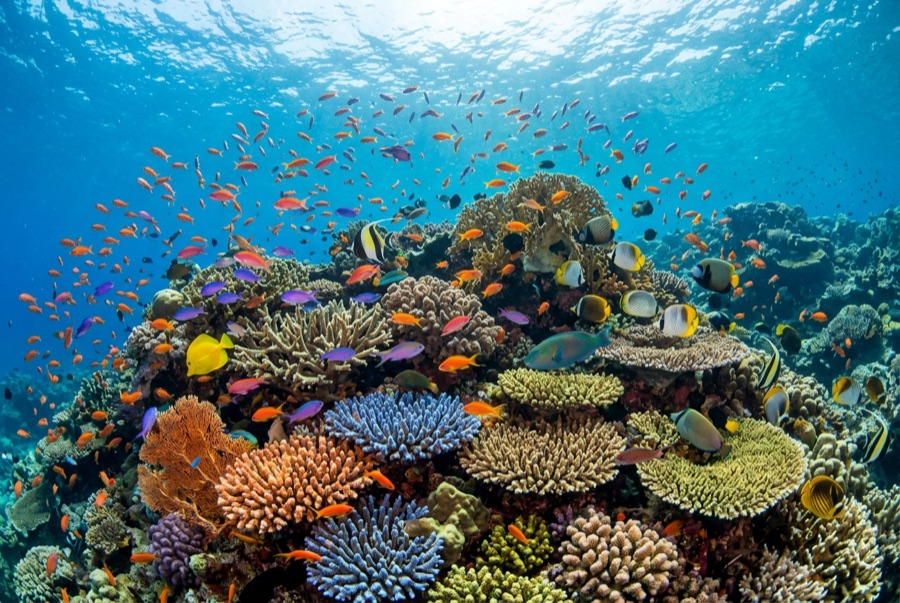
Cave of the Sleeping Sharks
A profundidade é o intervalo entre o topo do local e o seu máximo habitual; "certificação recomendada" é o nível das agências convencionais que os operadores normalmente exigem, não uma regra legal. As correntes e a visibilidade mudam diariamente, por isso trata tudo isto como intervalos de planeamento.
This modest cavern earned an outsized place in shark science. In the 1970s local diver Ramon Bravo and researcher Eugenie Clark documented Caribbean reef sharks lying motionless on its floor (animals long believed unable to stop swimming), apparently eased by oxygen-rich, lower-salinity water welling through the rock. Cousteau's cameras followed and the site became legend. Today the honest version matters: sharks still pass through the area, but finding one asleep in the cave is uncommon, and decades of visitation likely played a part. Dive it as a pilgrimage with a bonus chance, not a guarantee.
O momento pelo qual você vem: A landmark of shark-behavior history, cavern ledges, possible resting nurse or reef sharks.
Topografia: A low limestone cavern and ledges at about 20 m where fresher groundwater seeps into the sea.
Corrente: Open Caribbean water; expect movement.
Entrada: Exposed site northeast of the island; dived when seas allow.
Sabe antes de entrar na água
Perigos: Overhead ledge, surge, and open-sea conditions on the windward side.
Conservação: If a shark is resting, stay wide and low outside the cavern mouth; crowding it defeats the site's entire story.
Nitrox: Vale a pena aqui: os perfis situam-se na gama em que o nitrox prolonga significativamente o tempo sem paragem de descompressão (com a formação para o usar).
Quem vai encontrar
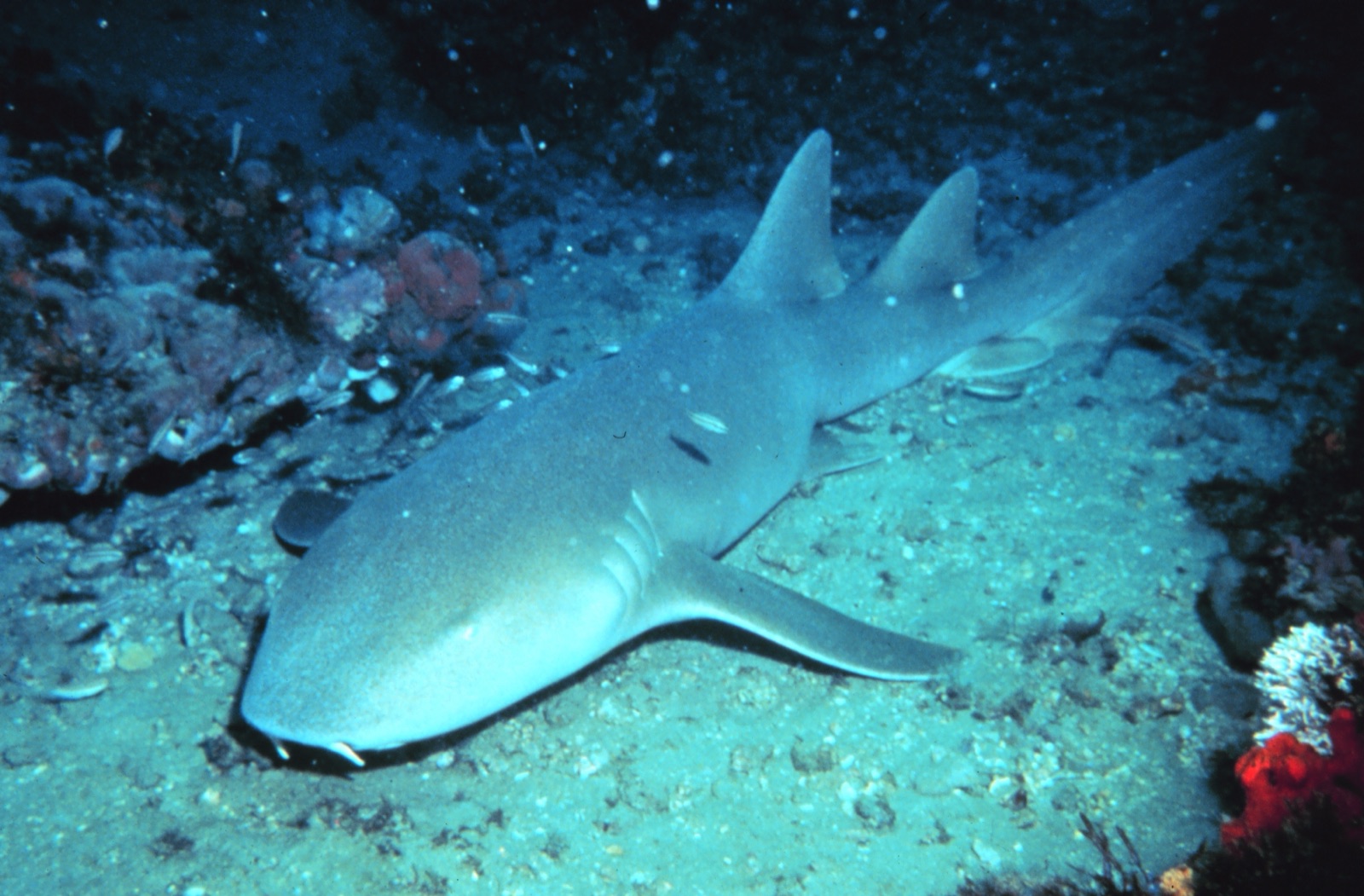
Nurse Shark
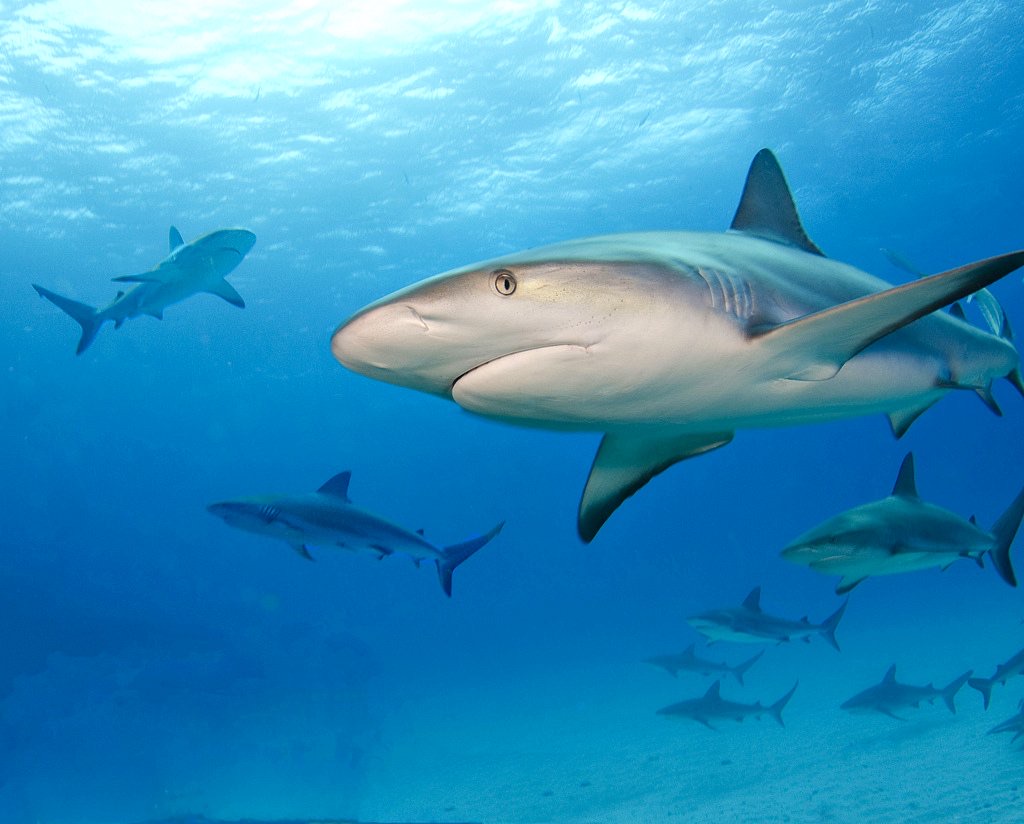
Caribbean Reef Shark
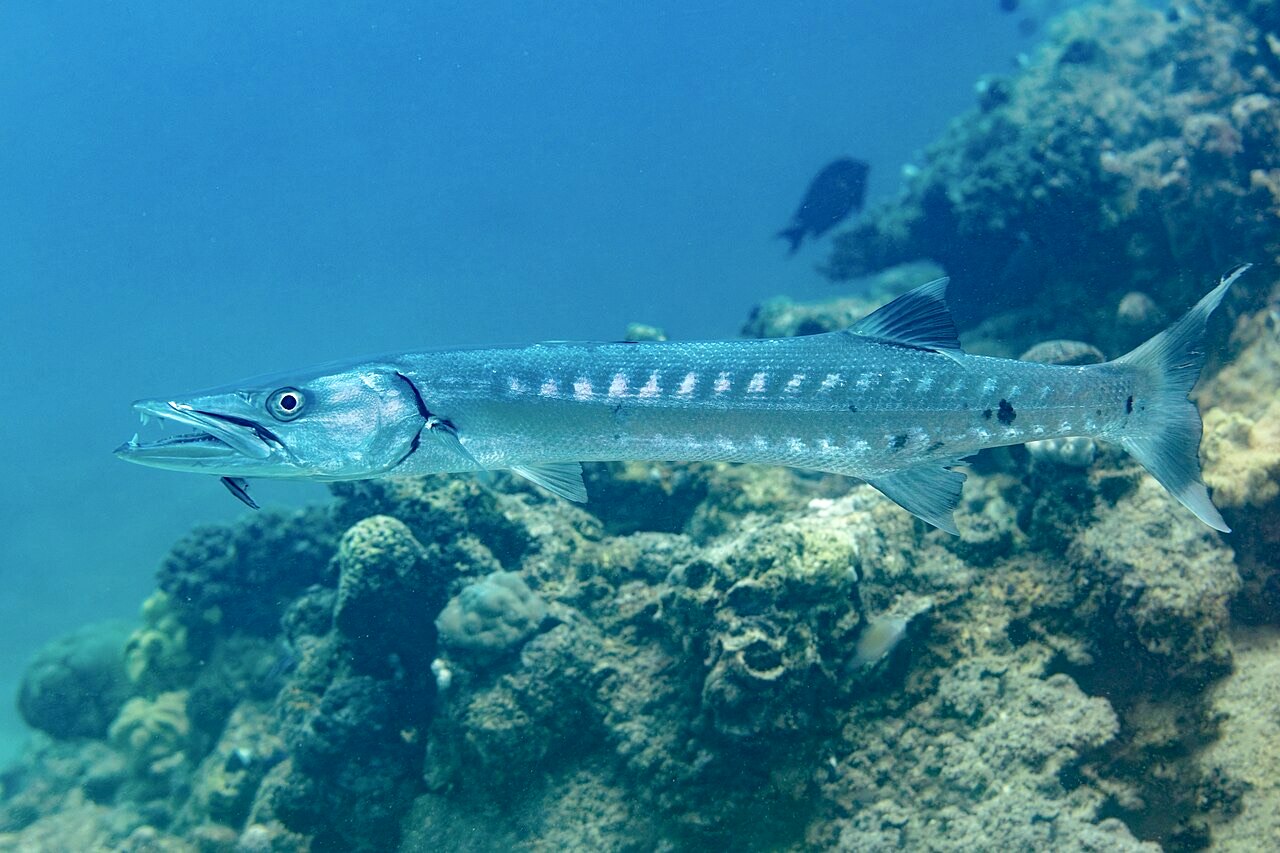
Great Barracuda
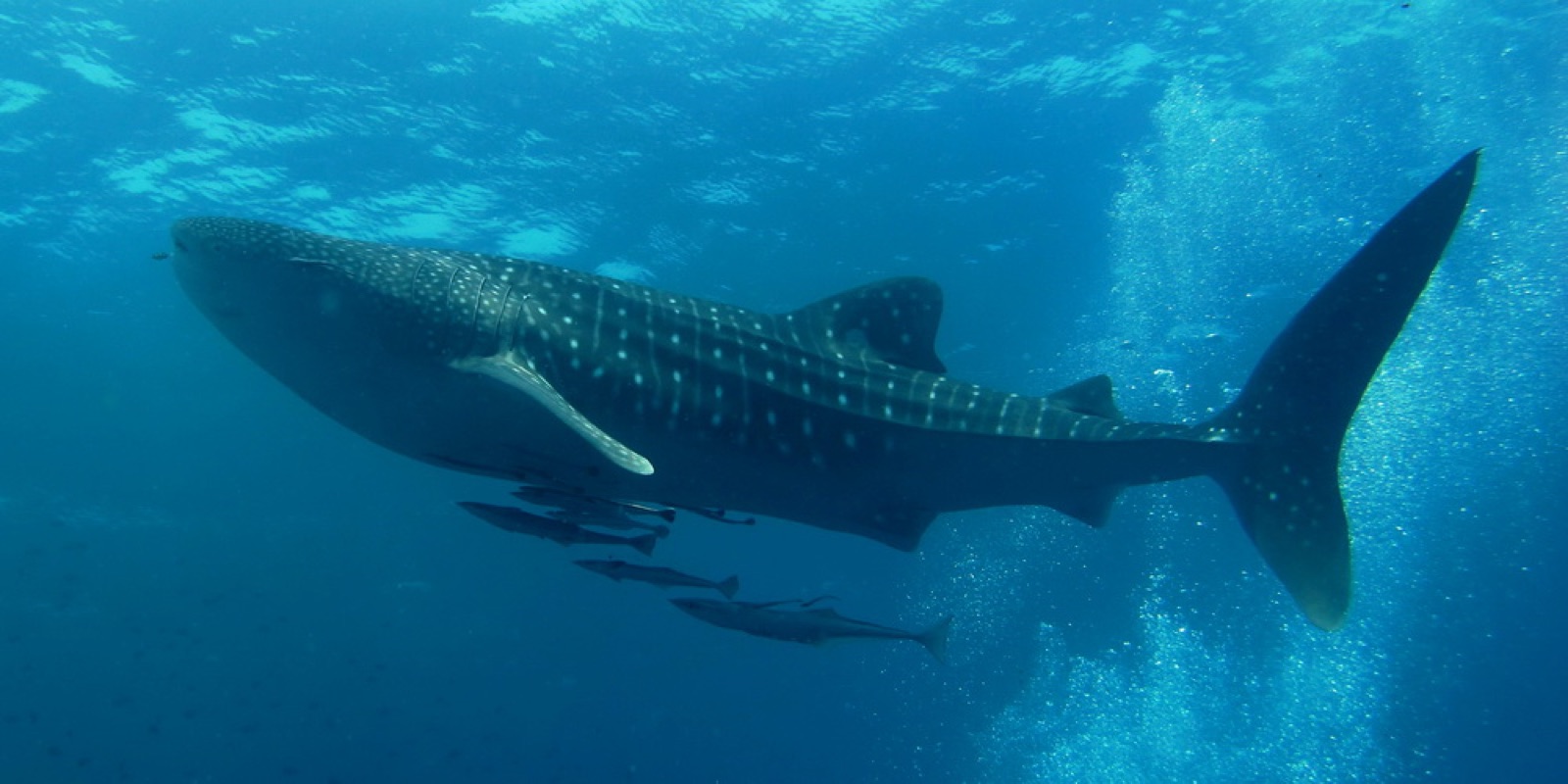
Whale Shark
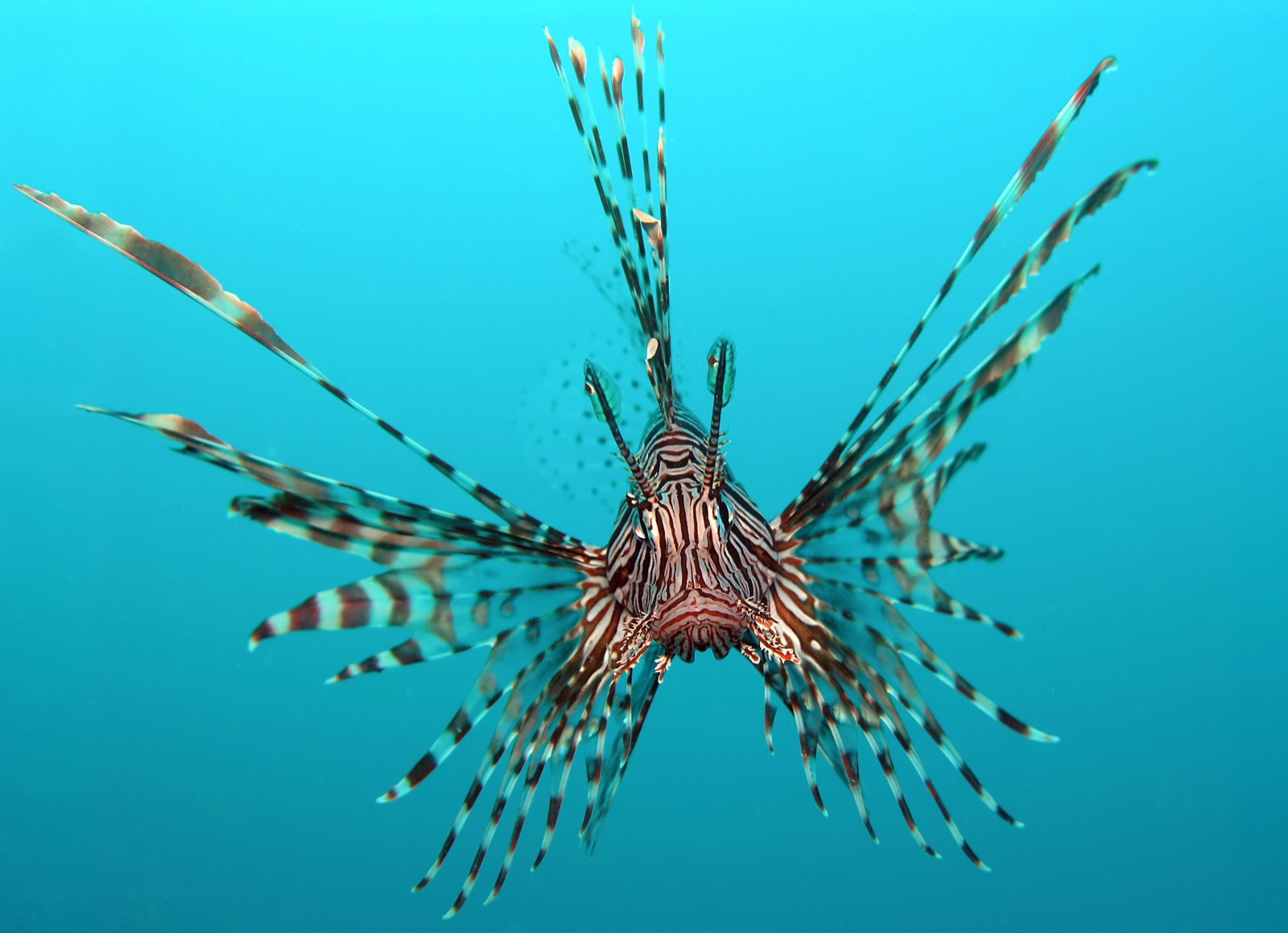
Lionfish
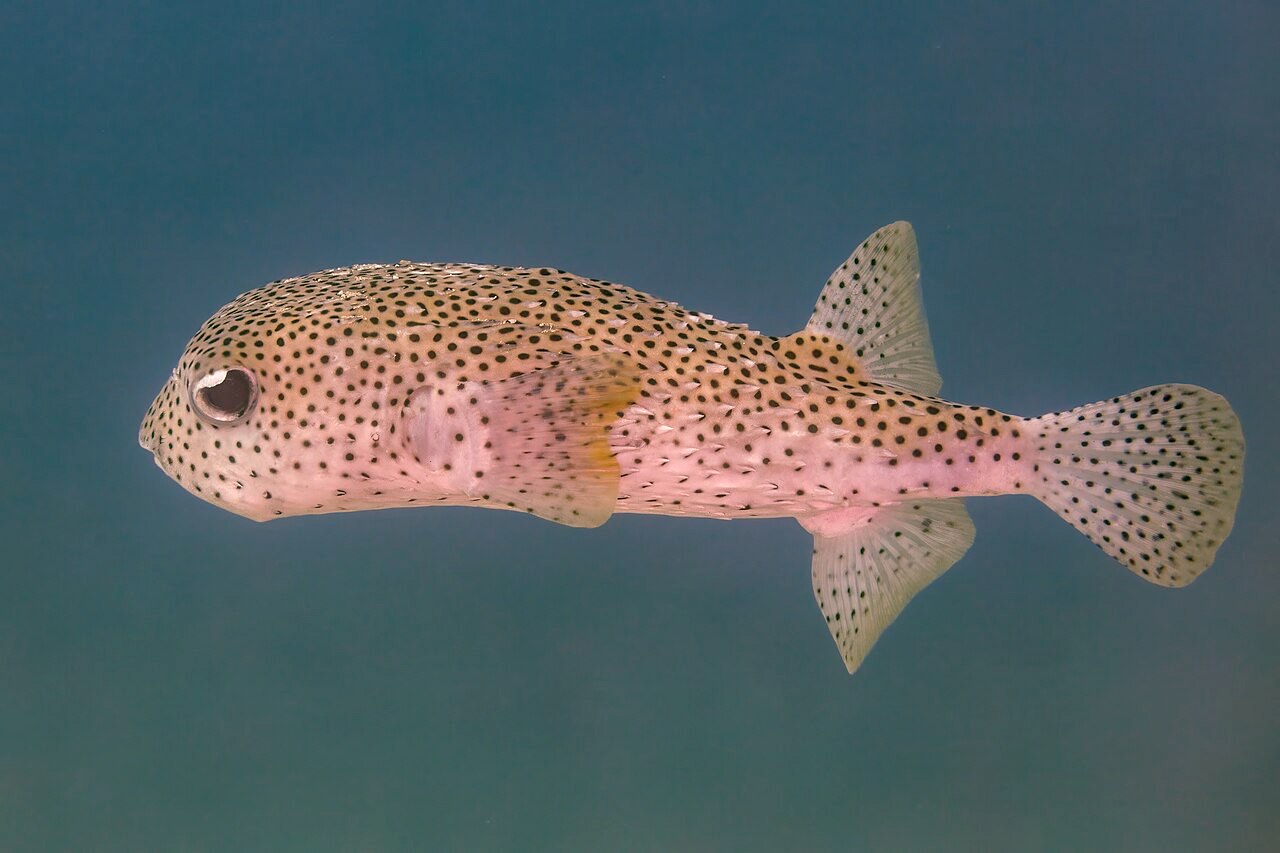
Porcupinefish
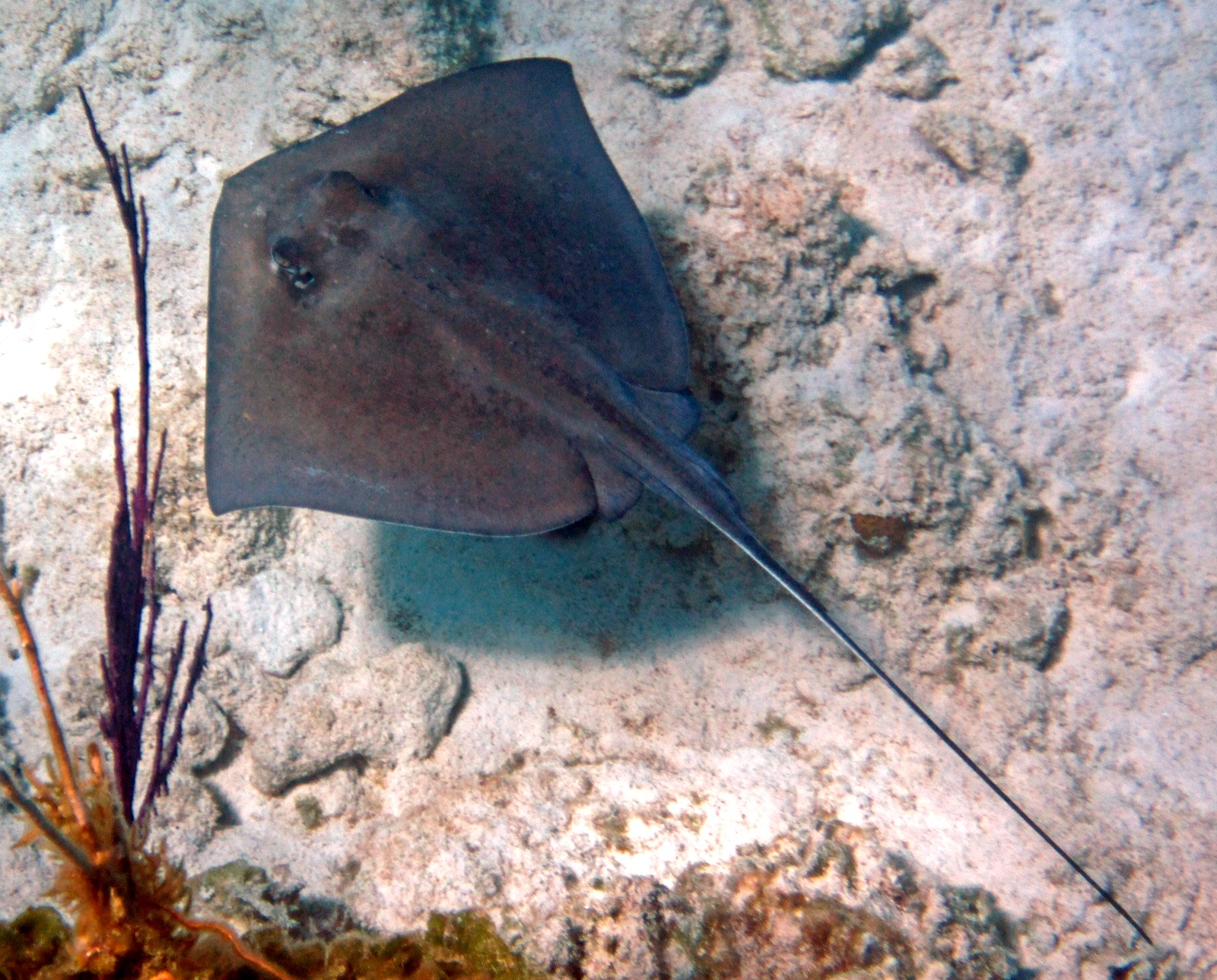
Southern Stingray
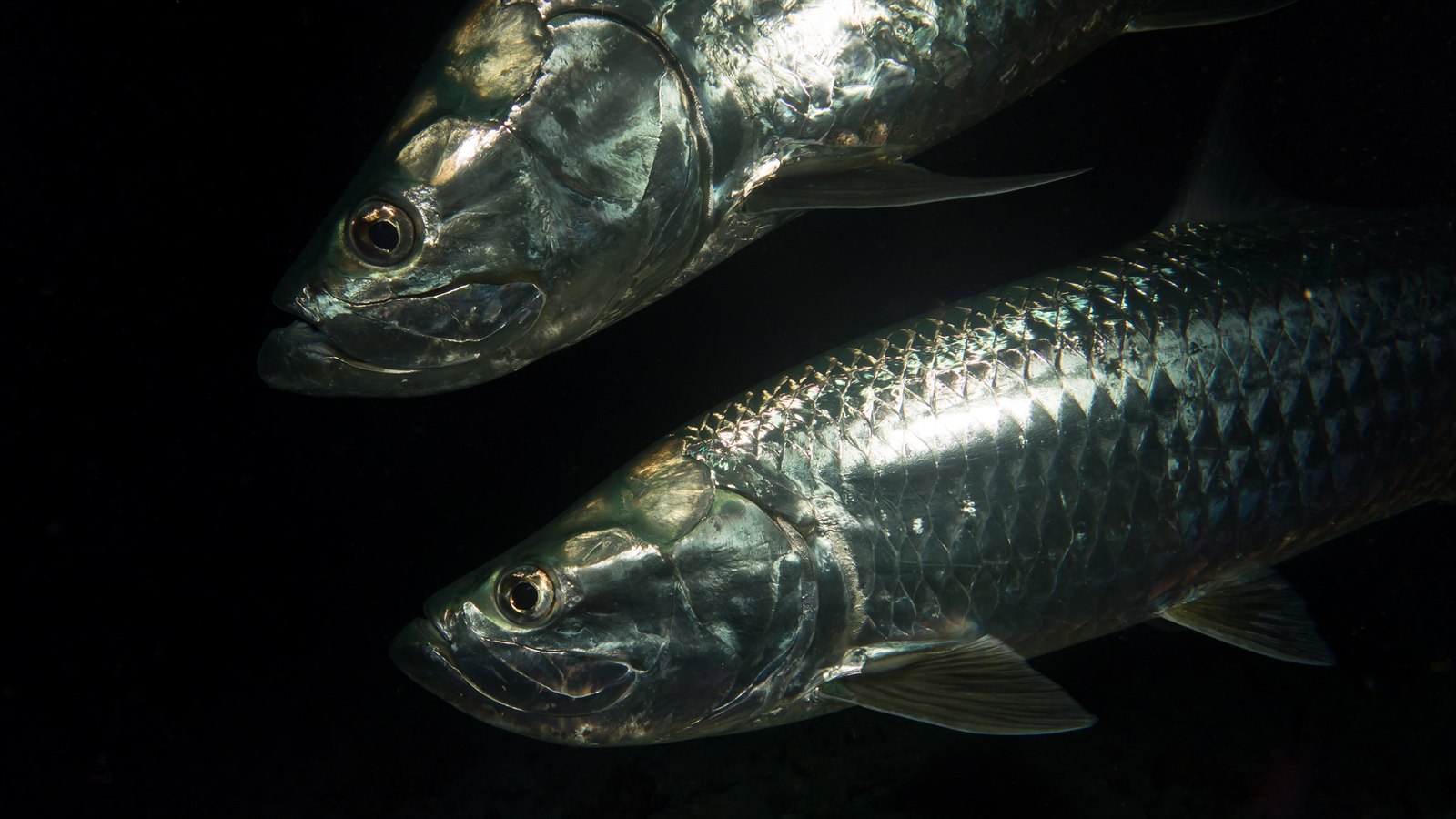
Atlantic Tarpon
Também registado nas proximidades
As espécies "registadas aqui" foram listadas pelos nossos editores a partir das fontes desta página. As contagens são registos de ocorrência do GBIF: observações registadas num raio de cerca de 5 km da posição indicada desde 1990, cruzadas apenas com as espécies do nosso catálogo. Mostram o que foi avistado no local, não uma garantia do que irá encontrar.
Para fotógrafos
Grande angular: ★★★☆☆ · Macro: ★☆☆☆☆ (classificação de 1–5 dos editores sobre o que este sítio oferece a cada estilo de fotografia)