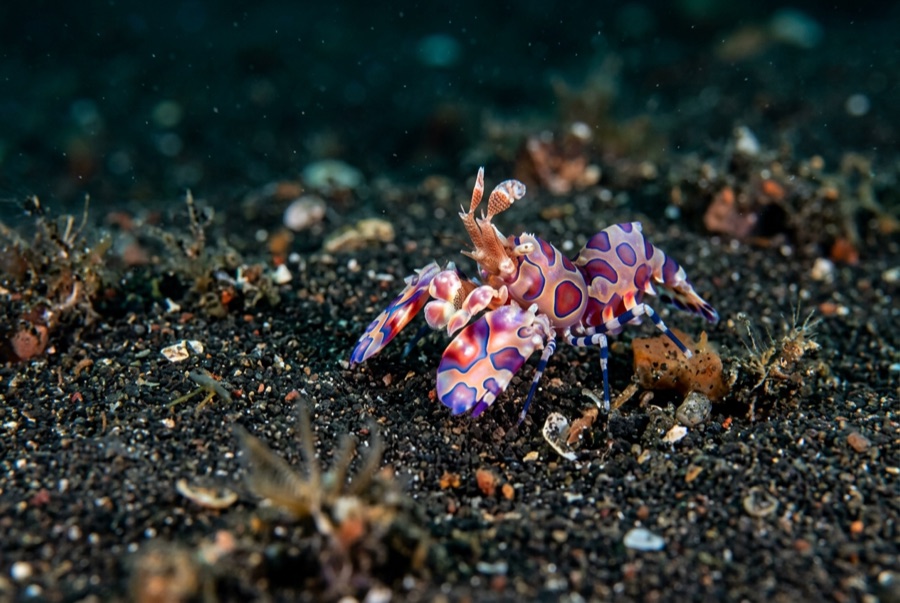
Osezaki
Depth is the range from the top of the site to its usual maximum; "recommended cert" is the mainstream-agency level operators usually ask for, not a legal rule. Currents and visibility change daily, so treat everything here as planning ranges.
Osezaki is where much of Japan learned to dive and where much of it comes back to hunt small treasure. The hooked sand spit shelters a bay so calm it works year-round, its slope littered with frogfish, seahorses, ghost pipefish in season, and enough nudibranchs to fill logbook margins for a lifetime. Because Suruga Bay plunges to true deep-sea depths just offshore, cold months occasionally push genuinely weird deep-water animals into diveable range, and locals treat every winter as a lottery. The outer cape adds soft-coral rock and swim-bys of squid schools. Facilities, benches, rails, and hot baths make the whole thing frictionless.
The moment you come for: Muck diving with deep-sea surprises, dense macro on dark sand, all-weather sheltered bay
Topography: Dark volcanic sand sloping fast into Suruga Bay, rocky reef outside the cape
Current: The inner bay is protected in almost any weather; the outside of the cape feels the open sea.
Entry: Organized entries with steps, rails, and gear benches line the bay; the outer cape is a separate, more exposed entry for experienced divers.
Know before you splash
Hazards: Steep sand slope invites unnoticed depth; weekend crowds at the entries are the other hazard.
Who you'll meet
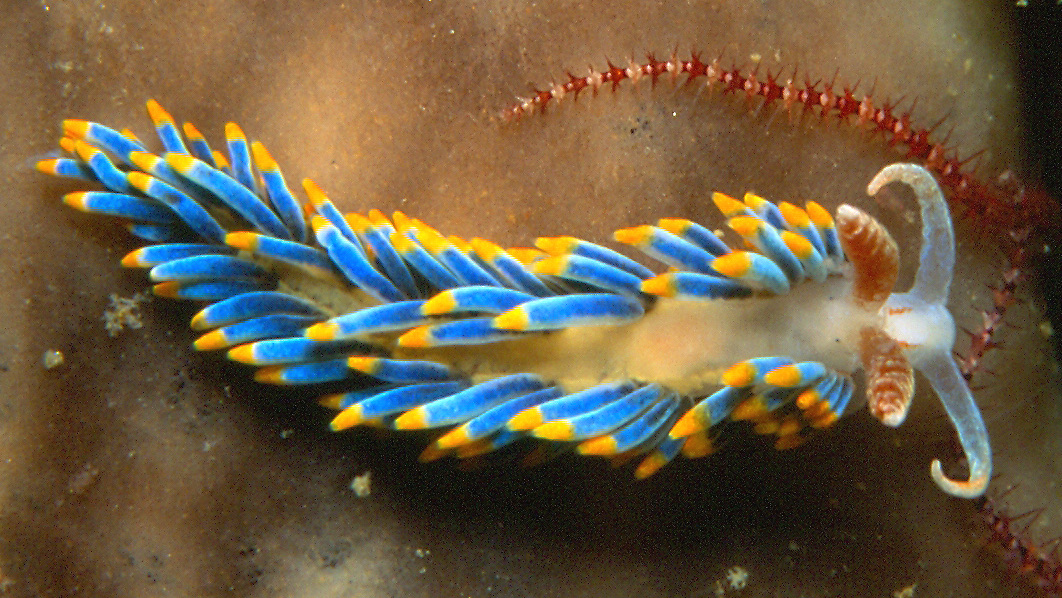
Nudibranchs
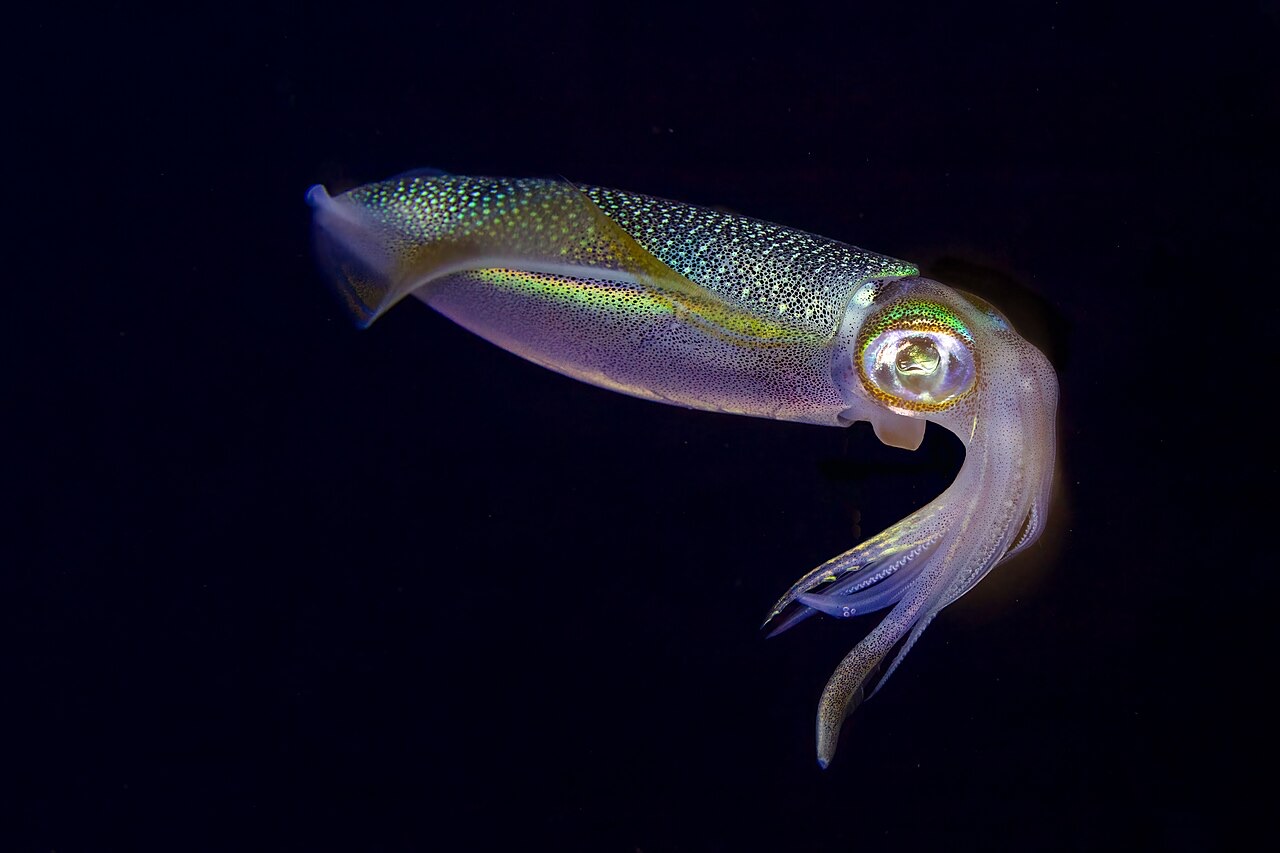
Bigfin Reef Squid
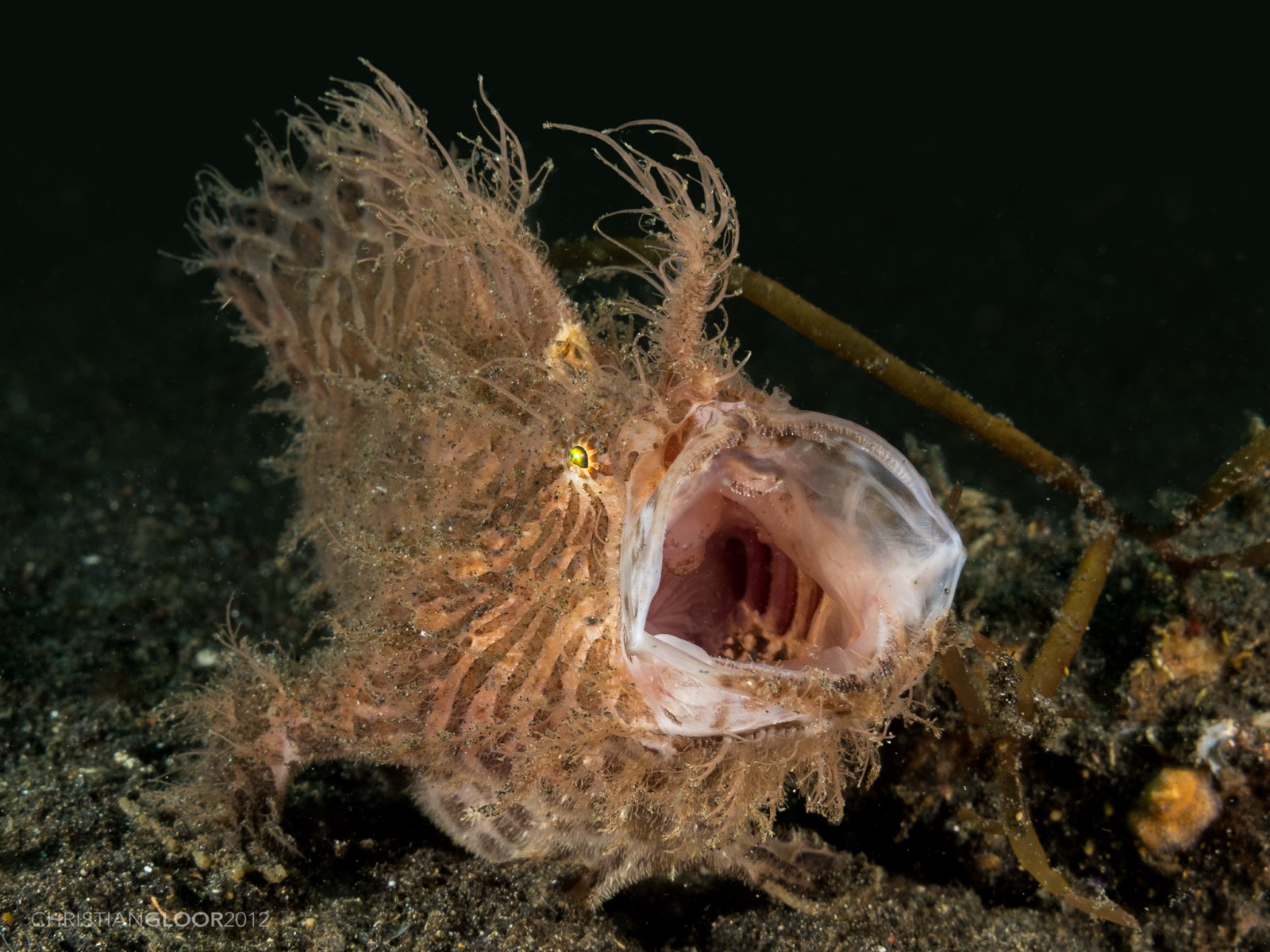
Frogfish
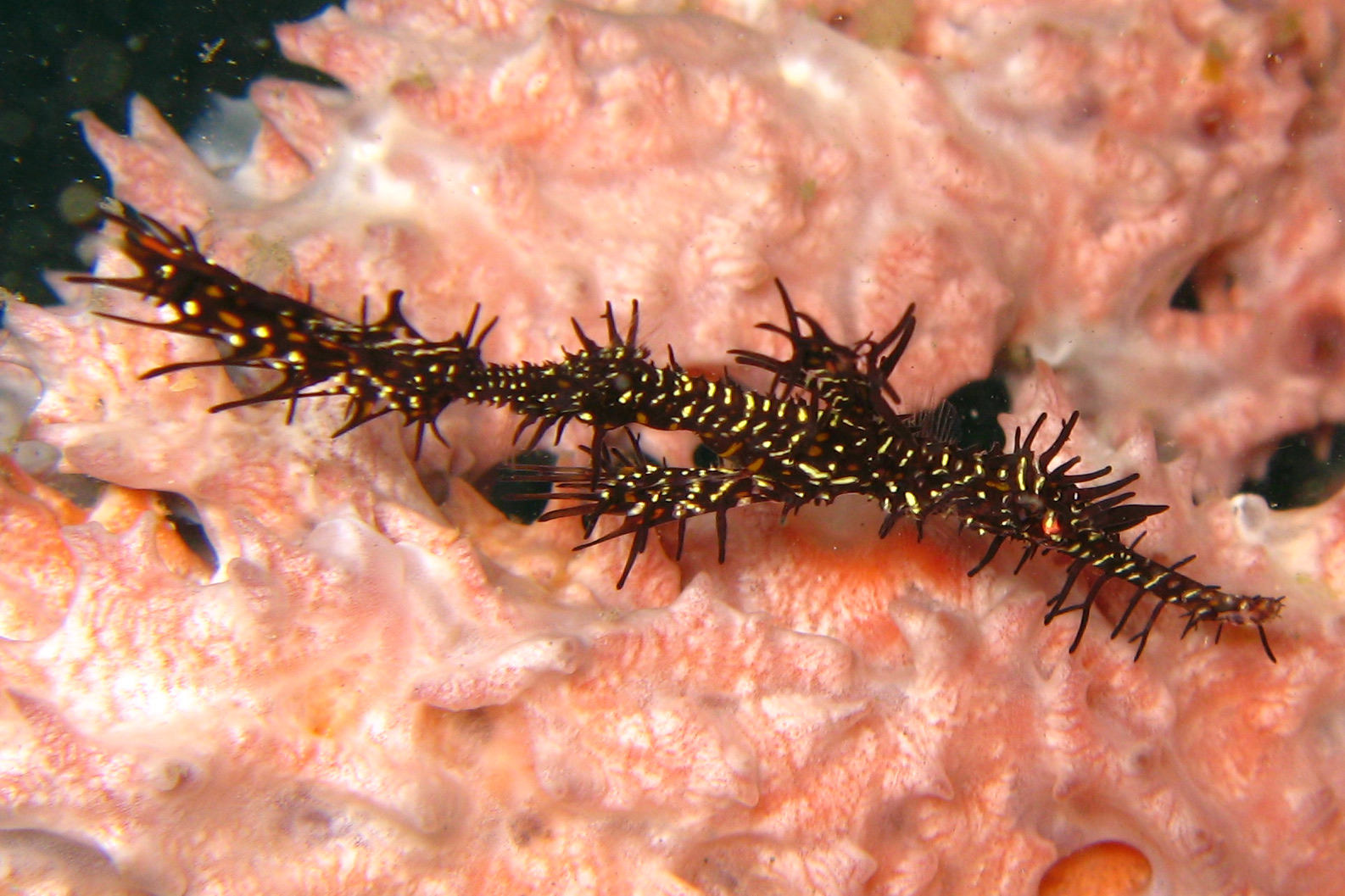
Ornate Ghost Pipefish
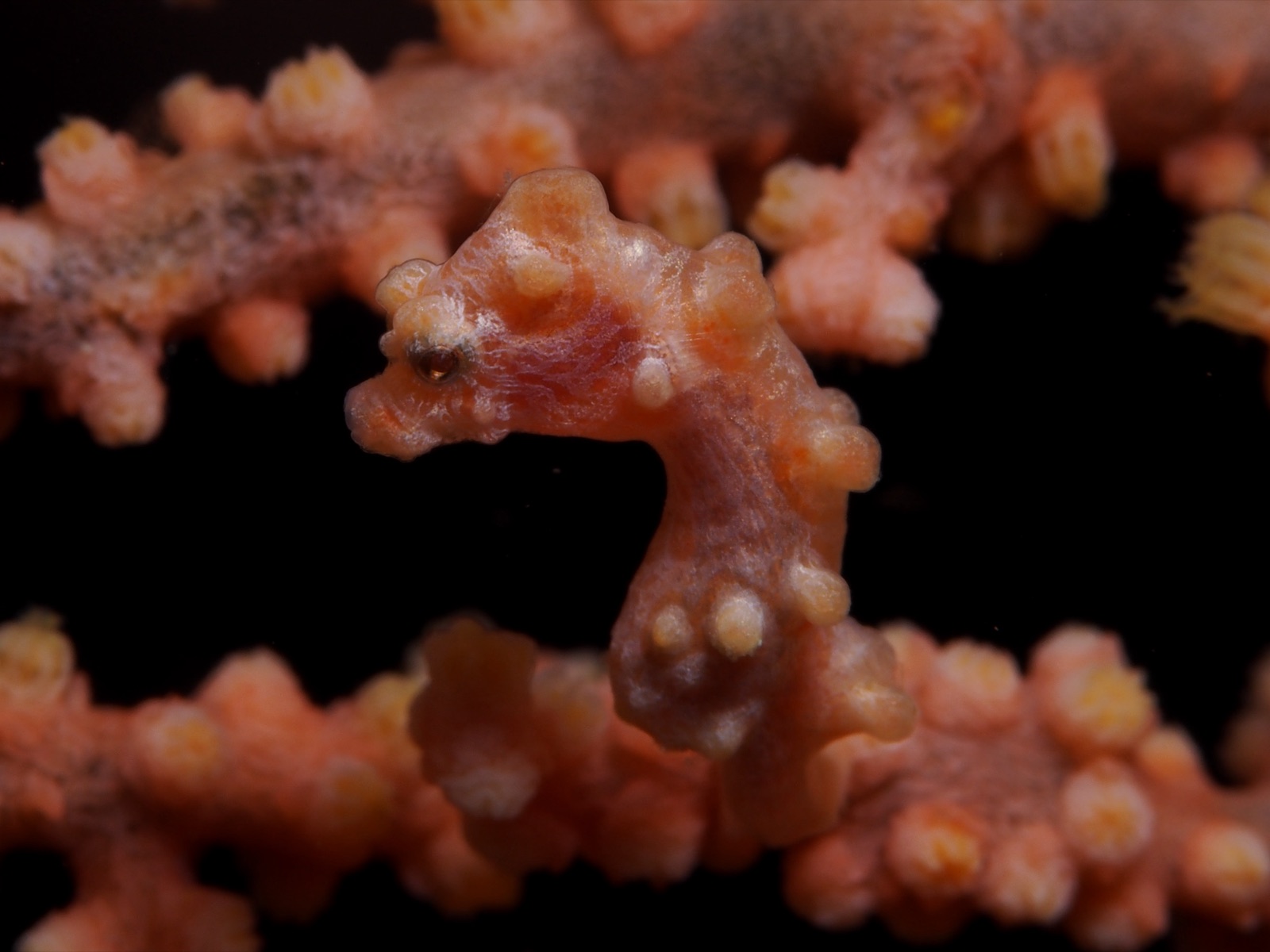
Seahorses
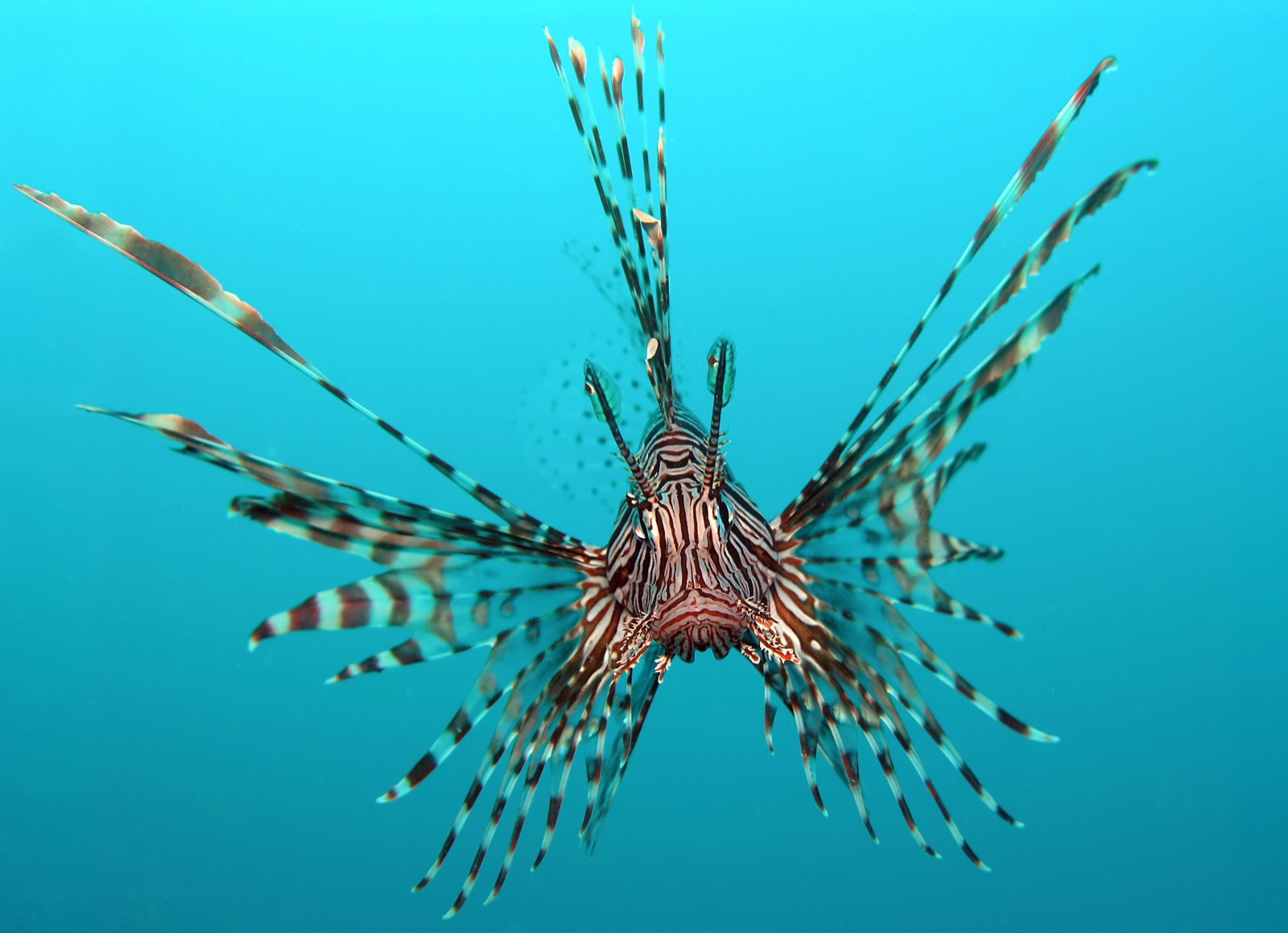
Lionfish
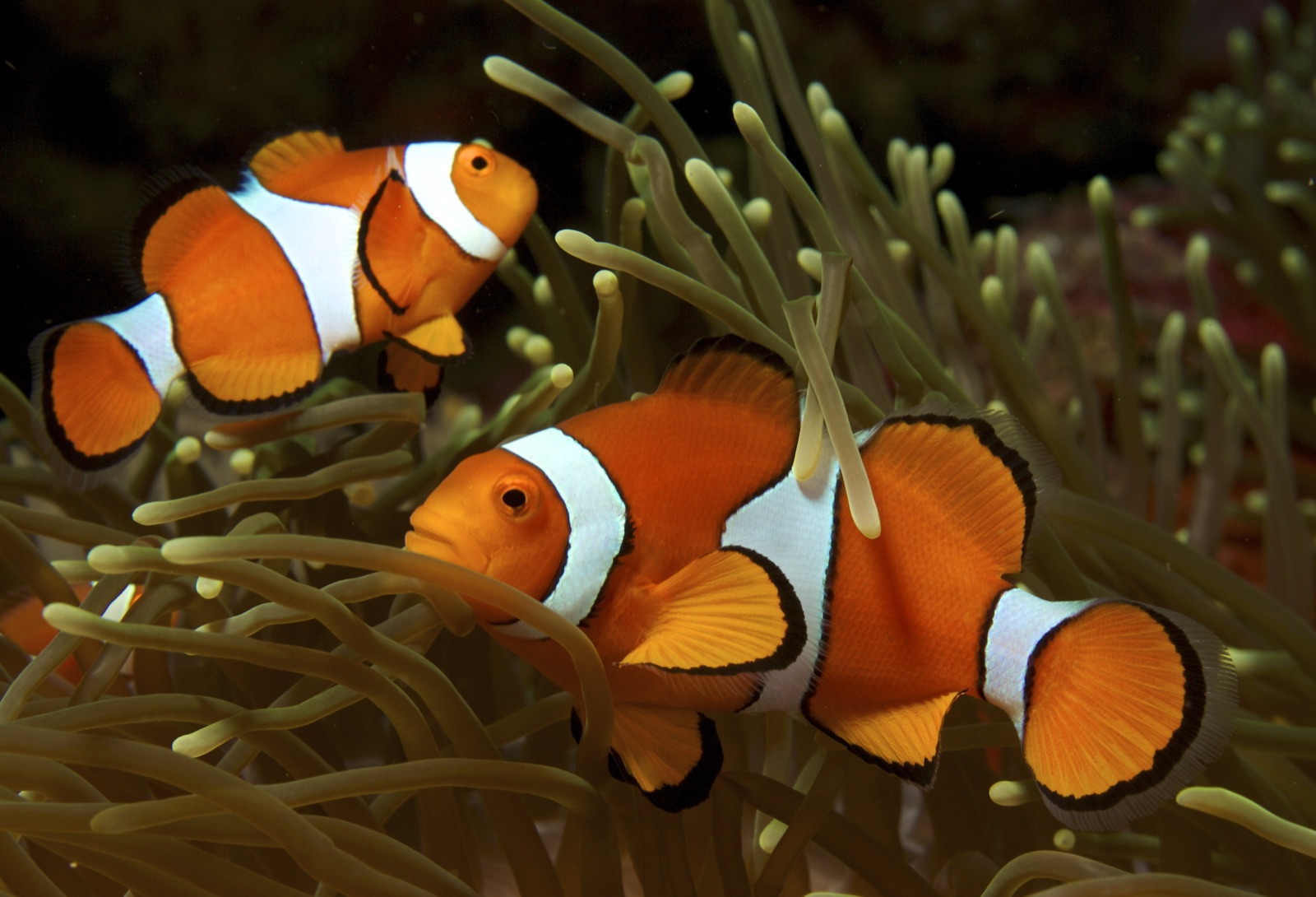
Clownfish & Anemonefish
"Charted here" species were listed by our editors from the sources on this page. Counts are GBIF occurrence records: observations logged within about 5 km of the charted position since 1990, matched only against the species in our catalogue. They show what has been seen there, not a promise of what you will see.
For photographers
Wide angle: ★★☆☆☆ · Macro: ★★★★★ (editors' 1–5 rating of what this site gives each style of shooting)