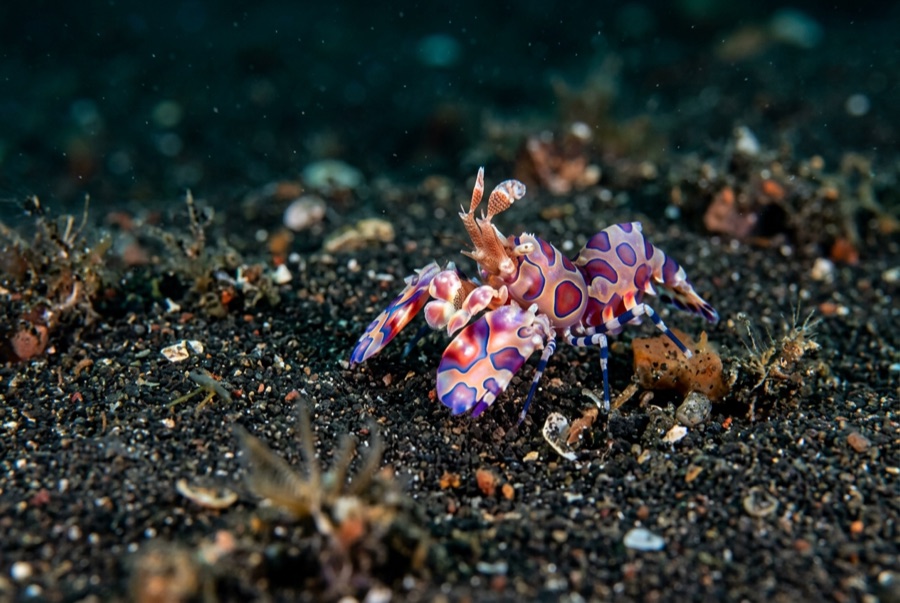
Samarai Wharf
Die Tiefe gibt den Bereich von der Oberkante des Tauchplatzes bis zur üblichen Maximaltiefe an; „empfohlene Zertifizierung" ist das von Anbietern üblicherweise geforderte Mainstream-Agenturniveau – keine gesetzliche Vorschrift. Strömungen und Sichtweite ändern sich täglich – behandle alle Angaben hier als Planungsbereiche.
Samarai was once a thriving colonial port, and its long wharf has spent the decades since converting harbor junk into habitat. Pilings wear sponges and soft corals like upholstery; the rubble below hides mandarinfish that rise to court at dusk, frogfish wedged among bottles and cable, ribbon eels, and squadrons of striped catfish sweeping the silt. Batfish circle the structure in loose formation. The China Strait's tide keeps everything fed and demands the schedule be respected. It is a classic pier dive (history overhead, oddities below), and dusk here, waiting on the mandarinfish, is a Milne Bay ritual.
Der Moment, für den du kommst: Mandarinfish courtship at dusk; piling growth and glassfish; a working museum of port-town debris turned reef.
Topografie: Wharf pilings, sunken debris, and silty rubble from a century of harbor life
Strömung: The China Strait funnels tide past the island; dives run at slack or on the gentle phase.
Einstieg: Dived beside the old island wharf in the China Strait; timed around the strait's tides.
Was du wissen solltest, bevor du ins Wasser gehst
Gefahren: Tidal current in the strait; sharp metal and glass in the rubble; low visibility on the wrong tide.
Naturschutz: The wharf is village front yard as much as dive site: courtesy ashore, no artifact collecting below.
Wen du triffst
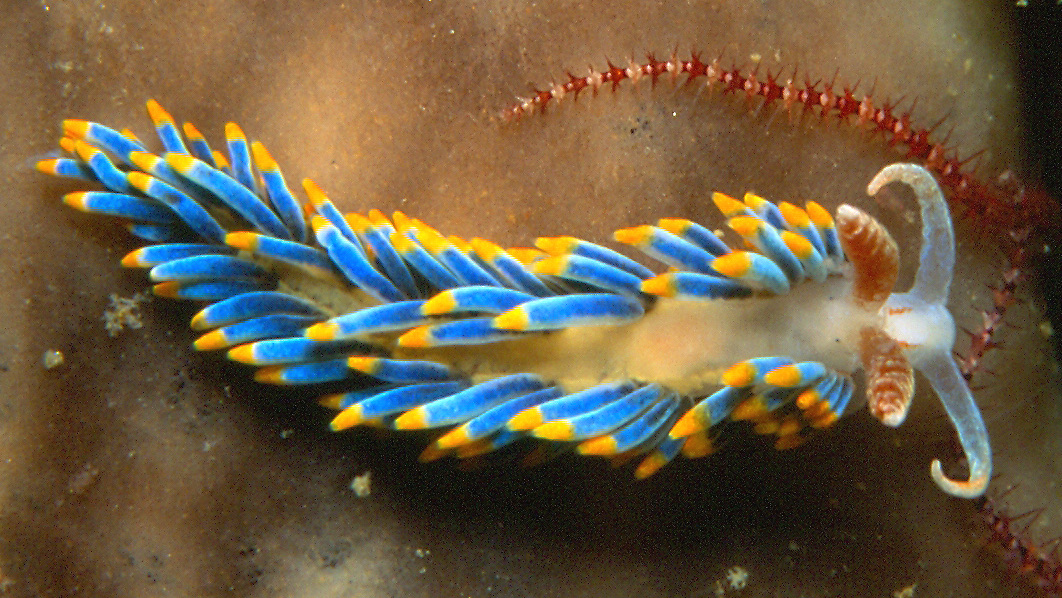
Nudibranchs
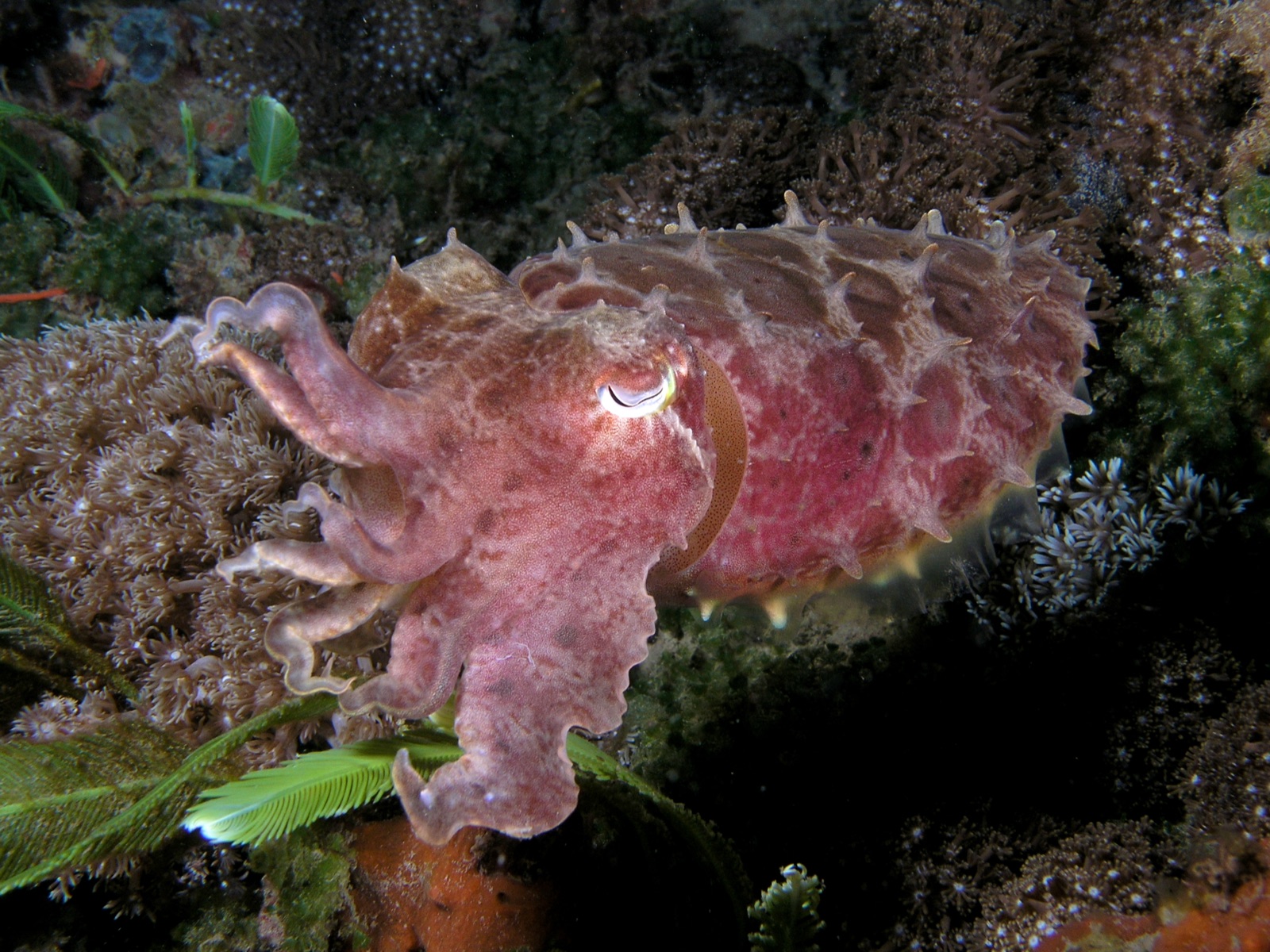
Broadclub Cuttlefish
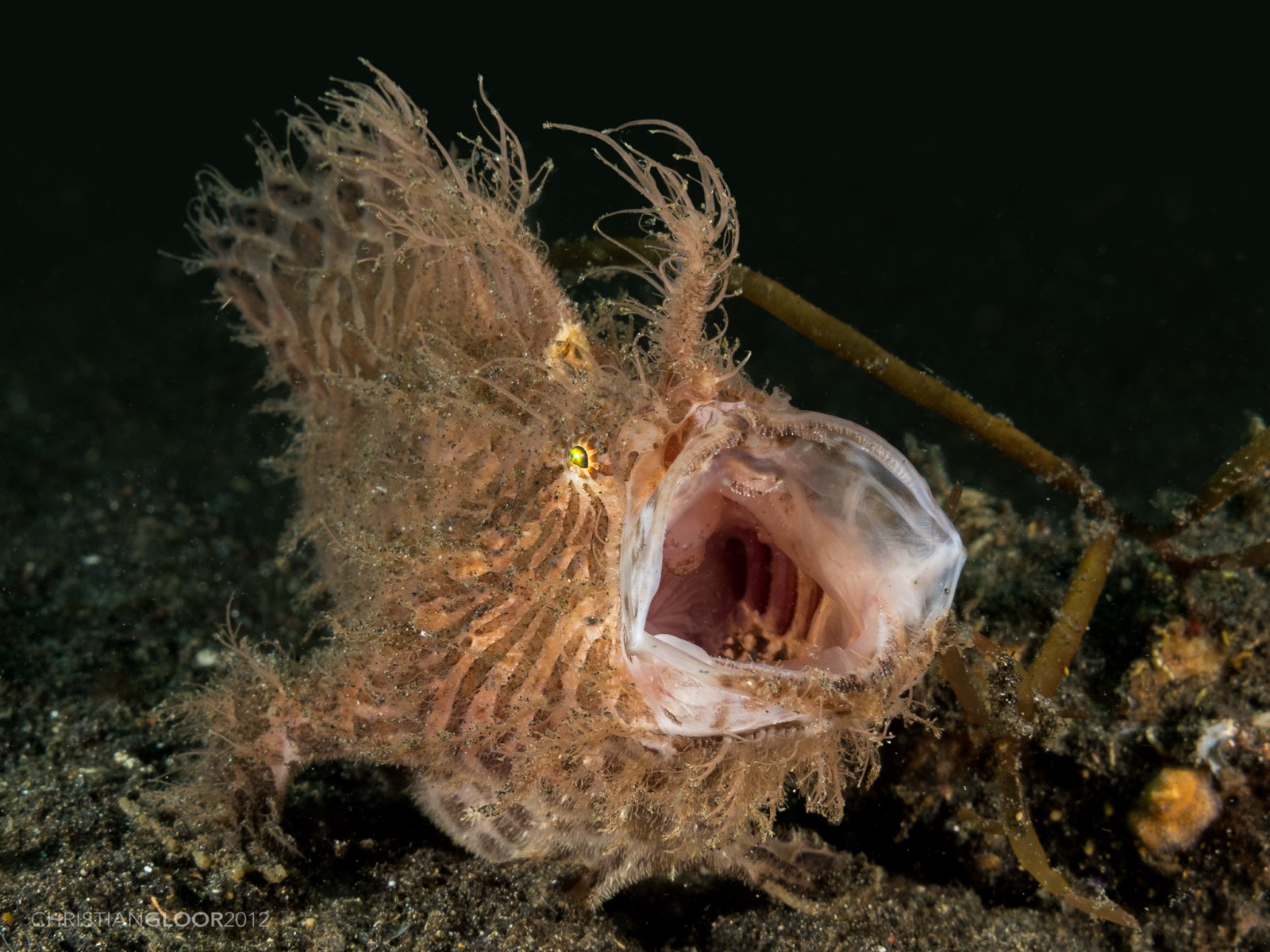
Frogfish
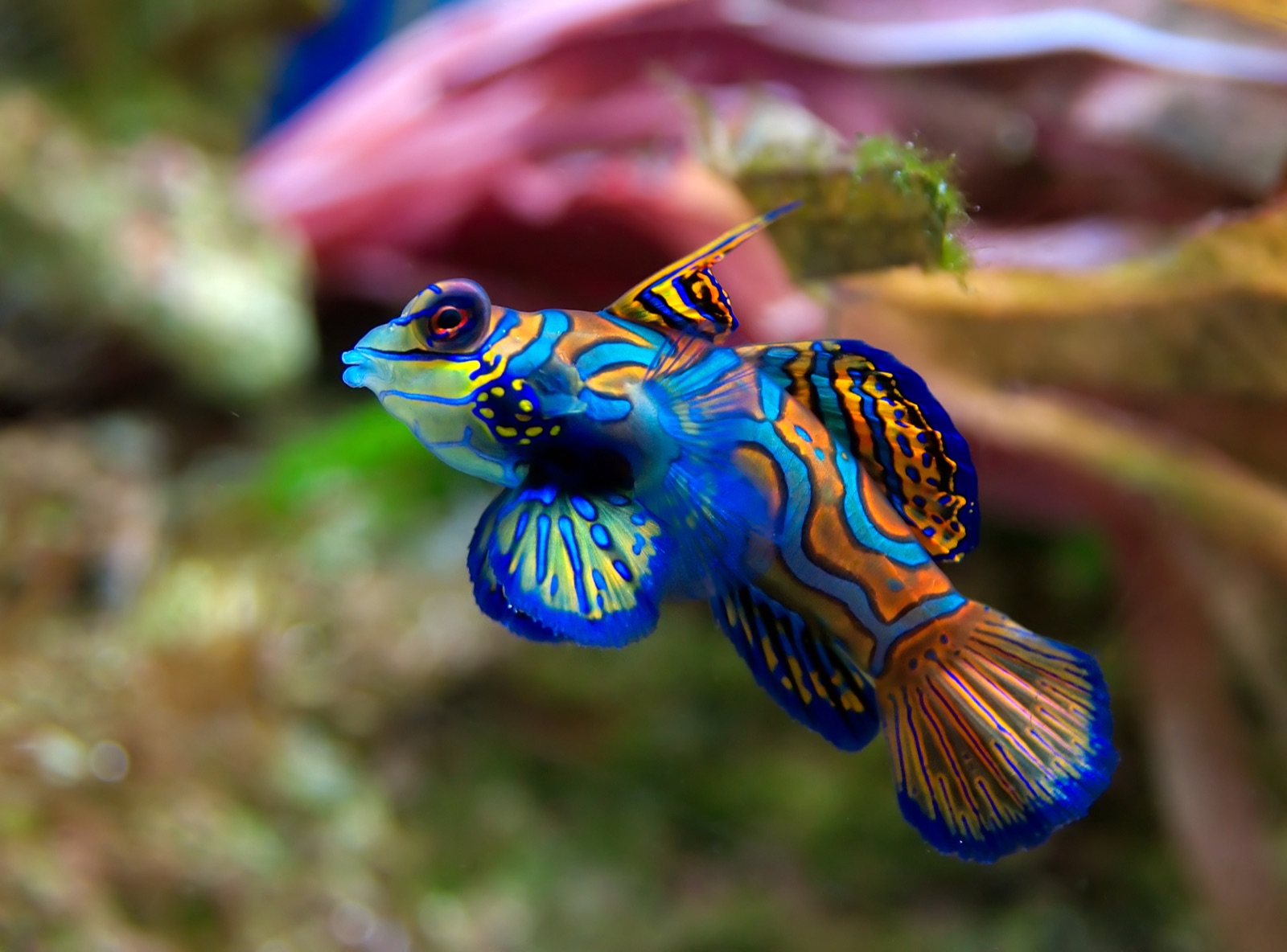
Mandarinfish
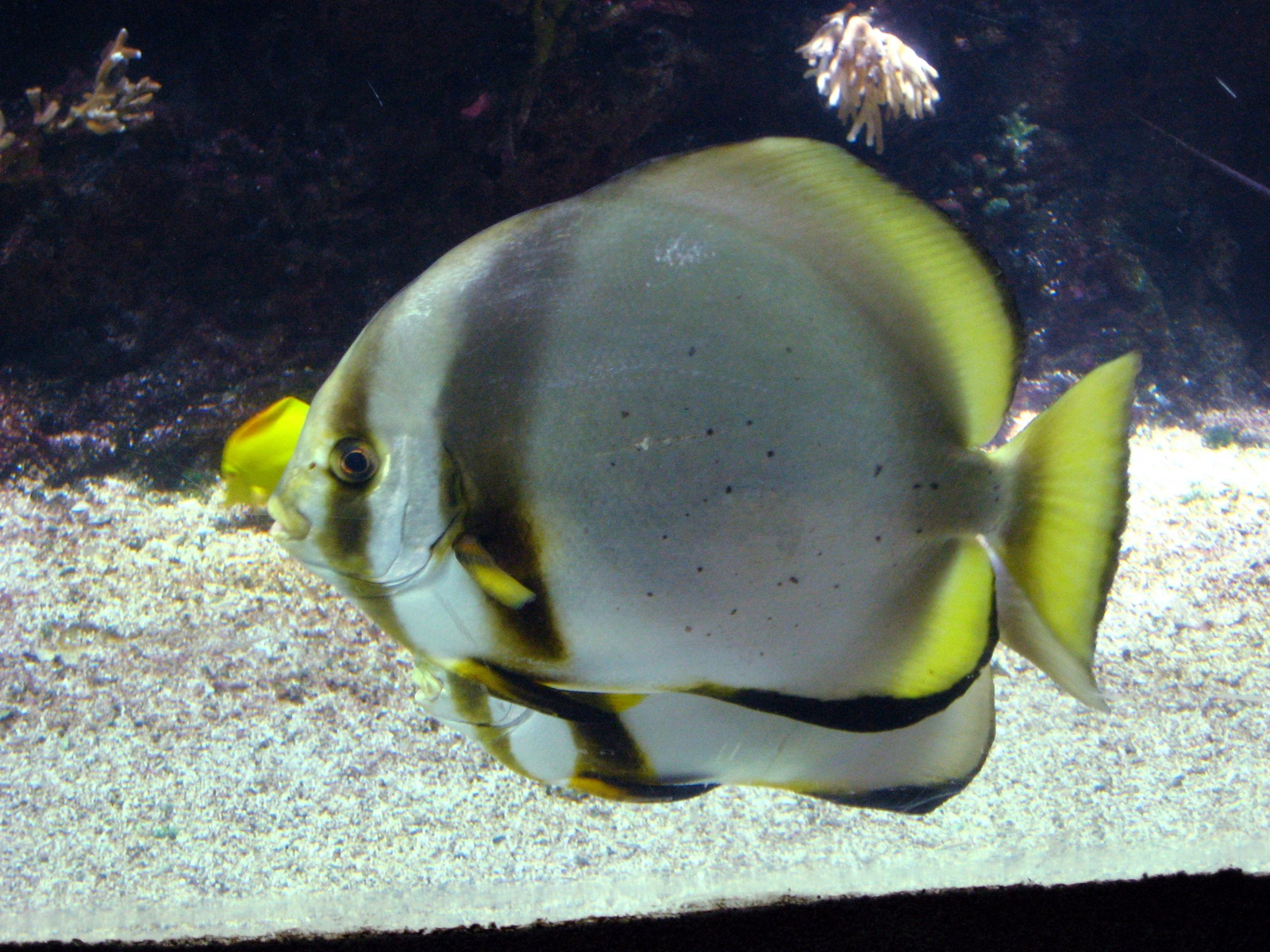
Pinnate Batfish
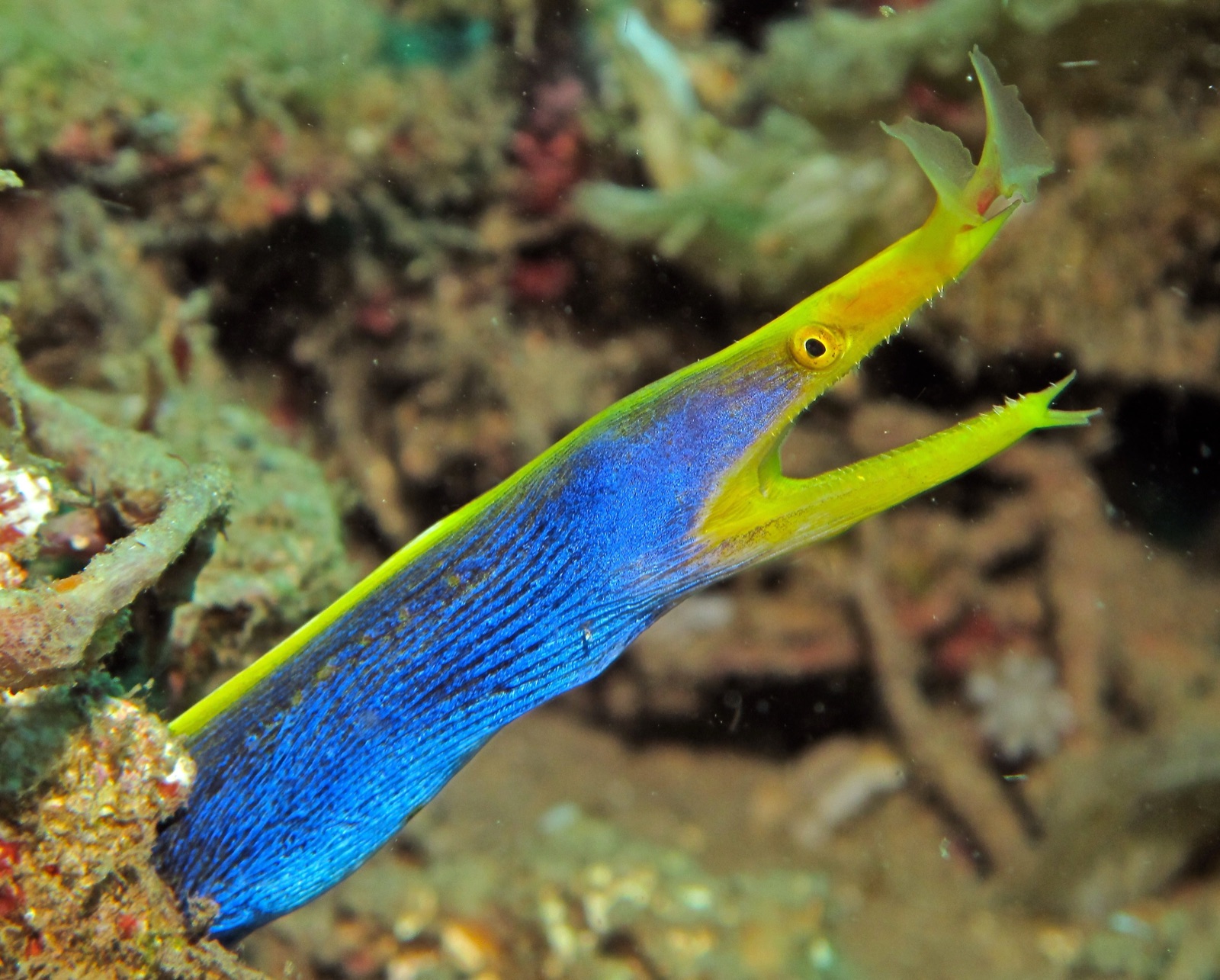
Ribbon Eel
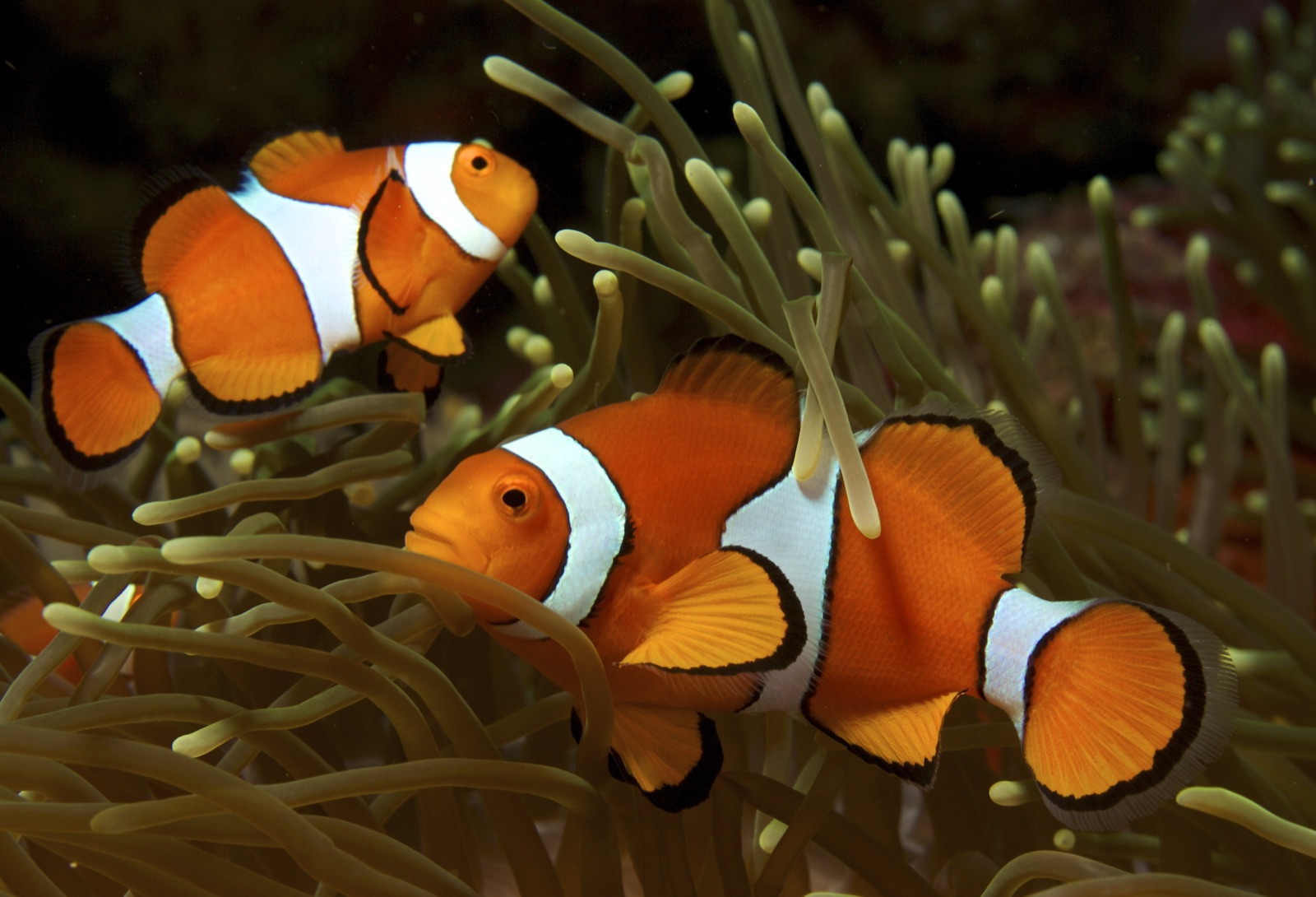
Clownfish & Anemonefish
„Hier kartiert" – Arten wurden von unseren Redakteuren anhand der Quellen auf dieser Seite erfasst. Die Zahlen sind GBIF-Vorkommensdatensätze: Beobachtungen, die seit 1990 im Umkreis von etwa 5 km um die kartierte Position protokolliert wurden, ausschließlich abgeglichen mit den Arten in unserem Katalog. Sie zeigen, was dort gesichtet wurde – keine Garantie, was du sehen wirst.
Für Fotografen
Weitwinkel: ★★★☆☆ · Makro: ★★★★★ (Redaktionelle 1–5-Bewertung, was dieser Platz für jeden Fotografie-Stil bietet)