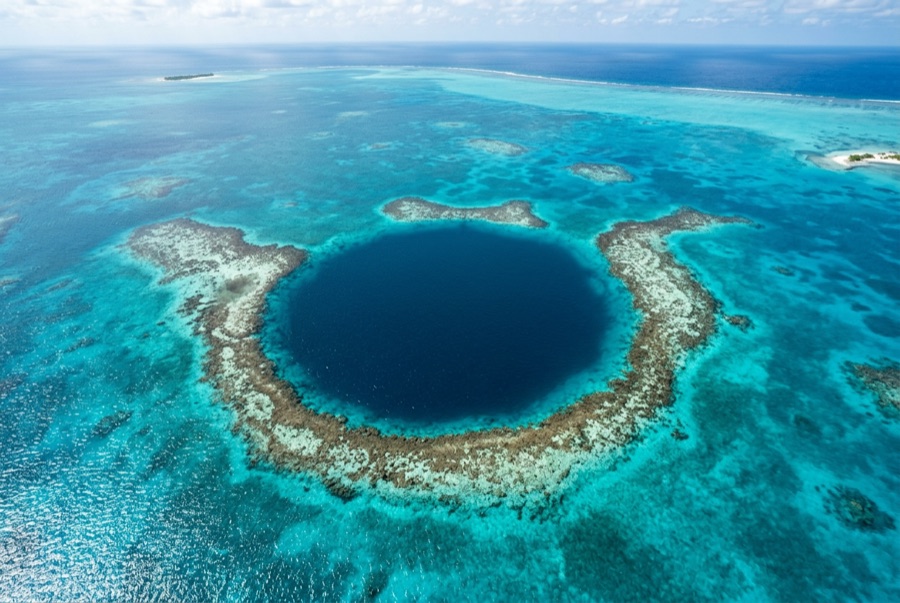
Blue Holes
Die Tiefe gibt den Bereich von der Oberkante des Tauchplatzes bis zur üblichen Maximaltiefe an; „empfohlene Zertifizierung" ist das von Anbietern üblicherweise geforderte Mainstream-Agenturniveau – keine gesetzliche Vorschrift. Strömungen und Sichtweite ändern sich täglich – behandle alle Angaben hier als Planungsbereiche.
Four openings in the reef top drop into a single vaulted chamber the size of a cathedral nave, where descending divers watch their own bubbles rise through columns of blue light. The cavern's windows exit onto the outer wall around 25–30 m, and most dives drift from there along the reef toward Blue Corner, collecting sharks and turtles on the way. A side chamber known as the Temple of Doom holds the bones of turtles that lost their way; it is a genuine cave, silty and dark, and belongs only to trained cave divers with local guides.
Der Moment, für den du kommst: Light shafts through the skylights; the arched exits onto the wall; the drift continuation to Blue Corner on the right tide.
Topografie: Limestone cavern with sand and rubble floor, opening through arches onto the outer wall
Strömung: Sheltered inside; current picks up on exiting the wall toward Blue Corner.
Einstieg: Drop through one of four skylights in the reef flat, a few meters deep, into the shared cavern below.
Was du wissen solltest, bevor du ins Wasser gehst
Gefahren: Overhead environment by geometry even where light remains visible; do not enter the Temple of Doom side cave without cave training and a guide.
Naturschutz: Buoyancy discipline protects both the cavern walls and the divers below you in the light column.
Nitrox: Hier lohnt es sich – die Profile liegen in einem Bereich, in dem Nitrox die Nullzeiten spürbar verlängert (mit der entsprechenden Ausbildung).
Wen du triffst
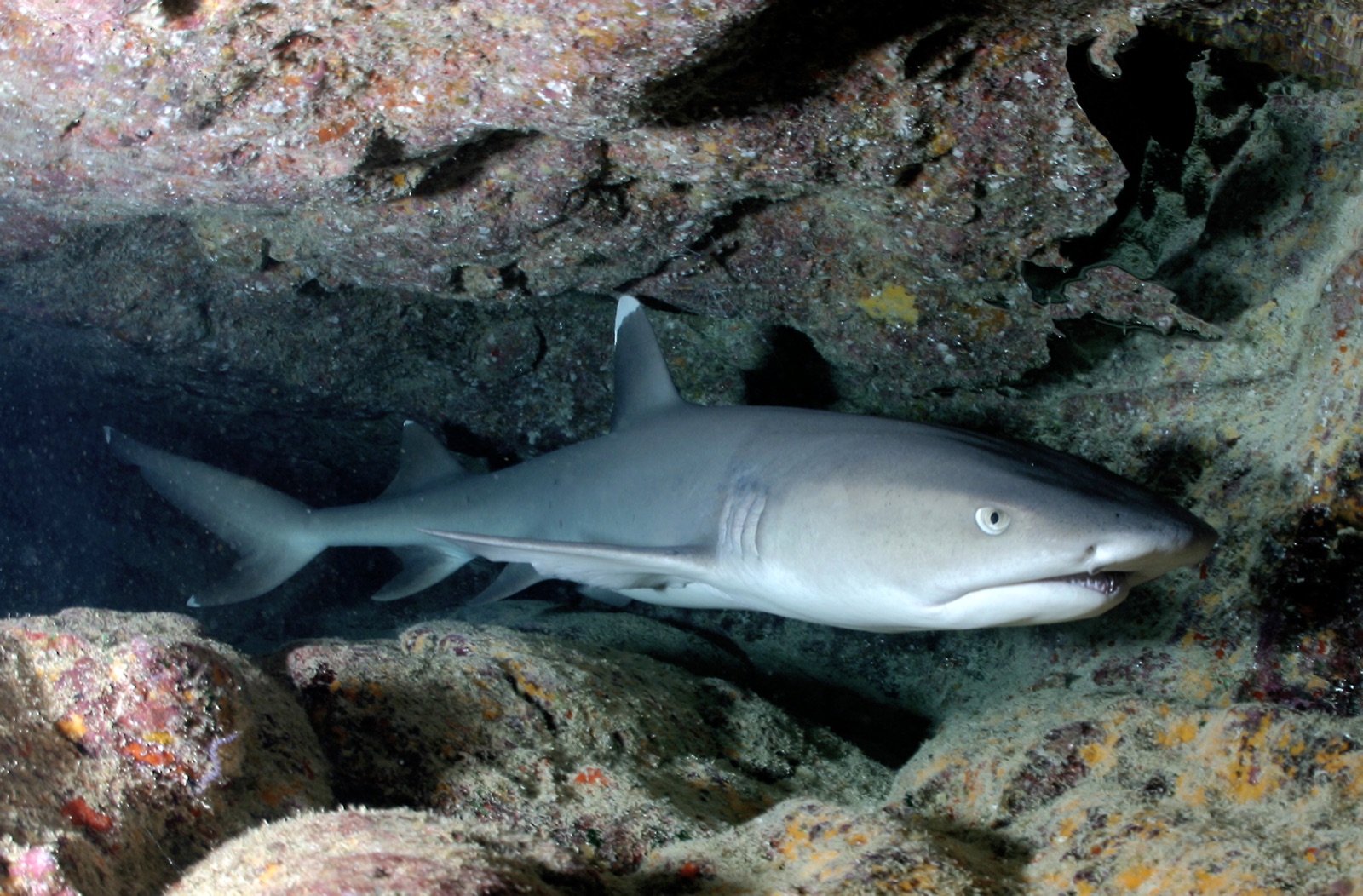
Whitetip Reef Shark
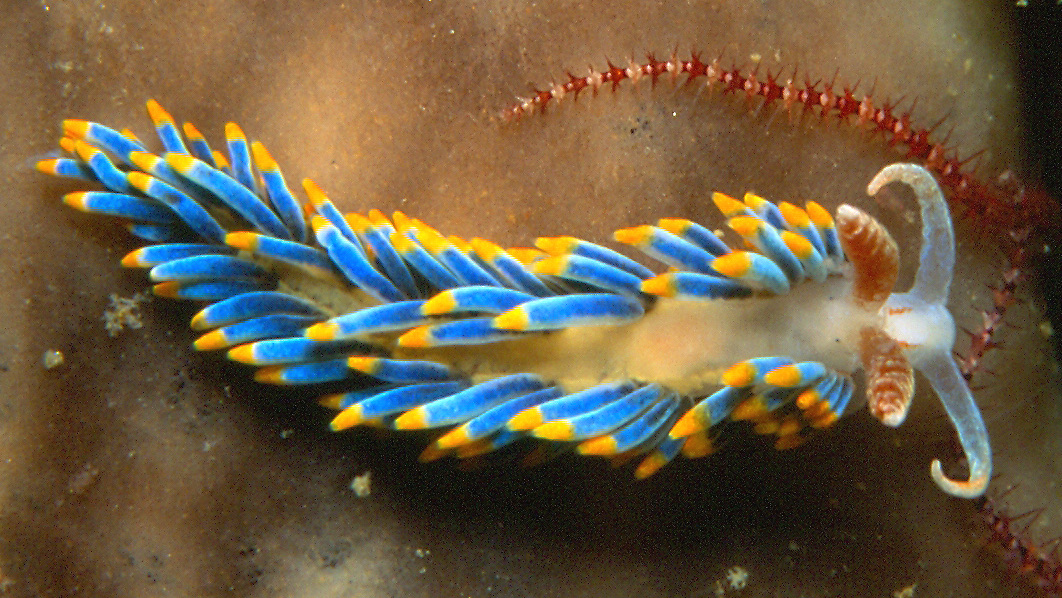
Nudibranchs
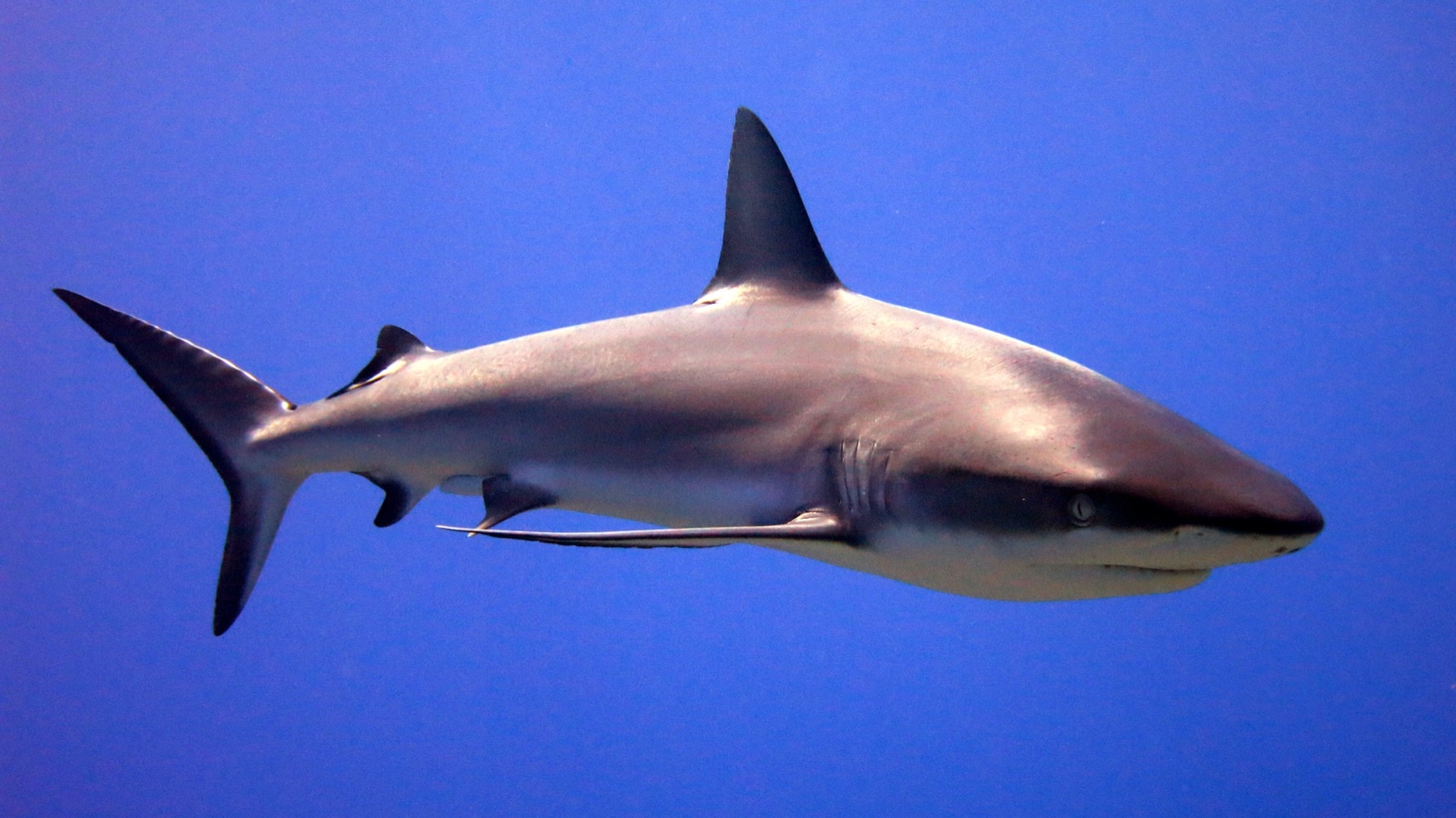
Grey Reef Shark
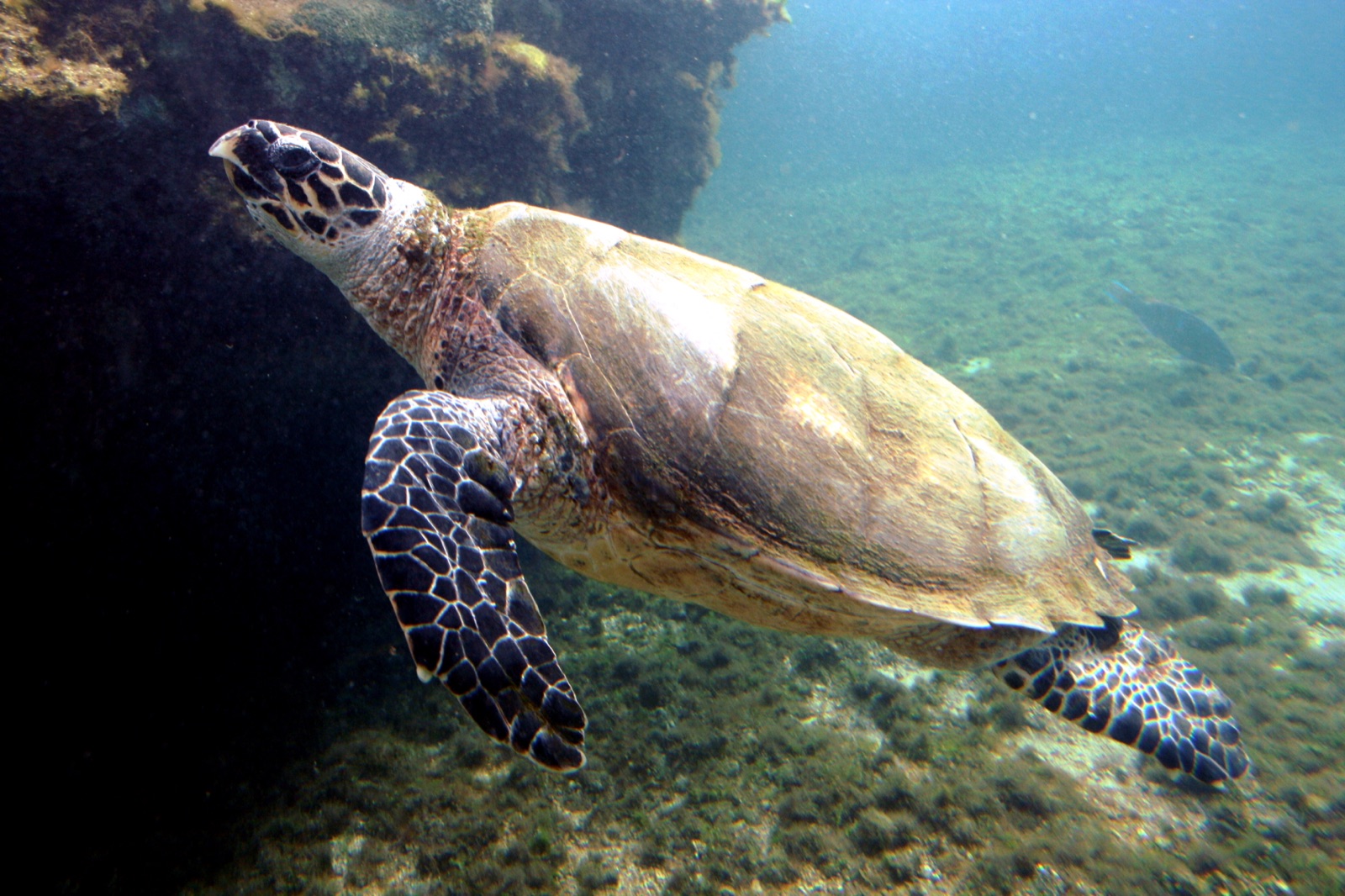
Hawksbill Turtle
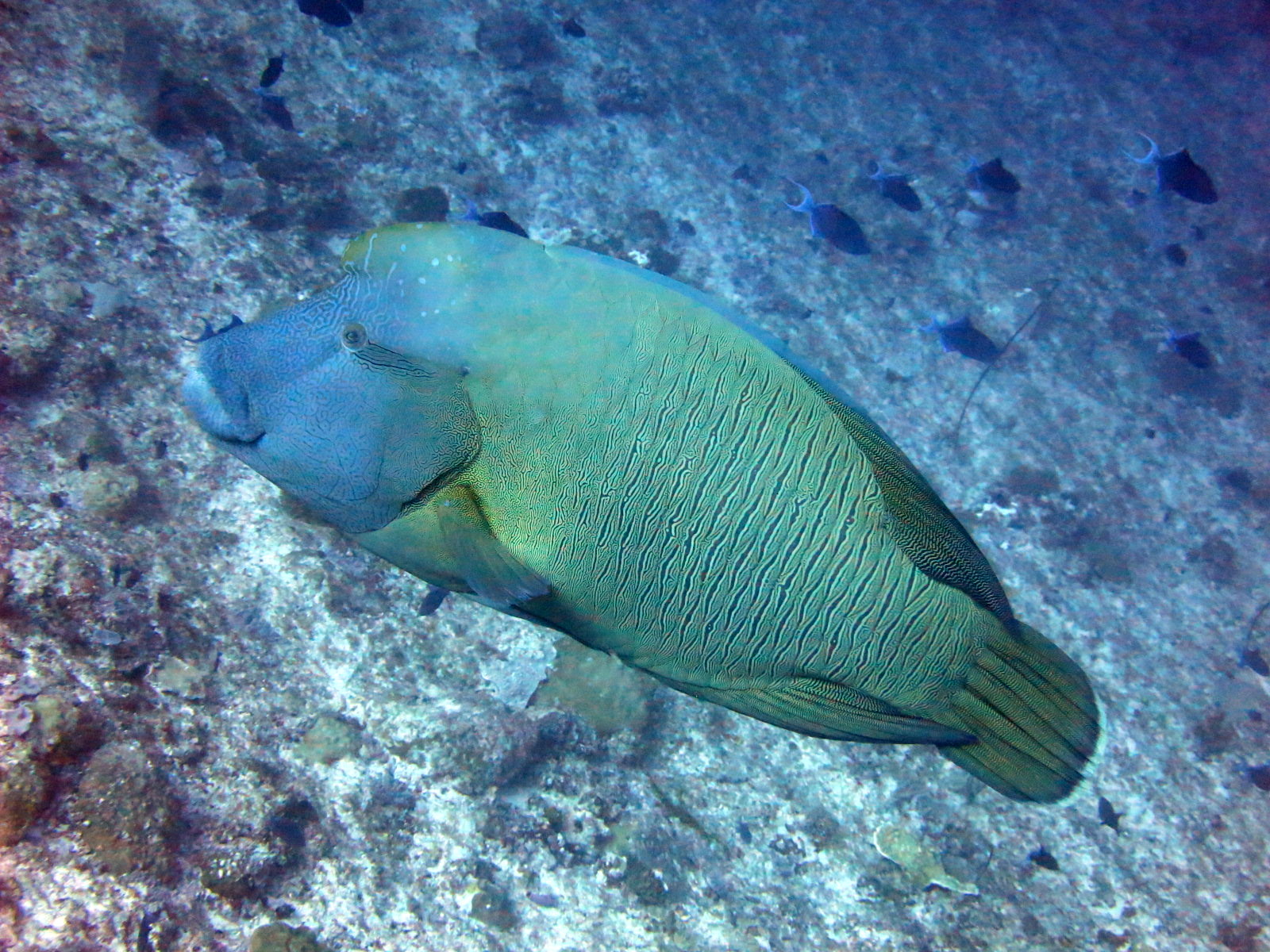
Napoleon (Humphead) Wrasse
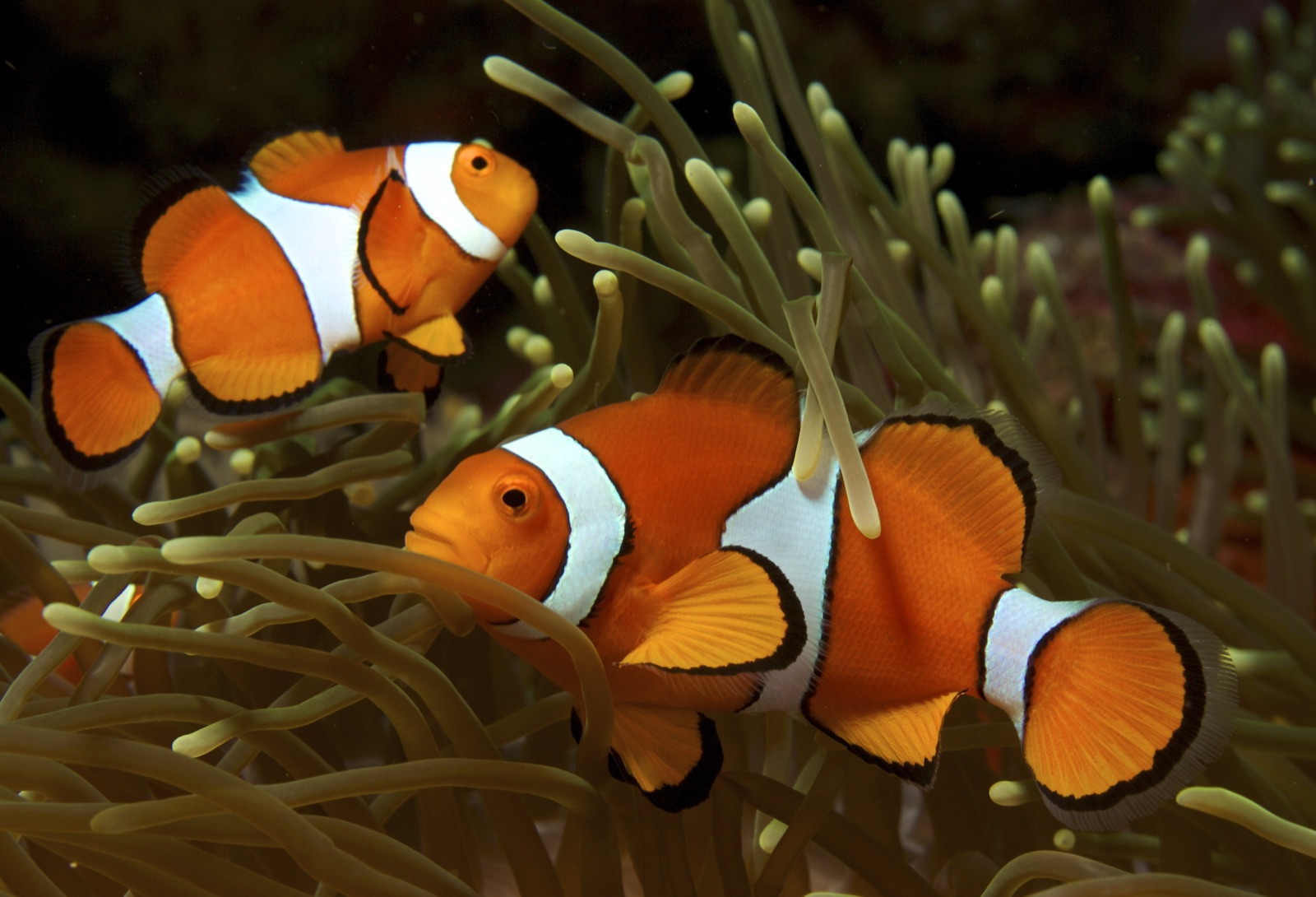
Clownfish & Anemonefish
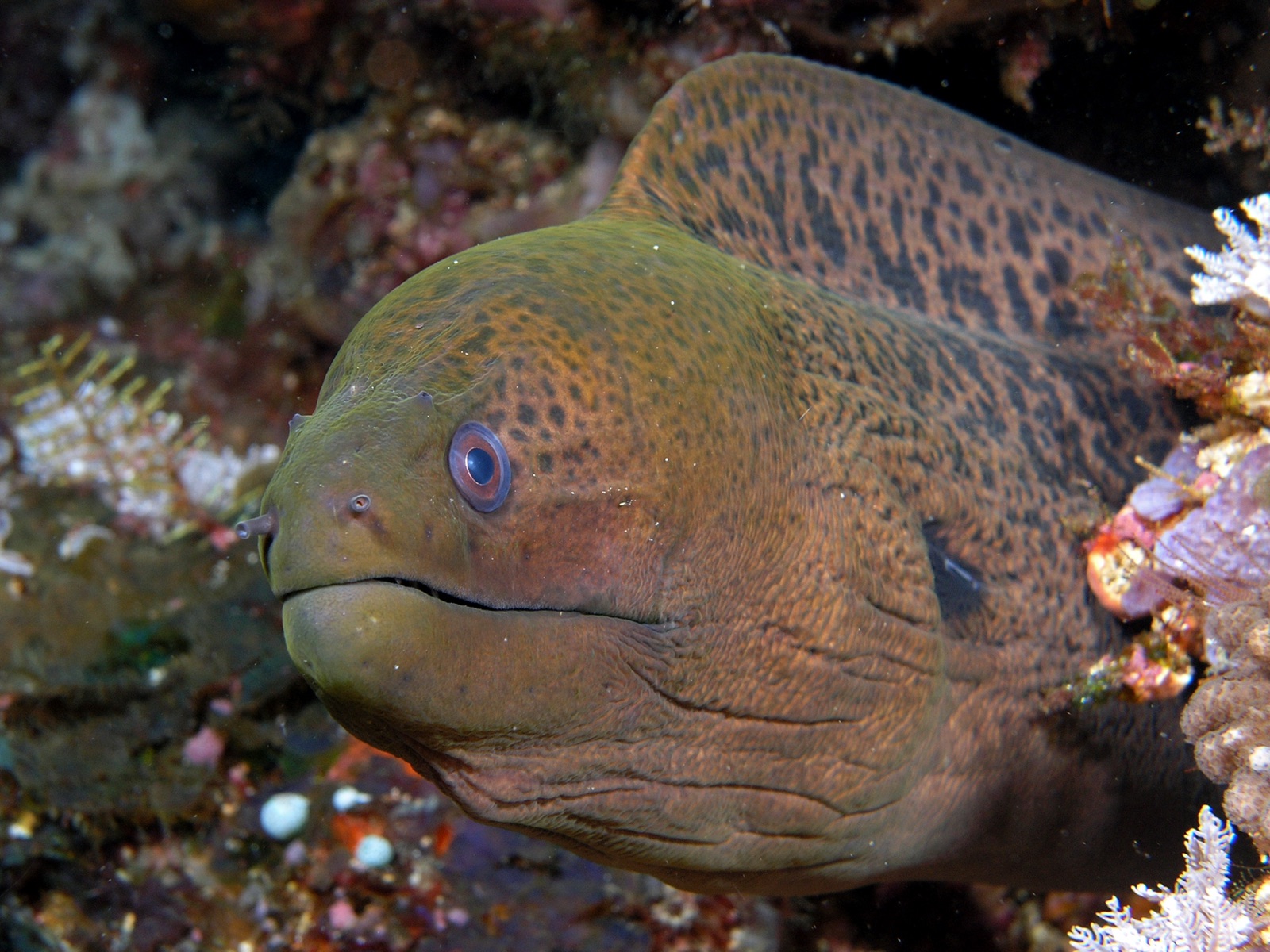
Giant Moray Eel
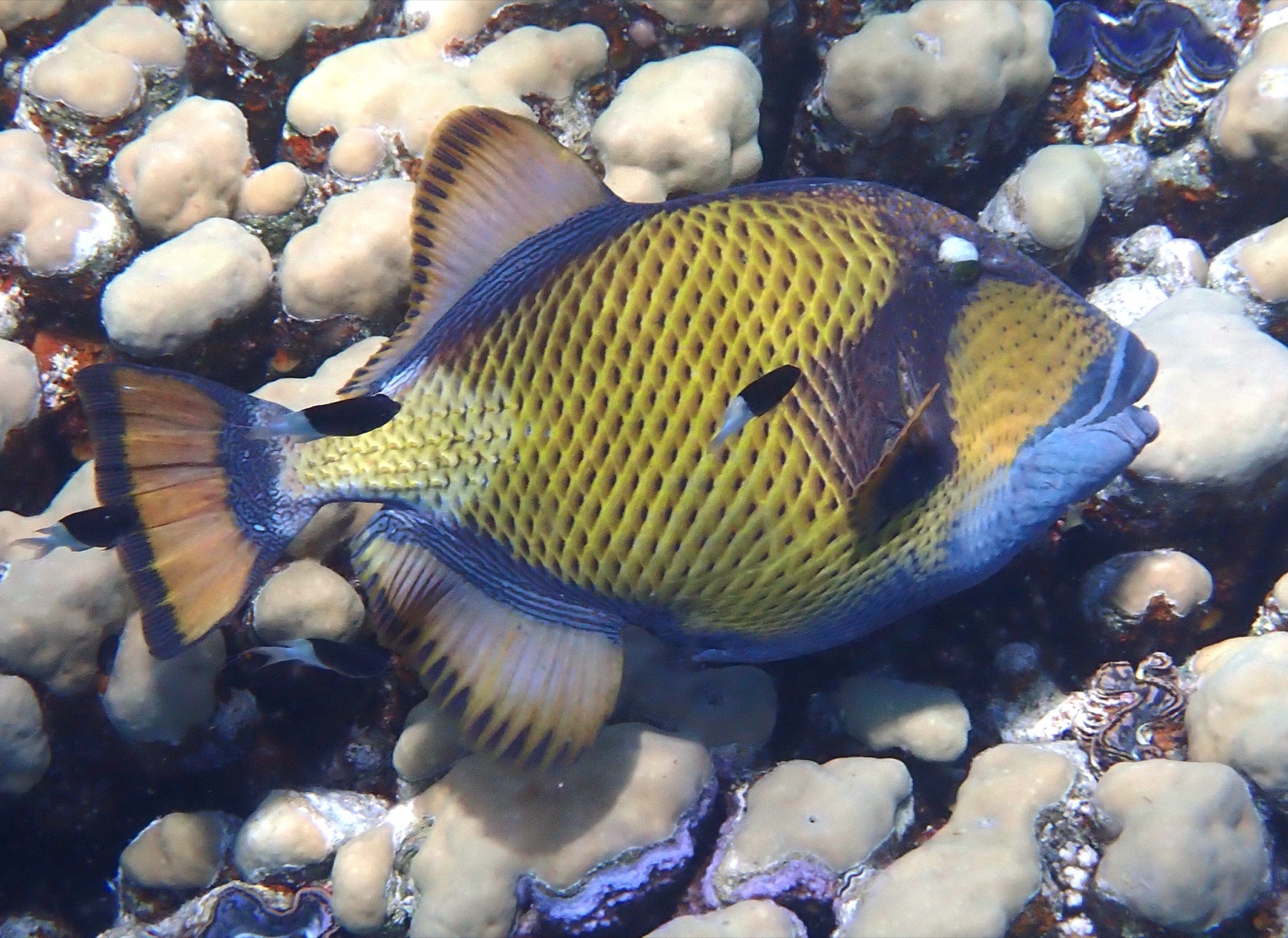
Titan Triggerfish
Auch in der Nähe nachgewiesen
„Hier kartiert" – Arten wurden von unseren Redakteuren anhand der Quellen auf dieser Seite erfasst. Die Zahlen sind GBIF-Vorkommensdatensätze: Beobachtungen, die seit 1990 im Umkreis von etwa 5 km um die kartierte Position protokolliert wurden, ausschließlich abgeglichen mit den Arten in unserem Katalog. Sie zeigen, was dort gesichtet wurde – keine Garantie, was du sehen wirst.
Für Fotografen
Weitwinkel: ★★★★★ · Makro: ★★☆☆☆ (Redaktionelle 1–5-Bewertung, was dieser Platz für jeden Fotografie-Stil bietet)