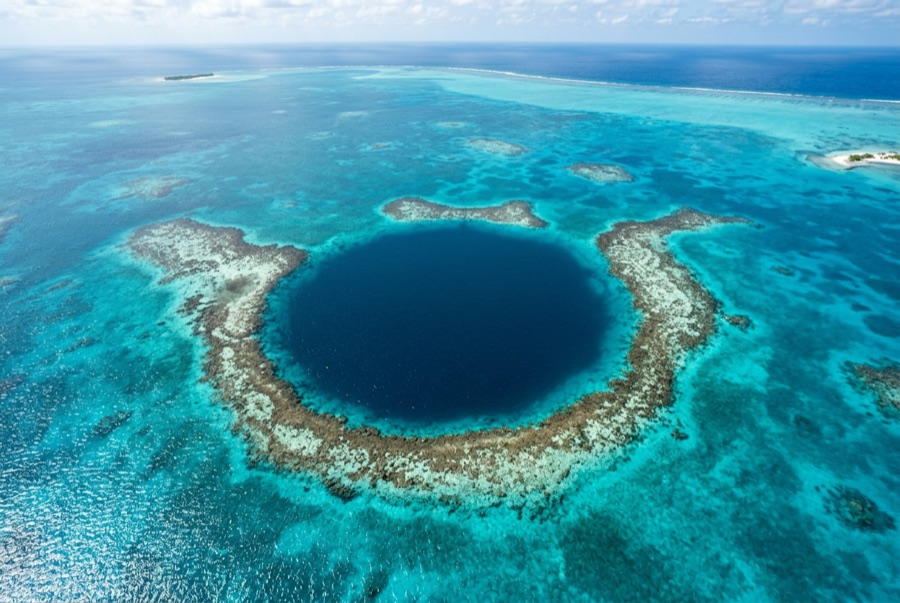
Blue Holes
La profondeur correspond à la plage allant du sommet du site jusqu'à son maximum habituel ; le « niveau recommandé » est le niveau demandé en général par les opérateurs auprès des grandes agences, pas une règle légale. Les courants et la visibilité varient chaque jour, traitez donc tout cela comme des plages indicatives de planification.
Four openings in the reef top drop into a single vaulted chamber the size of a cathedral nave, where descending divers watch their own bubbles rise through columns of blue light. The cavern's windows exit onto the outer wall around 25–30 m, and most dives drift from there along the reef toward Blue Corner, collecting sharks and turtles on the way. A side chamber known as the Temple of Doom holds the bones of turtles that lost their way; it is a genuine cave, silty and dark, and belongs only to trained cave divers with local guides.
Le moment pour lequel vous venez: Light shafts through the skylights; the arched exits onto the wall; the drift continuation to Blue Corner on the right tide.
Topographie: Limestone cavern with sand and rubble floor, opening through arches onto the outer wall
Courant: Sheltered inside; current picks up on exiting the wall toward Blue Corner.
Entrée: Drop through one of four skylights in the reef flat, a few meters deep, into the shared cavern below.
À savoir avant de plonger
Dangers: Overhead environment by geometry even where light remains visible; do not enter the Temple of Doom side cave without cave training and a guide.
Conservation: Buoyancy discipline protects both the cavern walls and the divers below you in the light column.
Nitrox: Pertinent ici : les profils se situent dans la plage où le nitrox prolonge significativement le temps sans palier (avec la formation pour l'utiliser).
Qui vous croiserez
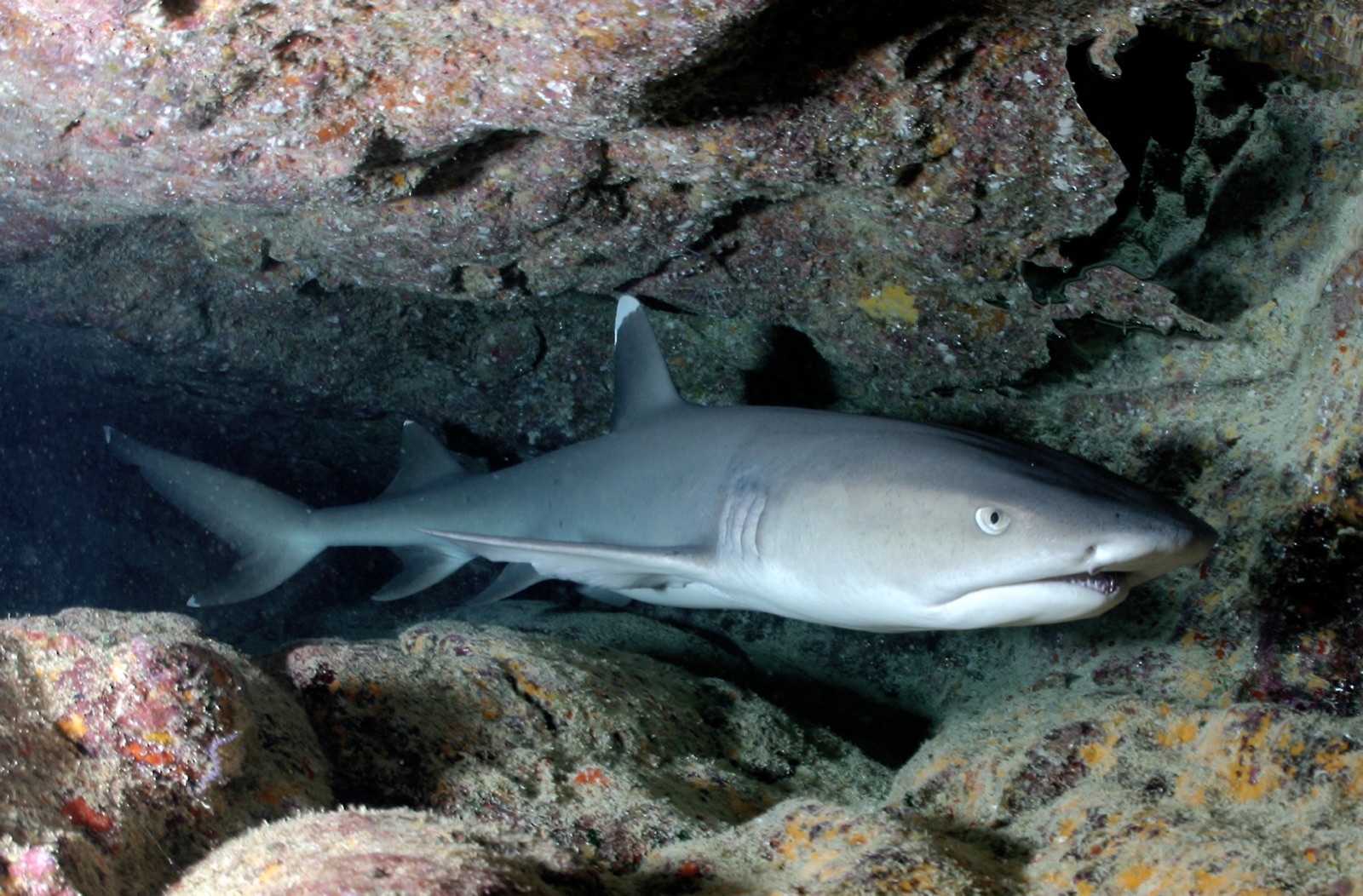
Whitetip Reef Shark
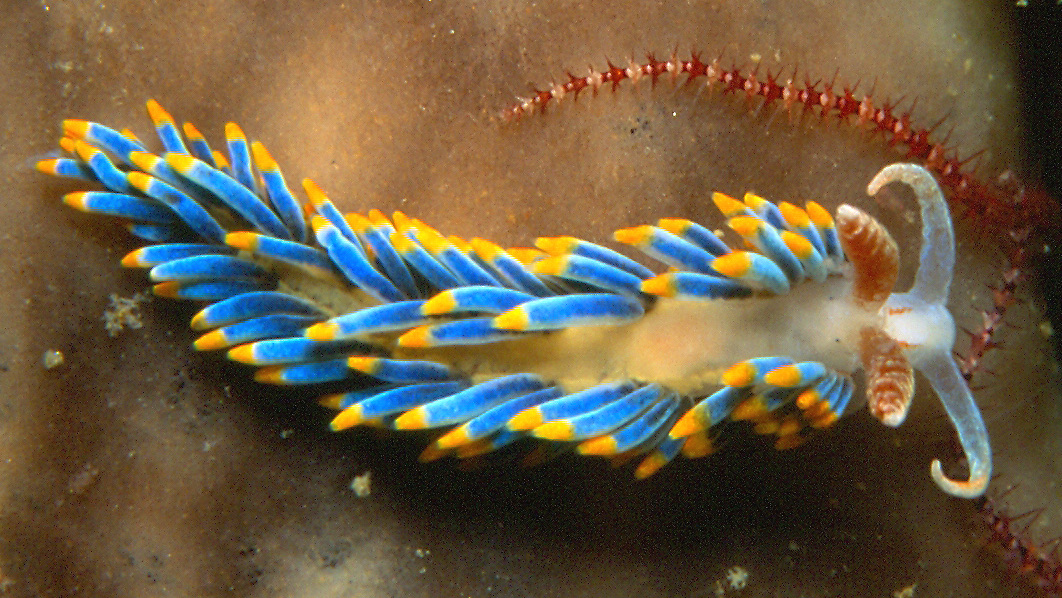
Nudibranchs
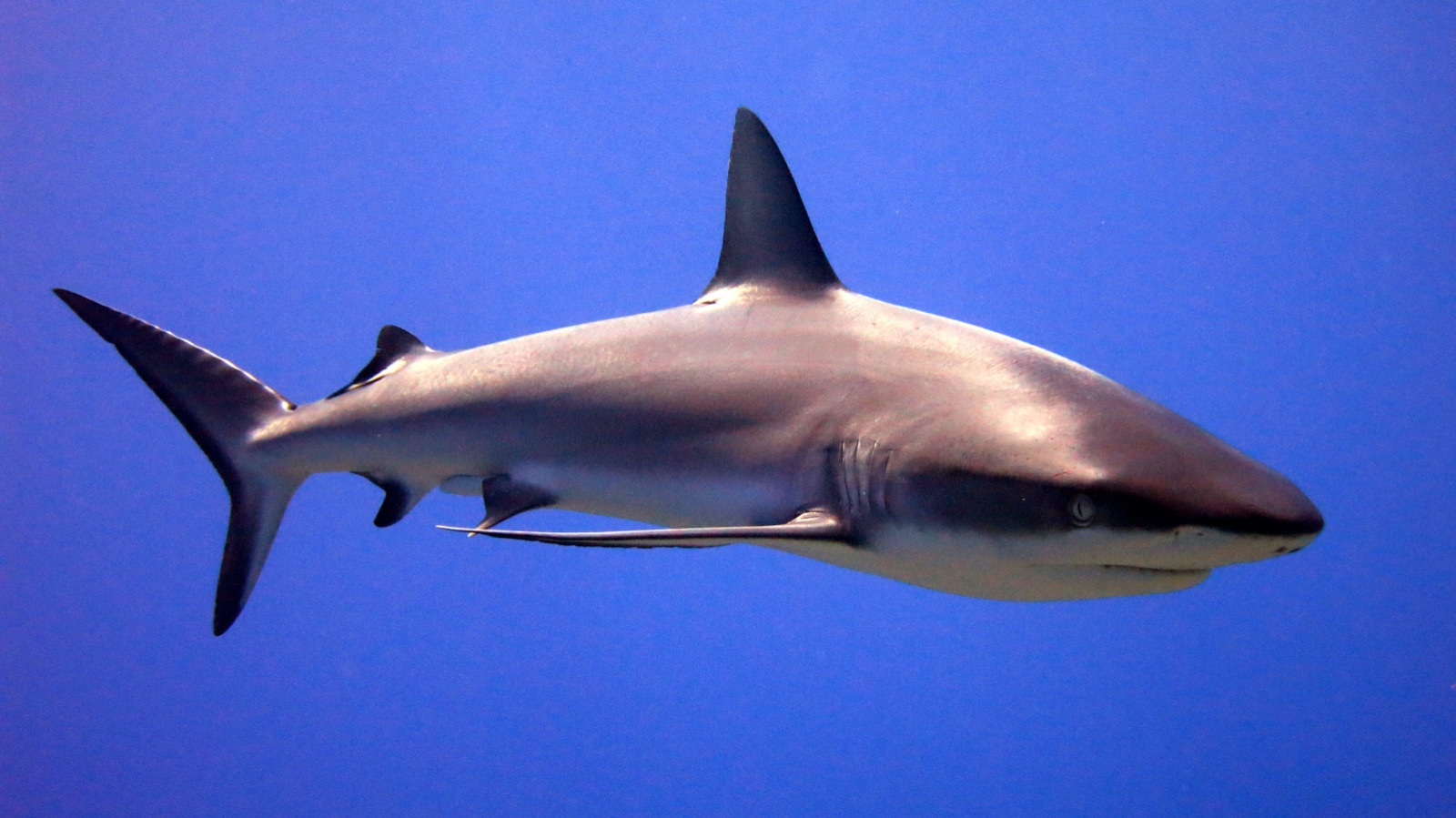
Grey Reef Shark
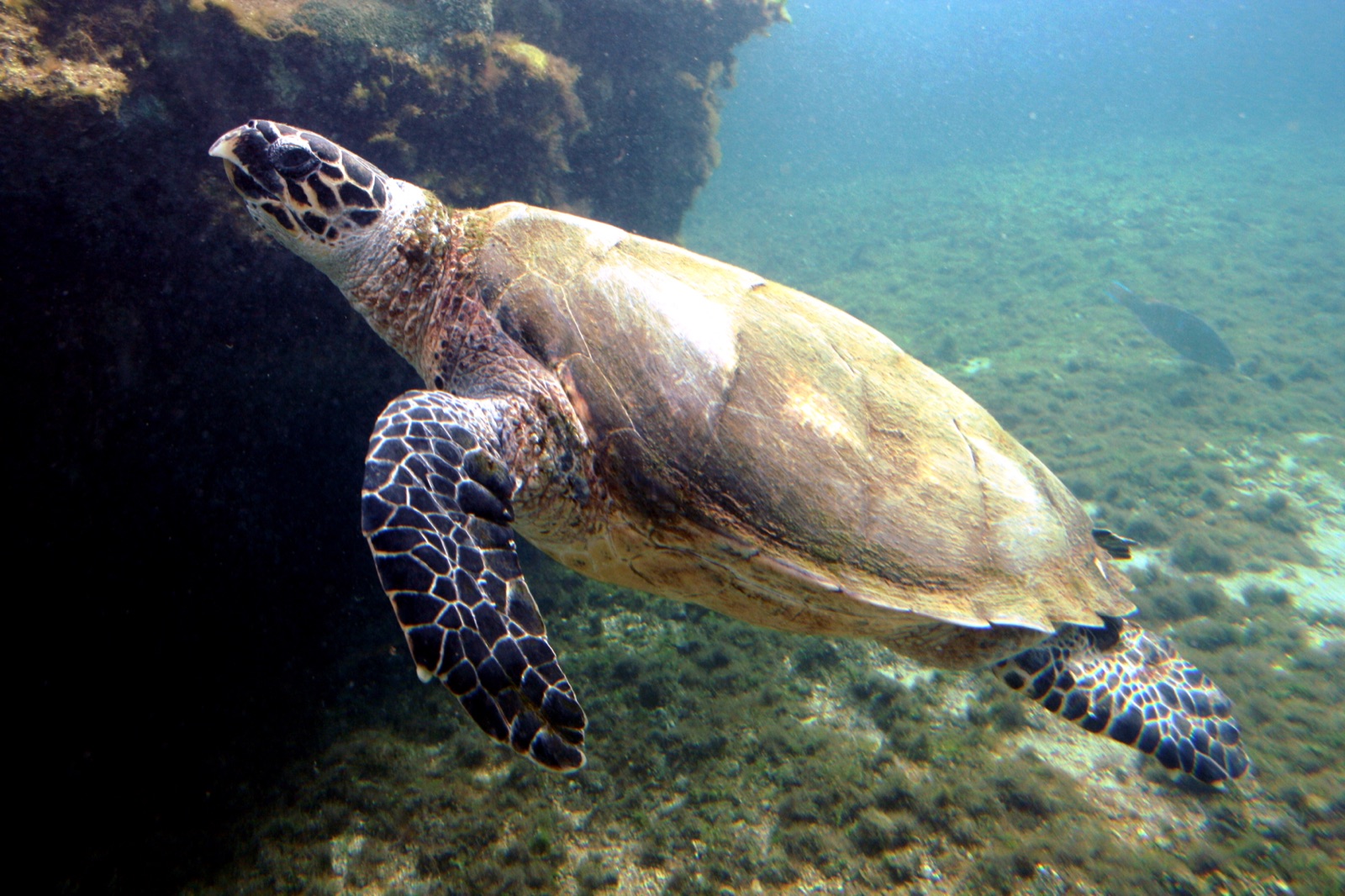
Hawksbill Turtle
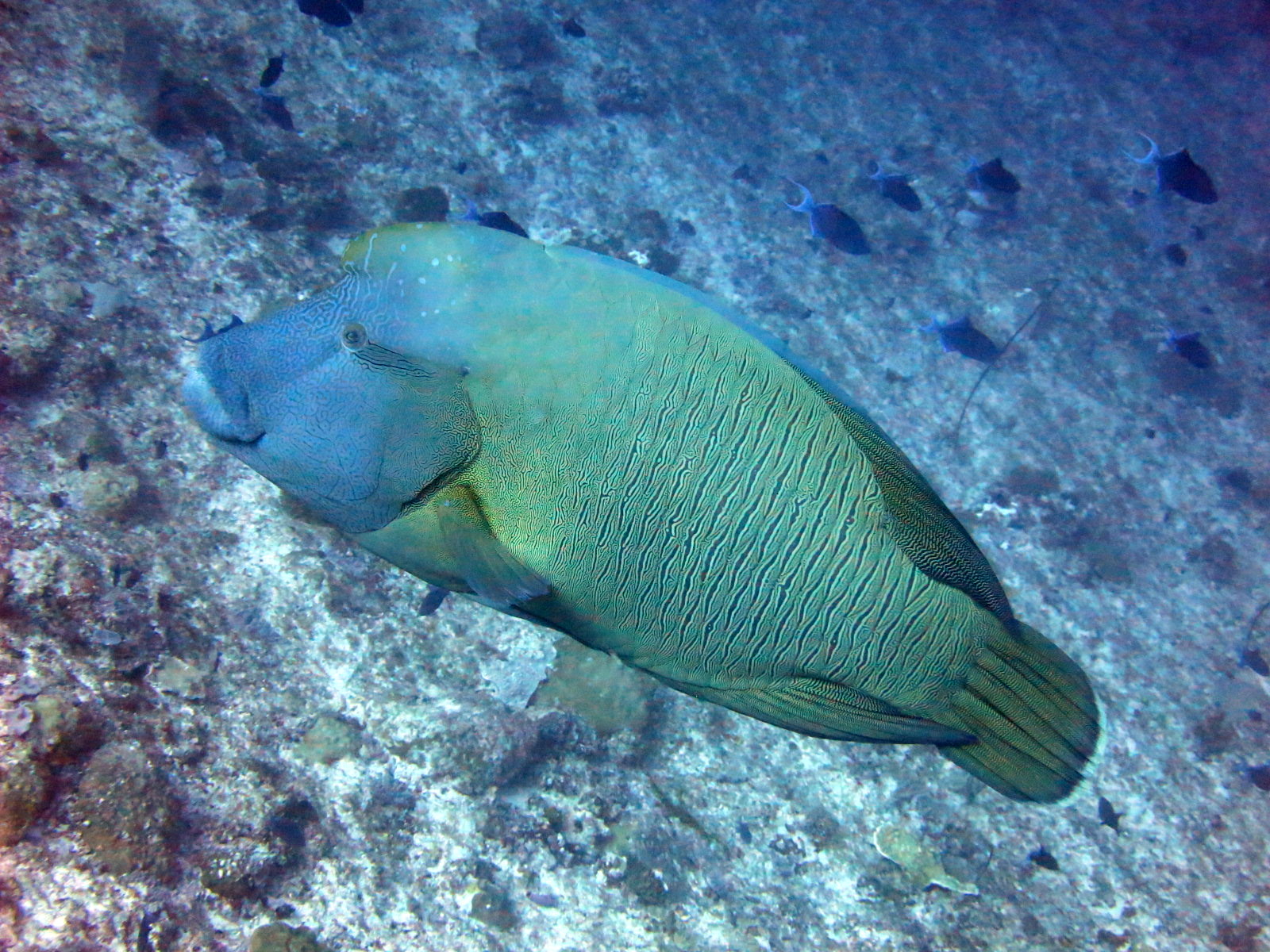
Napoleon (Humphead) Wrasse
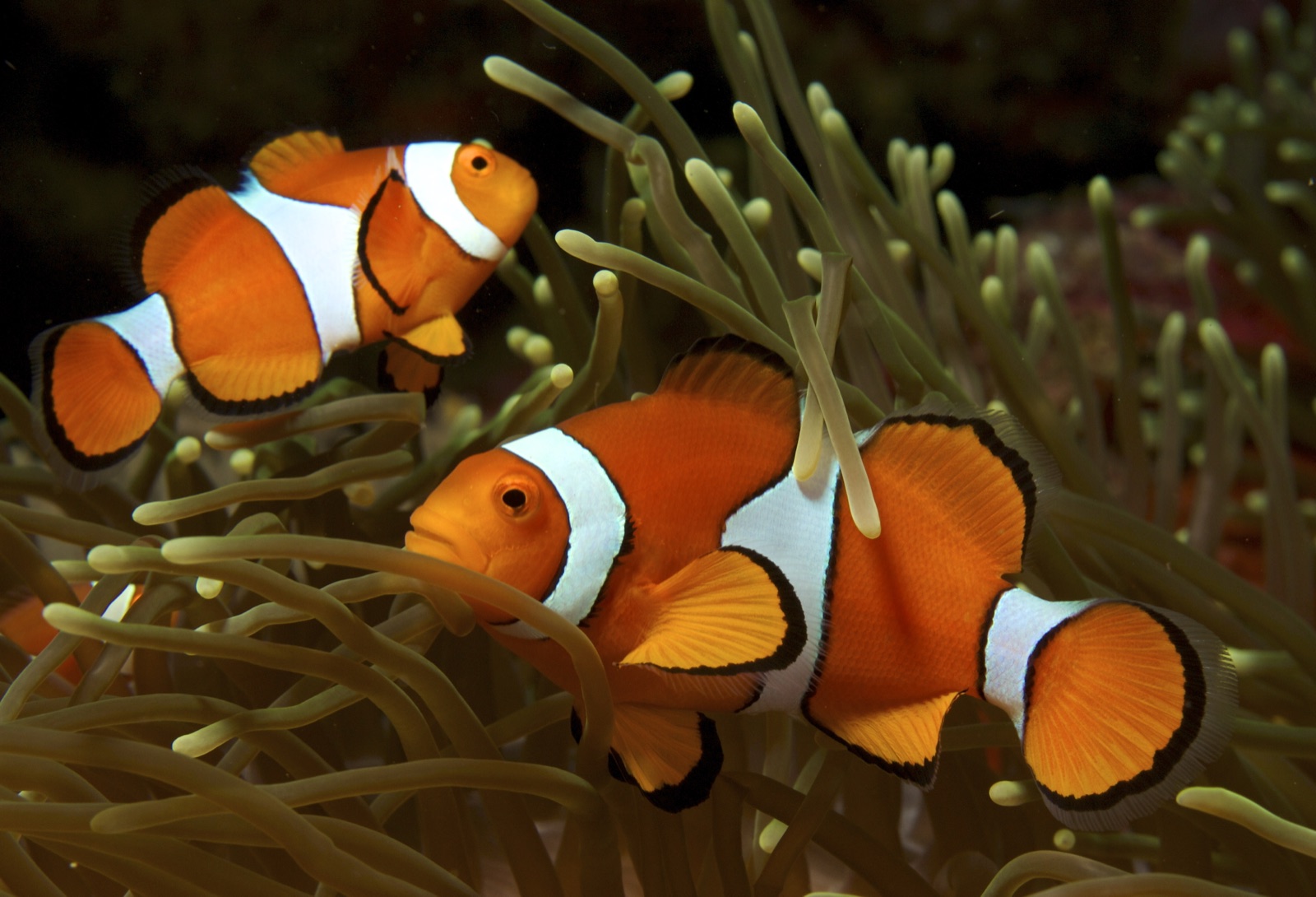
Clownfish & Anemonefish
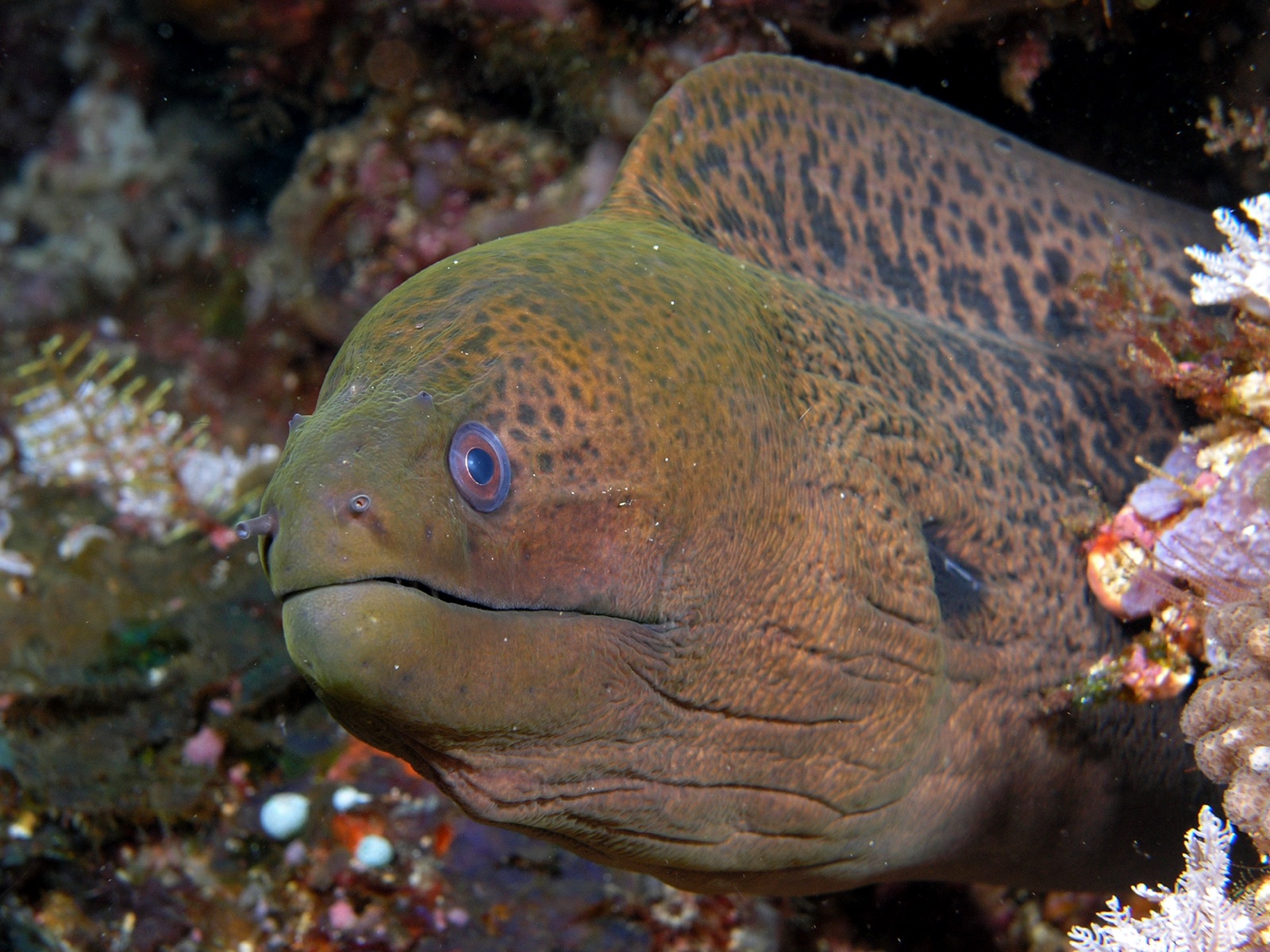
Giant Moray Eel
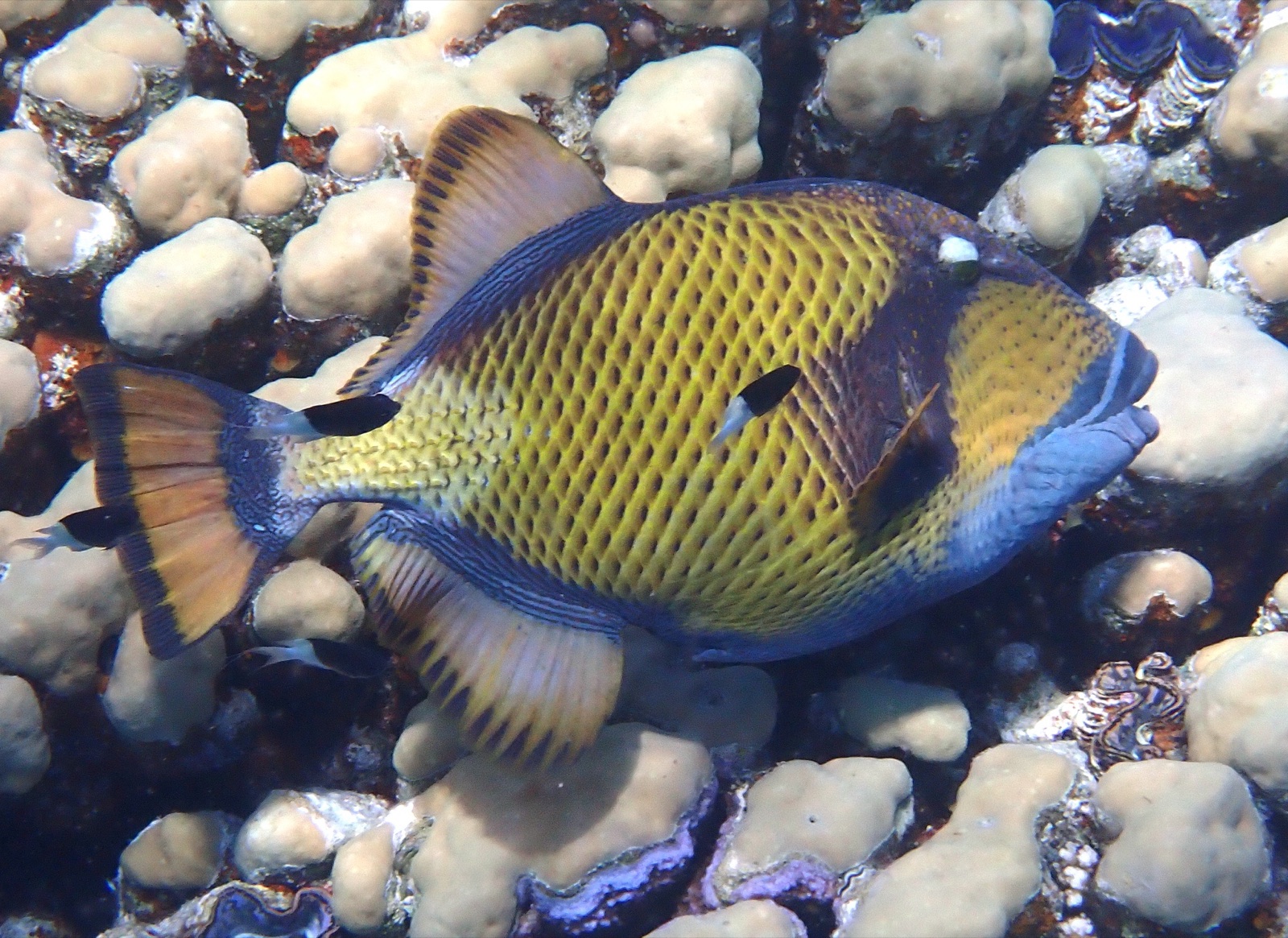
Titan Triggerfish
Également observé à proximité
Les espèces « cartographiées ici » ont été répertoriées par nos éditeurs à partir des sources indiquées sur cette page. Les comptages correspondent aux occurrences GBIF : observations enregistrées dans un rayon d'environ 5 km autour de la position cartographiée depuis 1990, comparées uniquement aux espèces de notre catalogue. Ils indiquent ce qui a été observé à cet endroit, sans garantir ce que vous y verrez.
Pour les photographes
Grand angle: ★★★★★ · Macro: ★★☆☆☆ (note 1–5 des éditeurs sur ce que ce site offre à chaque style de prise de vue)