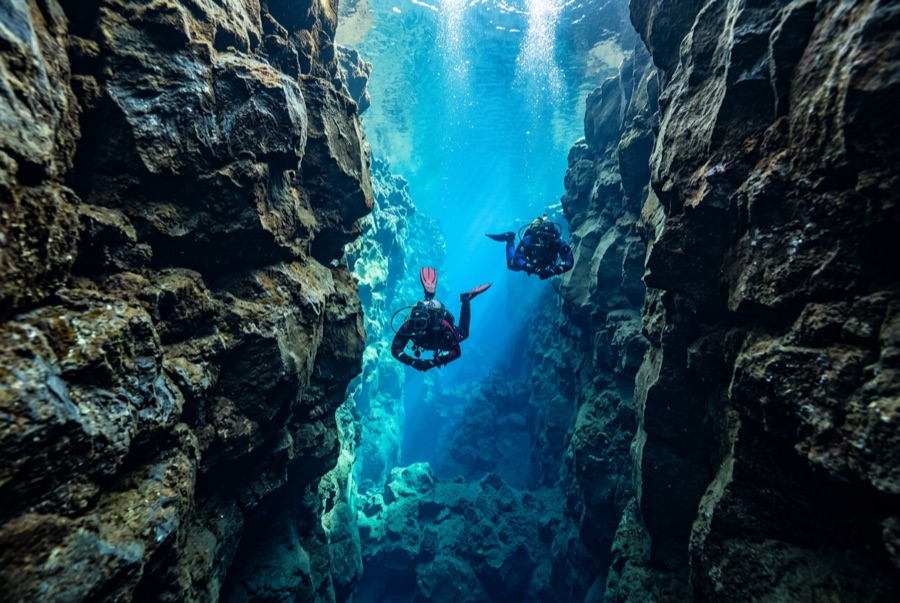
Jellyfish Lake
Die Tiefe gibt den Bereich von der Oberkante des Tauchplatzes bis zur üblichen Maximaltiefe an; „empfohlene Zertifizierung" ist das von Anbietern üblicherweise geforderte Mainstream-Agenturniveau – keine gesetzliche Vorschrift. Strömungen und Sichtweite ändern sich täglich – behandle alle Angaben hier als Planungsbereiche.
This is a snorkel, not a dive, and the rules say so plainly: scuba is banned, partly because bubbles harm the animals and partly because the lake's depths are dangerous. Below roughly 13–15 m the water column turns anoxic and charged with hydrogen sulfide, hazardous even through skin, so all activity stays at the sunlit surface. What happens there is singular: millions of golden jellyfish, their stings imperceptible to humans, migrating across the lake each day to follow the sun and farm the algae in their tissues. The population crashed during the 2016–2017 drought and closed the lake for a time; it has since recovered, a fragility worth remembering as you float among them.
Der Moment, für den du kommst: The midday migration, when the swarm concentrates in sunlit water; light rays through columns of pulsing gold.
Topografie: A landlocked saltwater lake, technically marine, connected to the sea only through fissures in the limestone
Einstieg: Boat to Eil Malk island, then a short, steep ridge trail to the lake platform.
Was du wissen solltest, bevor du ins Wasser gehst
Gefahren: Do not dive down: the deep layer's hydrogen sulfide is genuinely dangerous. Stay at the surface, inside the roped guidance of the guides.
Genehmigungen & Regeln: Requires the combined Koror State Rock Islands–Jellyfish Lake permit (about US$100, ten days).
Naturschutz: No sunscreen in the water, no touching, no fins contact with the shallows; the ecosystem is closed, tiny, and easily tipped.
Wen du triffst
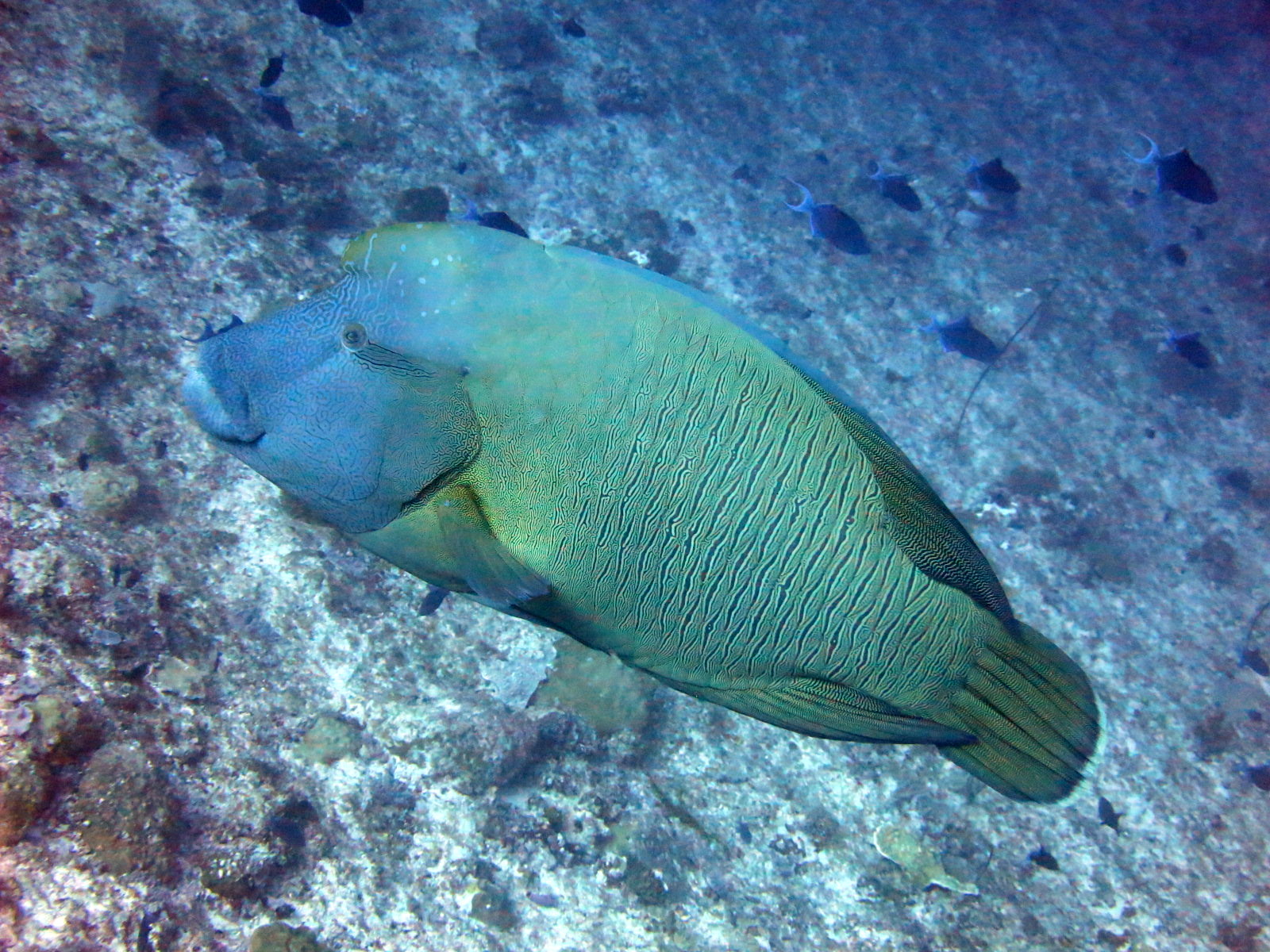
Napoleon (Humphead) Wrasse
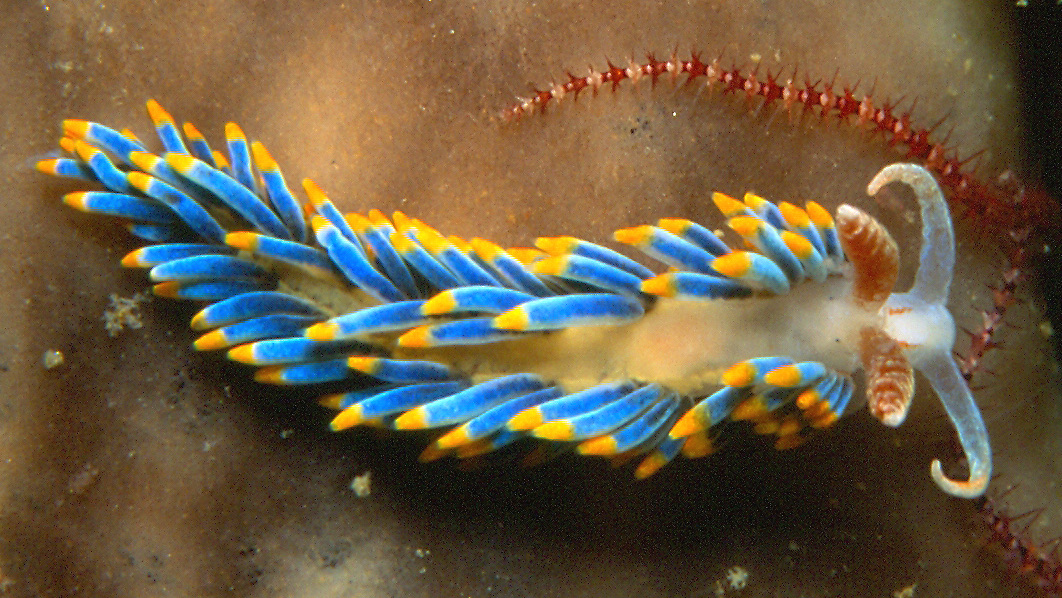
Nudibranchs
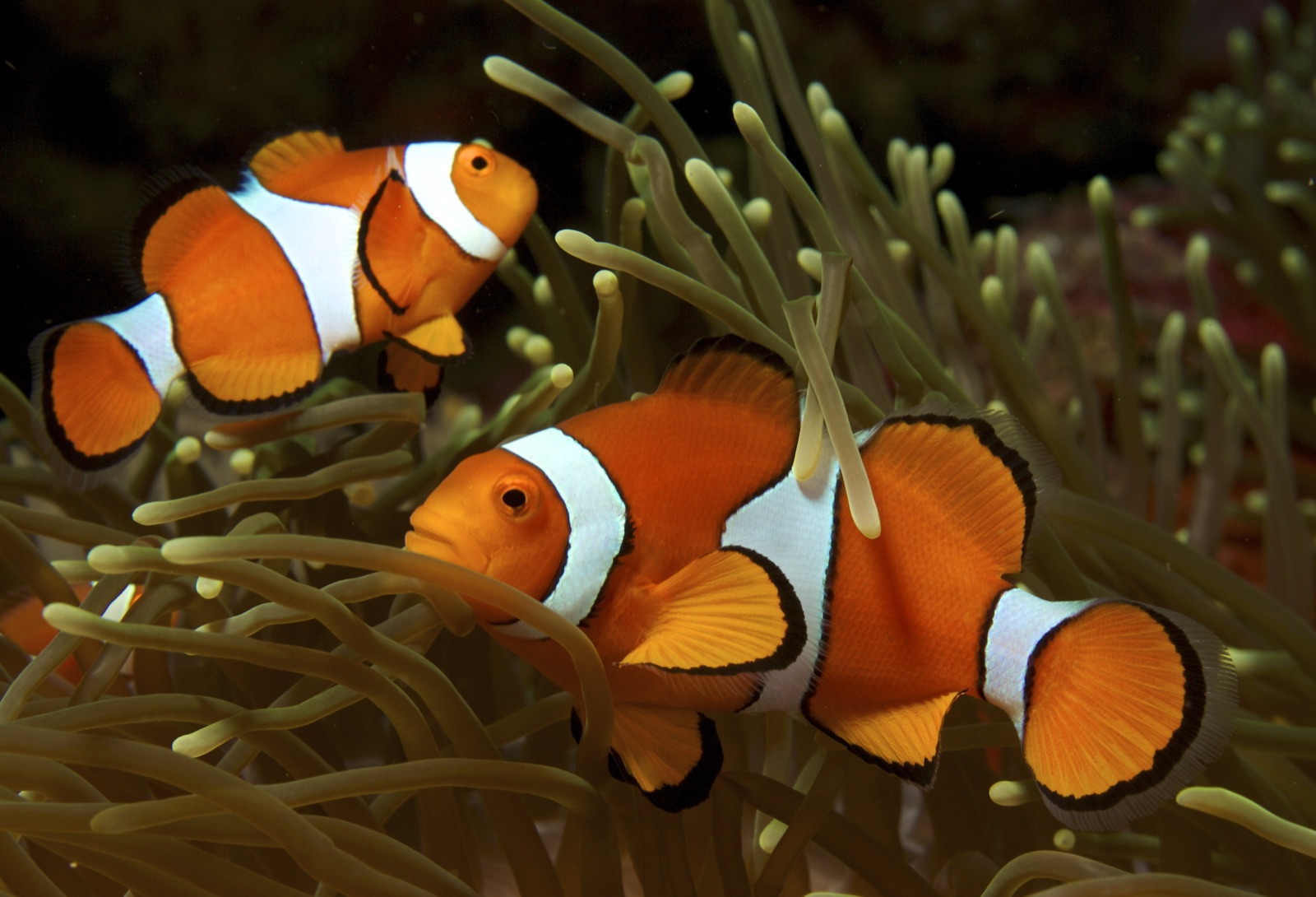
Clownfish & Anemonefish
„Hier kartiert" – Arten wurden von unseren Redakteuren anhand der Quellen auf dieser Seite erfasst. Die Zahlen sind GBIF-Vorkommensdatensätze: Beobachtungen, die seit 1990 im Umkreis von etwa 5 km um die kartierte Position protokolliert wurden, ausschließlich abgeglichen mit den Arten in unserem Katalog. Sie zeigen, was dort gesichtet wurde – keine Garantie, was du sehen wirst.
Für Fotografen
Weitwinkel: ★★★★★ · Makro: ★☆☆☆☆ (Redaktionelle 1–5-Bewertung, was dieser Platz für jeden Fotografie-Stil bietet)