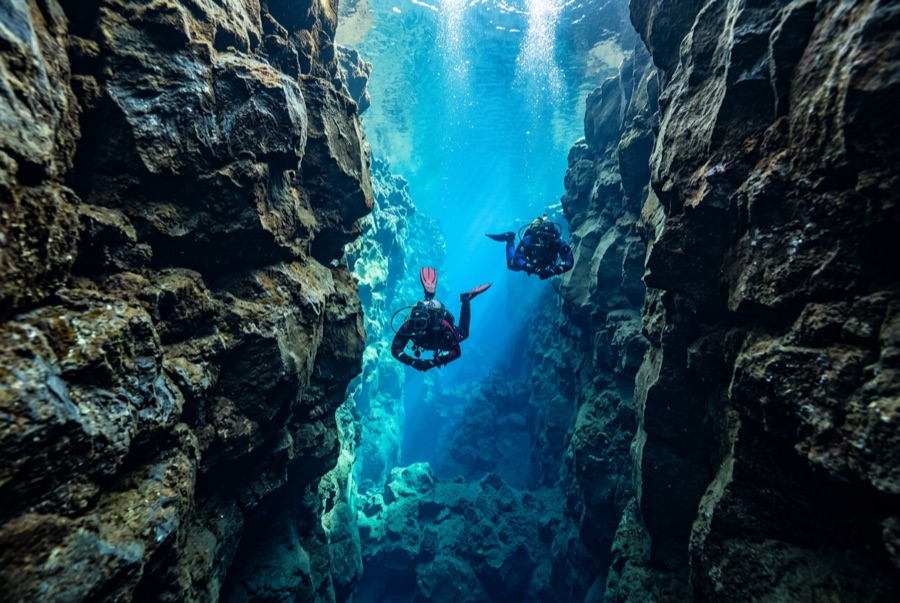
Jellyfish Lake
Depth is the range from the top of the site to its usual maximum; "recommended cert" is the mainstream-agency level operators usually ask for, not a legal rule. Currents and visibility change daily, so treat everything here as planning ranges.
This is a snorkel, not a dive, and the rules say so plainly: scuba is banned, partly because bubbles harm the animals and partly because the lake's depths are dangerous. Below roughly 13–15 m the water column turns anoxic and charged with hydrogen sulfide, hazardous even through skin, so all activity stays at the sunlit surface. What happens there is singular: millions of golden jellyfish, their stings imperceptible to humans, migrating across the lake each day to follow the sun and farm the algae in their tissues. The population crashed during the 2016–2017 drought and closed the lake for a time; it has since recovered, a fragility worth remembering as you float among them.
The moment you come for: The midday migration, when the swarm concentrates in sunlit water; light rays through columns of pulsing gold.
Topography: A landlocked saltwater lake, technically marine, connected to the sea only through fissures in the limestone
Entry: Boat to Eil Malk island, then a short, steep ridge trail to the lake platform.
Know before you splash
Hazards: Do not dive down: the deep layer's hydrogen sulfide is genuinely dangerous. Stay at the surface, inside the roped guidance of the guides.
Permits & rules: Requires the combined Koror State Rock Islands–Jellyfish Lake permit (about US$100, ten days).
Conservation: No sunscreen in the water, no touching, no fins contact with the shallows; the ecosystem is closed, tiny, and easily tipped.
Who you'll meet
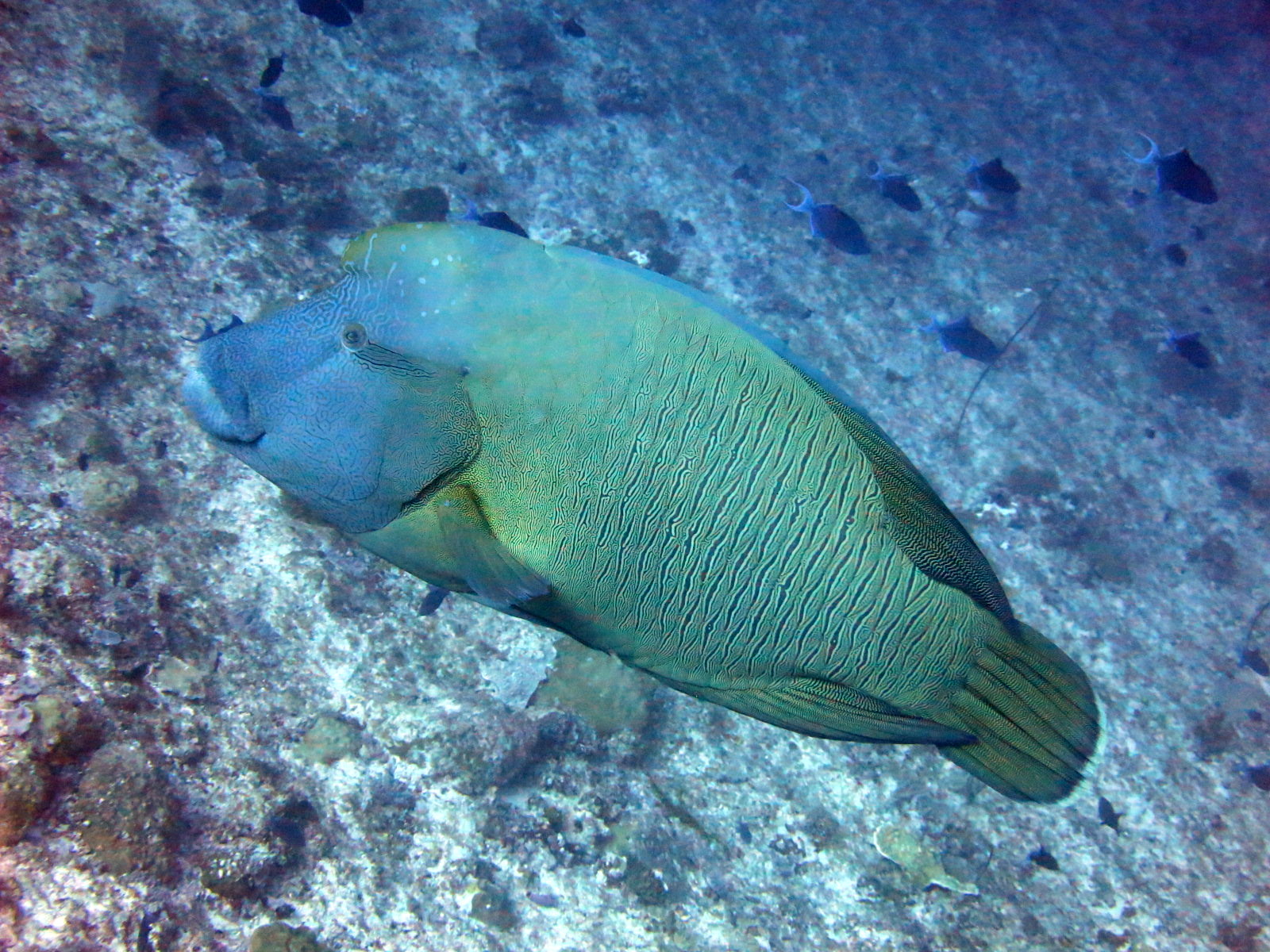
Napoleon (Humphead) Wrasse
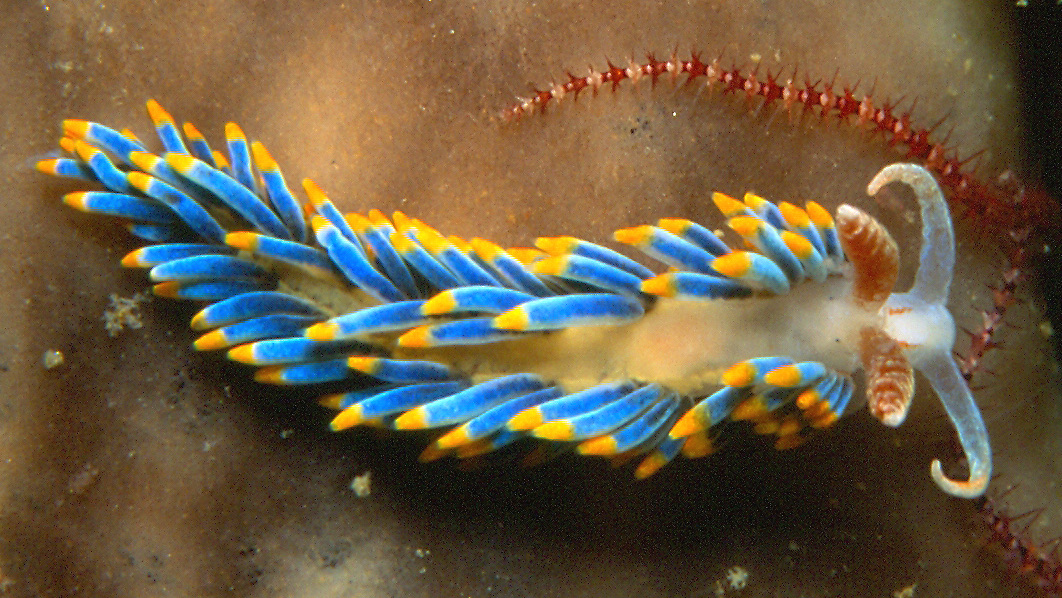
Nudibranchs
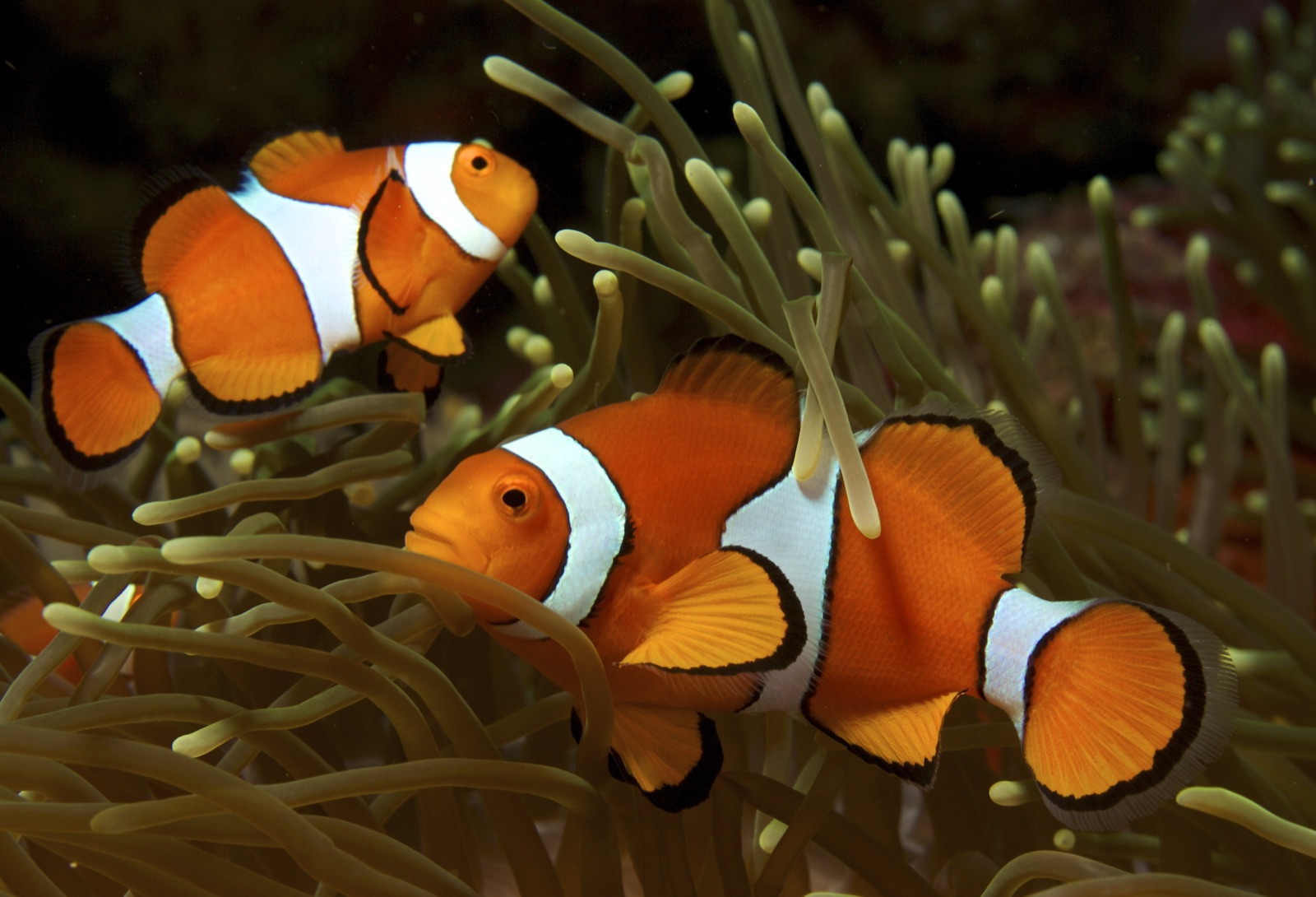
Clownfish & Anemonefish
"Charted here" species were listed by our editors from the sources on this page. Counts are GBIF occurrence records: observations logged within about 5 km of the charted position since 1990, matched only against the species in our catalogue. They show what has been seen there, not a promise of what you will see.
For photographers
Wide angle: ★★★★★ · Macro: ★☆☆☆☆ (editors' 1–5 rating of what this site gives each style of shooting)