Jellyfish Lake
La profundidad es el rango desde la cima del punto de buceo hasta su máximo habitual; la "certificación recomendada" es el nivel que los operadores suelen pedir según las agencias principales, no una norma legal. Las corrientes y la visibilidad cambian a diario, así que trata todo esto como rangos de planificación.
This is a snorkel, not a dive, and the rules say so plainly: scuba is banned, partly because bubbles harm the animals and partly because the lake's depths are dangerous. Below roughly 13–15 m the water column turns anoxic and charged with hydrogen sulfide, hazardous even through skin, so all activity stays at the sunlit surface. What happens there is singular: millions of golden jellyfish, their stings imperceptible to humans, migrating across the lake each day to follow the sun and farm the algae in their tissues. The population crashed during the 2016–2017 drought and closed the lake for a time; it has since recovered, a fragility worth remembering as you float among them.
El momento por el que vienes: The midday migration, when the swarm concentrates in sunlit water; light rays through columns of pulsing gold.
Topografía: A landlocked saltwater lake, technically marine, connected to the sea only through fissures in the limestone
Entrada: Boat to Eil Malk island, then a short, steep ridge trail to the lake platform.
Lo que debes saber antes de tirarte al agua
Riesgos: Do not dive down: the deep layer's hydrogen sulfide is genuinely dangerous. Stay at the surface, inside the roped guidance of the guides.
Permisos y normas: Requires the combined Koror State Rock Islands–Jellyfish Lake permit (about US$100, ten days).
Conservación: No sunscreen in the water, no touching, no fins contact with the shallows; the ecosystem is closed, tiny, and easily tipped.
A quién encontrarás
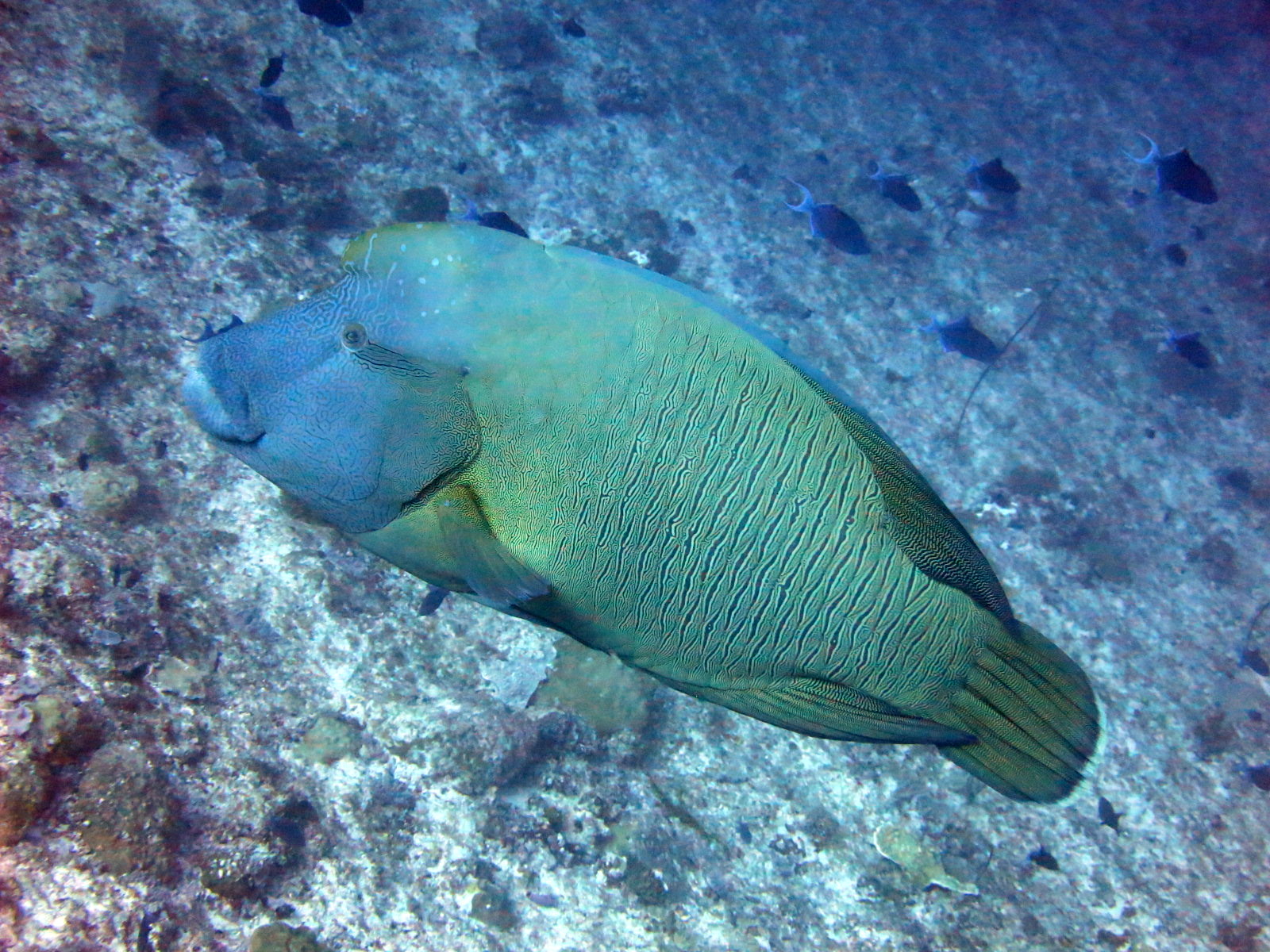
Napoleon (Humphead) Wrasse
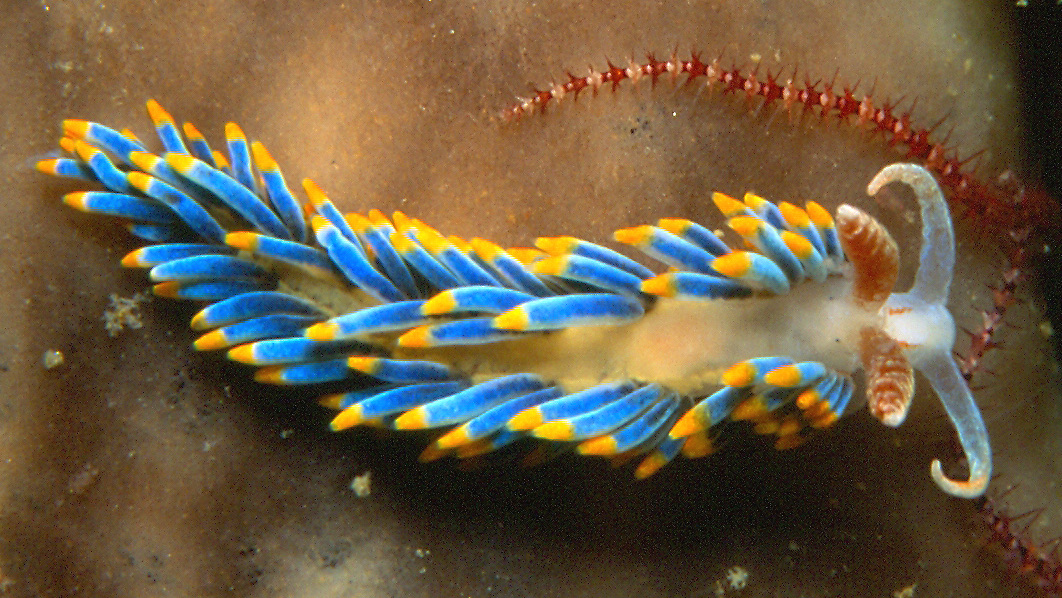
Nudibranchs
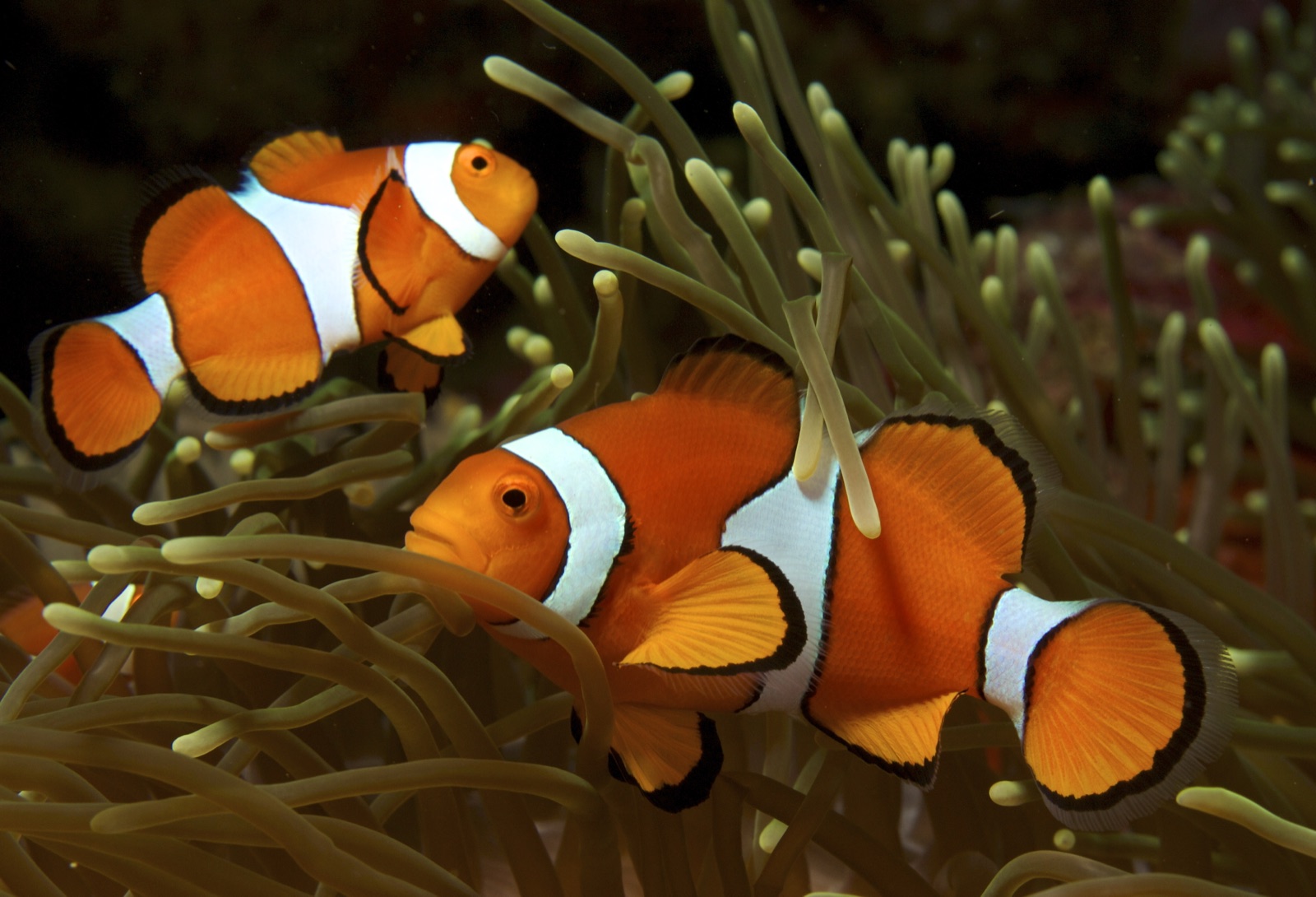
Clownfish & Anemonefish
Las especies "aquí registradas" fueron añadidas por nuestros editores a partir de las fuentes de esta página. Los recuentos son registros de ocurrencia de GBIF: observaciones anotadas en un radio de unos 5 km de la posición registrada desde 1990, cotejadas únicamente con las especies de nuestro catálogo. Muestran lo que se ha avistado allí, no una garantía de lo que verás.
Para fotógrafos
Gran angular: ★★★★★ · Macro: ★☆☆☆☆ (valoración de 1 a 5 de los editores sobre lo que ofrece este sitio para cada estilo de fotografía)